The evolution of modern digital photography has been defined by an unrelenting pursuit of minimalism. Over the past decade, the industry-wide transition from bulky digital single-lens reflex (DSLR) cameras to streamlined mirrorless systems has yielded immense benefits for street photographers, travel enthusiasts, and landscape artists. Equipment weights have plummeted, backpack profiles have shrunk, and high-performance sensors are now packed into bodies that can slip easily into a jacket pocket. However, this miniaturization trend has created unintended challenges for specialized genres, most notably wildlife and sports photography.
While manufacturers boast about rapid autofocus algorithms, blistering electronic shutter burst speeds, and staggering megapixel counts, these technological marvels mean little if the photographer is physically wrestling with their equipment in the field. When capturing unpredictable subjects like a breaching whale, a darting kingfisher, or a predator on the move, the physical interface between the photographer and their gear becomes the ultimate determining factor between a missed opportunity and a masterpiece.
An Examination of the Mirrorless Paradox
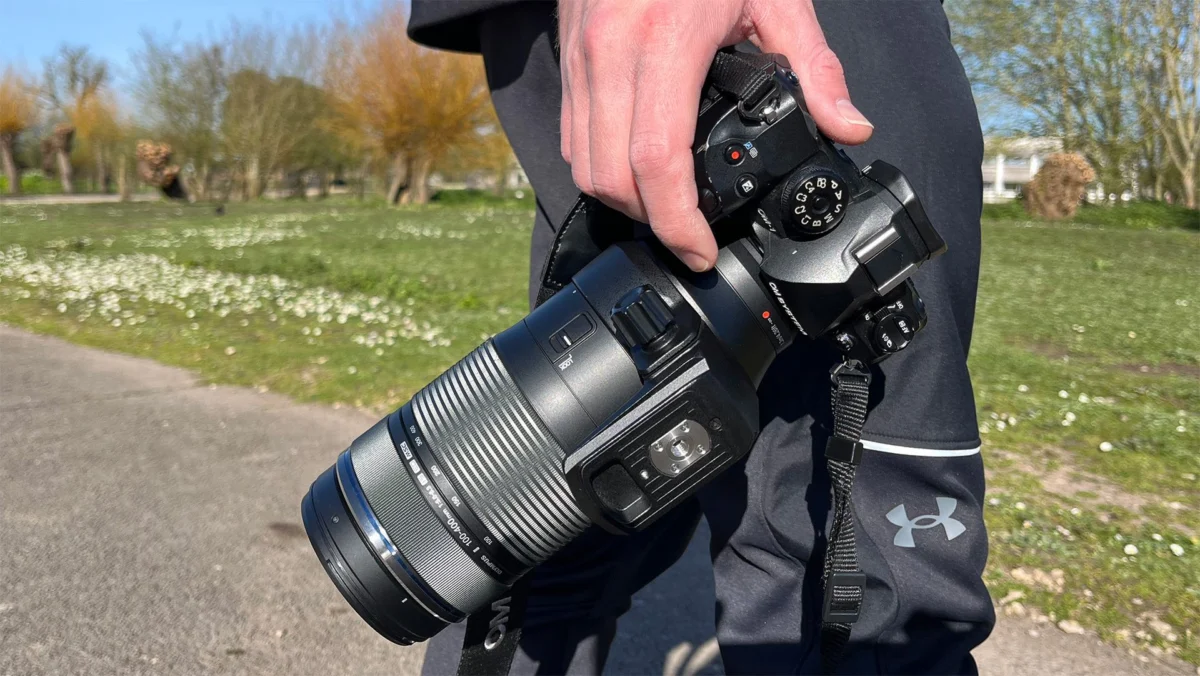
The core issue facing wildlife photographers today lies in a fundamental imbalance. Modern mirrorless camera bodies are frequently engineered to be as light and compact as possible. While this is a welcome trait during a ten-mile hike through rugged terrain, it creates a severe ergonomic handicap when paired with the heavy, long-range telephoto lenses required for wildlife documentation.
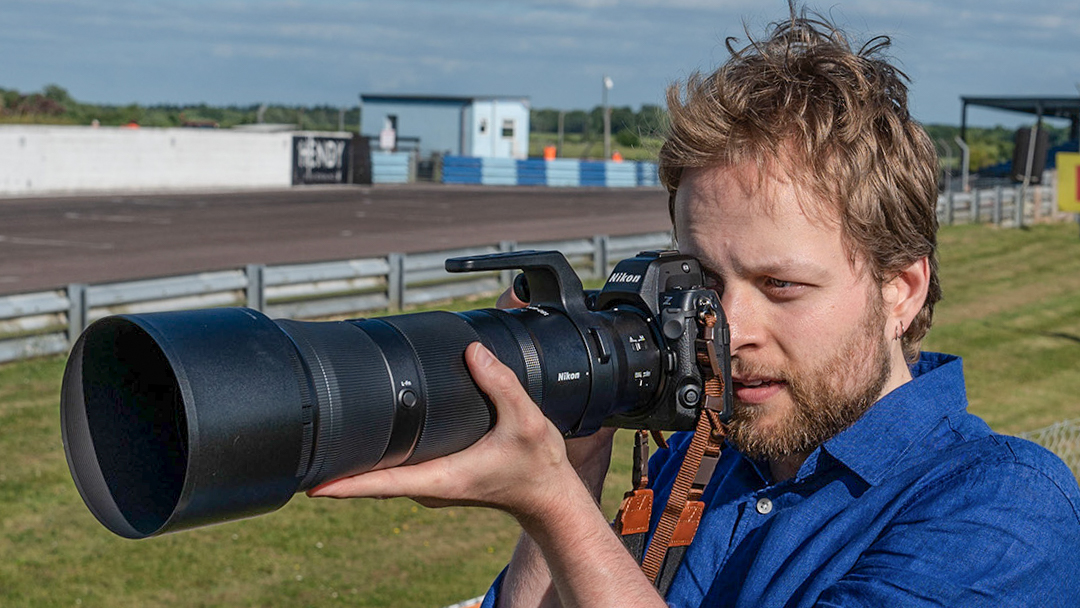
Lenses such as the 150-400mm, 200-600mm, or prime 500mm and 600mm focal lengths are inherently substantial pieces of glass and metal. When these massive optical instruments are mounted onto ultra-compact, lightweight mirrorless bodies—such as retro-styled full-frame or slimline crop-sensor models—the center of gravity shifts dramatically forward. The resulting setup is severely top-heavy, forcing the photographer’s hands and wrists to exert constant, fatiguing tension just to keep the lens level.
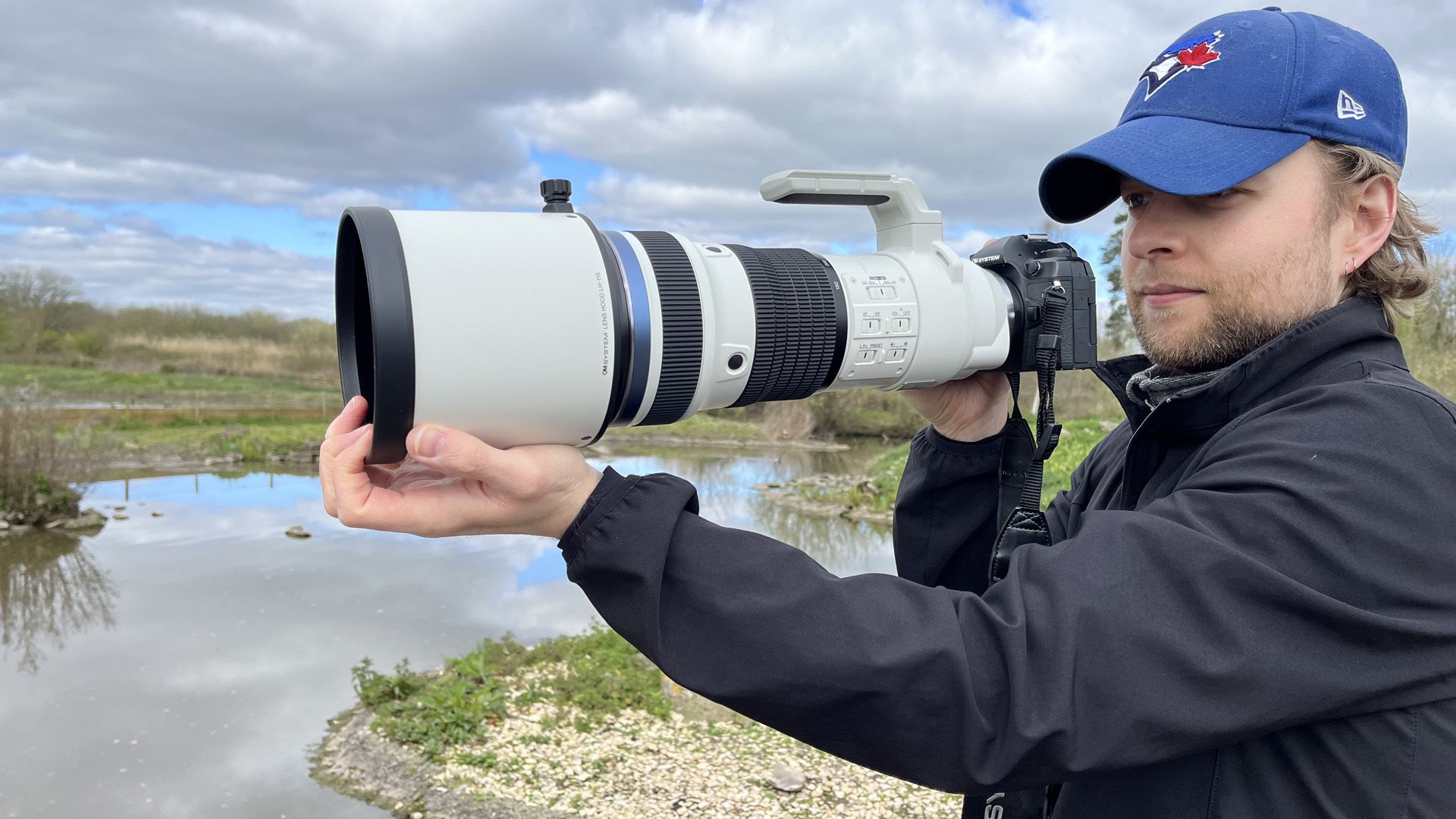
Furthermore, these smaller camera bodies often lack the physical depth and contouring required for a secure, confident handhold. Without a deep, well-contoured grip, the weight of a telephoto lens places all the strain on a few cramped fingers rather than being comfortably distributed across the palm and wrist. Over hours of waiting in a marsh, forest, or blind, this lack of structural support translates directly into physical exhaustion and musculoskeletal strain.
The Anatomy of a High-Performance Wildlife Setup
To understand what constitutes a truly effective wildlife photography system, one must evaluate the historical shift in camera design philosophy. In the era of heavy professional DSLRs, bodies were intentionally built with substantial mass and deep handgrips to counterbalance the heavy telephoto glass favored by professionals.
Industry veterans note that an ideal wildlife photography rig requires a deliberate equilibrium. The camera body must possess enough physical weight and dimensional heft to anchor heavy glass securely. This ballast effect prevents the lens from dominating the rig, allowing the photographer to track moving subjects with smooth, panning motions rather than jerky, corrective adjustments.
In addition to weight distribution, physical controls dictate success in the field. Wildlife action unfolds in fractions of a second. A photographer cannot afford to dive deep into digital menu systems or hunt for obscure touchscreen icons to adjust shutter speed, aperture, ISO, or autofocus tracking modes. High-end wildlife bodies feature abundant, tactile physical controls—including dedicated joysticks, customizable function buttons, and physical command dials—that allow adjustments to be made entirely by muscle memory while keeping the viewfinder glued to the eye.
Case Studies in Ergonomic Disconnect
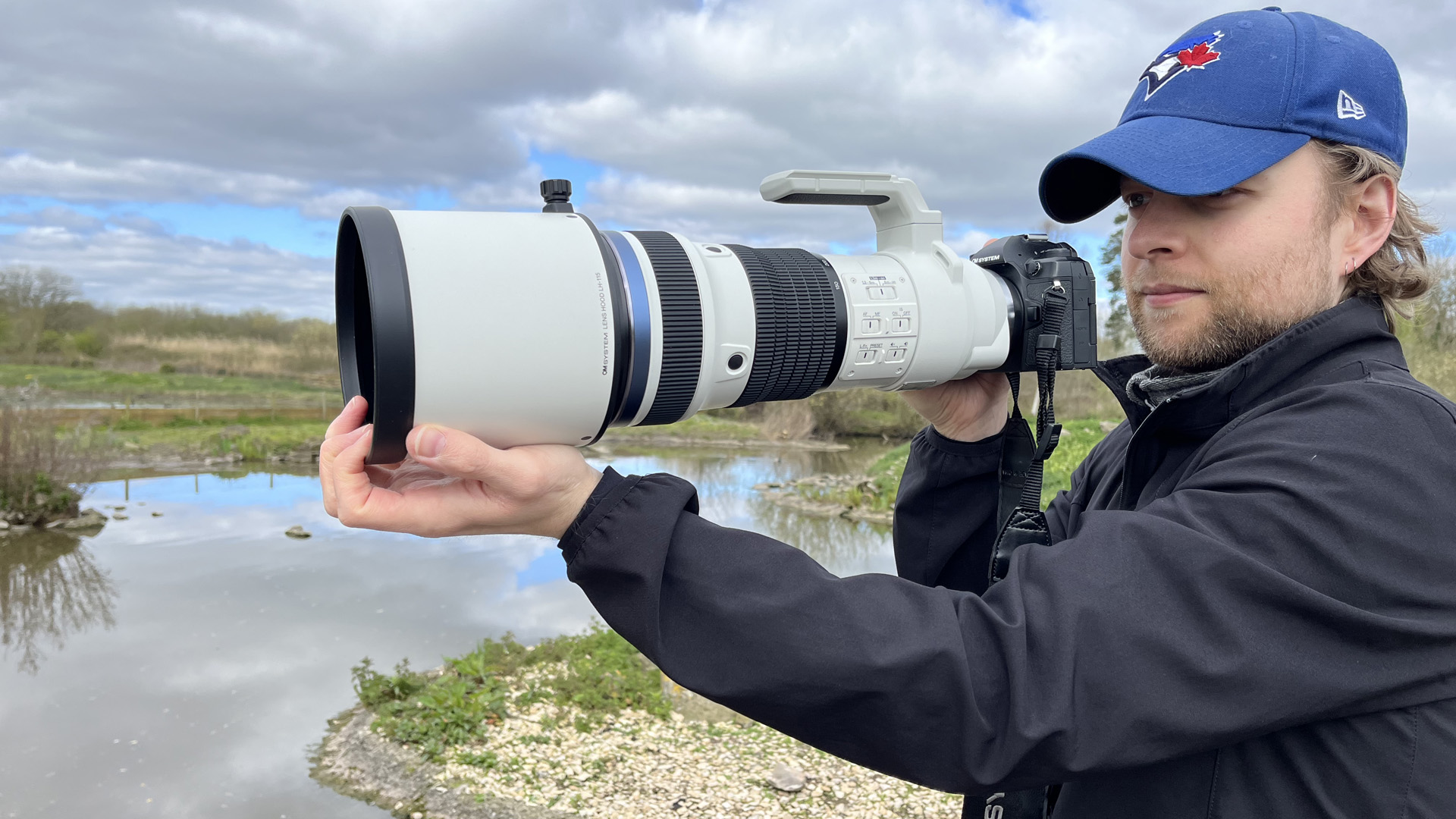
A growing chorus of field photographers has highlighted the growing pains associated with pairing casual or travel-oriented mirrorless bodies with professional telephoto glass. Cameras designed for discreet street shooting or lightweight travel—such as vintage-inspired rangefinder-style bodies or ultra-thin flat-bodied systems—often omit deep handgrips entirely in favor of aesthetic minimalism.
When a 600mm telephoto lens is attached to these minimalist bodies, the mechanical leverage exerted on the lens mount is immense. Field reports indicate that users experience significant hand cramping, unstable tracking, and an increased risk of accidental drops due to insufficient gripping surface area. Additionally, the lack of assignable physical buttons forces operators to look away from the viewfinder, resulting in missed behavioral cues from animal subjects.
Conversely, purpose-built flagship and semi-flagship bodies—such as vertically integrated professional models or robust medium-sized platforms—provide the necessary tactile surface area. These bodies often feature integrated vertical grips, redundant controls for portrait orientation shooting, and weather-sealing gaskets capable of withstanding torrential rain, extreme cold, and fine dust.
Market Adaptation and Future Projections
Camera manufacturers are increasingly recognizing the dichotomy between consumer demand for compact travel gear and the rigorous demands of specialized field photography. While the broader market continues to purchase lightweight bodies for general use, the engineering teams behind major optical brands have doubled down on offering ergonomic accessories, such as modular extension grips and specialized tripod collars, to bridge the gap.
Industry analysts project that future camera development will likely bifurcate even further. General-purpose and content-creation cameras will continue down the path of extreme weight reduction and software-driven interfaces. Meanwhile, professional and enthusiast wildlife equipment will maintain—and in some cases expand—its ergonomic footprint, prioritizing structural integrity, thermal dissipation for prolonged 8K video recording, and expansive battery capacities required for multi-day field shoots.
Implications for Consumer Purchasing Decisions
For aspiring and intermediate wildlife photographers, the lesson is clear: specifications sheets telling a story of high megapixels and fast frame rates tell only half the story. Field ergonomics must be a primary evaluation metric before investing in a system.
Experts strongly recommend that prospective buyers visit brick-and-mortar camera retailers to mount their intended long lenses onto prospective bodies before making a purchase. Evaluating how a system balances in the hand, whether the index finger naturally falls upon the shutter button, and if critical exposure dials can be manipulated blindly can save photographers from costly and uncomfortable mismatches.
Ultimately, the best camera for wildlife photography is not simply the one with the most advanced processor or the highest price tag. It is the tool that disappears in the user’s hands, functioning as a seamless extension of the body when nature moves at a moment’s notice.