Since the widespread adoption of digital photography, the sheer volume of images captured has exploded, far exceeding the capacity and practicality of traditional printing methods. While memory cards can hold thousands of photos, these digital snapshots often languish in the ephemeral realm of the internet, their value diminishing with each passing social media scroll. This digital saturation risks devaluing the very essence of why we capture moments in the first place: to preserve memories and tell stories. Fortunately, a diverse array of professional printing options exists, offering unique qualities in terms of material, mounting, and finishes, transforming digital files into tangible, lasting art. This article delves into eight distinct printing formats, presented in both classic and contemporary styles, to empower individuals and photographers alike in selecting the ideal medium for their cherished images.
Note: The examples and specific product offerings discussed in this article are drawn from the services of Bay Photo Lab, a professional printing partner, and are available on their website.
The Enduring Appeal of Framed and Matted Photo Prints
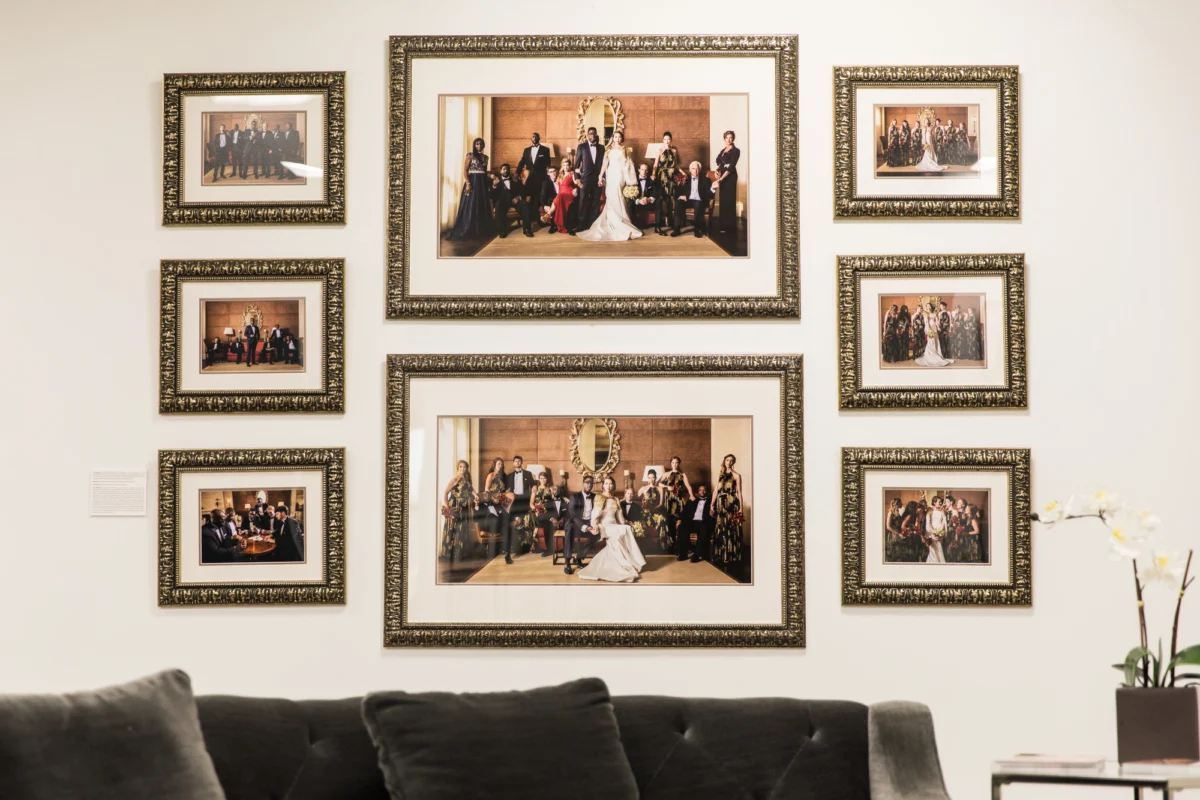
Framed and matted photo prints remain a cornerstone of photographic display, representing the quintessential approach to showcasing images. This classic format is often the first consideration when envisioning how to present a photograph. Far from being a dated option, the framed print offers a wealth of customization, capable of satisfying a broad spectrum of aesthetic preferences. It is important to note that the concept of framing is not exclusive to traditional paper prints; it can be effectively applied to various mediums, including metal prints, canvas, and more, adding a layer of sophistication and presentation.

Crafting the Overall Style: Frames and Their Impact
The choice of frame significantly influences the final presentation of a photograph. Frames are typically constructed from wood or metal, offering a wide array of styles, from rustic reclaimed barnwood to ornate, gilded designs. Both wood and metal provide durability, making them suitable for diverse display environments. To effectively guide clients, it is beneficial to showcase a range of framing samples, whether through a physical studio display or by requesting corner samples from larger printing services. Understanding a client’s existing home décor can also be instrumental, helping to ascertain whether they seek to complement their current style or introduce a new aesthetic. The frame acts as an initial visual cue, setting the tone and context for the artwork it encloses.
The Nuances of Photo Paper Surfaces
The surface of the photographic paper itself plays a crucial role in how an image is perceived. Glossy prints, for instance, tend to exhibit enhanced color saturation and deeper blacks, but they can also be prone to glare, which may detract from the viewing experience in certain lighting conditions. Conversely, matte prints offer a softer, more diffused appearance, rendering them more adaptable to various lighting environments and often lending a refined, artistic quality. Professional printers offer a range of standard paper surface options to cater to these preferences:
- Glossy: Offers vibrant colors and high contrast, but can be reflective.
- Luster/Satin: A popular choice, providing a balance between the vibrancy of gloss and the reduced reflectivity of matte, often with a subtle sheen.
- Matte: Delivers a non-reflective surface with a soft, velvety appearance, ideal for avoiding glare.
- Metallic: Imparts a unique, luminous quality with iridescent undertones, enhancing depth and brilliance.
Beyond the surface texture, many professional printers provide protective coating options designed to enhance print longevity and visual appeal. These coatings can offer UV protection, guard against scratches, and even add subtle finishes like a soft sheen or a more pronounced gloss.
The Role of Mounting in Durability and Presentation
The printed image can be further enhanced and protected by mounting it onto a rigid substrate. Common mounting materials include styrene, foam board, masonite, and canvas board. These substrates not only add structural integrity to the print but also contribute to its overall longevity, preventing warping or creasing. The choice of mounting material can also influence the perceived weight and depth of the final piece.

Matting: Enhancing Aesthetics and Preservation
Matting serves a dual purpose: it enhances the visual appeal of a photograph and contributes to its preservation. Available in a wide array of colors and materials, mats create a visual border that draws the viewer’s eye into the image. More importantly, mats provide a physical separation between the photo paper and the frame’s protective glass or acrylic. This separation is critical to prevent the photo paper from adhering to the glazing over time, a phenomenon that can cause irreversible damage. Mats are typically offered in single or double configurations, allowing for increased depth and complexity in the presentation.
- Cost: Approximately $50+ for an 8×10 print.
Metal Prints: A Modern Marvel of Color and Durability
Metal prints represent a contemporary and striking alternative for displaying photographs, renowned for their exceptionally vibrant and rich color reproduction. While the inherent nature of metal might suggest a glossy finish, these prints are available in a spectrum of surfaces, from high-gloss to sophisticated matte, offering versatility for diverse display needs. The impact of a metal print is often best appreciated in person, where their luminous quality and sharp detail become truly apparent.
Versatile Styles for Modern Interiors
Metal prints can be integrated into various display arrangements to suit a wide range of tastes. Options include single, minimalist prints, double float (stacked) configurations that add dimension, or dynamic clustered arrangements. The intense color saturation and high resolution characteristic of metal prints make them a compelling choice for creating visually impactful wall art, capable of complementing modern and minimalist aesthetics.
Surface Finishes for Optimal Viewing
The diverse range of finishes available for metal prints allows them to be optimally displayed in various lighting conditions. Some surfaces are designed to allow the underlying metal to subtly show through, contributing to a unique depth and shimmer, while others offer a more opaque and vibrant color presentation. It is advisable to consult with printing services for sample packs to fully explore these finishes. Bay Photo Lab, for instance, offers demonstration videos showcasing their available metal print surfaces.

- Glossy: Maximizes color vibrancy and contrast, with a reflective surface.
- Satin: Offers a softer sheen than gloss, reducing glare while maintaining good color depth.
- Matte: Provides a completely non-reflective surface, ideal for bright environments or for achieving a more subdued, artistic look.
- White Base: Enhances color accuracy and brilliance by providing a bright, neutral background.
- Clear Base: Allows the metallic nature of the aluminum to show through, creating a distinctive depth and shimmer.
Material Excellence: Longevity Redefined
The inherent durability of metal as a printing material ensures that these prints significantly outlast their paper counterparts. Many metal prints are engineered to withstand direct sunlight for extended periods with minimal fading, offering exceptional longevity, with some estimates suggesting resilience for several years under such conditions. This makes them an excellent choice for areas with significant light exposure.
- Cost: Approximately $20-$60+ for an 8×10 print.
Acrylic Prints: Elevating Images with Radiance and Depth
Acrylic prints imbue photographic images with a remarkable sense of radiance and depth, regardless of their size. This printing technique involves mounting a photograph to polished plexiglass, creating a visually stunning effect. The inherent thickness of the acrylic, which can range from 1/4 inch to 1 inch for tabletop displays, contributes a unique physical dimension to the artwork. Like metal prints, the full impact of acrylic prints is best realized through direct viewing, revealing their luminous qualities and exceptional clarity.
A Modern Aesthetic for Vibrant Displays
Clients seeking a contemporary and visually striking presentation for their photographs often gravitate towards acrylic prints. These displays can achieve an awe-inspiring presence, particularly when produced in large formats, with capabilities extending to dimensions as vast as 43 inches by 96 inches. The inherent brilliance and depth of acrylic prints lend themselves to creating dramatic focal points in any space.
Surface Options for Enhanced Visuals
The acrylic treatment can be applied to various photographic surfaces, including specialized lustre and metallic papers, further enhancing their visual appeal. Acrylic prints are typically available in two primary finishing options: glossy acrylic, which offers maximum shine and vibrancy, and non-glare acrylic, which minimizes reflections, making them suitable for a wider range of lighting conditions.

Material and Mounting: Versatile Presentation
The final appearance of acrylic prints can be further influenced by the backing material and mounting hardware used. Common backing options include aluminum dibond, a lightweight yet rigid composite material, or white paper backing, which provides a neutral base for the image. The choice of backing often depends on the print size and the desired aesthetic. For mounting, acrylic prints are typically affixed using French cleats, which offer a secure and seamless hanging solution, or stainless steel posts, which create a more contemporary, stand-off effect.
- Cost: Approximately $50+ for an 8×10 print.
Canvas Prints: Bridging Fine Art and Accessibility
Canvas prints, a familiar and enduring format, have become a staple in many homes and galleries. While readily available through mass-market retailers, these options often present limitations in quality and artistic expression. Opting for a professional, specialized printer unlocks a wider range of canvas materials and finishes, enabling the creation of prints truly worthy of the "fine art" designation.
A Spectrum of Styles: From Classic to Contemporary
Canvas prints span a stylistic spectrum, from traditional gallery wraps that mimic the presentation of oil paintings to more contemporary interpretations with varied depths and border options. The versatility of canvas allows it to adapt to diverse interior design schemes, offering a tactile and artistic quality that resonates with many.
Surface and Material Considerations
Canvas prints are typically produced through two primary methods: printing onto high-quality paper and then bonding it to canvas, or printing directly onto the canvas material itself. The canvas surface can then be enhanced with a satin or glossy protective coating, or even a unique metallic finish, as offered by some specialized printers. When selecting a canvas print, it is crucial to inquire about the quality of the photo paper and canvas used, prioritizing fine art quality paper and museum-grade canvas for optimal results.

Mounting and Border Options: Tailoring the Presentation
The mounting and border choices are instrumental in defining the aesthetic of a canvas print. The classic gallery wrap, where the canvas is stretched taut over wooden stretcher bars, remains popular. However, canvas prints also come in various thicknesses, from slim profiles to substantial statement pieces. Border options further enhance customization:
-
Image Wrap: The image extends over the sides of the canvas, creating a continuous visual flow.
-
Color Wrap: The sides of the canvas are filled with a solid color, often complementing the image.
-
White Wrap: The sides are left a clean white, offering a minimalist finish.

-
Mirrored Wrap: A mirrored image of the canvas edges is applied to the sides, maintaining the integrity of the original image.
-
Cost: Approximately $50+ for an 8×10 print.
Wood Prints: Nature’s Grain Meets Photographic Art
Wood prints offer a distinctive and less common alternative for showcasing photographs, imbuing them with a unique natural character. Whether hung on a wall or displayed on a tabletop, wood prints are sure to spark conversation and serve as a memorable medium for preserving cherished moments. Their appeal lies in their ability to blend the contemporary with the timeless.
A Unique Aesthetic: Modernity with a Natural Touch
Wood prints possess a surprising versatility, appealing to both modern and vintage design sensibilities. Their clean presentation caters to contemporary tastes, while the inherent texture and grain of the wood lend a timeless, organic feel to the image. This combination makes them a compelling choice for those seeking something truly unique.

Surface Options: Embracing or Enhancing the Grain
Wood prints are typically offered in two primary surface finishes. A natural finish celebrates the inherent beauty of the wood, allowing the grain to become an integral part of the image. Alternatively, a white ink layer can be applied to the wood panel before printing, providing a solid, neutral background that allows the printed image to stand out with enhanced clarity and vibrancy.
Material and Mounting: Flexible Display Solutions
Wood prints offer a range of options for borders, from full-bleed prints with no visible border to those with borders extending up to four inches. Mounting solutions are equally varied, with wood prints accommodating a wide array of standard hanging hardware, allowing for flexible placement and display.
- Cost: Approximately $30 for an 8×10 print.
Interchangeable Prints: Dynamic Display Solutions
For clients who value versatility and the ability to frequently update their wall décor, interchangeable print systems offer an innovative solution. While traditional frames allow for print replacement, the cost and effort involved in repeatedly preparing and mounting new prints can be prohibitive.
Bay Photo Lab’s Xpozer system addresses this challenge by enabling swift print changes. Prints ordered for this system are equipped with specialized clips that easily attach to a lightweight aluminum hanging frame. This ingenious design allows for quick and effortless swapping of images, maintaining visual freshness without significant additional expense.

A Modern, Adaptable Style
The Xpozer system’s design, where prints appear to float slightly off the wall and can be reconfigured with ease, lends itself perfectly to modern and gallery-style interiors. This adaptability makes it an ideal choice for those who enjoy evolving their home’s aesthetic.
Surface and Material for Convenience
Prints designed for the Xpozer system typically feature a vibrant satin finish. For those who prefer a glossier appearance, it is advisable to check with the printer for available options. The system’s material composition prioritizes convenience, with prints attaching to a lightweight aluminum hanging system for stylish and effortless display.
- Cost: Approximately $30-$40 for a 16×16 print.
Clusters and Splits: Expanding the Narrative
Beyond single-image displays, clusters and splits offer dynamic ways to present photographs, either by expanding on a visual narrative or by presenting a single image in a more unconventional manner.
Clusters: A Symphony of Images
Clusters involve arranging multiple images together to create a cohesive display. This approach is ideal for telling a story, showcasing a series of related moments, or creating a visually rich wall arrangement. The success of a cluster lies in thoughtful curation and spacing, ensuring a harmonious presentation.

Splits: Deconstructing the Image
Splits, on the other hand, utilize a single image that is divided and printed across multiple panels. This technique adds a contemporary and artistic flair, transforming a photograph into a multi-dimensional art installation.
Both clusters and splits can be executed using a variety of printing materials discussed in this article, offering immense flexibility in design and execution. Resources are available to guide the creation of effective clusters, further empowering creative display choices.
Albums: Curated Collections Beyond the Wall
While wall art excels at keeping memories at the forefront of daily life, photo albums provide an intimate and organized way to gather a substantial collection of images. Albums serve as a superior alternative to haphazard storage methods like shoe boxes, offering a structured and aesthetically pleasing way to revisit cherished moments. The design of photo albums is highly customizable, encompassing choices for exterior fabric, interior paper and photo surfaces, and the limitations of page spreads. Consulting with a preferred printer for samples is recommended to help clients visualize the possibilities and select the ideal album for their needs.
Conclusion: Embracing the Tangible Power of Print
The moments that constitute our lives are invaluable and deserve to be preserved for ourselves and for future generations. While the convenience of digital photography is undeniable, it can inadvertently lead to a devaluation of our captured images as they recede into the vastness of cyberspace, lost amidst the constant flow of digital content.

Fortunately, the landscape of professional photo printing offers a diverse and high-quality array of options. Today’s printing technologies produce images with remarkable fidelity and durability, with some processes engineered to withstand challenging environmental conditions. By leveraging these printing solutions, photographers can not only help their clients preserve their most precious memories but also enhance their own professional offerings and revenue streams.
The printing options reviewed above include:
- Framed and Matted Photo Prints: Classic elegance and protection.
- Metal Prints: Modern vibrancy and exceptional durability.
- Acrylic Prints: Radiant depth and striking visual impact.
- Canvas Prints: Artistic texture and fine art appeal.
- Wood Prints: Natural warmth and unique character.
- Interchangeable Prints: Dynamic and adaptable display solutions.
- Clusters and Splits: Narrative-driven and artistic presentation.
- Albums: Curated collections for intimate viewing.
Given the vast array of printing possibilities available, this article has explored a selection of the most prominent options. The journey from a digital file to a tangible print is a rewarding one, transforming fleeting moments into lasting testaments to our lives and experiences.