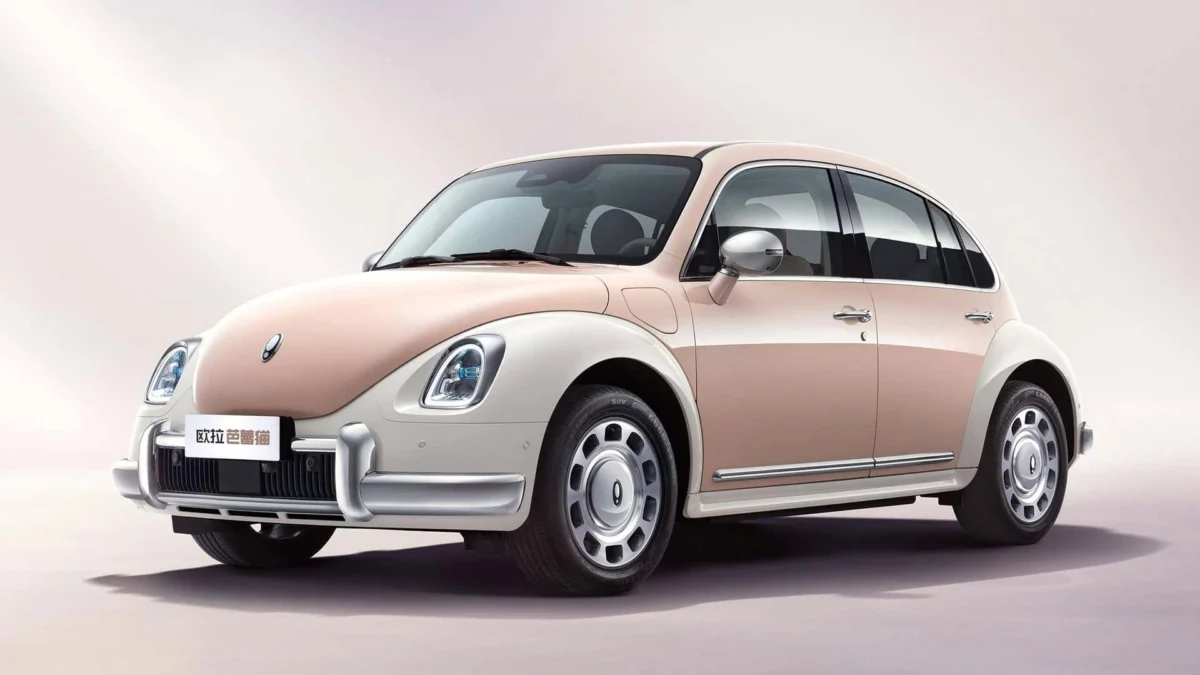
The automotive landscape is constantly evolving, with manufacturers worldwide seeking innovative ways to appeal to a diverse consumer base. While the iconic Volkswagen Beetle, a symbol of automotive nostalgia and enduring design, has ceased production and sales in the United States since 2019, its spirit appears to be alive and well in an unexpected corner of the globe. In China, a company named Ora, a sub-brand of Great Wall Motors (GWM), has introduced an electric vehicle that draws significant inspiration from the beloved "People’s Car." The Ora Ballet Cat, first unveiled in 2022, has now undergone a significant update for the 2026 model year, featuring a more potent electric motor and an improved top speed, aiming to capture a larger share of the niche market it currently occupies.
From Nostalgia to the Electric Age: The Ballet Cat’s Genesis
The Volkswagen Beetle’s legacy is undeniable. Its distinctive rounded silhouette and humble beginnings as a utilitarian vehicle for the masses have cemented its place in automotive history. The "New Beetle," a modern revival launched in the late 1990s, attempted to recapture that magic, but ultimately met its end in 2019, with the "Final Edition" marking the conclusion of its production run. This departure left a void for enthusiasts who cherished its unique design and cultural significance.
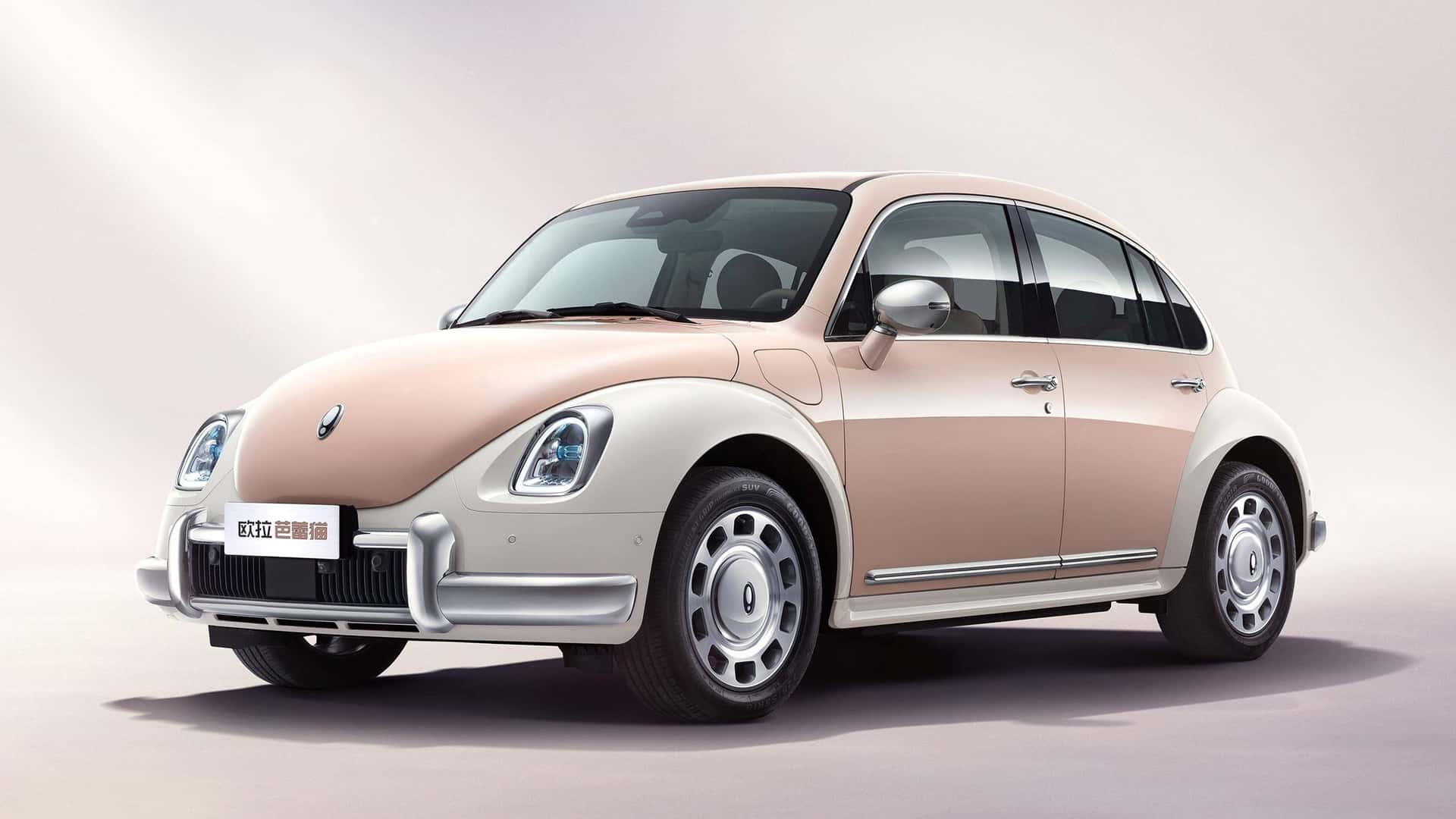
It is within this context that the Ora Ballet Cat emerges. Positioned as a modern interpretation of the classic Type 1 Beetle, the Ballet Cat masterfully blends retro aesthetics with contemporary electric vehicle technology. Its design language clearly pays homage to the original Beetle, featuring a similarly rounded profile and charming proportions, albeit with a slightly sleeker and more contemporary adaptation. Since its debut, the Ballet Cat has been a niche offering, with Ora reporting sales in the low thousands annually. The initial pricing for this distinctive electric car started at approximately ¥193,000 (around $28,000 USD), placing it in a competitive segment within the Chinese electric vehicle market.
Enhancements Under the Hood: A More Powerful Electric Heart
The most significant update for the 2026 Ora Ballet Cat lies beneath its charming exterior, where a newly engineered electric powertrain promises a more engaging driving experience. The previous iteration of the Ballet Cat was equipped with an electric motor that produced a modest 169 horsepower. While adequate for its intended urban commuting role, it lacked the spirited performance that some drivers might desire.
According to information filed with China’s Ministry of Industry and Information Technology (MIIT) and reported by automotive news outlet CarNewsChina, the updated Ballet Cat now boasts an impressive 201 horsepower. This substantial increase in power is a welcome enhancement, particularly for a vehicle that carries the visual weight of a beloved classic. Beyond the raw horsepower figures, the upgrade also extends to the vehicle’s performance capabilities. The top speed has been elevated from a modest 96 miles per hour to a more respectable 112 miles per hour. This augmentation in performance is crucial for improving its competitiveness and appeal in a market where drivers increasingly expect more from their electric vehicles. The power for these enhancements is derived from a new lithium-iron phosphate battery pack, a common and increasingly popular battery chemistry in the EV industry due to its cost-effectiveness and durability.
Feature-Rich Interior: A Blend of Quirky and Practical
While the powertrain receives a notable upgrade, the exterior design of the Ora Ballet Cat remains largely consistent with its predecessor. The focus for the 2026 model year has been on refining the driving dynamics and performance. However, the interior continues to showcase Ora’s penchant for unique and user-centric features, particularly catering to its target demographic.
Among the standout features is a generously sized vanity mirror, thoughtfully integrated to assist drivers, particularly women, with applying makeup while on the go. This amenity underscores Ora’s commitment to offering practical solutions for everyday life. Complementing this is a built-in selfie camera, capable of capturing and uploading photos directly to social media platforms, allowing drivers to share their experiences and their distinctive vehicle with their online communities. Furthermore, the Ballet Cat includes a "Warm Man Mode," a feature designed for rapid cabin heating, ensuring a comfortable environment even in colder climates with the simple push of a button. These thoughtful additions, while perhaps unconventional to some Western audiences, highlight Ora’s understanding of its specific market and its desire to offer a unique and personalized ownership experience.
Market Outlook and Future Prospects
The Ora Ballet Cat, with its distinctive styling and now enhanced performance, is poised to attract a greater number of buyers within China. The increase in horsepower and top speed addresses a key area for improvement, making the vehicle more versatile and appealing for a wider range of driving conditions. The pricing, which remains competitive within its segment, further solidifies its position as an attractive option for those seeking a unique electric vehicle that stands out from the crowd.
However, the prospects of the Ora Ballet Cat gracing American shores remain slim. The intricate regulatory landscape, differing consumer preferences, and established market dynamics make the import of such niche vehicles a significant challenge. Despite this, the existence and continued development of the Ballet Cat serve as a testament to the enduring appeal of the Beetle’s design and the growing innovation within the global electric vehicle sector.
The Enduring Hope for a Beetle Revival
The absence of the Volkswagen Beetle from the US market since 2019 has left a void for many. While the Ora Ballet Cat offers a fascinating glimpse into how its iconic silhouette can be reinterpreted for the electric age, the question of whether Volkswagen itself will eventually reintroduce the Beetle in some form continues to linger. The company has previously explored various concepts and expressed interest in electrification, and the enduring popularity of retro-inspired designs suggests that a future iteration of the Beetle, perhaps with an all-electric powertrain, could still be a possibility. The success of models like the Ora Ballet Cat, even as an homage, might further encourage manufacturers to explore such avenues.
Motor1’s Perspective
The Ora Ballet Cat, regardless of its inspiration, presents a compelling package. Its commitment to a distinct aesthetic, combined with genuinely innovative interior features, makes it more than just a replica. The significant power upgrade for the 2026 model year is a smart move, addressing potential performance concerns and enhancing its overall appeal to Chinese consumers. It’s a charming and functional electric vehicle that demonstrates the creativity and adaptability present in the modern automotive industry. The added horsepower should undoubtedly make it an even more attractive proposition for potential buyers this year, offering a unique blend of nostalgic charm and modern electric capability.
Broader Implications and the Evolving EV Market
The Ora Ballet Cat’s evolution is indicative of broader trends within the global electric vehicle market. As manufacturers strive to differentiate their offerings, we see a growing willingness to embrace distinctive styling and innovative features. The Chinese market, in particular, has become a hotbed for automotive innovation, with domestic brands like Ora rapidly advancing their technological capabilities and expanding their product portfolios.
The focus on practical, user-centric features like the vanity mirror and selfie camera reflects a deeper understanding of consumer needs and desires, moving beyond purely functional considerations. The increasing adoption of lithium-iron phosphate batteries signifies a move towards more sustainable and cost-effective battery solutions, a trend that is likely to accelerate across the industry. While the Ballet Cat may remain a regional curiosity, its development highlights the dynamic nature of the EV sector and the increasing diversity of vehicles available to consumers worldwide. The continued success of such models may also influence design trends and feature sets in other markets, demonstrating the interconnectedness of the global automotive industry. The ongoing race to electrify transportation is not just about performance and range; it’s also about creating vehicles that resonate with consumers on an emotional and practical level, a lesson that the Ora Ballet Cat seems to have embraced wholeheartedly.