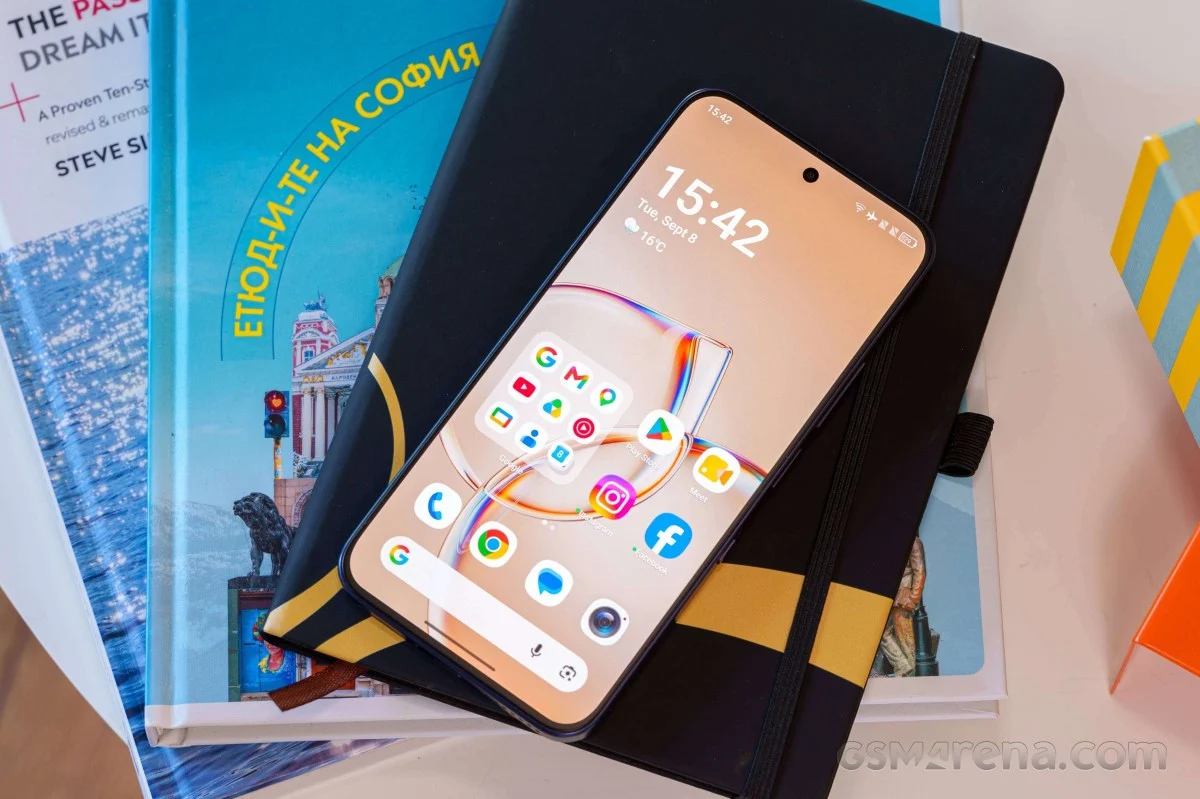
The TCL P80 Ultra has officially entered the competitive mid-range smartphone market, marking a significant technological milestone as the world’s first mobile device to integrate NxtPaper technology with an AMOLED panel. This launch represents a strategic shift for TCL, a company that has spent years refining its proprietary display technology to mitigate the ocular strain associated with high-intensity OLED screens. By combining the vibrant color reproduction of AMOLED with the matte, anti-glare properties of its NxtPaper innovation, TCL is targeting a demographic of users who demand both high-performance media consumption and prolonged reading capabilities.
Product Specifications and Market Positioning
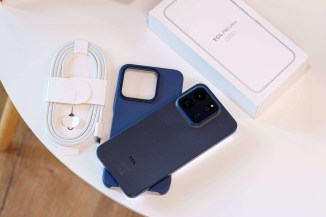
The TCL P80 Ultra arrives in a premium package that emphasizes utility and build quality. Within the box, users receive the smartphone, a high-durability braided USB cable, and a textured protective case that departs from the standard, flimsy plastic accessories often included by competitors. The device itself is available in two storage configurations: an 8GB/256GB model priced at €550 and an 8GB/512GB variant retailing for €600. This pricing structure is notably aggressive, as the €50 premium for doubling the storage capacity represents one of the most competitive upgrades currently available in the mid-range sector.
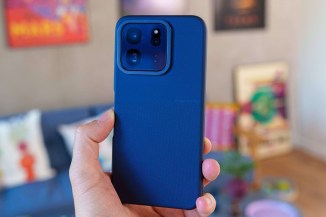
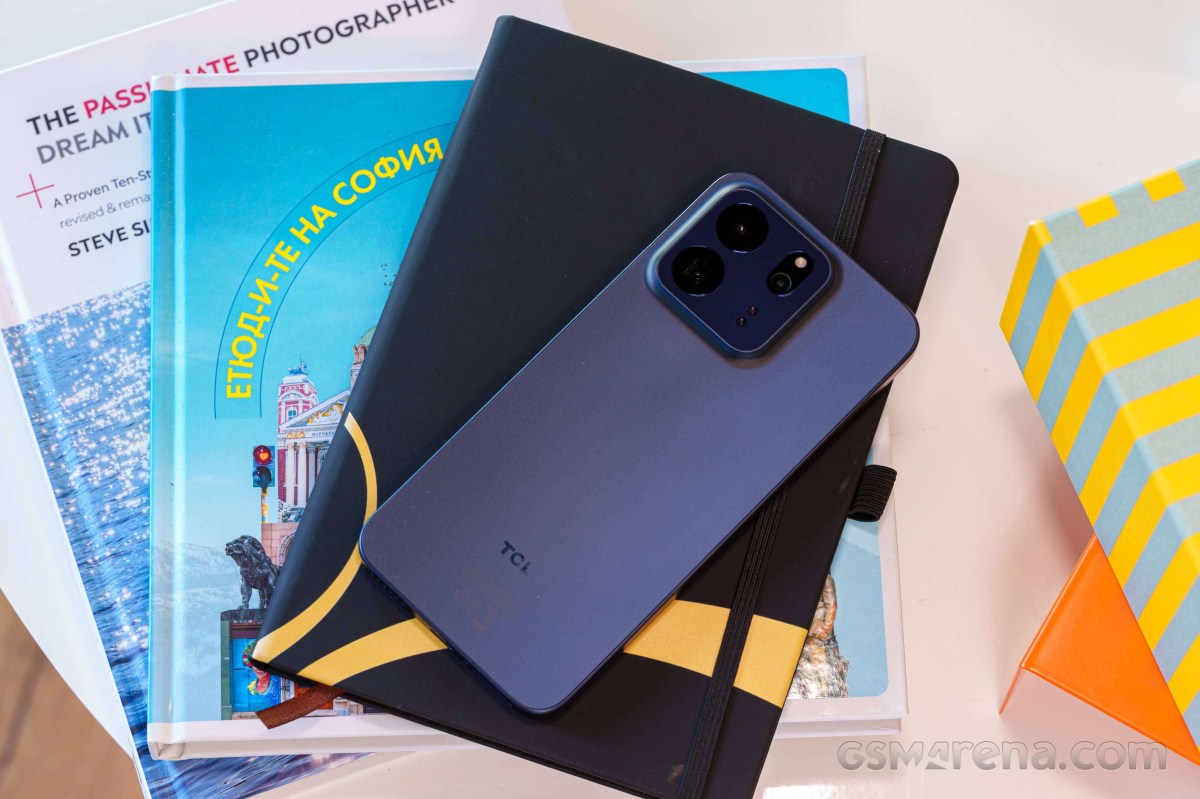
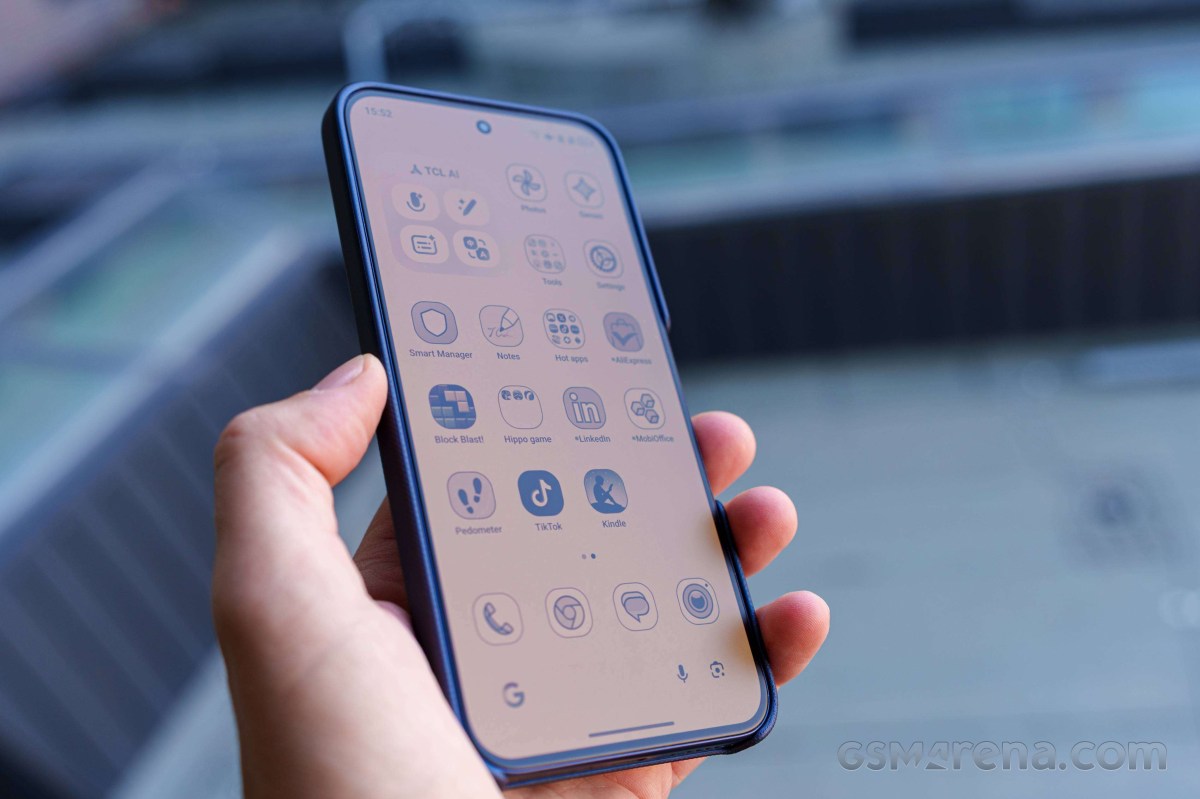
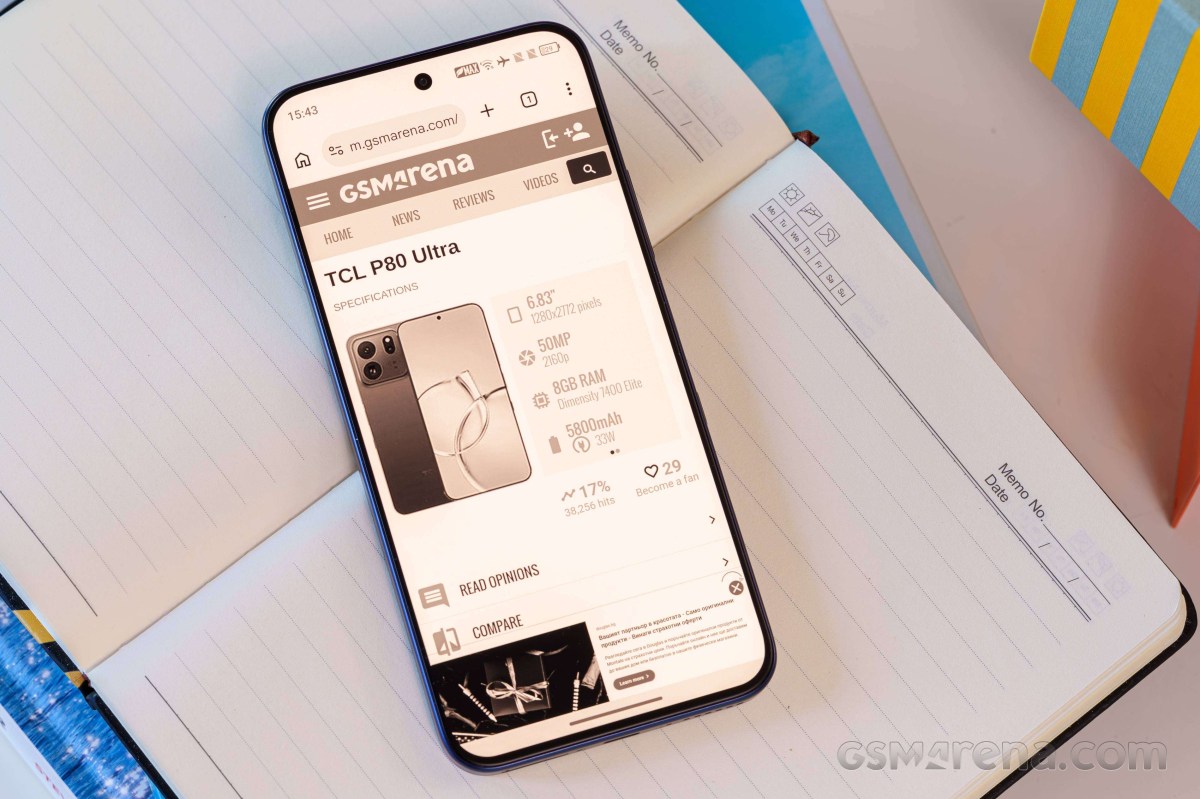
Physically, the device feels substantial, measuring 8.3mm in thickness and featuring a 6.83-inch display. The design language is characterized by a consistent matte finish across the rear, sides, and screen surface, which minimizes fingerprint smudges and enhances grip. This design choice contributes to a sophisticated, understated aesthetic, available in Midnight Blue, Sunlit Gold, and the increasingly popular Burgundy finish. Despite its larger dimensions, the inclusion of a 5,800mAh battery provides a practical trade-off, ensuring that the device can sustain its high-performance display for extended periods without frequent charging.
The Evolution of NxtPaper Technology
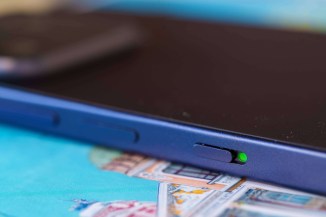
The core innovation of the P80 Ultra is the transition from standard LCD-based NxtPaper to an AMOLED implementation. Historically, NxtPaper was limited by the contrast ratios inherent in LCD panels. By shifting to an AMOLED foundation, TCL has unlocked 10-bit color depth, a 120Hz refresh rate, and a peak brightness of 3,200 nits. This represents a significant leap in display versatility, allowing the device to function as a flagship-tier media player while retaining the ability to shift into a "paper-like" reading mode at the flick of a physical slider located on the device’s side.
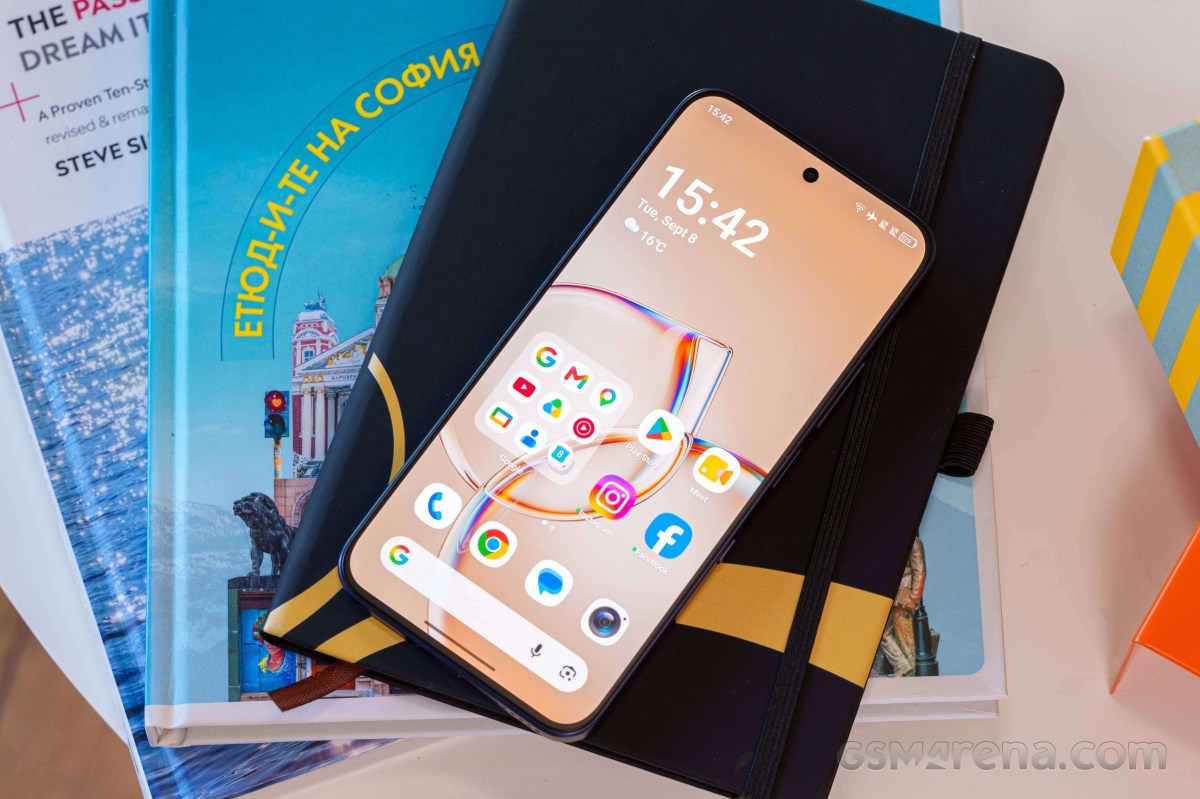
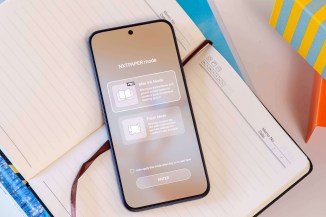
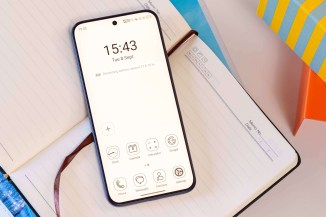
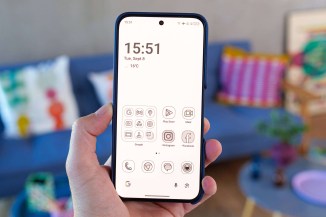
The NxtPaper integration offers two primary modes: Max Ink and Paper Mode. Max Ink is designed for digital detox and extreme power efficiency. In this state, the phone strips away color, restricts background app activity, and limits notifications to essential communications, such as calls and text messages. According to internal laboratory testing, this mode can extend the device’s battery life to approximately seven days of continuous reading. Paper Mode, by contrast, maintains the standard UI but applies a monochrome filter, mimicking the texture and light-diffusion properties of traditional e-ink displays. Users retain the flexibility to re-enable color for specific applications, such as video platforms, through system settings.
Chronology of TCL’s Display Innovation
TCL’s journey toward the P80 Ultra began several years ago, starting with the initial announcement of the NxtPaper concept at major technology trade shows. The company’s trajectory has been marked by a series of iterative improvements:
- 2020: TCL introduces the first NxtPaper technology, utilizing reflective LCD screens to reduce blue light emissions.
- 2022: The company releases the NxtPaper 10s tablet, validating the market interest in eye-care-focused hardware.
- 2023: TCL expands the technology to smartphones with the NxtPaper 40 series, though these units still relied on LCD panels.
- August 2026: The P80 Ultra is unveiled, marking the first time the company has successfully integrated this technology with an AMOLED panel, effectively solving the contrast limitations of previous iterations.
Analysis of User Experience and Software Integration
The P80 Ultra’s user experience is defined by the seamless transition between its high-fidelity AMOLED mode and the specialized reading modes. The inclusion of a dedicated physical slider provides a tactile, reliable interface for toggling these settings, which avoids the frustration of navigating complex software menus. Furthermore, the inclusion of a pre-loaded reader application containing 500 free titles underscores TCL’s attempt to position the device as a dual-purpose tool—a smartphone and a dedicated e-reader.
While the hardware is highly regarded, the software ecosystem remains a work in progress. The current reader application, while providing a substantial library, lacks advanced search and sorting functionalities, which may hinder power users who maintain large personal digital libraries. However, the integration of AI-driven features—such as text-to-speech capabilities that convert books into audiobooks or simulated podcasts—demonstrates that TCL is actively exploring ways to enhance the software suite beyond simple text display.
Broader Market Implications
The launch of the P80 Ultra comes at a time when consumer interest in "minimalist" and "eye-care" technology is rising. With global screen time averages continuing to climb, the P80 Ultra offers a unique value proposition: it does not force the user to choose between a high-end smartphone experience and the health benefits of e-ink technology. By providing both in a single, well-built chassis, TCL is challenging the established norms of the mid-range smartphone segment.
Industry analysts suggest that if the P80 Ultra achieves sustained commercial success, other manufacturers may be forced to address the growing demand for display versatility. Most contemporary flagship devices prioritize peak brightness and color saturation above all else, often ignoring the physiological fatigue caused by prolonged exposure to standard OLED panels. TCL’s willingness to prioritize the user’s long-term comfort while maintaining premium specifications like 120Hz refresh rates and high peak brightness signals a potential shift in how hardware designers will approach display technology in the coming years.
Conclusion and Future Outlook
The TCL P80 Ultra is an unconventional entry that bridges the gap between functional technology and user-centric design. While it faces stiff competition in the price-sensitive mid-range market, its unique display capabilities provide it with a distinct competitive advantage. The device succeeds in delivering a premium feel, solid battery performance, and an innovative display architecture that addresses one of the most overlooked aspects of the modern digital lifestyle: eye comfort. As TCL continues to refine the software supporting its NxtPaper ecosystem, the P80 Ultra stands as a testament to the potential of display-first innovation in an era of incremental smartphone updates. Whether this will lead to a new category of "hybrid" devices remains to be seen, but the P80 Ultra has undeniably set a new benchmark for what is possible in the mid-range mobile market.