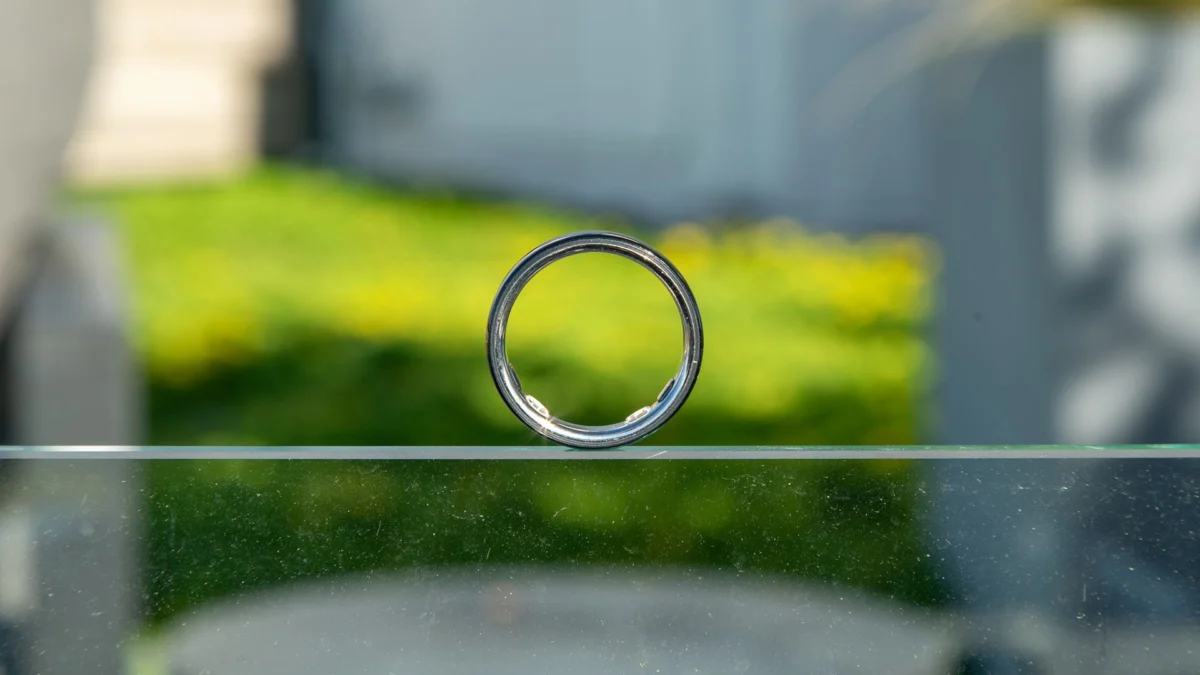
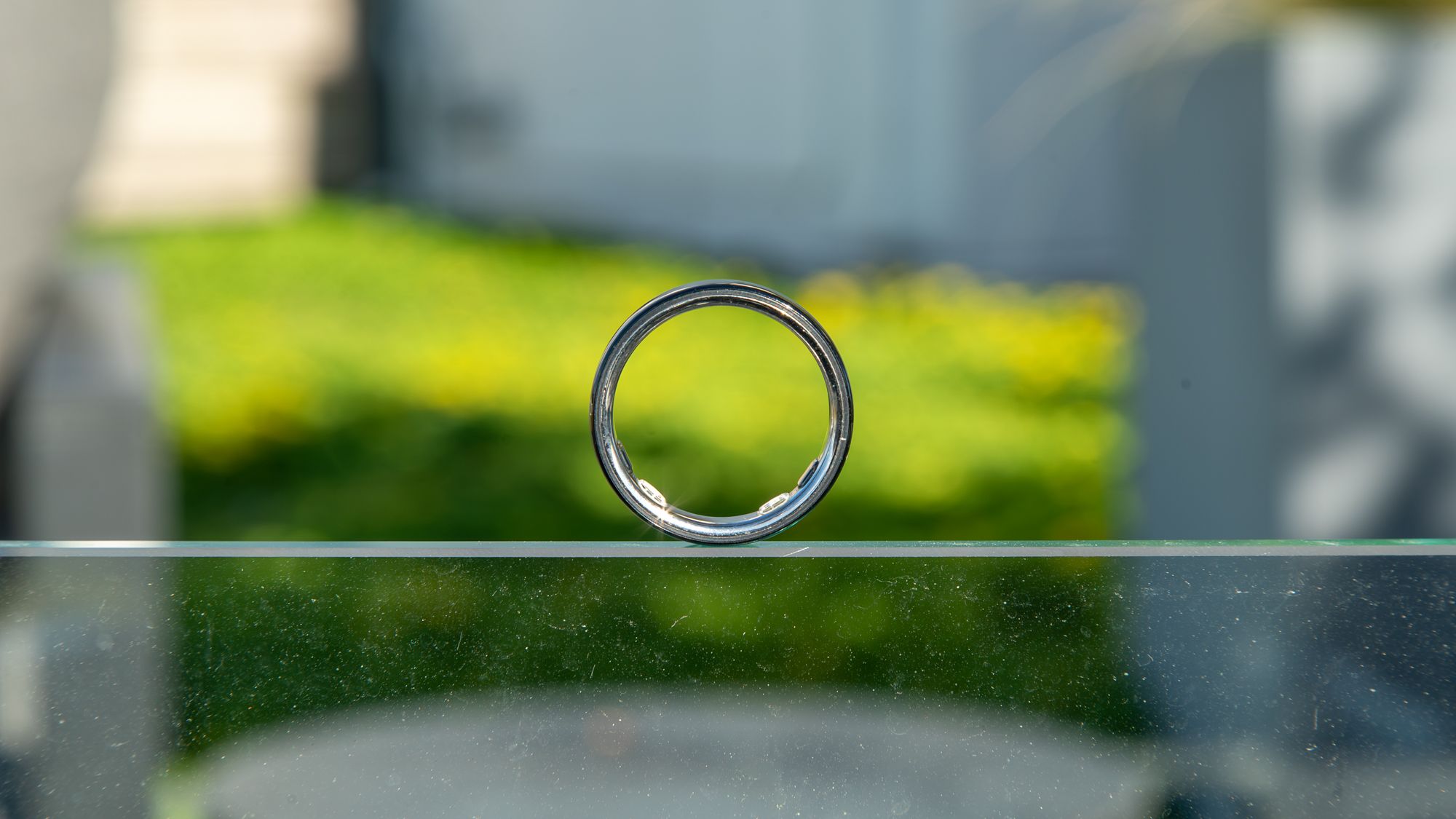
Smart ring market leader Oura has escalated its ongoing legal battle with competitor Ultrahuman, filing a fresh patent infringement lawsuit that threatens to disrupt the latter company’s commercial return to the United States market. The legal action centers on Ultrahuman’s newly launched flagship wearable, the Ring Pro, and targets several core hardware components that Oura claims unlawfully replicate its proprietary design and engineering.
The escalating tensions between the two prominent health-wearable manufacturers highlight the fierce competition in the rapidly growing smart ring sector. As biometric monitoring devices transition from niche wellness gadgets into mainstream health accessories, intellectual property disputes have increasingly become a primary battleground for market dominance.
Anatomy of the Lawsuit and Allegations
According to court filings and industry reports, Oura’s latest legal challenge accuses Ultrahuman of infringing on multiple patents concerning both the structural design and internal architecture of smart rings. Specifically, Oura alleges that the Ultrahuman Ring Pro unauthorizedly utilizes patented designs for curved internal batteries, specialized circuit board layouts, micro-sensors, and internal magnet configurations.
The timing of the lawsuit has drawn notable attention from legal and tech industry analysts. Oura was officially granted patent number 12,769,363—covering vital internal component configurations—on October 20. Just two days later, Oura formally initiated the lawsuit in federal court, concurrently seeking substantial monetary damages alongside injunctive relief designed to block the sale and distribution of the Ring Pro in key territories.
An official spokesperson for Oura pulled no punches when addressing the situation publicly, stating that Ultrahuman maintains a persistent history of leveraging Oura’s research and development. The representative pointed to a previous International Trade Commission (ITC) ruling against Ultrahuman in 2025 as evidence of a pattern of intellectual property appropriation, asserting that despite introducing a redesigned physical shell for the Ring Pro, the company failed to rectify the underlying patent infringements.
Ultrahuman’s Defense and Market Retaliation
Ultrahuman leadership has vehemently denied the allegations, framing the lawsuit as an aggressive and opportunistic maneuver by an established market leader attempting to stifle legitimate competition.
Mohit Kumar, co-founder and CEO of Ultrahuman, addressed the legal challenge directly, highlighting the unusual proximity between the patent’s issuance and the filing date of the lawsuit. Kumar emphasized that Oura strategically chose to assert a freshly minted patent secured merely 48 hours prior to the litigation. Despite the legal headwinds, Kumar confirmed that existing judicial rulings have not imposed an immediate nationwide injunction, allowing the Ultrahuman Ring Pro to remain available to consumers across the United States for the time being.
The current dispute represents only the latest chapter in a prolonged, multi-jurisdictional intellectual property feud between the two companies. The rivalry turned sharply litigious in 2025 when Ultrahuman launched its own counter-offensive by suing Oura. In that action, Ultrahuman accused Oura’s Ring 4 of appropriating foundational smart ring technology, specifically targeting algorithms and hardware integrations related to advanced sleep tracking, circadian rhythm analysis, and specialized women’s health monitoring tools. At the time, Ultrahuman positioned itself not merely as a litigant defending corporate assets, but as a champion of open health data ecosystems and an advocate for technological innovation originating from India on the global stage.
Philosophical and Business Model Divides
Beyond patents and hardware specifications, the Oura-Ultrahuman rivalry is underpinned by a fundamentally divergent business philosophy regarding consumer monetization.
Oura has long operated on a hybrid hardware-and-service model. While consumers pay a premium price upfront for the titanium ring itself, unlocking comprehensive long-term data insights, trend analysis, and advanced health metrics requires a continuous monthly subscription fee. This recurring revenue model has proven highly lucrative for Oura, establishing a steady stream of income that supports ongoing software development and brand expansion.
In contrast, Ultrahuman has aggressively courted budget-conscious and subscription-fatigued consumers by offering its comprehensive feature suite entirely free of recurring paywalls. Through its proprietary "PowerPlugs" software architecture, Ultrahuman delivers continuous health updates, biomarker tracking, and AI-driven insights without locking core functionality behind a subscription barrier.

Recent Technological Advancements and Ecosystem Expansion
Despite the looming threat of U.S. import restrictions and ongoing litigation, Ultrahuman has continued to aggressively push forward with hardware and software rollouts designed to enhance the value proposition of the Ring Pro.
Earlier in October, the company introduced "Heart Scan," a specialized diagnostic feature engineered for the Ring Pro. This tool requires only a sixty-day—or rather, sixty-second—snapshot assessment to provide users with immediate, critical insights regarding cardiovascular status. Furthermore, Ultrahuman solidified a landmark partnership with HealthEx, an integration that allows users to seamlessly sync their official medical records directly into the Ultrahuman application. By bridging the gap between consumer wearable data and clinical medical histories, the platform enables users to directly compare their ring’s biometric trends against lab results, fostering more informed conversations with healthcare providers.
The Ring Pro itself entered the market boasting an impressive 15-day battery life and integration with "Jade AI," an advanced bio-intelligent assistant designed to interpret complex physiological signals in real-time. These innovations were intended to serve as Ultrahuman’s triumphant reentry into the United States consumer market following previous regulatory and import hurdles that had severely constrained its domestic presence.
Broader Industry Implications and Future Outlook
The legal clash between Oura and Ultrahuman carries significant implications for the broader wearable technology landscape. As smart rings rapidly displace traditional fitness bands and smartwatches as the preferred form factor for passive, round-the-clock health tracking, intellectual property protection has transformed from a passive legal formality into a weaponized barrier to entry.
For Oura, successfully halting the distribution of the Ring Pro would preserve its dominant market share and reinforce the defensibility of its premium pricing model. Conversely, if Ultrahuman successfully navigates the litigation and maintains its U.S. sales channels, it validates the viability of competing against established category creators through aggressive pricing, subscription-free models, and rapid feature iteration.
As the litigation proceeds through the court system, both companies remain locked in a high-stakes race of technological innovation and legal maneuvering. The outcome of this dispute will likely set a critical legal precedent for how hardware miniaturization, sensor placement, and internal component designs are protected across the entire consumer health-tech industry.