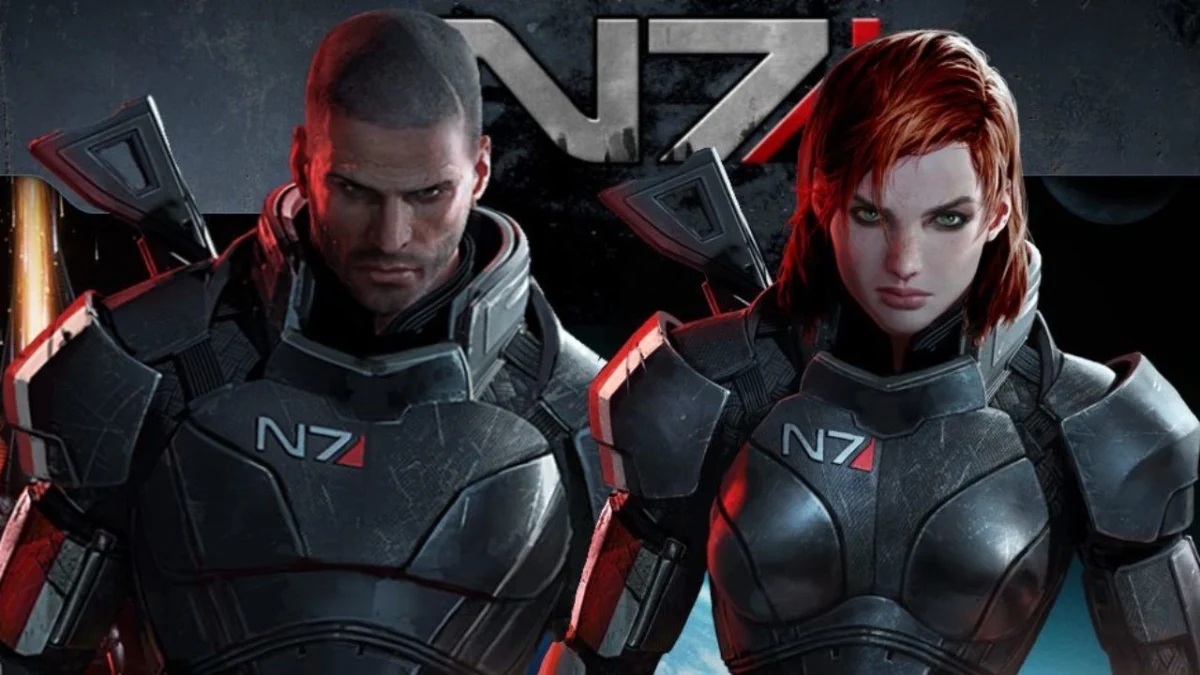
The recent developments surrounding BioWare, the legendary studio behind iconic role-playing franchises such as Mass Effect, Dragon Age, and Knights of the Old Republic, have sent shockwaves through the gaming community. As the industry faces a period of unprecedented consolidation, layoffs, and corporate restructuring, the voices synonymous with the Commander Shepard identity—Jennifer Hale and Mark Meer—have publicly addressed the mounting concerns regarding the studio’s longevity and the broader implications for the development sector. Their comments, delivered during an Instagram Live session on October 21, underscore the growing disconnect between the creative labor force that builds beloved intellectual properties and the financial entities that now control them.
A Legacy of Innovation in the Canadian Heartland
BioWare’s impact on the medium of interactive entertainment is difficult to overstate. Founded in 1995 in Edmonton, Alberta, by medical doctors Ray Muzyka and Greg Zeschuk, the studio became a beacon for high-fidelity storytelling and player agency. For decades, it served as a primary economic and creative hub for the Canadian game development industry, fostering talent that would go on to shape modern RPG design.
The studio’s rise was marked by critical and commercial triumphs. From the tactical depth of Baldur’s Gate to the sweeping space operas of Mass Effect, BioWare established a brand identity rooted in complex morality, deep character development, and immersive world-building. However, the studio’s journey from an independent pioneer to a subsidiary of Electronic Arts (EA) represents a broader historical shift within the gaming industry: the transition from developer-led creative houses to consolidated corporate divisions managed under the mandates of publicly traded conglomerates.
Timeline of Contraction and Consolidation
The current anxiety surrounding BioWare is part of a larger trend of industry-wide downsizing that has persisted throughout 2023 and 2024. Data from industry trackers, including Game Industry Layoffs, indicates that tens of thousands of roles have been eliminated across the tech and gaming sectors in recent months.
For BioWare, the decline has been gradual yet perceptible. Following the departure of its founders in 2012, the studio faced significant challenges, including the mixed reception of Mass Effect: Andromeda and the commercial underperformance of Anthem. In August 2023, the studio announced a reduction in its workforce, affecting approximately 50 employees. This decision, framed by leadership as a necessary step to maintain agility and quality, signaled a shift in the studio’s operational scale. As reports circulate regarding the potential for further restructuring, the voices of its long-term collaborators serve as a poignant reminder of the human cost associated with these corporate maneuvers.

The Perspective of the Shepard Duo
During their recent discussion, Jennifer Hale, who provided the voice for the female Commander Shepard, expressed a mix of melancholy and cautious optimism. Hale emphasized the tragedy of the job losses, highlighting the "beautiful team members" who are currently seeking new employment. Her critique focused on the nature of current ownership, noting that investment firms and large-scale entities may lack an appreciation for the cultural significance of the intellectual properties they hold.
"It’s really hard to think about BioWare being shut down, but it was in the hands of ownership that may not have understood what BioWare fully is," Hale stated. She posited that the current climate of consolidation—where companies consume one another until they become massive, often unstable "blobs"—is driven primarily by profit margins rather than creative intent. However, she suggested that when such entities reach a point of failure, the talent embedded within them often disperses, potentially "reseeding" the industry with new, innovative ventures.
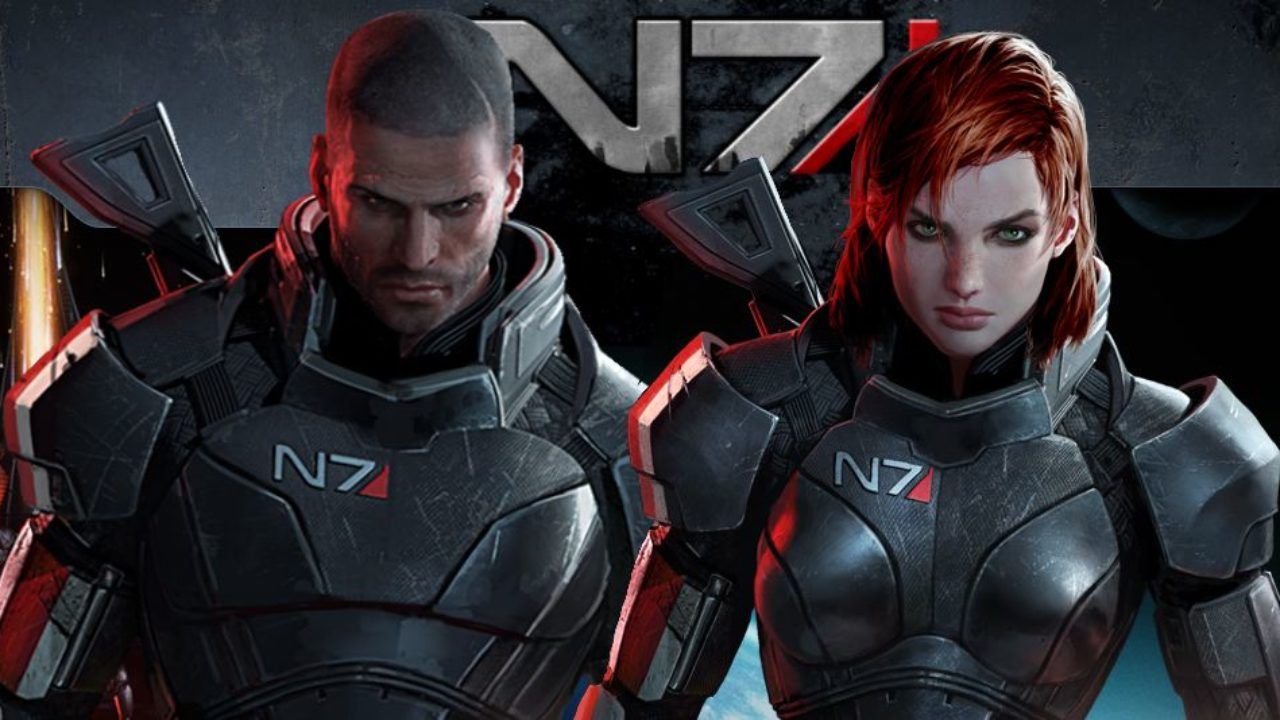
Mark Meer, the voice of the male Commander Shepard, provided a localized perspective, emphasizing the loss for the city of Edmonton. For Meer, BioWare was more than just a developer; it was a cornerstone of the regional creative community. His focus remains on the resilience of the fanbase, noting that the community serves as the ultimate custodian of the Mass Effect legacy. "Mass Effect is going to be around as long as the fans keep it alive," Meer noted, confirming that the community intends to proceed with celebrations for N7 Day and the upcoming 20th anniversary of the franchise in 2025, regardless of the corporate status of the studio.

Economic Realities and the Challenge of IP Ownership
The suggestion that a community-led effort, such as a Kickstarter, could reclaim the rights to the Mass Effect franchise faces significant structural hurdles. While crowdfunding has successfully launched independent projects like Pillars of Eternity, the financial requirements to acquire and maintain a triple-A intellectual property are immense. Historically, major publishers like EA maintain tight control over their assets.
Furthermore, the "stewardship" model of large publishers has been a subject of intense debate. EA’s treatment of legacy franchises, such as Ultima—which has seen little activity for over two decades—serves as a cautionary tale for fans concerned about the preservation of BioWare’s catalog. The economic reality is that for a massive corporation, a series that does not meet specific quarterly growth targets may be sidelined or abandoned, even if it retains significant cultural value.
Broader Implications for the Gaming Sector
The instability facing BioWare is a microcosm of a wider struggle within the gaming industry regarding the sustainability of the "blockbuster" development model. As development budgets for titles like Dragon Age: The Veilguard or the next Mass Effect swell to hundreds of millions of dollars, the margin for error shrinks. This pressure leads to risk-averse decision-making, where established IPs are prioritized over original concepts, and labor forces are treated as variable costs to be adjusted based on project cycles.
The potential for government intervention, such as the calls for the Canadian government to support the studio’s employees in forming an independent entity, remains a debated, if unlikely, solution. While such models exist in other sectors, the complexities of international copyright law and the global nature of digital distribution make the nationalization of game studios a logistical challenge.
Moving Toward an Uncertain Horizon
As the industry looks to the future, the sentiment expressed by Hale and Meer highlights a profound shift in how creators view their roles. They no longer see themselves as employees of a singular institution, but as participants in a larger, evolving ecosystem. The "implosion" of major corporate entities may indeed result in the formation of smaller, more sustainable studios, but this transition period is undeniably painful for those directly affected.
For the fans of BioWare, the message from the voices of Shepard is one of continuity. While the corporate entity known as BioWare may be subject to the whims of the market, the stories, characters, and community that grew around them have a life of their own. As the studio enters its next chapter, the focus remains on whether the industry can find a way to honor the creative legacy of these pioneers without sacrificing the livelihoods of the people who make these digital worlds a reality. The path forward remains obscured, but the dedication of the creators and the community suggests that the spirit of these stories will endure, even if the institutions that birthed them undergo permanent transformation.