The field of cutlery metallurgy has long been shrouded in proprietary data and marketing jargon, leaving both professional knifemakers and enthusiasts to rely on anecdotal evidence or manufacturer-supplied specifications that often lack comparative context. However, a significant shift toward empirical transparency is currently reshaping the industry. Recent advancements in metallurgical testing and the development of predictive modeling have enabled a more systematic approach to understanding how elemental compositions—specifically carbon, chromium, and vanadium—dictate the primary performance characteristics of knife steel: edge retention, toughness, and corrosion resistance. By analyzing the correlation between chemical makeup and experimental results, researchers are now able to provide a framework that demystifies steel performance, allowing for reasonable estimates of a steel’s utility before a single blade is forged or ground.
The Evolution of Metallurgical Transparency in the Cutlery Industry
Historically, the data required to compare different steel grades was closely guarded by major manufacturers such as Crucible Industries, Uddeholm, and Carpenter Technology. While these companies provided data sheets for their respective products, they rarely offered direct comparisons with competitors’ offerings. Furthermore, these data sheets often contained gaps, frequently omitting critical experimental results regarding wear resistance or impact toughness. This lack of standardized, third-party data forced the knife industry to rely on "general knowledge" that was sometimes inaccurate or oversimplified.
The chronology of this shift toward data-driven analysis began in earnest over the last decade, as independent metallurgical testing became more accessible. The introduction of standardized testing methods, such as the Cutlery and Allied Trades Research Association (CATRA) edge retention test and the Charpy C-notch toughness test, provided a baseline for objective comparison. More recently, the development of complex mathematical equations—incorporating factors like carbide volume, carbide type, and steel hardness—has moved the industry closer to a predictive science. This evolution has culminated in the current effort to simplify these complex interactions into accessible correlations that the average enthusiast can use to evaluate a steel’s potential based on its published elemental composition.
Edge Retention and the Role of Carbide Morphology
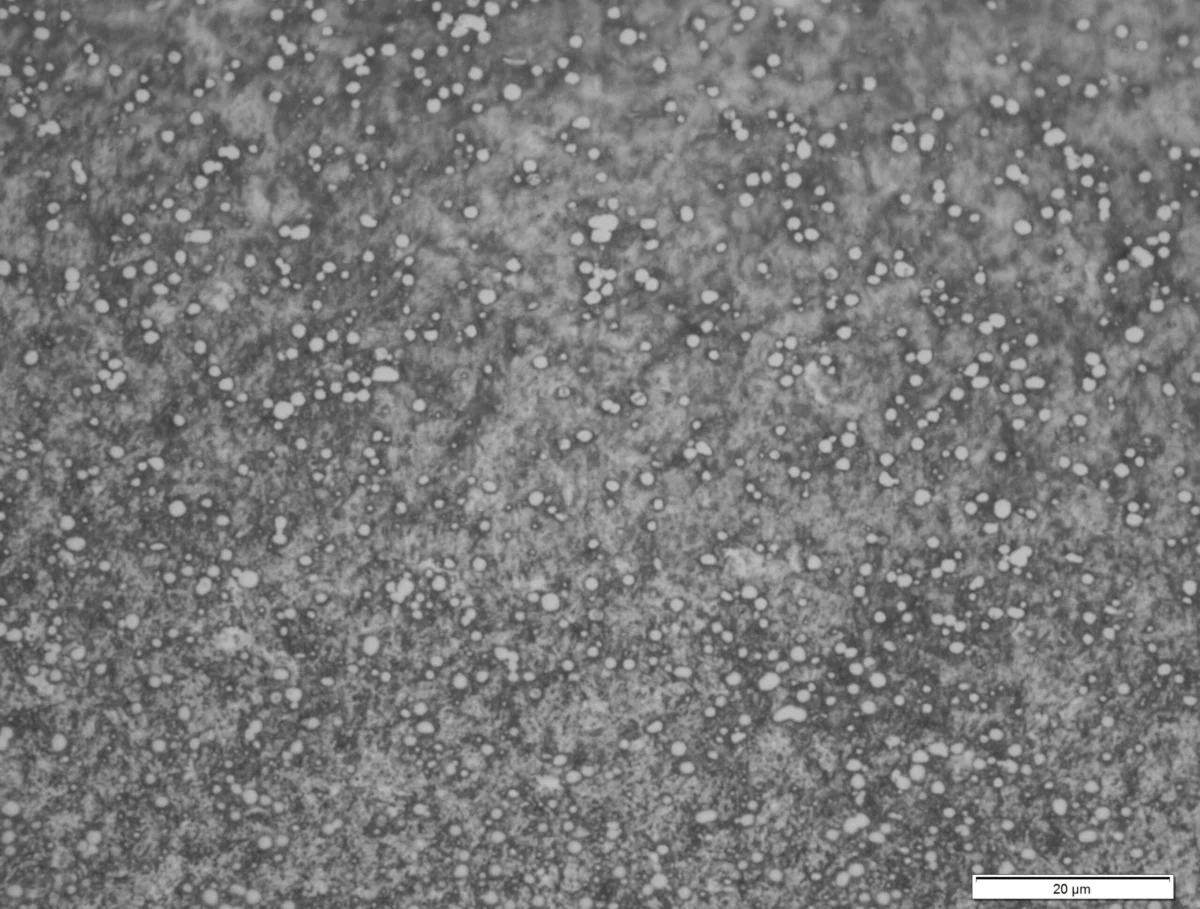
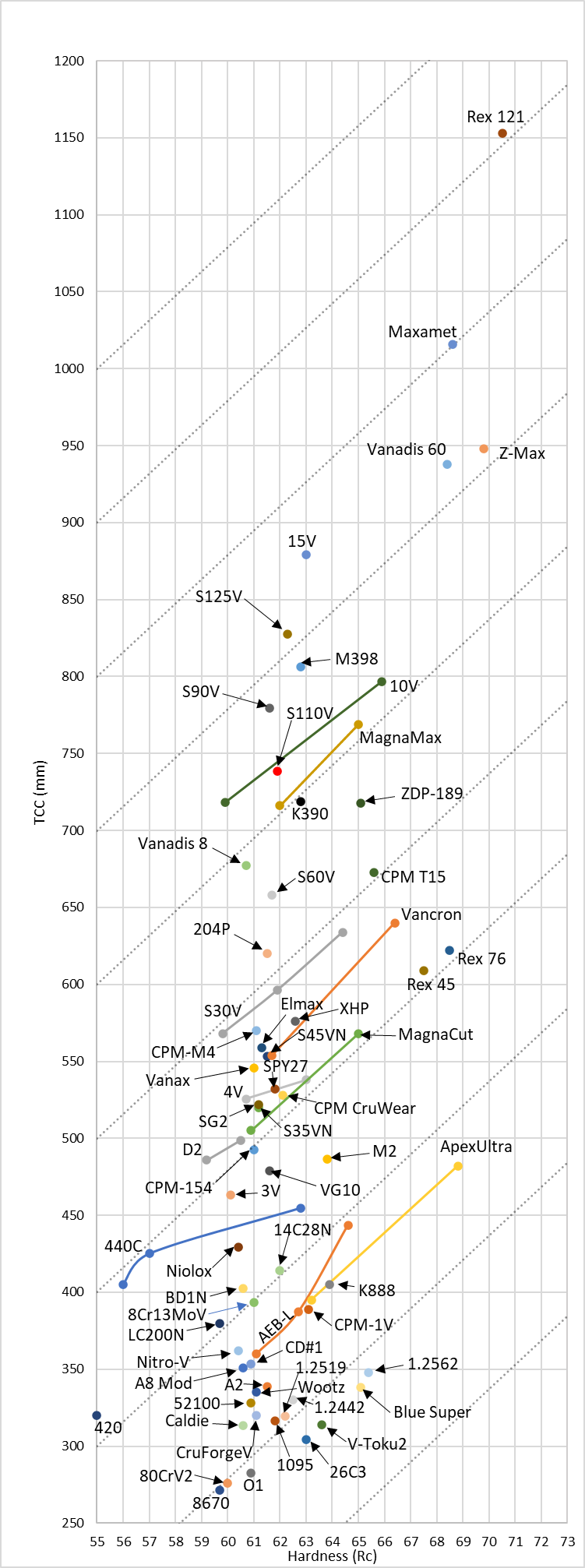
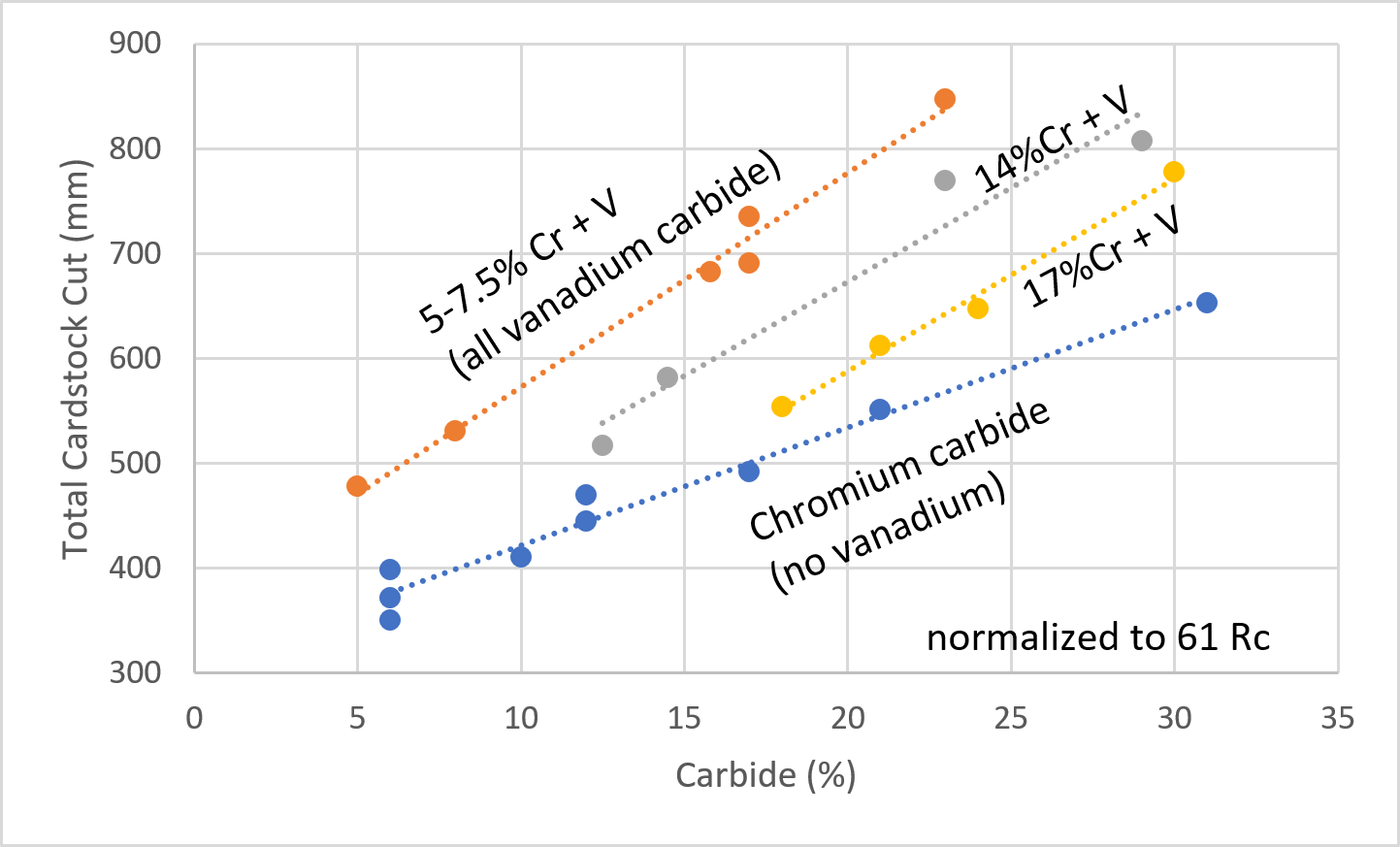
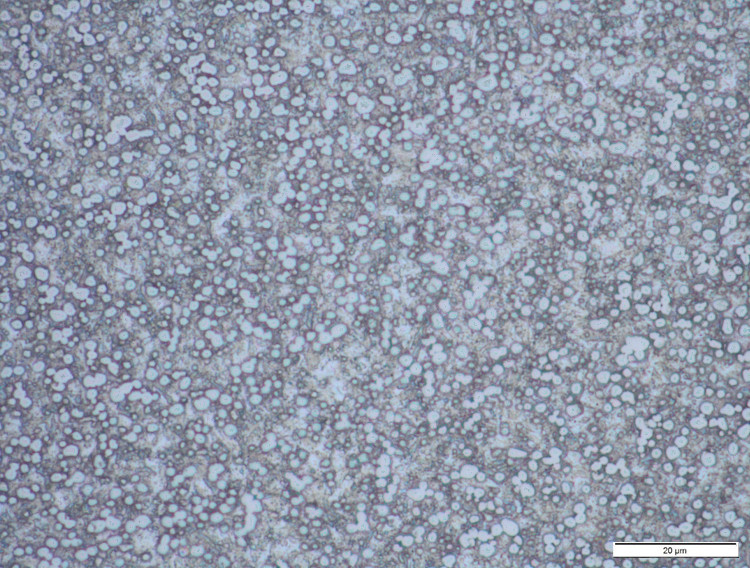
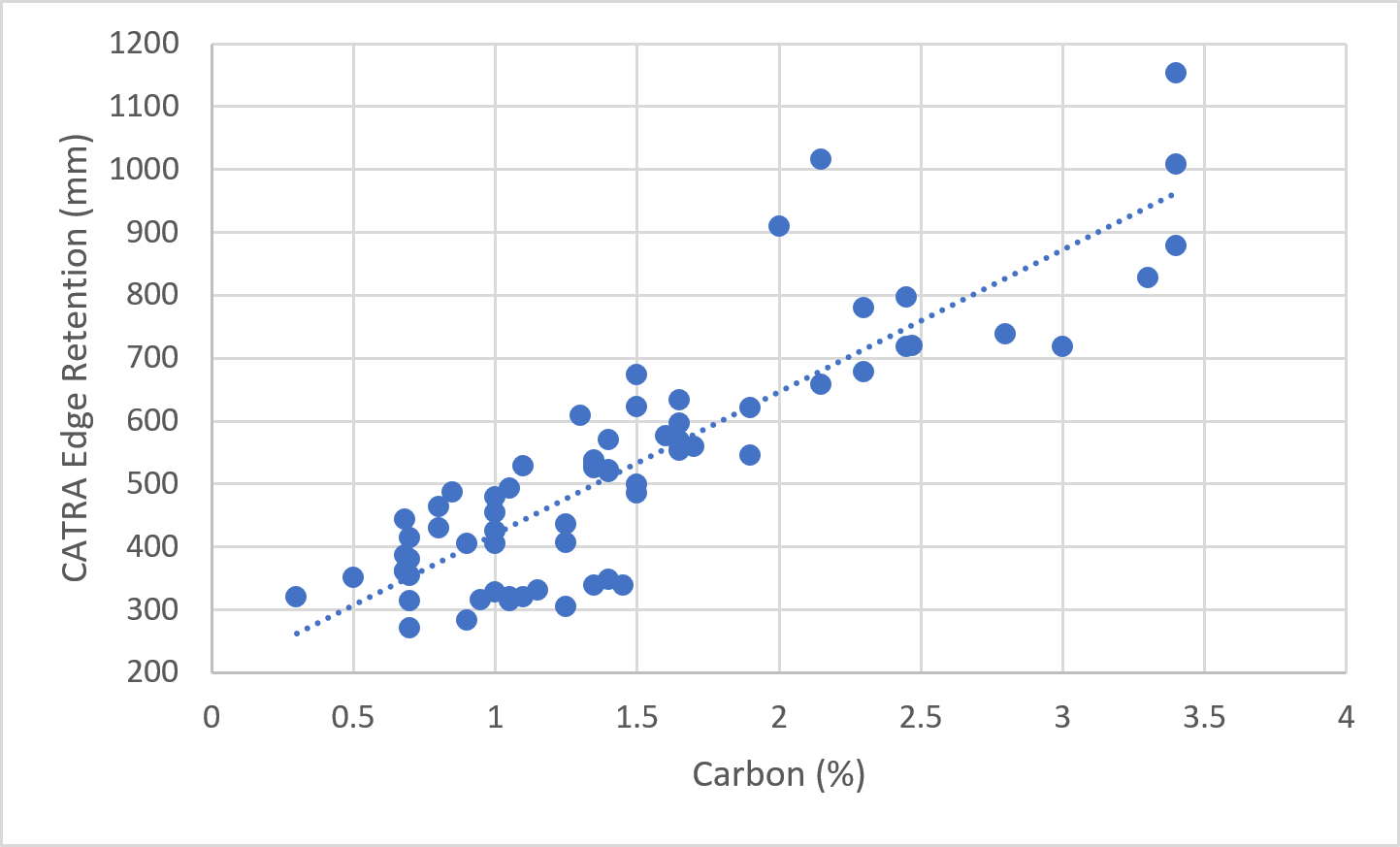
Edge retention is frequently cited as the most desirable trait for high-end cutlery, yet it is often the most misunderstood. Through extensive CATRA testing, which measures the total millimeters of cardstock cut by a blade under controlled conditions, a clear correlation has emerged between a steel’s carbon content and its wear resistance. However, carbon does not act alone; its primary role in high-alloy steels is to react with other elements to form carbides—hard particles that act like "bricks" within a softer steel "mortar."
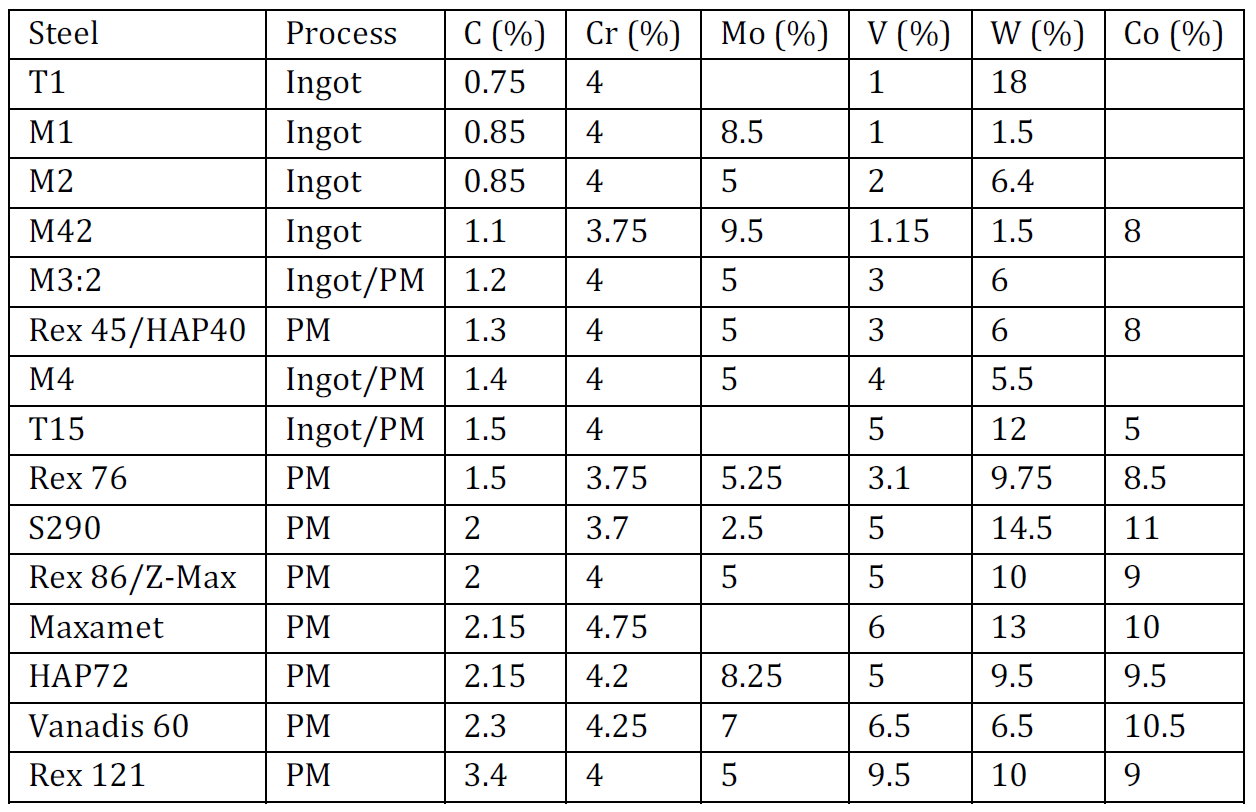
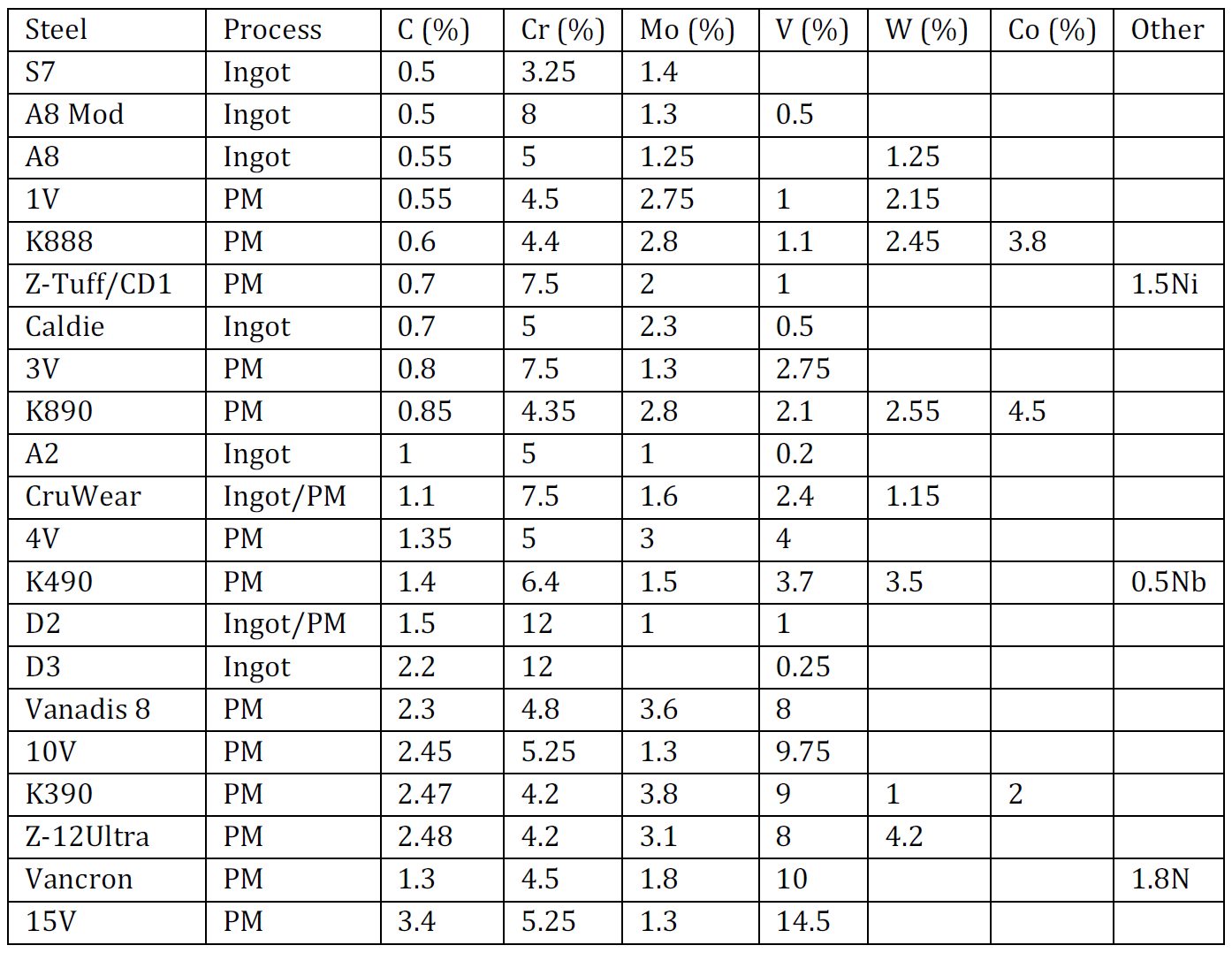
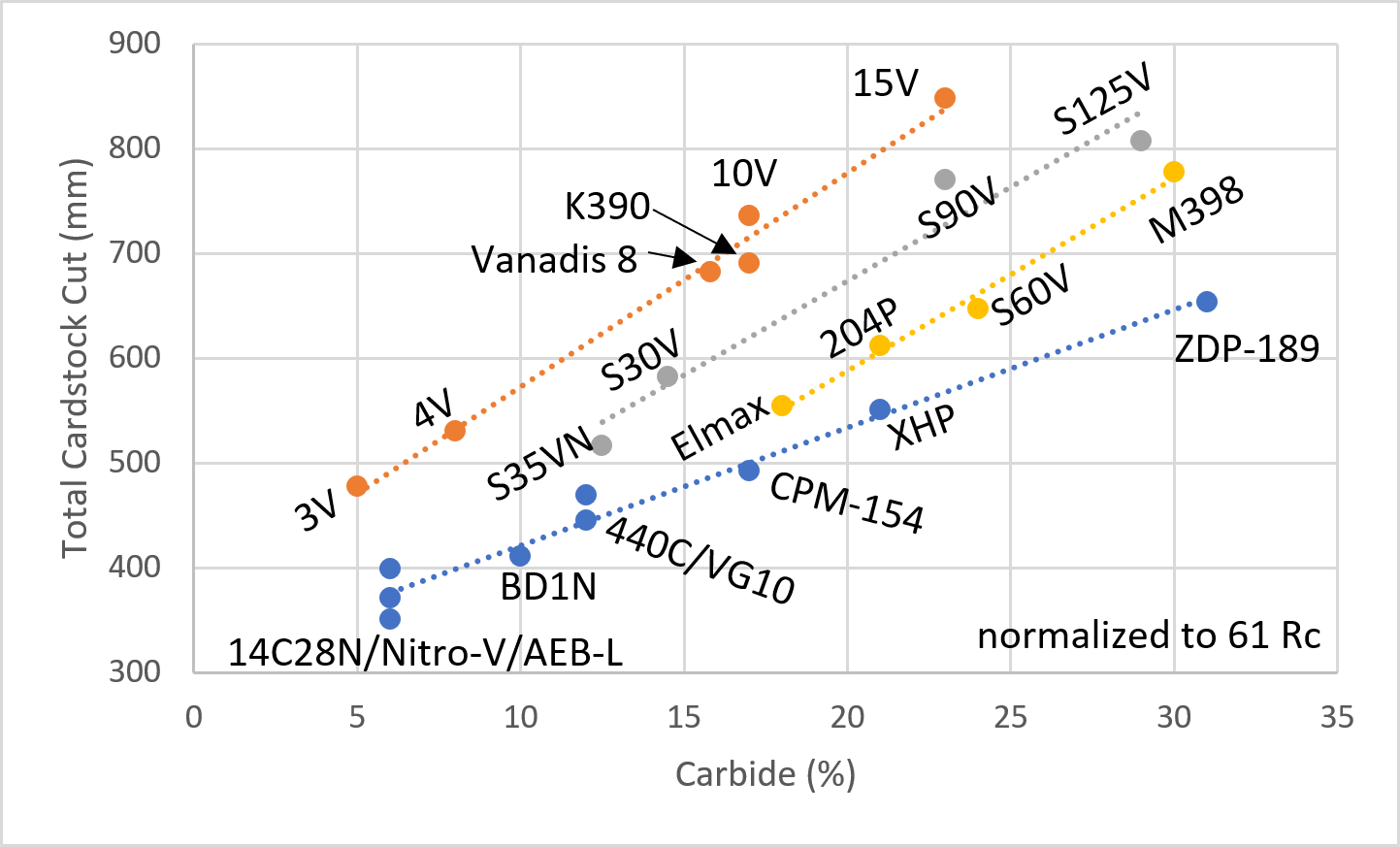
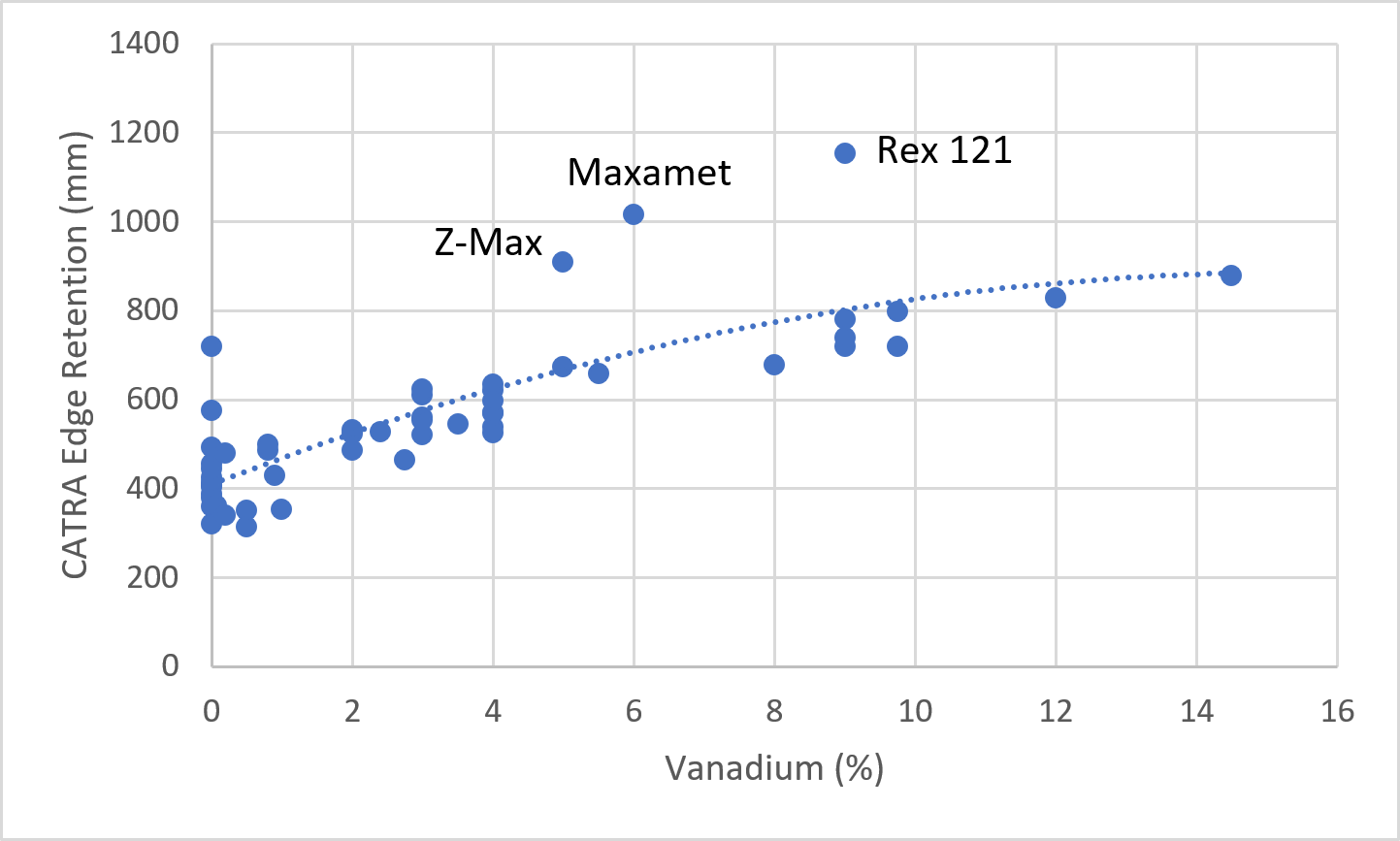
The type of carbide formed is critical. Vanadium carbides, for instance, are significantly harder than chromium carbides. Consequently, steels with even small additions of vanadium (typically in the 2% to 4% range) often exhibit superior edge retention compared to high-chromium steels with similar carbon levels. Data suggests that in steels with low chromium (5% to 7.5%), vanadium additions form extremely hard vanadium carbides that have a disproportionately strong effect on wear resistance. Conversely, in stainless steels where chromium levels exceed 12%, the formation of softer chromium carbides requires a higher total carbide volume to achieve comparable edge retention.
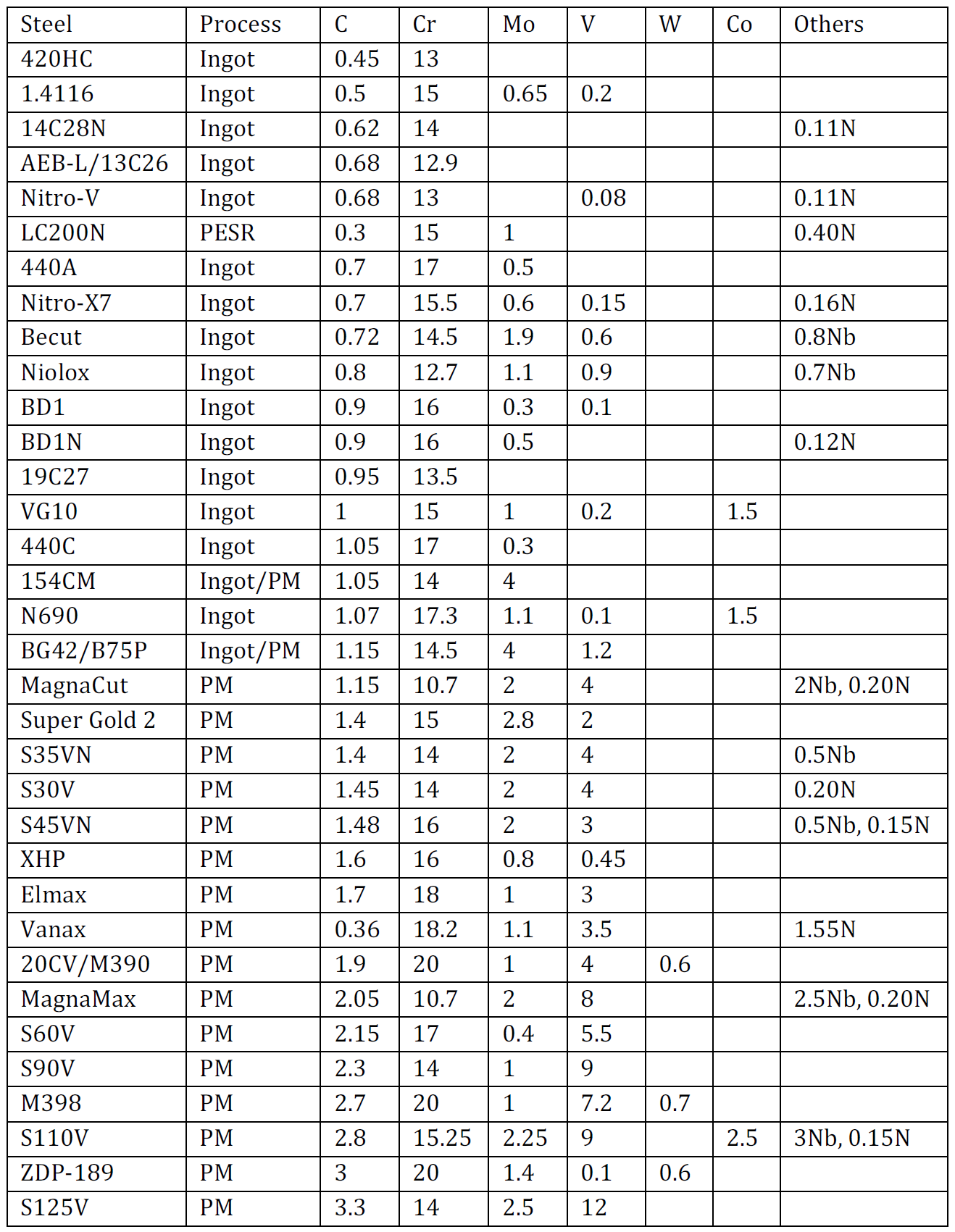
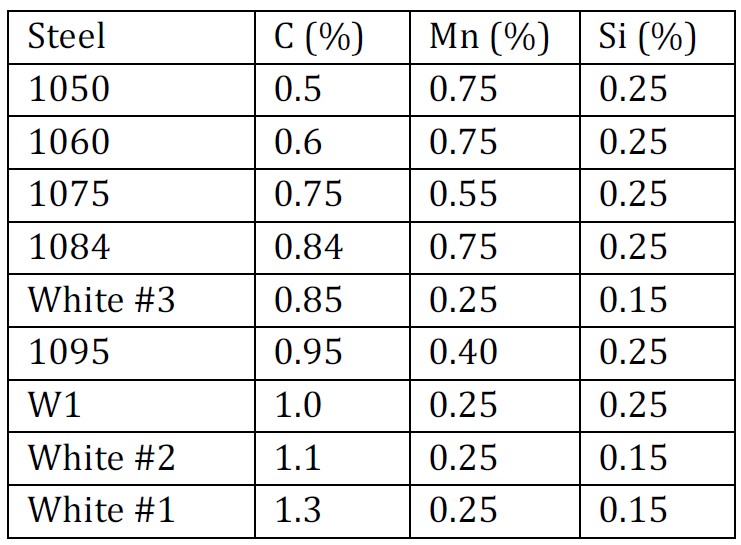
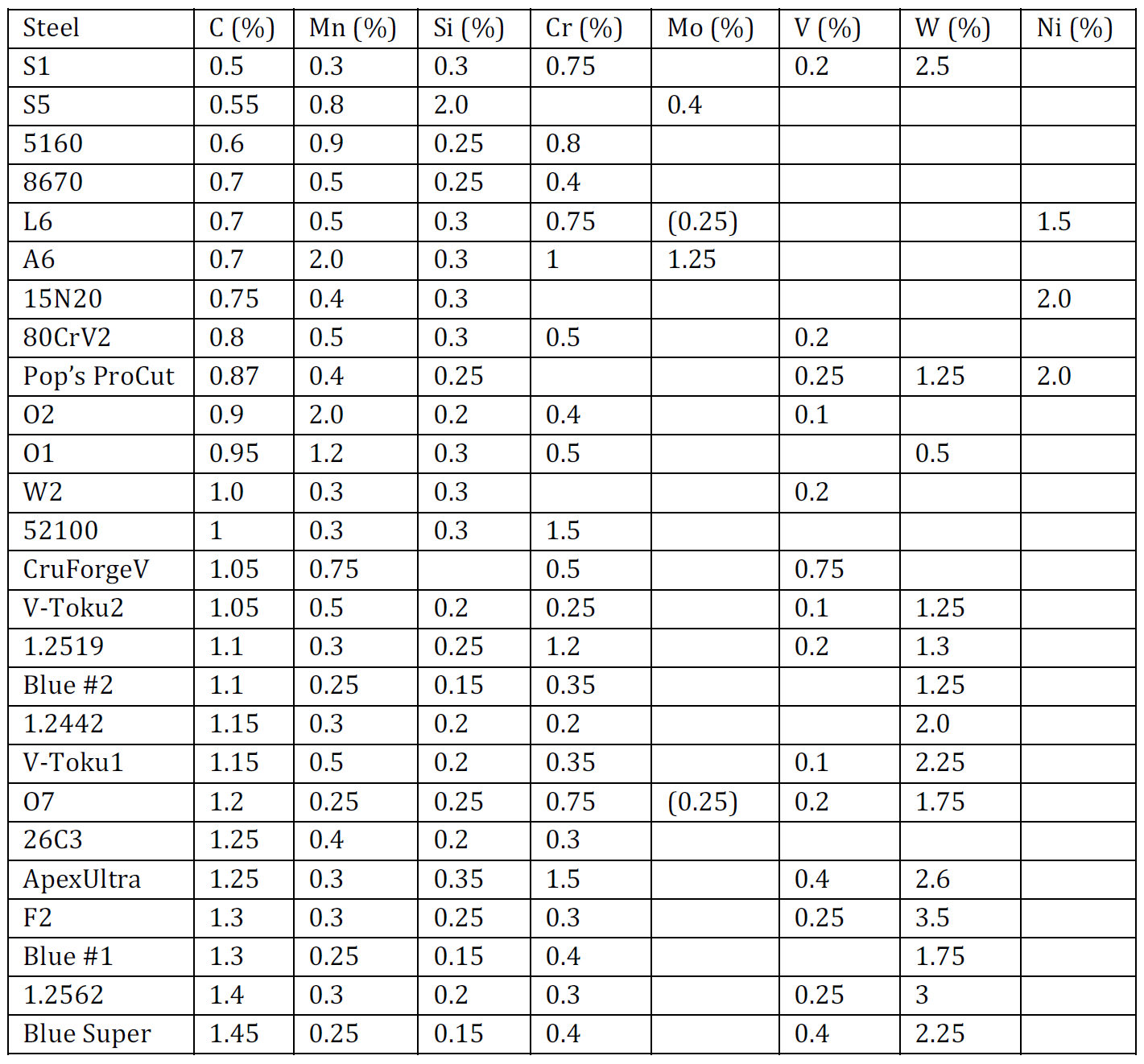
To estimate edge retention based on composition, a tiered approach is employed. For low-alloy steels (those with less than 2% total alloying elements), edge retention is generally low, regardless of carbon content, because they form relatively soft iron carbides known as cementite. For high-alloy and stainless steels, the estimate is derived from the carbon content: a steel with 1% carbon typically yields approximately 350mm to 400mm of CATRA cut distance, while a high-vanadium steel with 2.5% carbon can exceed 800mm. The presence of tungsten and molybdenum further complicates these predictions, as seen in high-speed steels like Rex 121 or Maxamet, which are designed for extreme hardness (often exceeding 68 HRC) and contain a complex matrix of primary carbides that defy standard low-alloy correlations.
Structural Integrity and the Paradox of Toughness
While edge retention is driven by the presence of hard particles, toughness—the ability of a steel to resist chipping or breaking under impact—is often compromised by those same particles. The relationship between toughness and composition is largely a function of carbide volume and size. As carbon and alloy content increase to improve wear resistance, the resulting increase in carbide volume creates more sites for crack initiation, thereby reducing toughness.
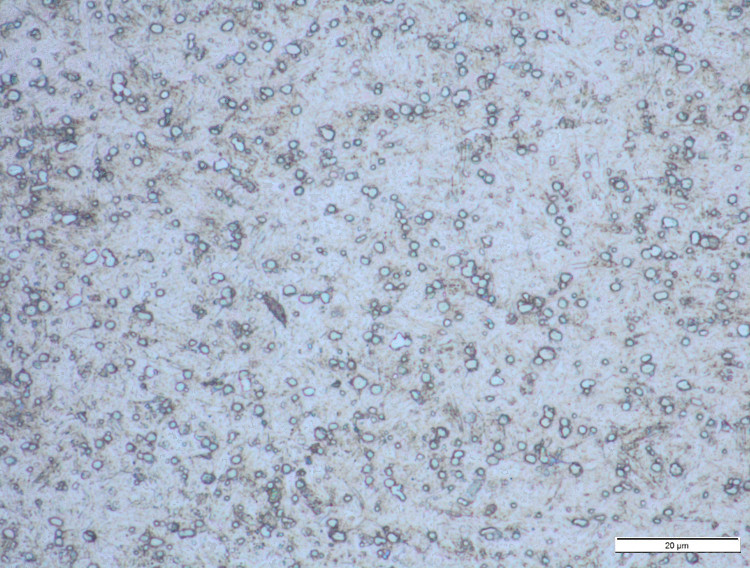
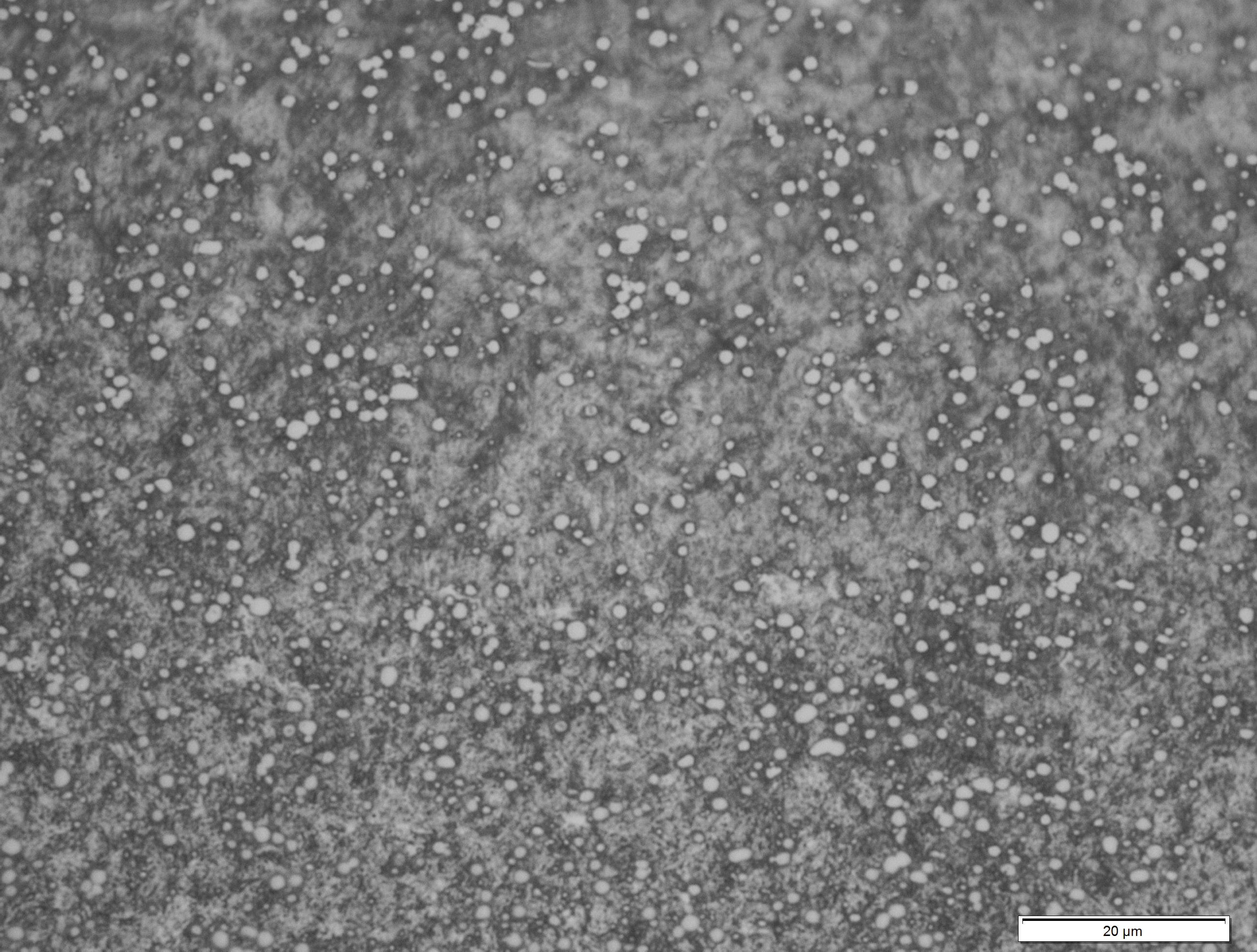
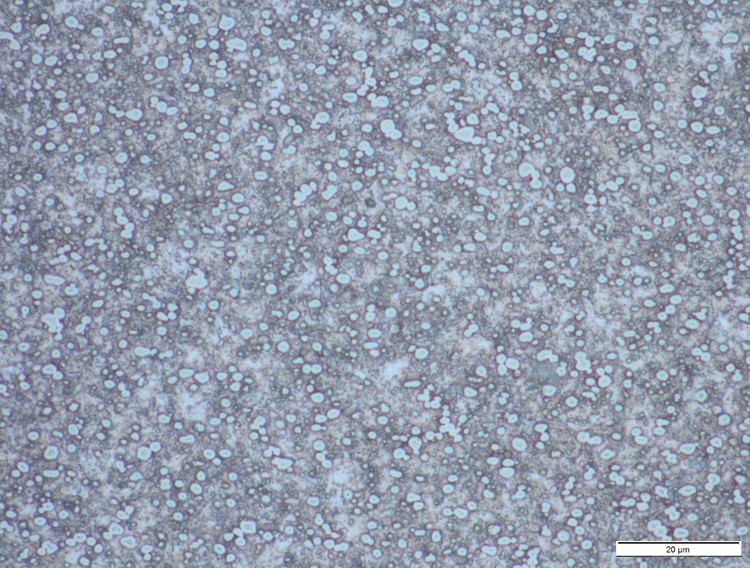
A critical factor in this balance is the manufacturing process. Conventional "ingot" steelmaking involves melting the alloy and pouring it into a large mold, which can lead to the formation of large, unevenly distributed carbides during slow cooling. This is particularly evident in steels like D2, where large chromium carbides can significantly limit toughness. In contrast, Powder Metallurgy (PM) technology involves atomizing the molten steel into a fine powder that is then compacted and sintered. This process results in a much finer and more uniform distribution of carbides, allowing a steel to maintain higher toughness even at high carbide volumes. For example, CPM-D2 (the PM version of D2) exhibits significantly higher impact resistance than its conventionally cast counterpart, despite having an identical chemical composition.
When estimating toughness from composition, researchers have noted that toughness follows a roughly logarithmic decline as carbon content increases. Below 0.8% carbon, many steels exhibit high toughness, often exceeding 30 to 40 ft-lbs in Charpy testing. However, as carbon exceeds 1% in high-alloy steels, toughness typically drops into the 5 to 15 ft-lbs range. An outlier in this trend is 52100 steel; despite its 1% carbon content, its small chromium addition (1.5%) helps prevent the formation of "plate martensite," a brittle microstructure common in high-carbon low-alloy steels, allowing it to maintain a toughness of approximately 30 ft-lbs.
Corrosion Resistance and the Chromium-to-Carbon Ratio
The definition of "stainless steel" has traditionally been any steel containing at least 10.5% chromium. However, this bulk measurement is often misleading. For a steel to resist corrosion, the chromium must be "in solution"—meaning it is available to form a protective chromium oxide layer on the blade’s surface. If the steel has high carbon content, much of the chromium may be "locked up" in chromium carbides, rendering it useless for corrosion protection.
This phenomenon explains why D2 steel, with 12% chromium, is often referred to as "semi-stainless." Its high carbon content (1.5%) consumes a significant portion of its chromium to form carbides, leaving the remaining matrix vulnerable to oxidation. To more accurately predict corrosion resistance, metallurgists look at the ratio of chromium to carbon (Cr/C). A higher ratio generally indicates better corrosion resistance. For instance, MagnaCut, a modern high-performance stainless steel, utilizes a unique balance of 10.7% chromium and 1.15% carbon, but with high vanadium and niobium additions. Because vanadium and niobium have a higher affinity for carbon than chromium does, they "steal" the carbon first, leaving nearly all the chromium in solution. This results in a steel that has higher corrosion resistance than many steels with 14% or 17% chromium.
Nitrogen is another critical element in this equation. In steels like Vanax or LC200N, nitrogen is used to replace a portion of the carbon. Since nitrogen does not form the same types of large carbides as carbon, it allows for extreme corrosion resistance while maintaining high hardness. These "nitrogen-boosted" steels often represent the upper echelon of the corrosion resistance scale, frequently scoring 9.5 or 10 out of 10 in salt-spray testing.
Industry Implications and the Rise of Predictive Analytics
The ability to estimate steel properties through elemental analysis has profound implications for the cutlery industry. For consumers, it provides a "fact-check" against hyperbolic marketing claims. If a manufacturer claims a new steel has revolutionary edge retention but its composition shows low carbon and no vanadium, the consumer can reasonably doubt the claim. For custom knifemakers, these correlations allow for more informed steel selection based on the intended use of the knife—choosers of "tough" steels for bushcrafting versus "wear-resistant" steels for detail carving.
Furthermore, this data-driven approach is a necessary precursor to the use of Artificial Intelligence (AI) in material science. While current AI models still struggle to accurately predict the nuances of heat treatment and carbide morphology, the establishment of clear, human-verified correlations provides the training data necessary for future metallurgical breakthroughs. The recent development of steels like MagnaCut and MagnaMax demonstrates that when the underlying physics of carbide formation are understood, steels can be "designed" on paper to achieve specific performance targets.
In conclusion, while the interplay of elements within a steel matrix is infinitely complex, the primary drivers of performance are increasingly predictable. By focusing on carbon for edge retention and toughness, the Cr/C ratio for corrosion resistance, and the manufacturing method for structural integrity, the knife community has moved beyond the era of speculation. While outliers will always exist due to variations in heat treatment and manufacturing quality, the science of predictive metallurgy has provided a robust map for navigating the ever-expanding world of modern knife steels. This transition from "alchemy" to "analytics" ensures that the future of the industry will be defined by measurable performance rather than tradition alone.