







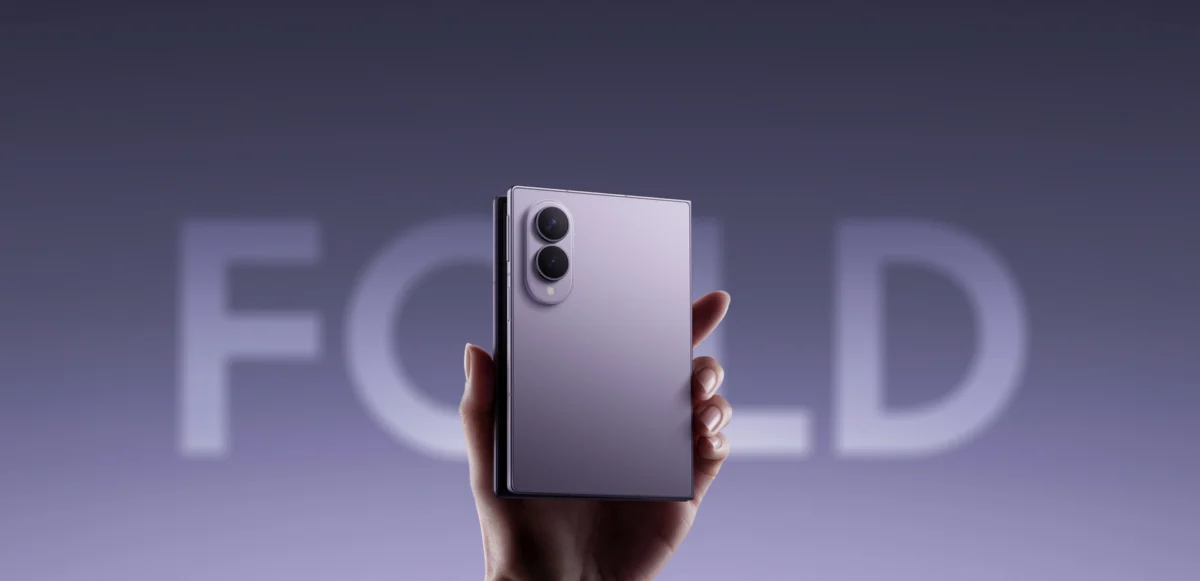
The mobile industry is currently witnessing a pivotal shift in foldable smartphone design, as manufacturers race to eliminate visual obstructions on their internal displays. Emerging reports from reliable industry analysts and persistent supply chain leaks indicate that Samsung Electronics is preparing a strategic reversal for its next-generation flagship, the Galaxy Z Fold 9. According to social media insights provided by the noted tipster Kro, Samsung intends to re-integrate Under-Display Camera (UDC) technology into its foldable portfolio, marking a significant pivot from the compromises that defined earlier models. This move is widely interpreted as a response to intensifying pressure from competitors, most notably the anticipated entry of Apple into the foldable market, which has placed a premium on achieving a truly seamless, hole-free viewing experience.
A Chronology of Samsung’s UDC Evolution
To understand the weight of this potential reintroduction, one must look back at Samsung’s historical trajectory with screen technology. Samsung first introduced UDC technology with the Galaxy Z Fold 3, launched in August 2021. At the time, the company hailed the feature as a breakthrough in industrial design, allowing for an uninterrupted 7.6-inch main display. However, the initial implementation was met with a lukewarm reception. While the screen appeared aesthetically cleaner, the pixel density over the camera sensor was insufficient to hide the hardware entirely, and the light transmittance through the display was poor, resulting in grainy, soft-focus imagery that lagged significantly behind traditional hole-punch front-facing cameras.
Following the feedback from the Z Fold 3 and the subsequent Z Fold 4, Samsung opted to refine the technology but eventually relegated it to a secondary status, focusing instead on perfecting display brightness, durability, and crease reduction. For the most recent generations, the company has prioritized photographic fidelity over the "wow factor" of a fully concealed lens. Now, as display manufacturing processes have matured and light-transmittance algorithms have improved, the technology has reached a point where the performance gap is narrowing. The upcoming Galaxy Z Fold 9, expected to arrive in the second half of 2027, appears to be the vessel for this technological renaissance.
The Competitive Landscape: Apple and the Foldable War
The impetus behind this change is not merely internal progress; it is external necessity. For years, Samsung has held a near-monopoly on the premium foldable segment, enjoying the luxury of iterative, low-risk upgrades. However, the market landscape is shifting rapidly. With persistent rumors suggesting that Apple is developing its own foldable hardware—often referred to in enthusiast circles as the "iPhone Duo"—Samsung is under pressure to differentiate its hardware.
Apple has traditionally waited for technology to mature before integrating it into its ecosystem. Should Apple enter the market with a "perfected" display that lacks any camera hole or notch, it would instantly cast a shadow over Samsung’s existing hole-punch designs. By proactively reintroducing UDC technology, Samsung is signaling that it intends to remain the gold standard for screen technology. The strategy is to ensure that when the foldable market matures into a battle of aesthetics, Samsung’s flagship devices offer the most immersive visual experience available to consumers.
Technical Implications and Design Constraints
According to the latest leaks, the integration of the UDC in the Galaxy Z Fold 9 will not come at the cost of the device’s footprint. The tipster Kro notes that while the internal hardware will undergo a significant overhaul to accommodate the new camera sensor and the necessary display matrix, the overall thickness and exterior design of the device are expected to remain largely unchanged. This is a critical point for the consumer base, as thinness is a major selling point for foldable devices.
Achieving a high-quality UDC requires a complex balancing act: the display area directly above the camera must have a lower pixel density to allow light to pass through to the sensor, yet this area must also look identical to the rest of the screen to avoid a visible "patch" effect. This necessitates advanced image processing software that can remove the "fog" or diffraction artifacts caused by the screen pixels. Samsung has reportedly been investing heavily in these AI-driven image correction algorithms, which are expected to be a highlight of the Fold 9’s software suite.

Industry Data and Market Analysis
Current market data supports the move toward screen-to-body maximization. A 2026 consumer sentiment study regarding foldable devices indicated that while durability remains the number one concern for potential buyers, the "visual cleanliness" of the interior screen ranks as the second most influential factor in purchase intent. As users spend more time consuming media, gaming, and multitasking on the internal display, the presence of a hole-punch camera is increasingly viewed as an unnecessary distraction.
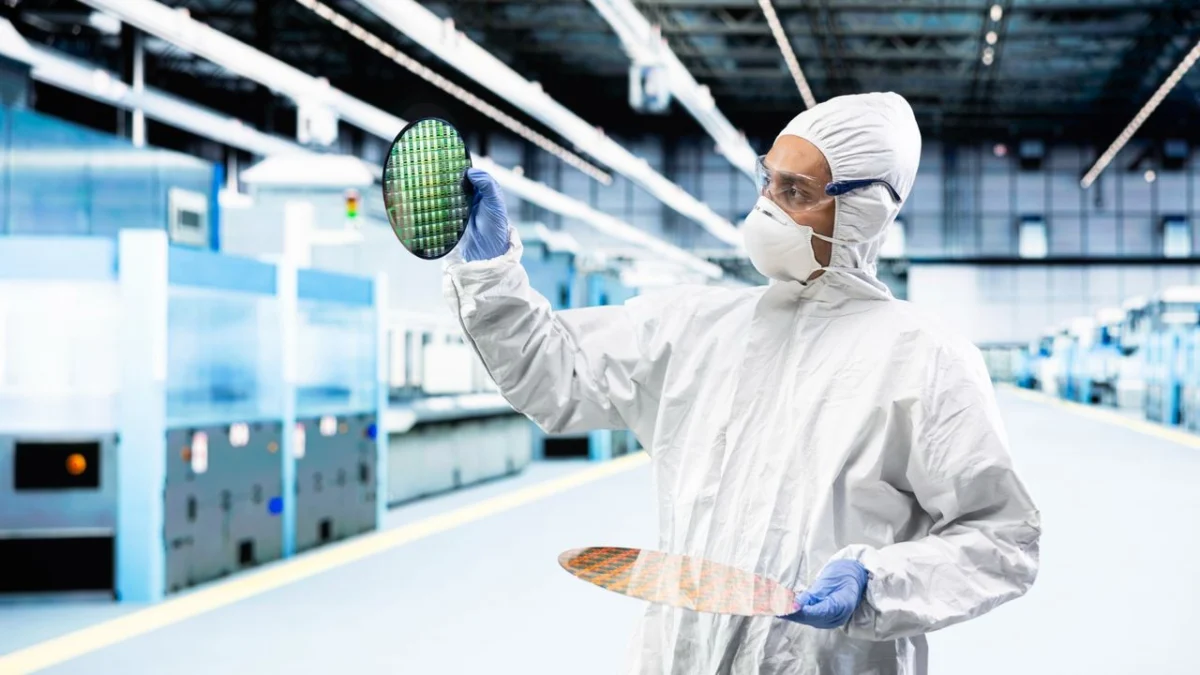
Furthermore, supply chain reports from component manufacturers indicate that the cost of high-transmittance display panels—the key to effective UDC performance—has dropped by approximately 15% over the last eighteen months. This makes the mass production of a UDC-equipped flagship more economically viable than it was during the Z Fold 3 era. From a logistical standpoint, the Galaxy Z Fold 9 is positioned to benefit from these economies of scale, potentially allowing Samsung to implement the technology across its standard foldable models rather than restricting it to a "Pro" or "Ultra" variant, though this remains speculative.
The Road Ahead: Caution and Development
Despite the excitement surrounding these reports, it is essential to maintain a degree of skepticism. The development cycle for a smartphone of this magnitude is arduous, and the industry is littered with canceled prototypes and features that failed to meet quality control standards before mass production. As analysts point out, a release window of one year is a long time in the world of mobile technology.
Hardware configurations are often subject to "late-stage pivots." If the internal testing for the UDC’s photo quality in the Galaxy Z Fold 9 does not meet Samsung’s stringent internal benchmarks for low-light photography and color accuracy, the company has historically shown that it will not hesitate to revert to a hole-punch design at the eleventh hour. Samsung’s brand equity is heavily tied to its reputation for high-quality camera performance, and it is unlikely that the company would jeopardize that reputation for the sake of an aesthetic trend if the underlying image quality is not up to par.
Implications for the Foldable Ecosystem
The reintroduction of UDC in the Galaxy Z Fold 9, if successful, will likely set a new industry benchmark. It would validate the necessity of the technology, potentially forcing other manufacturers—such as Google with its Pixel Fold line, or Chinese manufacturers like Oppo and Vivo—to accelerate their own UDC R&D.
For the average consumer, this evolution represents the final stage of the "experimental" phase for foldables. The first generation was about making the screen bend; the current phase is about making the bend invisible; and the next phase, heralded by the Z Fold 9, is about removing all visual impediments to the content itself. Samsung is attempting to transform the foldable from a "device with a folding screen" into a "seamless, portable tablet experience."
Final Considerations
As the industry moves toward the latter half of 2027, all eyes will be on Samsung’s supply chain disclosures and official teasers. The move to bring back the under-display camera is a bold, high-stakes gamble. It is an acknowledgment that while the company succeeded in the initial engineering hurdle of the folding mechanism, it must now win the war for visual perfection. Whether the Galaxy Z Fold 9 delivers on this promise remains to be seen, but the narrative is clear: the era of the hole-punch camera in flagship foldables may finally be coming to a close. For now, users and analysts alike are advised to monitor official announcements, as the specifics of this technology will undoubtedly undergo further refinement as the product reaches the final stages of the manufacturing pipeline.