







Sony has officially announced the revival of one of its most culturally significant audio products: the MDR-3R lightweight headphones. Originally launched in 1979 as the companion headphones to the revolutionary TPS-L2 Walkman—the device that essentially invented portable personal audio—the new MDR-3R bridges the gap between vintage analog nostalgia and contemporary digital convenience. While preserving the iconic, minimalist industrial design that defined a generation of personal electronics, Sony has updated the hardware with a modern USB-C interface, catering to today’s audiophiles and pop-culture enthusiasts alike. Alongside the standard release, Sony has partnered with Netflix to introduce a special Stranger Things Edition, tapping into the massive 1980s aesthetic revival popularized by the hit streaming series.
A Nod to the Past: The Legacy of the Original MDR-3
To understand the significance of the MDR-3R release, one must look back at the seismic shift in consumer electronics that occurred in the late 1970s. When Sony introduced the TPS-L2 Walkman in 1979, it fundamentally changed how humanity interacted with music. No longer was listening to recorded sound confined to the living room hi-fi system or bulky boomboxes. Music became portable, personal, and entirely mobile.
Accompanying the original Walkman were the MDR-3 headphones, remarkable for their time due to their featherlight construction, foam ear cushions, and on-ear design. They were engineered to deliver surprisingly crisp sound reproduction despite their minuscule footprint. Over four decades later, the MDR-3 remains a revered artifact in industrial design history. By reviving the silhouette as the MDR-3R, Sony is not merely recycling an old design; it is leaning into a powerful wave of heritage branding that resonates with both consumers who remember the golden age of cassette tapes and younger generations fascinated by mid-century modern and retro-tech aesthetics.
Modern Engineering Beneath the Retro Exterior
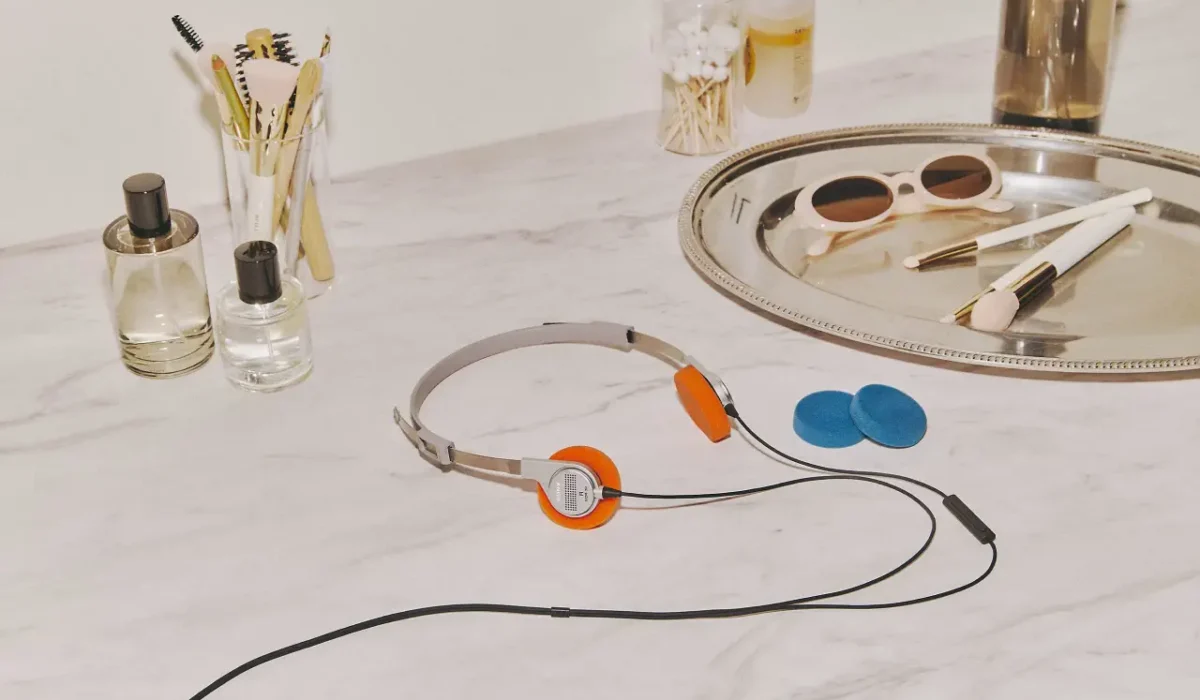
While the exterior of the MDR-3R pays direct homage to its 1979 predecessor, the internal architecture has been completely overhauled to meet modern digital audio standards. The most notable technical upgrade is the inclusion of a USB-C connection, replacing the traditional 3.5mm analog jack as the primary interface. This digital connection supports high-resolution audio processing through USB Audio Class 1.0, allowing users to plug directly into modern smartphones, tablets, laptops, and portable digital audio players without requiring cumbersome adapters or external digital-to-analog converters (DACs).
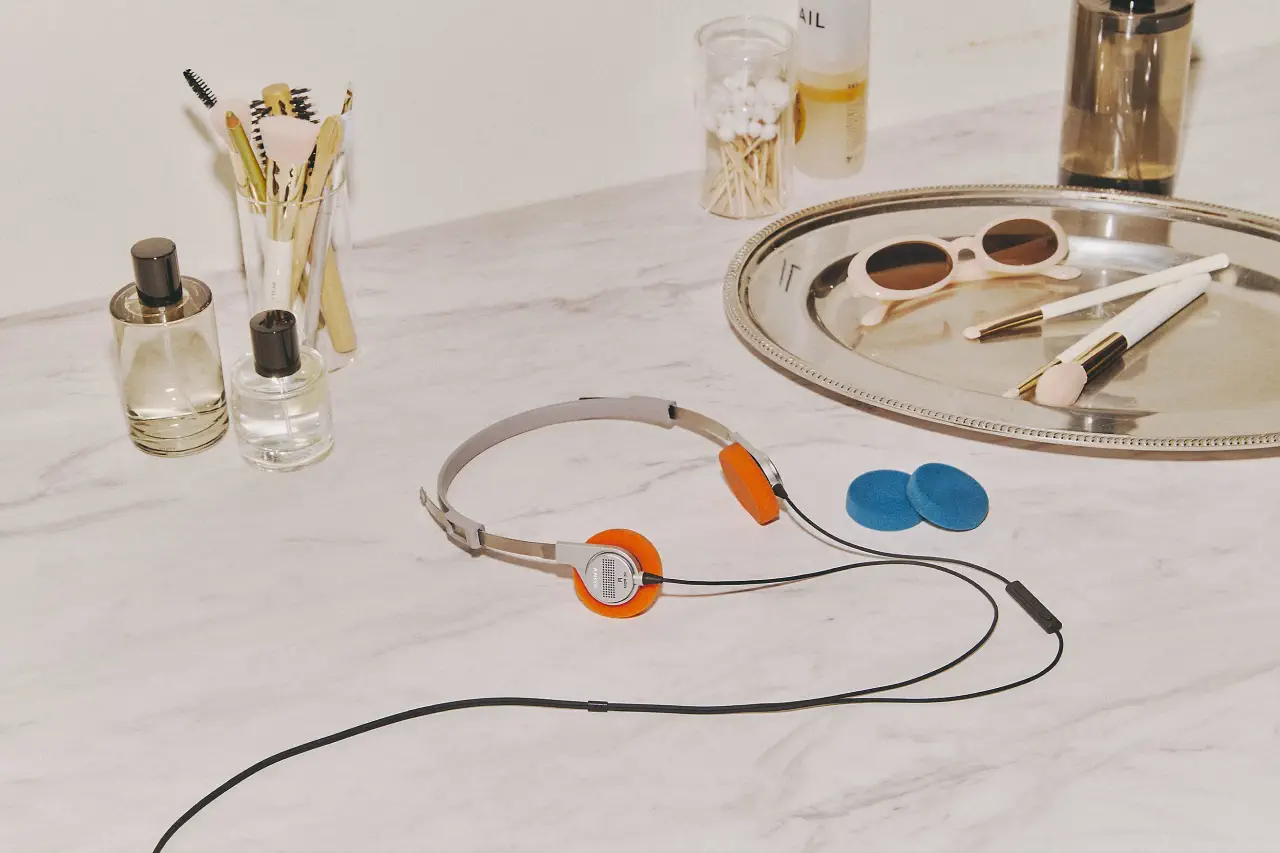
The MDR-3R retains its signature open-ear acoustic architecture. This design choice ensures that users remain partially aware of their surrounding environment—a crucial feature for urban commuters and pedestrians who need situational awareness. Furthermore, the open-ear design contributes to a wider, more natural soundstage, preventing the claustrophobic acoustic sealing often associated with modern closed-back in-ear monitors or heavy noise-canceling headphones.
To ensure long-term usability, Sony has upgraded the materials. While maintaining the lightweight metal headband and adjustable sliders that made the original comfortable for hours of listening, the foam cushions utilize modern, durable polymers that resist degradation while offering enhanced passive comfort. The adjustable headband mechanism remains true to the original, prioritizing mechanical simplicity and reliability over complex folding hinges.
The Stranger Things Partnership: Capitalizing on 1980s Nostalgia
In a strategic marketing move designed to amplify cultural reach, Sony has collaborated with Netflix to release the MDR-3R Stranger Things Edition. This specialized variant is tailored specifically to fans of the sci-fi horror drama, which is deeply rooted in 1980s pop culture and frequently features period-accurate technology.
The Stranger Things Edition features a distinct colorway inspired by the eerie aesthetic of the show’s alternate dimension, the Upside Down. Incorporating contrasting red and black accents, custom branding, and themed packaging, the special edition transforms a piece of audio hardware into a collectible item for fans of the series. The collaboration aligns with a broader industry trend where consumer electronics brands leverage blockbuster entertainment franchises to drive hardware adoption among younger demographics who value unique visual identities and limited-edition drops.
Market Pricing and Global Availability
Sony has structured the launch of the MDR-3R lineup to target both mainstream consumers and niche collectors. The standard edition of the MDR-3R is scheduled to hit retail shelves globally on December 21, carrying a suggested retail price of $219. Meanwhile, the highly anticipated Stranger Things Edition will command a slight premium, priced at $249, reflecting its collectible status and co-branded packaging.

Industry Implications and the Retro-Tech Movement
The introduction of the MDR-3R underscores a broader psychological shift in consumer markets: the growing appetite for analog tactility and tangible heritage in an increasingly digital, hyper-connected world. While the audio industry has spent the last decade racing toward wireless Bluetooth earbuds equipped with active noise cancellation and algorithmic spatial audio, Sony’s decision to release a wired, open-ear, USB-C-connected vintage replica highlights a counter-movement.
Analysts note that products like the MDR-3R serve a dual purpose. For older consumers, they offer a powerful emotional connection to youth, invoking memories of physical media, mixtapes, and simpler technological times. For Gen Z and millennial consumers, retro-tech represents a stylish fashion statement—an intentional rejection of sterile, uniform modern design in favor of character and historical pedigree.
By integrating a USB-C interface, Sony has cleverly resolved the friction point of modern compatibility. Consumers no longer need to hunt for obsolete headphone jacks or Dongles to experience classic hardware; they can simply plug the headphones into their current-generation smartphones and stream high-resolution audio tracks directly.
As heritage audio products continue to perform strongly across global markets, Sony’s strategic revival of the MDR-3 platform demonstrates that great industrial design is timeless. Whether purchased as a functional piece of daily-carry audio gear or as a collector’s item tied to a global entertainment phenomenon, the MDR-3R successfully bridges forty-five years of technological evolution without losing the soul of the original 1979 innovation.