





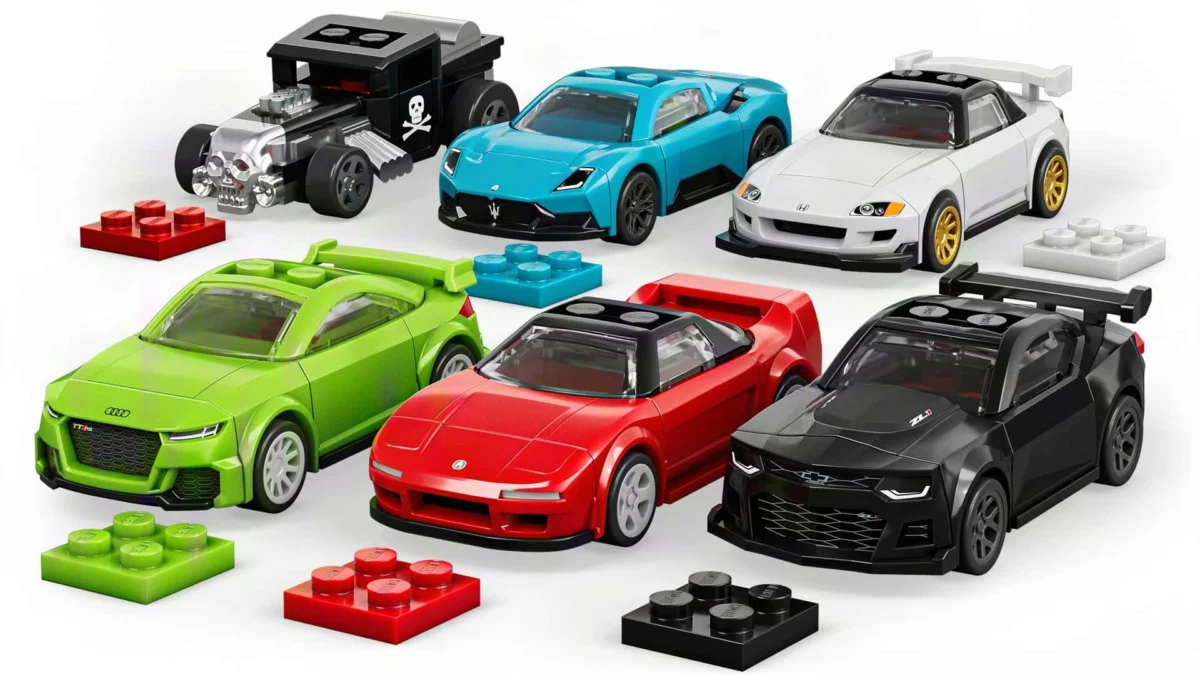
Mattel is set to disrupt the hobbyist market once again, leveraging its near-six-decade dominance in the die-cast sector to penetrate the lucrative construction-toy category. With the launch of the new Brick Shop Racer Series, the toy giant is introducing a hybrid product line that merges the aesthetic appeal of traditional 1:64 scale Hot Wheels models with the interactive, hands-on experience of building-block sets. Priced at an aggressive entry point of $4.99 per unit, the series is positioned to attract both young enthusiasts and long-standing collectors who have traditionally kept these two segments of the toy industry separate.
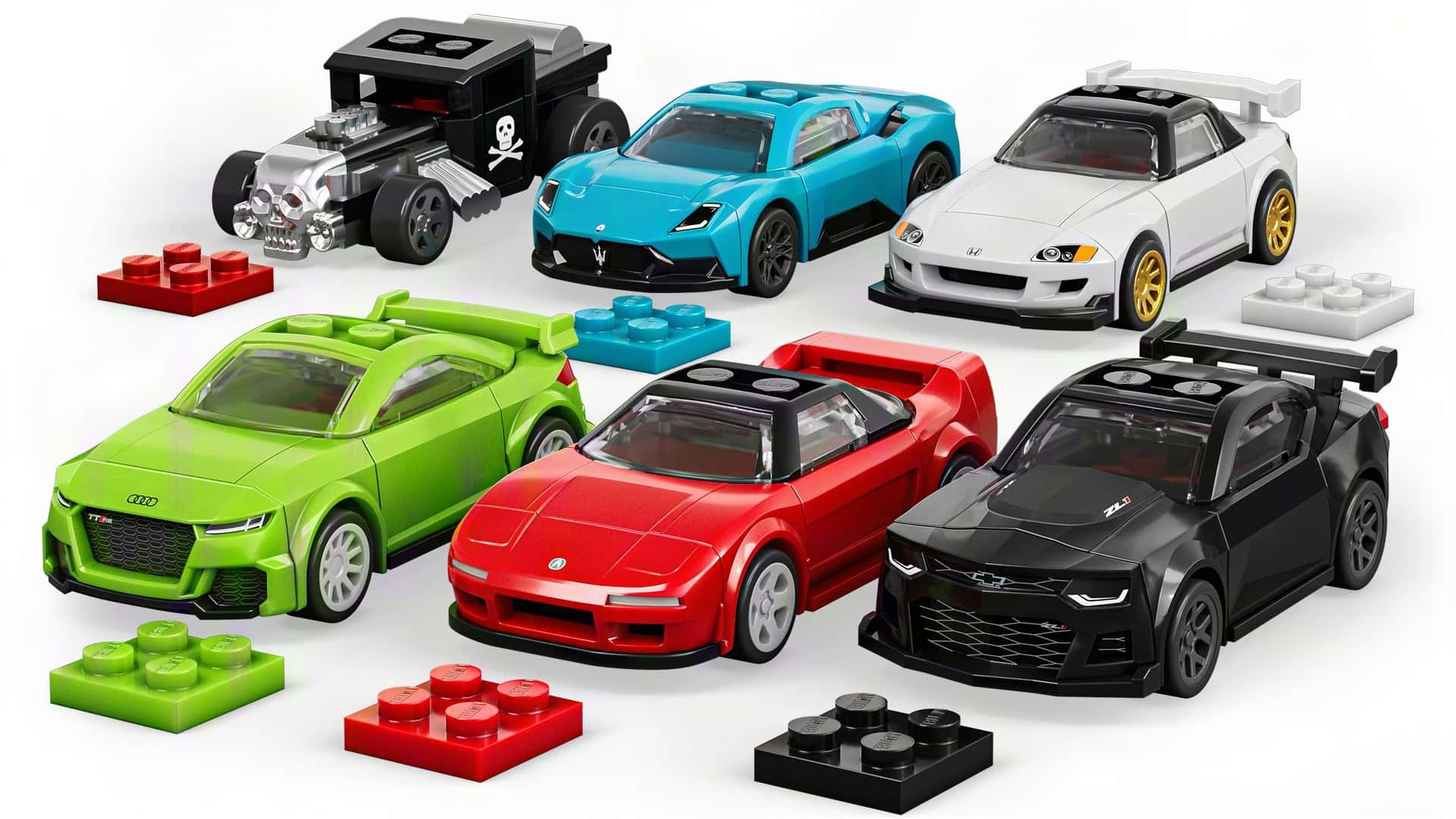
The initial wave of the collection, arriving in retail channels this January, will feature six iconic vehicles. The lineup serves as a microcosm of global automotive history, balancing modern performance with vintage charm. Included in the inaugural series are the 2024 Chevrolet Camaro ZL1, the 2018 Audi TT RS, the futuristic Maserati MCPura, the JDM-legend 1991 Acura NSX, the highly sought-after 1999 Honda S2000, and the brand’s own heritage icon, the Bone Shaker. Mattel has committed to an aggressive expansion strategy, with plans to grow this roster to 20 unique vehicles by the end of 2027.
Engineering the Miniature Experience
While the low price point might suggest a simplified toy, the technical specifications of the Brick Shop Racer Series reflect a high level of engineering intent. Each set consists of between 27 and 29 individual pieces, designed to be intuitively assembled by children aged six and up. The variation in piece counts is dictated by the complexity of each vehicle’s design; for instance, the Chevrolet, Honda, Audi, and Acura models each require 29 components, while the streamlined silhouette of the Maserati is achieved through 27. The Bone Shaker, reflecting its intricate hot-rod anatomy, utilizes 28 pieces.
Crucially, these models are not merely static display pieces intended to sit on a shelf. Mattel has integrated a functional hardware architecture into each set, including a robust metal base plate, functional metal axles, and rolling wheels paired with rubber-like tires. This commitment to the "play factor" ensures that the models retain the kinetic appeal that has made Hot Wheels a global phenomenon since 1968. By utilizing smooth, high-quality resin bricks, the designers have managed to recreate the distinct aerodynamic profiles of the real-world vehicles while ensuring the assembly process remains accessible for younger builders.
A Strategic Pivot in the Competitive Landscape
The introduction of the Brick Shop Racer Series represents a tactical maneuver in the ongoing rivalry between Mattel and the Lego Group. For decades, Lego has held a near-monopoly on the construction-toy market, often defining the standard for how automotive brands are represented in brick form. However, Mattel has spent the last several years systematically encroaching on this territory. Following the launch of its broader "Brick Shop" line last year—which included more complex, higher-priced models at 1:12, 1:16, and 1:32 scales—the company is now scaling down to the "bread and butter" 1:64 category.
By targeting the 1:64 scale, Mattel is playing to its greatest strength. This scale is the industry standard for die-cast collecting, meaning that these new buildable sets are physically compatible with existing display cases, tracks, and playsets owned by millions of collectors worldwide. This compatibility is a significant competitive advantage. A consumer who already owns a Hot Wheels collection does not need to reorganize their space or invest in new display infrastructure to accommodate these buildable additions.
Industry analysts suggest that this strategy is aimed at capturing "crossover" consumers. While many adult collectors focus exclusively on die-cast models, the inclusion of a building component adds a layer of "earned pride" to the acquisition. Conversely, Lego enthusiasts who gravitate toward the "Speed Champions" or "Technic" lines now have a lower-cost, high-volume alternative that offers a different aesthetic and a more familiar, compact footprint.
Historical Context and Market Evolution
The evolution of the Hot Wheels brand has been characterized by a constant expansion into new niches. From its inception as a challenger to Matchbox, Hot Wheels has moved through phases of fantasy casting, hyper-realistic premium lines, and now, modular construction. The Brick Shop Racer Series is the latest iteration of this evolution, reflecting a broader trend in the toy industry toward "customizable play."
This move also addresses the shifting demographics of toy consumers. As digital gaming competes for the attention of younger generations, physical play-sets that offer a tangible, rewarding building experience have seen a resurgence in popularity. By keeping the price at $4.99, Mattel is effectively positioning these sets as impulse buys—a critical factor for success in retail environments like grocery stores, hobby shops, and big-box retailers. This pricing strategy lowers the barrier to entry, allowing a consumer to purchase a single model to "test" the experience before committing to the full 20-vehicle series.
Implications for the Collector Community
For the dedicated collector, the announcement of a planned 20-vehicle lineup through 2027 provides a clear roadmap for the future. The ability to collect an entire series of buildable cars—modeled after both real-world legends and Hot Wheels originals—creates a "completionist" incentive that is well-documented in the world of toy collecting.
The inclusion of the Bone Shaker is particularly significant. As a proprietary Mattel design, the Bone Shaker represents the brand’s identity. Including it alongside licensed heavyweights like the Audi TT RS and the Acura NSX suggests that Mattel is not just leveraging outside brands, but is doubling down on its own internal design language. This balance between licensed realism and original fantasy design is the cornerstone of the brand’s success and will likely be the blueprint for the 14 additional models yet to be revealed.
Challenges and Future Outlook
While the potential for growth is high, Mattel faces the challenge of quality control and consumer perception. In the construction toy market, "clutch power"—the ability of bricks to stay connected securely—is the primary metric by which products are judged. Because these models are designed for play, the structural integrity of the wheels and axles will be scrutinized by both parents and collectors. Should the product fail to meet the tactile expectations set by the competition, the brand’s reputation could be impacted.
However, the use of a metal base plate is a bold choice that signals a premium feel, distinguishing these sets from the all-plastic competitors currently on the market. If the execution matches the design intent, Mattel could successfully carve out a new category of "hybrid-die-cast" toys.
As of early 2025, the industry remains focused on the rollout of the first six models. With the company yet to disclose the full list of future vehicles, speculation is already mounting within enthusiast forums regarding which marques will join the lineup. Whether the series will expand to include classic muscle cars, modern hypercars, or more obscure vintage vehicles remains to be seen.
Ultimately, the Brick Shop Racer Series is more than just a new product; it is a defensive and offensive tool in Mattel’s portfolio. By democratizing the building-set experience, the company is not only seeking to gain a larger slice of the construction-toy market but is also deepening the engagement of its existing customer base. As the line grows toward its 20-model goal, it will likely serve as a barometer for how traditional die-cast brands can successfully pivot toward more complex, interactive, and modular product offerings in an increasingly competitive global toy market. The move is a testament to the enduring power of the Hot Wheels brand, proving that even after nearly 60 years, the formula for automotive miniature success can still be re-engineered for a new generation.