




The Strategic Shift: Beyond the 911
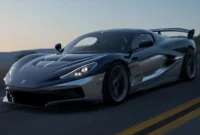
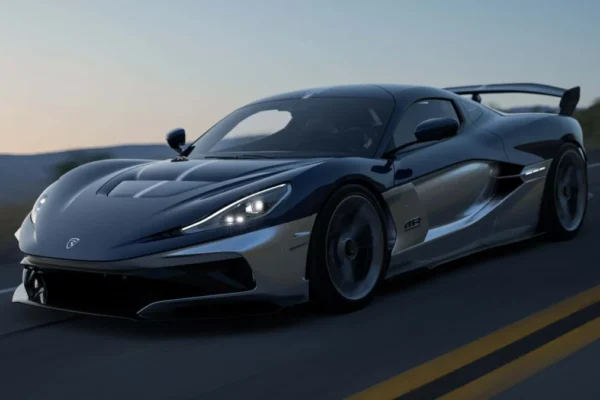
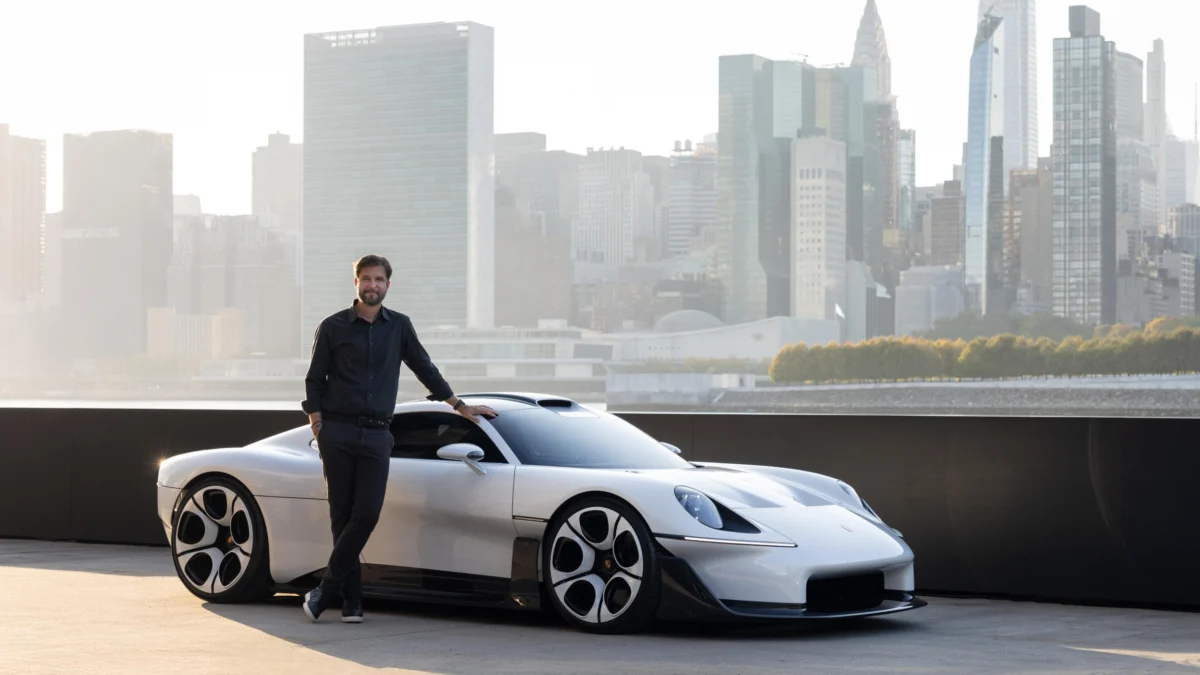
The introduction of the "Mission S" represents more than a mere concept vehicle; it serves as a tangible blueprint for the brand’s future. Positioned as a permanent, high-performance mid-engine platform, the Mission S is designed to occupy a tier above the iconic 911, catering to a segment of the market that demands bespoke engineering and elevated performance capabilities.
Under the "Sportwagenschmiede 35" initiative, Porsche is recalibrating its business model. For the past decade, the automotive industry has grappled with the tension between mass-market electrification and the preservation of the enthusiast experience. By pivoting to a model focused on high-margin, low-volume sports cars, Porsche is signaling that its future will be defined by the "craft of the sports car"—a direct nod to the company’s heritage while integrating the technological advancements of the 21st century.

Chronology of Porsche’s Design Evolution
To understand the significance of the Mission S, one must look at the trajectory of Porsche’s design language over the last 30 years.
- The Mid-1990s Transition: Following the financial pressures of the early 90s, Porsche focused on streamlining its production through the Boxster and the 996-generation 911, utilizing shared components to ensure financial viability.
- The SUV Expansion (2002–2010): The introduction of the Cayenne and Panamera fundamentally altered the company’s revenue stream, providing the capital necessary to sustain R&D for its core sports car division.
- The Electrification Milestone (2019): With the launch of the Taycan, Porsche demonstrated that it could bridge the gap between traditional performance and electric power, setting the stage for future powertrain modularity.
- The Present (2026): The Sportwagenschmiede 35 strategy represents the next logical step: the total separation of "lifestyle" vehicles from the "super sports" platform, ensuring that Porsche’s flagship offerings remain untethered from the constraints of mass-market platform sharing.
Technical Philosophy: The Human-Machine Interface
The design language of the Mission S prioritizes what designers describe as "purism." In an era where digital screens often dominate the cabin, the Mission S aims to reverse the trend of excessive digitalization. The interior is characterized by a "forward-looking symbiosis" of analog and digital controls, intended to reduce cognitive load and enhance the driver’s connection to the road.
Tobias Sühlmann, Head of Style Porsche, has emphasized that the Mission S is not merely an aesthetic experiment but a functional template. The vehicle’s architecture is built around the driver, utilizing ergonomics that favor tactile feedback over haptic menus. This approach reflects a broader industry realization: as autonomous driving technologies become more prevalent, the value proposition of a luxury sports car shifts from "utility" to "experience."

Market Analysis: The Move Toward Exclusivity
The shift toward high-margin, lower-volume vehicles is a calculated response to changing consumer demographics. Analysts note that the ultra-luxury segment has remained resilient even during periods of broader economic volatility. By elevating the Mission S above the 911 in the product hierarchy, Porsche is effectively creating a new entry point for collectors and performance enthusiasts.
Financial data suggests that this strategy is highly lucrative. Porsche’s shift away from volume-focus allows for greater investment in specialized materials, such as carbon-fiber-reinforced polymers and advanced aerodynamic systems, which are difficult to implement at scale. By controlling supply, Porsche maintains brand equity and prevents the dilution of its status as a manufacturer of "attainable" yet "exclusive" machinery.
Official Perspectives
Dr. Michael Leiters, Chairman of the Executive Board of Porsche AG, has been instrumental in articulating this vision. "A Porsche must be recognizable as a Porsche at first glance," Leiters stated during the unveiling. This mantra underscores the company’s commitment to visual continuity. Despite the radical changes in powertrain technology—which will likely include hybrid and high-output internal combustion options for this platform—the silhouette of the Mission S remains rooted in the brand’s history.

Furthermore, the integration of this new platform into the permanent customer offering signifies that the Mission S will be a multi-generational project. Unlike a "one-off" hypercar that serves as a temporary marketing exercise, the platform will evolve, potentially spawning various iterations—from track-only variants to road-going grand tourers.
The Impact on the Automotive Landscape
The ripple effects of Porsche’s decision are likely to be felt across the high-end automotive sector. Competitors such as Ferrari, Lamborghini, and McLaren have long operated on a model of exclusivity. By adopting a similar philosophy, Porsche is strengthening its position against these rivals, particularly in the race to define what the "sports car" looks like in the post-internal-combustion-engine transition era.
The focus on "authentic" driving experiences addresses a growing consumer demand for mechanical purity. As the market becomes saturated with software-defined vehicles, Porsche is betting that the most valuable commodity will remain the genuine, unmediated experience of operating a high-performance machine.

Implications for Future Portfolios
The Sportwagenschmiede 35 strategy serves as a warning and an inspiration to the rest of the industry. It posits that the future of the automotive brand is not necessarily in producing more units, but in producing more meaningful ones.
As the Mission S moves toward the production phase, industry observers will be watching closely to see how the balance of analog and digital controls is received by the consumer base. If successful, the platform could become the standard-bearer for how luxury manufacturers navigate the next decade of environmental regulations and shifting driver preferences.
The Mission S is, ultimately, a statement of intent. It confirms that while the industry is changing rapidly, the core tenets of the Porsche brand—precision, design integrity, and the thrill of the drive—are being codified, rather than abandoned, as the company enters its next chapter. Through this strategic realignment, Porsche is not just redesigning a car; it is redesigning its future.