





The illusion of scale has long captivated audiences, transforming humble practical effects into cinematic magic. Much like filmmaker Peter Jackson famously manipulated perspective to dictate the apparent stature of actors in The Lord of the Rings, contemporary photographers can employ similar optical geometry to alter reality. By understanding the intricate mechanics of depth of field, sensor size, and forced perspective, photographers can transform a 25-centimeter toy sports car into a life-sized vehicle worthy of a lottery winner’s garage, all without stepping into a digital editing suite.
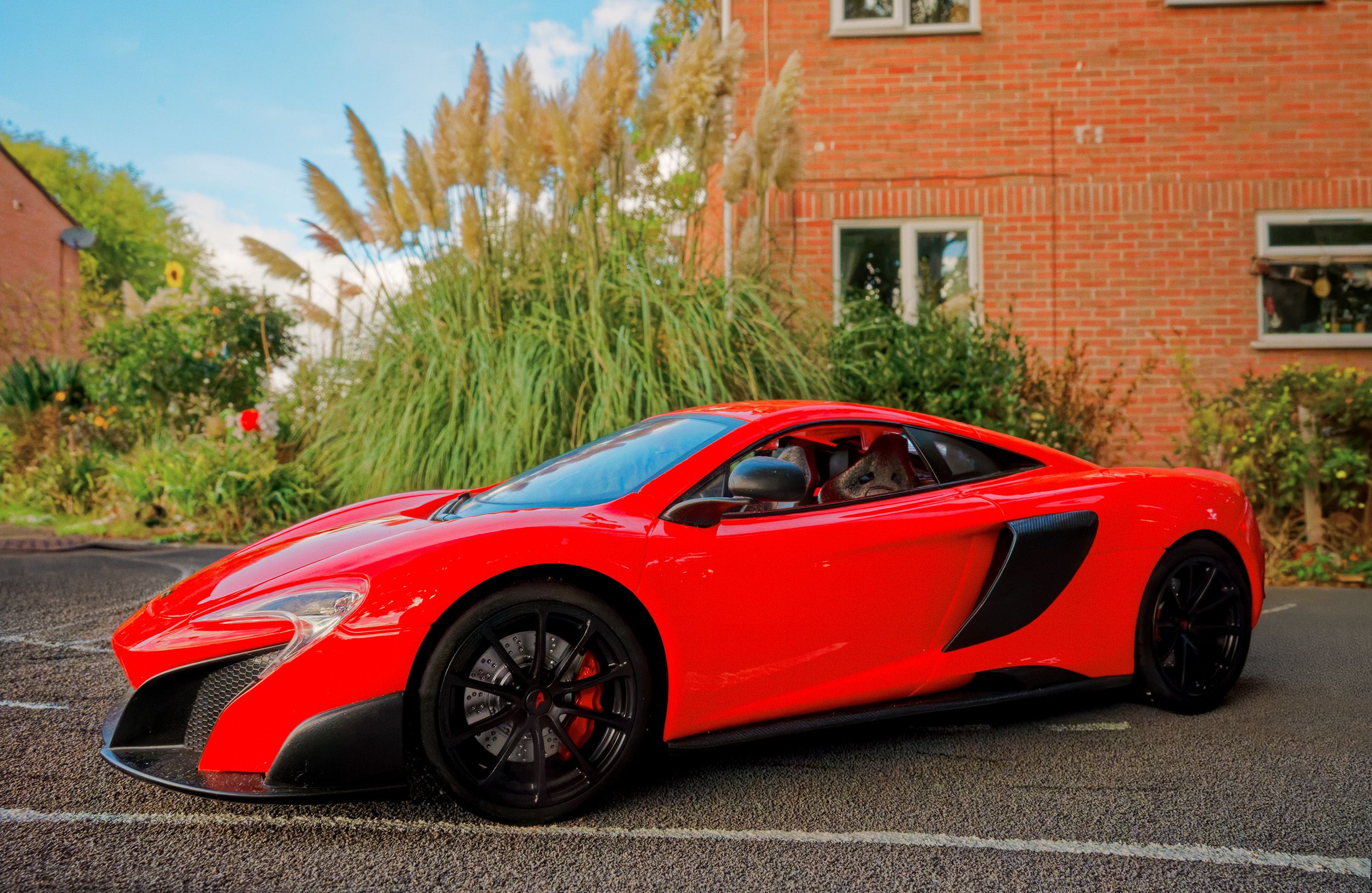
This technique relies entirely on the human eye’s reliance on contextual clues to determine size and distance. When an object in the immediate foreground shares visual continuity with a distant background, the brain bridges the perceptual gap, assuming the subject occupies the same spatial plane at a much larger scale. Achieving this effect requires meticulous planning, precise equipment configuration, and a rigorous understanding of photographic physics.
The Mechanics of Depth of Field and Sensor Choice
At the core of forced perspective tabletop photography is depth of field—the zone within a photo that appears acceptably sharp. When positioning a miniature object mere inches from a camera lens while attempting to keep a background landscape or parking lot recognizable, the optical demands placed on the equipment are substantial.
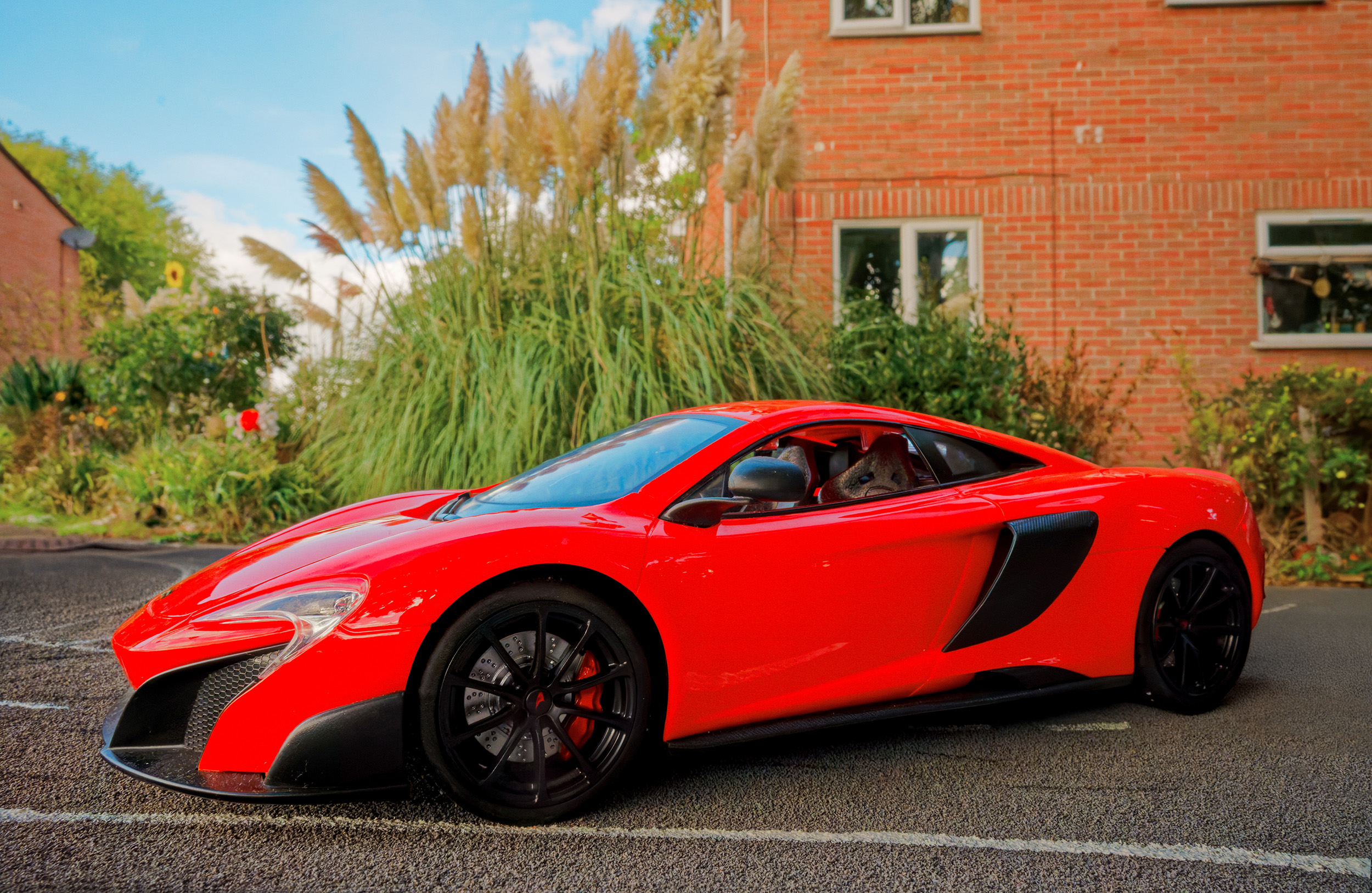
Sensor size plays a decisive role in this equation. Crop-sensor camera systems, such as the Nikon Z fc paired with a Nikkor Z DX 16-50mm f/3.5-6.3 VR lens (offering a 24-75mm full-frame equivalent field of view), possess an inherent advantage over full-frame counterparts. Due to physics related to circle of confusion and focal length multipliers, crop-sensor systems yield a deeper depth of field at any given aperture. This characteristic allows photographers to maintain critical focus on the foreground model while preserving essential details in the background scenery.
While modern camera phones are ubiquitous, their automated software typically defaults to shallow depths of field when faced with immediate foreground subjects, intentionally blurring backgrounds to create portrait-style bokeh. Smartphone users attempting forced perspective must utilize a dedicated "Pro" or manual mode to select a narrow aperture, artificially expanding the focal plane. Without manual control over aperture, shutter speed, and ISO, achieving the necessary hyperfocal distance with a mobile device remains nearly impossible.
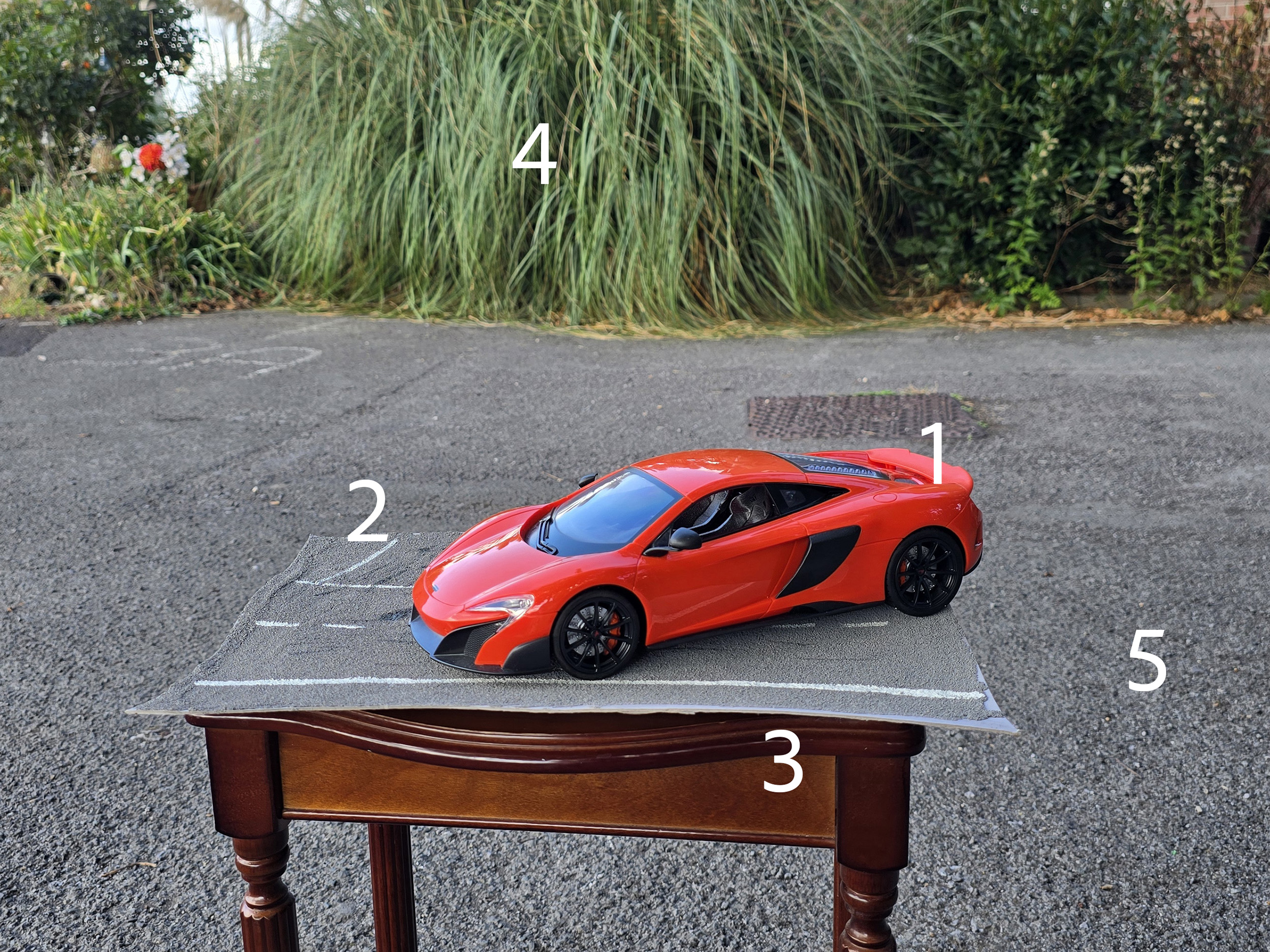
Chronology of the Shoot: Trial, Error, and Iteration
The evolution of this photographic project underscores the importance of scale and proportion in optical illusions. Initial experimentation by technical photography experts revealed the strict limitations imposed by subject dimensions.
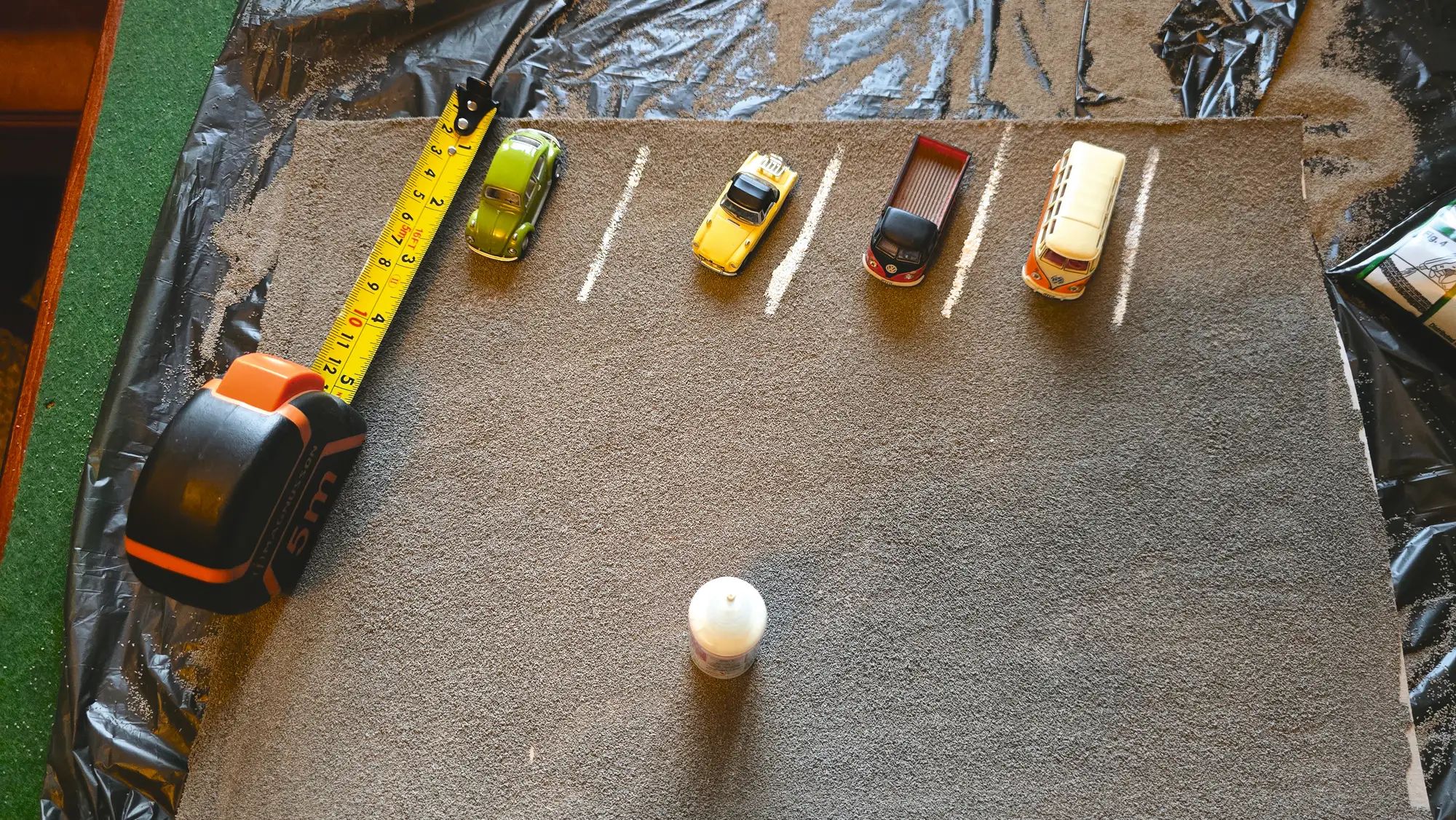
In the primary phase of testing, tiny metal die-cast cars measuring between 4 and 5 centimeters in length were deployed. A miniature tarmac base was constructed, complete with meticulously painted white parking space demarcations. However, the attempt failed fundamentally due to the extreme disparity in scale. Because the vehicles were exceptionally small, the camera had to be placed micro-inches away, forcing the use of a specialized macro lens. This extreme proximity compressed the focal range, making it mathematically impossible to bring the distant background into recognizable focus while simultaneously maintaining sharpness on the miniature cars.
Recognizing the limitations of micro-scale models, the methodology shifted for the secondary phase. The subject was upgraded to a larger, remote-controlled sports car measuring approximately 25 centimeters in length. This scale proved to be the optimal threshold. The increased physical dimensions allowed the camera to maintain a realistic working distance, striking the precise balance needed to align the model’s base with a real-world parking lot background.
Step-by-Step Execution: Constructing and Capturing the Illusion
Successful execution of a forced perspective vehicle shoot requires a structured, multi-step workflow spanning physical model-making, camera configuration, and environmental alignment.
-
Building the Custom Base
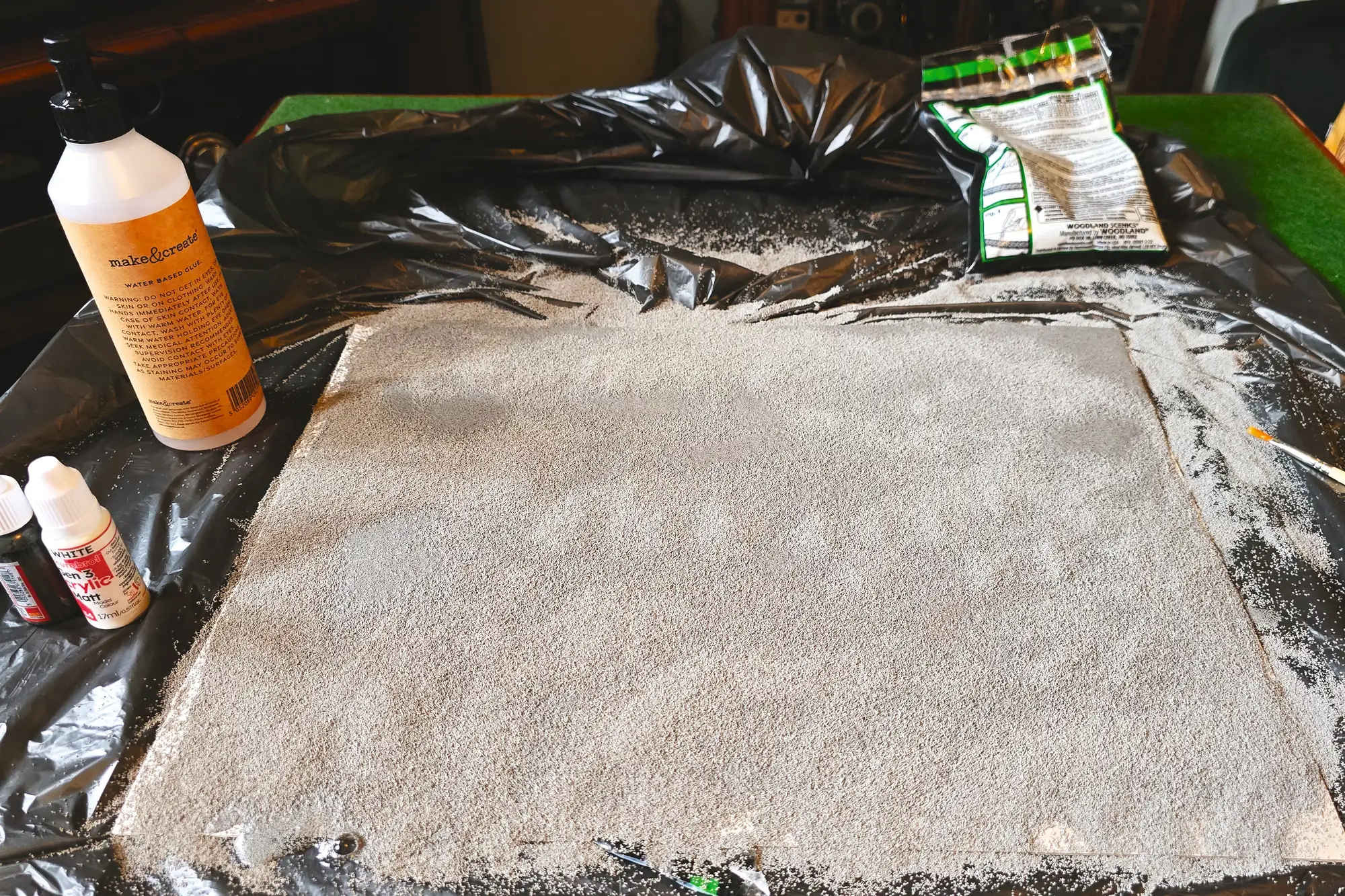
The foundation upon which the toy car rests must seamlessly integrate with the background environment. Thin plywood serves as an ideal structural substrate; flexible materials like standard cardstock are prone to warping when saturated with adhesives. To replicate asphalt or concrete, creators apply a water-based glue layer to the wood, dusting it with fine-grain scenery gravel commonly found in model railway hobby shops. Surface markings, such as hazard stripes or parking bays, are painted on using acrylic mediums to match the chosen outdoor location. -
Selecting the Location and Aligning Perspectives
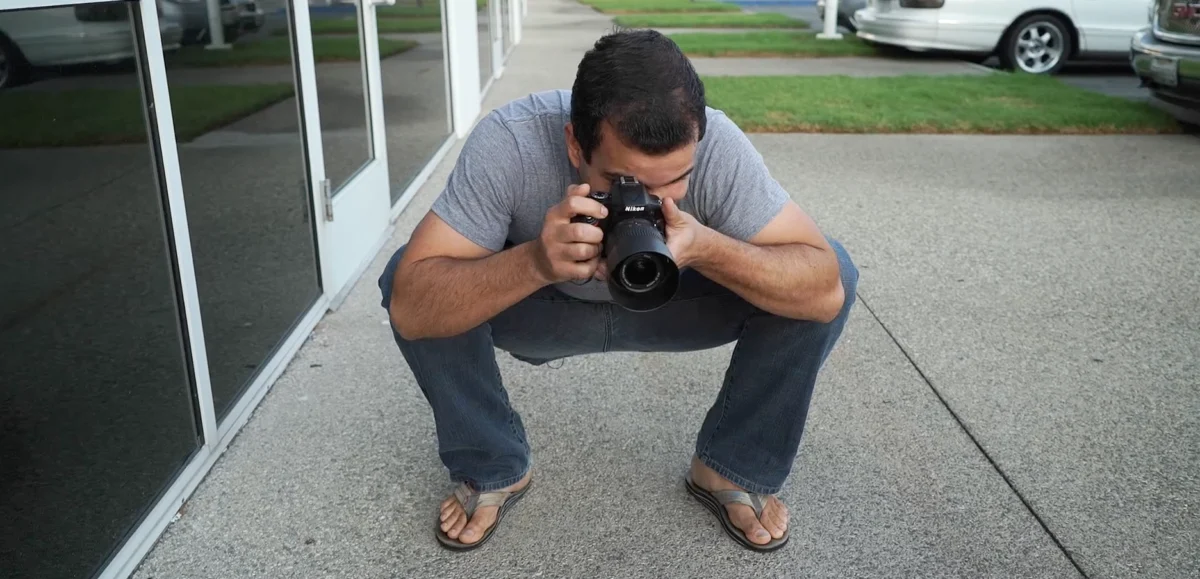
The background must logically correspond to the subject matter. Attempting to place a sports car base in the middle of an overgrown field shatters the illusion; an asphalt parking lot or a paved overlook provides a naturalistic context. The base and the vehicle are placed on a portable table or elevated platform. By crouching down to match the horizon line of the background, the photographer aligns the back edge of the miniature base with the base of the distant scenery, creating a seamless visual bridge that replaces the immediate foreground.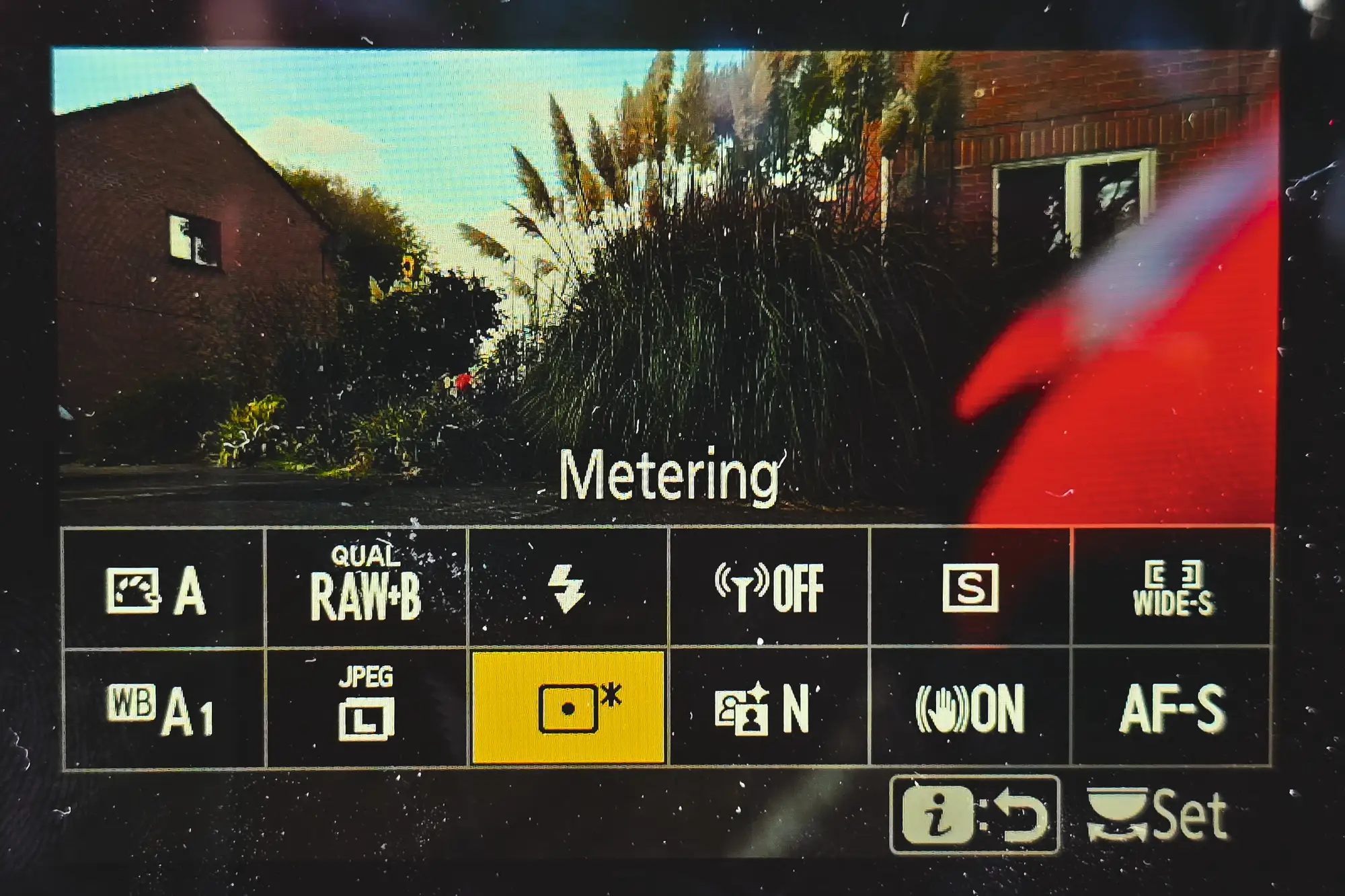
-
Configuring Exposure and Metering Modes
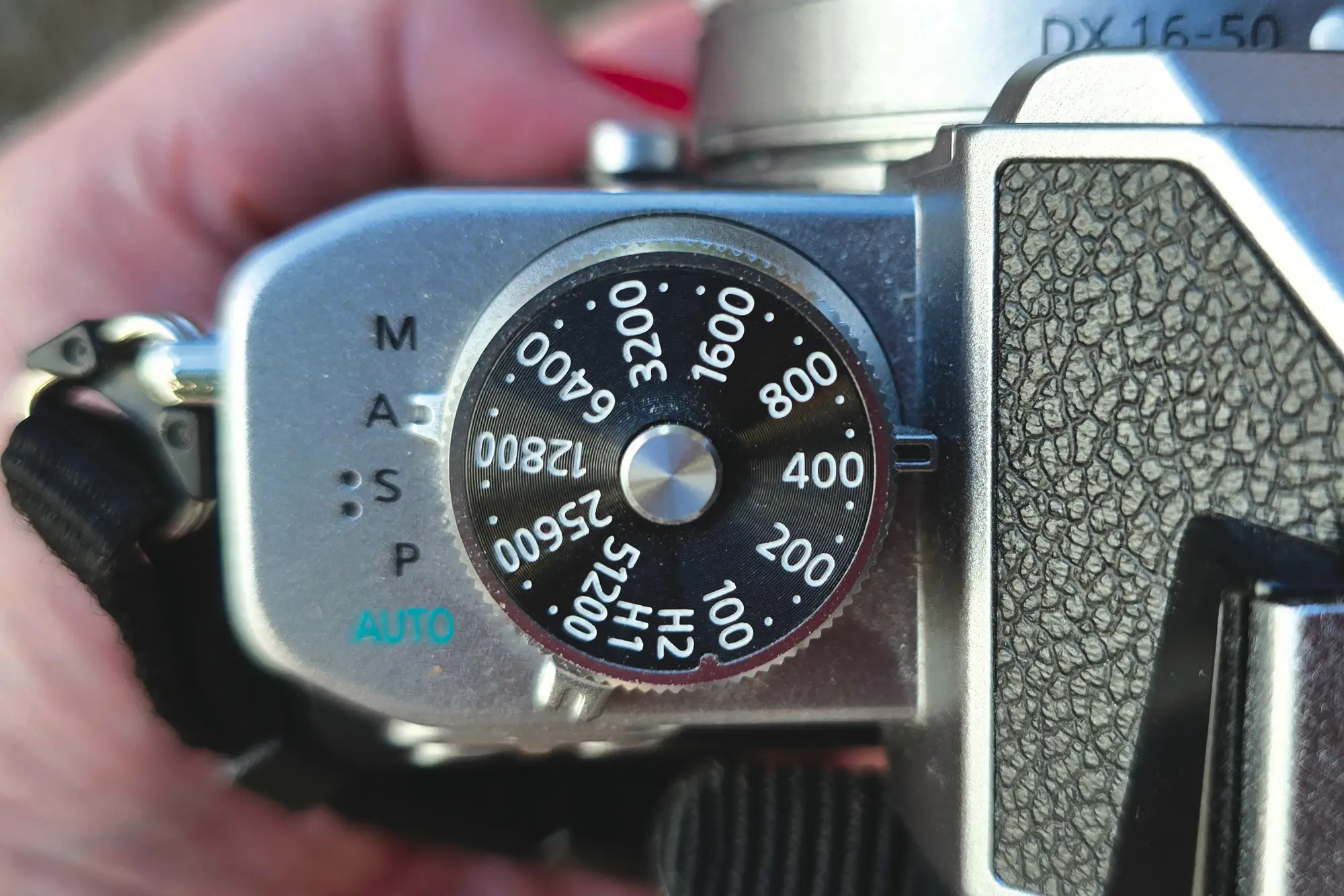
To control depth of field, the camera must be locked into Aperture Priority mode and set to a narrow aperture, such as f/16. While f/22 can theoretically offer even greater overall depth, diffraction at extreme apertures can soften image clarity, making f/16 the optimal sweet spot. Depending on the ambient lighting conditions—particularly in backlit environments where the foreground is cast in shadow while the background is brightly lit—metering choices are critical. Initial attempts utilizing center-weighted metering often result in overexposed backgrounds. Switching to highlight metering preserves the dynamic range, protecting bright exterior details from clipping. -
Focusing for Maximum Visual Impact
Manual or single-point autofocus must be targeted precisely on the portion of the toy car closest to the camera lens. Combined with the narrow aperture, this focal placement ensures that both the vehicle and the background elements retain enough structural definition for the human brain to accept the scale manipulation.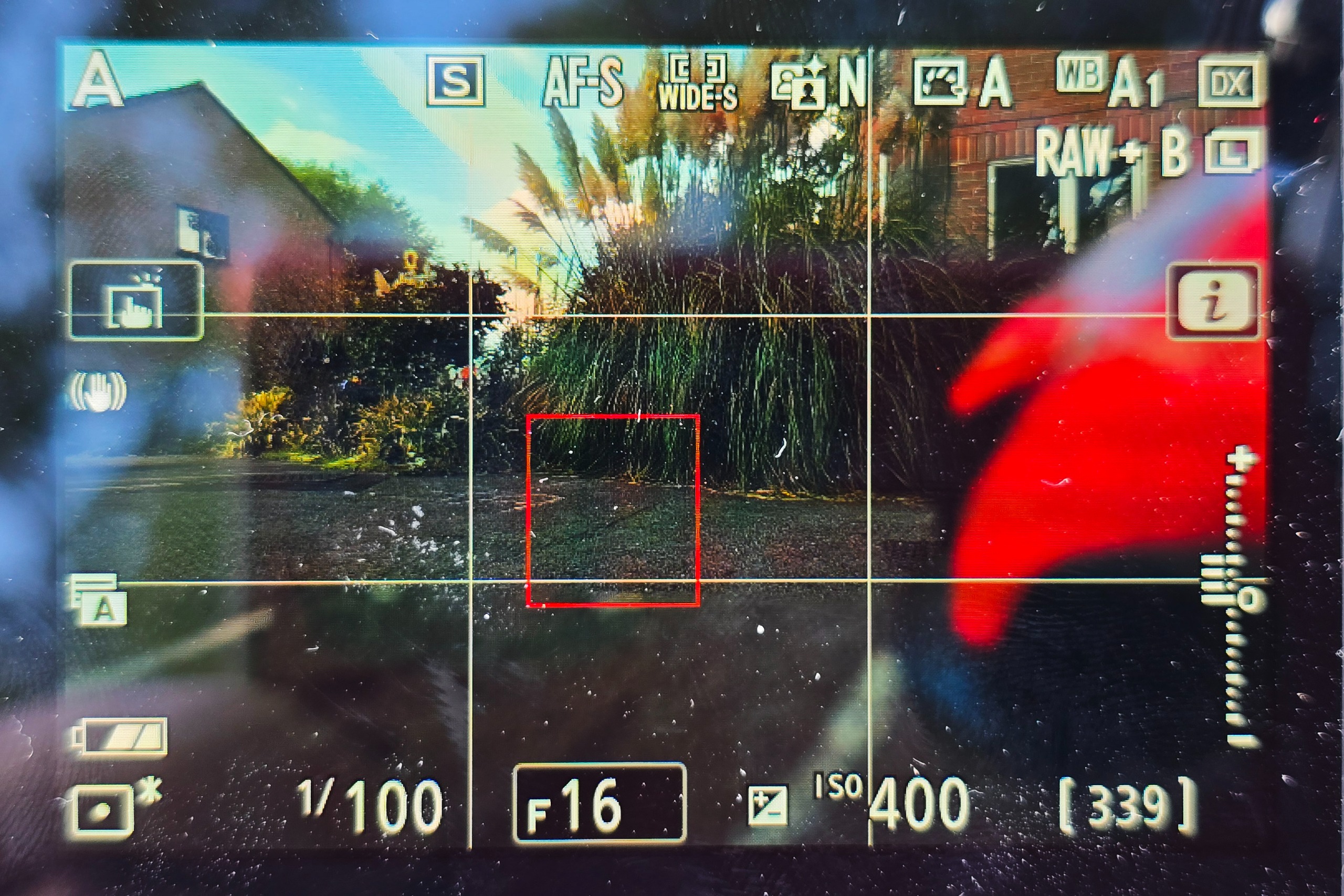
Industry Implications and Creative Applications
The accessibility of mirrorless crop-sensor cameras and advanced smartphone manual controls has democratized techniques once reserved for high-end commercial advertising and Hollywood visual effects studios. Photographers utilizing these principles can produce high-impact conceptual imagery without the overhead of renting full-scale exotic automobiles or securing closed-road permits.
Industry professionals note that while digital composite work (Photoshop manipulation) remains a dominant method for placing small objects into expansive environments, in-camera forced perspective offers a purist approach. By solving optical challenges physically through lens selection, aperture control, and environmental alignment, photographers achieve more natural lighting interactions, realistic shadows, and authentic reflections that digital cutouts often struggle to replicate.
As photographic technology continues to advance, the boundary between reality and optical illusion narrows. For hobbyists and working professionals alike, mastering the interplay of scale, sensor physics, and spatial geometry opens new avenues for creative storytelling, proving that imagination—paired with the right aperture—can make the miniature magnificent.