





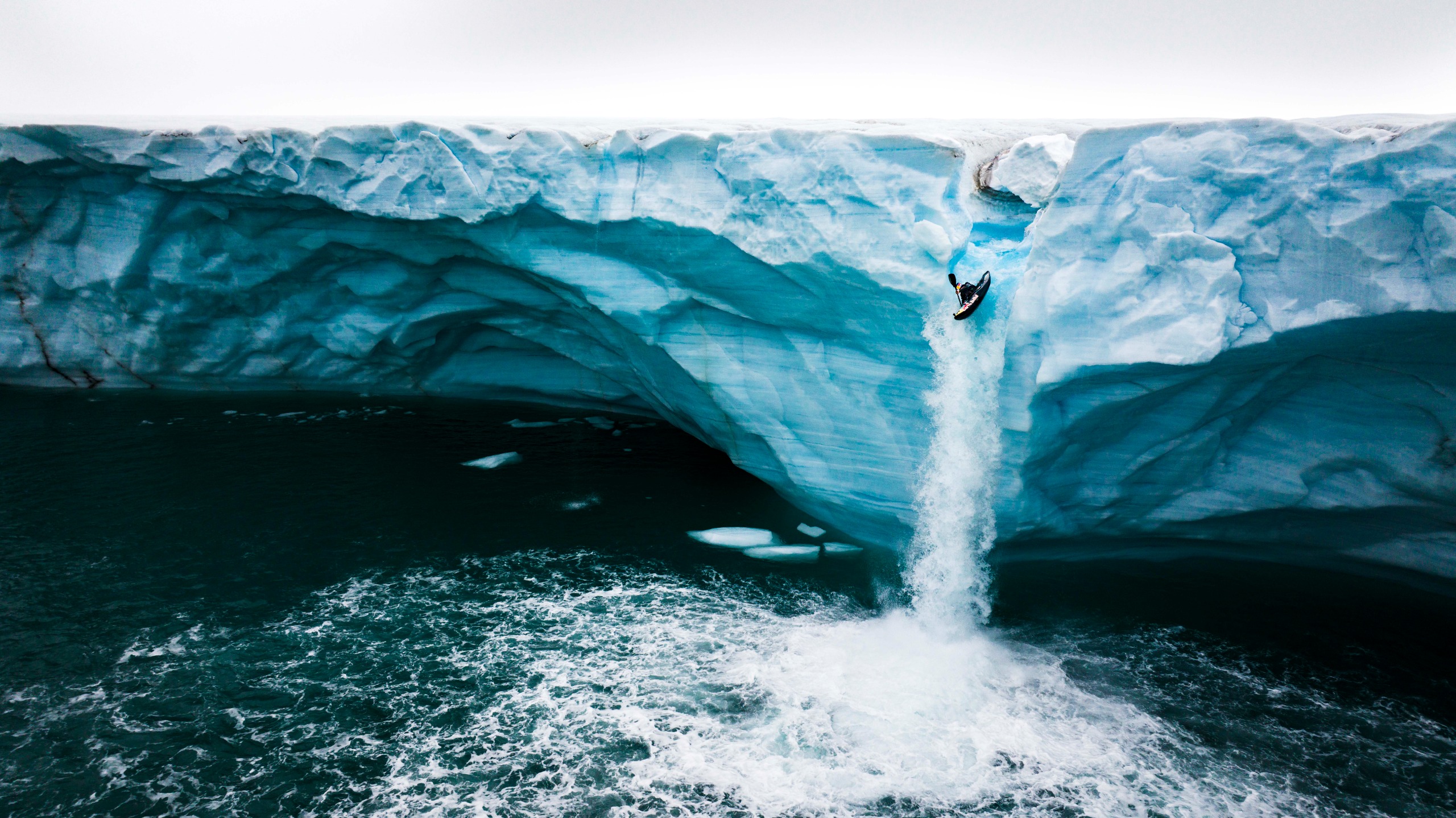
At first glance, the frame is dominated by an immense, imposing wall of blue-white glacial ice stretching from edge to edge, dwarfed only by a stark, flat white sky above and dark, churning water below. Only upon closer inspection does a tiny, dynamic element emerge: a solitary kayaker in a brightly colored vessel tipped at a near-vertical angle, plummeting down a powerful waterfall cascading through a narrow notch in the glacier’s ancient boundary.
This mesmerizing composition, captured in the remote expanses of Svalbard, Norway, earned Chilean photographer Gonzalo Robert Parraguez the prestigious Adventure Category victory at The Illume Awards 2026. Beyond the sheer visual spectacle of the stunt and the landscape, the award-winning image has captured the attention of the global photography community for its technical execution—specifically, its reliance on a consumer-grade aerial platform rather than traditional professional camera bodies and telephoto lenses.
The Technical Anatomy of an Award-Winning Arctic Shot
The winning photograph was captured using a DJI Mavic 3 Pro drone, a compact aerial device equipped with a multi-camera system, defying the common perception that world-class wildlife and adventure photography strictly requires bulky, high-end DSLR or mirrorless setups fitted with heavy glass.
Parraguez deployed specific exposure settings to freeze the volatile action of the plummeting kayak while preserving the intricate textures of the surrounding Arctic environment. Operating at a focal length of 24mm, the camera settings were locked at 1/1000 sec, f/2.8, and ISO 100.
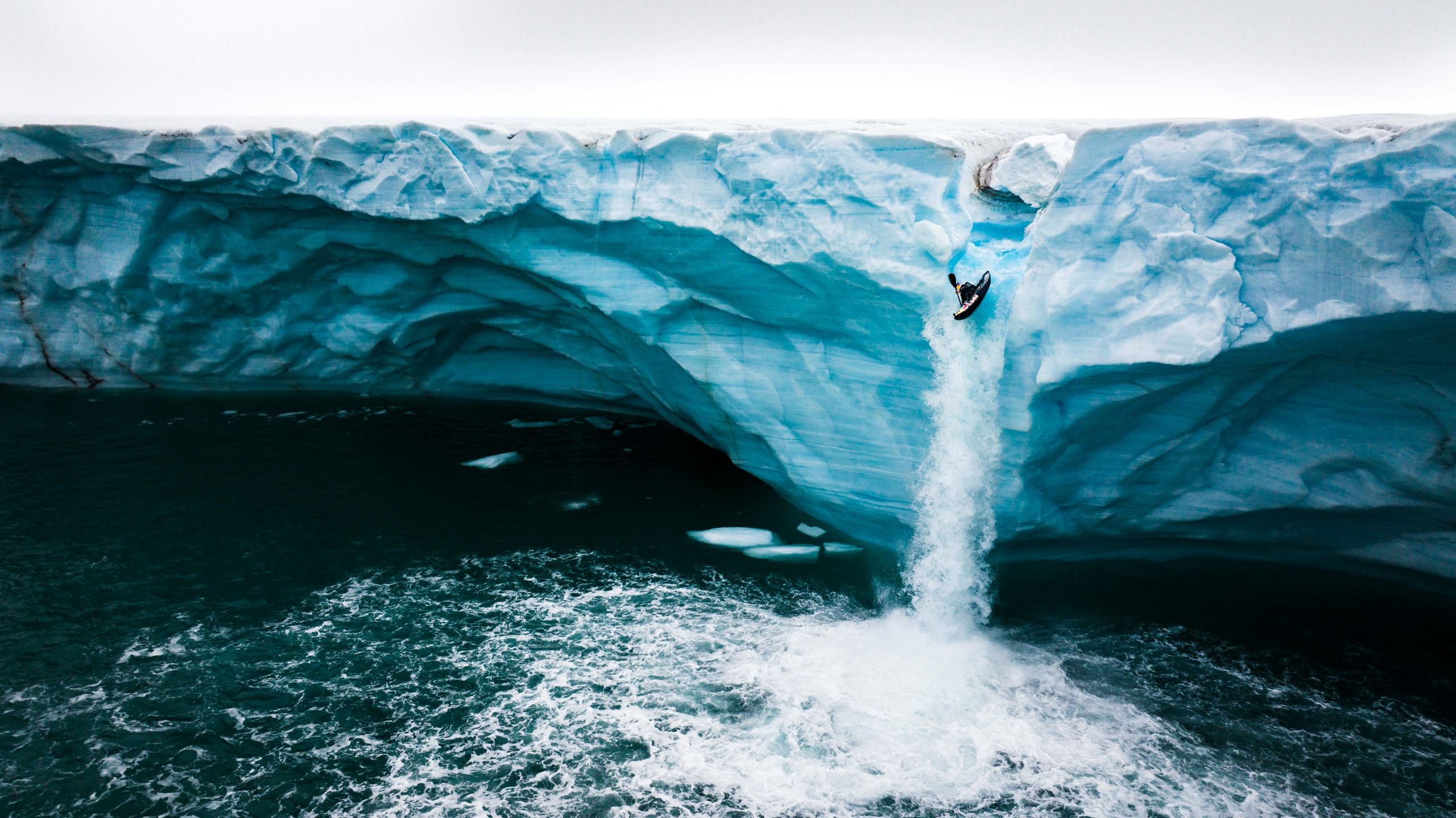
The high shutter speed of 1/1000th of a second was instrumental in freezing the motion of both the fast-moving subject and the violently churning water, rendering the kayaker remarkably sharp against the chaotic background. Meanwhile, keeping the ISO at 100 minimized digital noise, ensuring that the subtle tonal variations, granular details, and fine fractures within the blue-white glacial ice remained crisp and well-defined.
By hovering the drone at a strategic distance over the water, Parraguez utilized the wide-angle perspective to emphasize the sheer scale of the natural architecture. The framing consciously positions the athlete as an off-center speck, instilling a profound sense of scale and isolation that underscores the immense danger and magnificent scale of the Arctic wilderness.
The Human Element: Athlete and Artist Collaboration
While photographic accolades typically center on the person behind the lens, Parraguez has been vocal in shifting the narrative to recognize the collaborative nature of extreme sports documentation. The kayaker featured in the frame is Aniol Serrasolses, a world-renowned extreme kayaker and close personal friend of the photographer.
Reflecting on the grueling expedition, Parraguez dedicated the achievement entirely to the athlete, noting that Serrasolses was the primary driving force behind the entire project. Accessing the remote glacier required meticulous planning, specialized survival gear, navigational expertise, and unwavering physical endurance in unpredictable Arctic conditions.
"We always talk about the photo, but we rarely talk about the athletes," Parraguez remarked, emphasizing that Serrasolses’ vision and determination made it possible to transport camera equipment deep into an isolated Norwegian archipelago to capture unprecedented visuals in the middle of nowhere.
Inside The Illume Awards 2026 Judging Process
The Illume Awards, recognized globally as a premier platform celebrating the pinnacle of adventure and action sports photography, assembled an elite panel of judges for its 2026 edition. The judging committee featured renowned figures in visual storytelling, including photographer and author Chris Burkard, creative director and photographer Tim Kemple, photographer and filmmaker Savannah Cummins, Sidetracked Magazine founder John Summerton, and publisher Christian Bugnon. James Artaius, Editor-in-Chief of Digital Camera World, also lent his expertise to the rigorous evaluation process.
The panel was unanimous in praising the technical and emotional resonance of Parraguez’s submission. Christian Bugnon highlighted the photograph’s ability to strike a "perfect harmony between the raw majesty of the icy landscape, the extraordinary light, and the athlete’s total commitment."
Chris Burkard, whose own extensive portfolio includes landmark adventure imagery from the world’s most hostile environments, focused heavily on the element of timing. Burkard noted that action sports photography of this caliber often boils down to a single, unrepeatable fraction of a second where all variables must align perfectly, leaving the photographer and athlete with only one chance to execute the shot successfully.
The Rise of Drone Photography in Extreme Environments
The victory of an aerial drone image in a major international adventure photography competition underscores a broader technological shift within the industry. Historically, capturing waterfall descents and extreme glacial stunts required hazardous positioning by camera operators stationed on treacherous ice cliffs, utilizing heavy zoom lenses from fixed vantage points.
The proliferation of advanced consumer and prosumer drones, such as the DJI Mavic 3 series, has democratized creative angles previously deemed too dangerous, logistically impossible, or economically unfeasible to achieve. With stabilization systems capable of withstanding high-altitude winds, extended battery life in sub-zero temperatures, and surprisingly large sensors capable of raw image capture, drones have transformed from casual novelty gadgets into indispensable tools for modern photojournalists and documentary filmmakers.

However, operating in regions like Svalbard presents severe technical hurdles. Sub-zero temperatures rapidly deplete lithium-ion drone batteries, high winds can destabilize flight paths, and sudden weather shifts can impair sensor calibration and visual positioning systems. The success of Parraguez’s shoot highlights not only artistic vision but also the rigorous operational discipline required to pilot sophisticated electronics in extreme polar climates.
Broader Implications for the Photography Industry
As awards programs like The Illume Awards continue to spotlight unconventional methodologies, the boundary between traditional studio or field photography and aerial remote-capture continues to blur. The 2026 winning image serves as a case study for emerging photographers, proving that compelling storytelling relies less on the physical mass of the equipment and more on environmental awareness, precise technical control, timing, and collaborative trust between the creator and the subject.
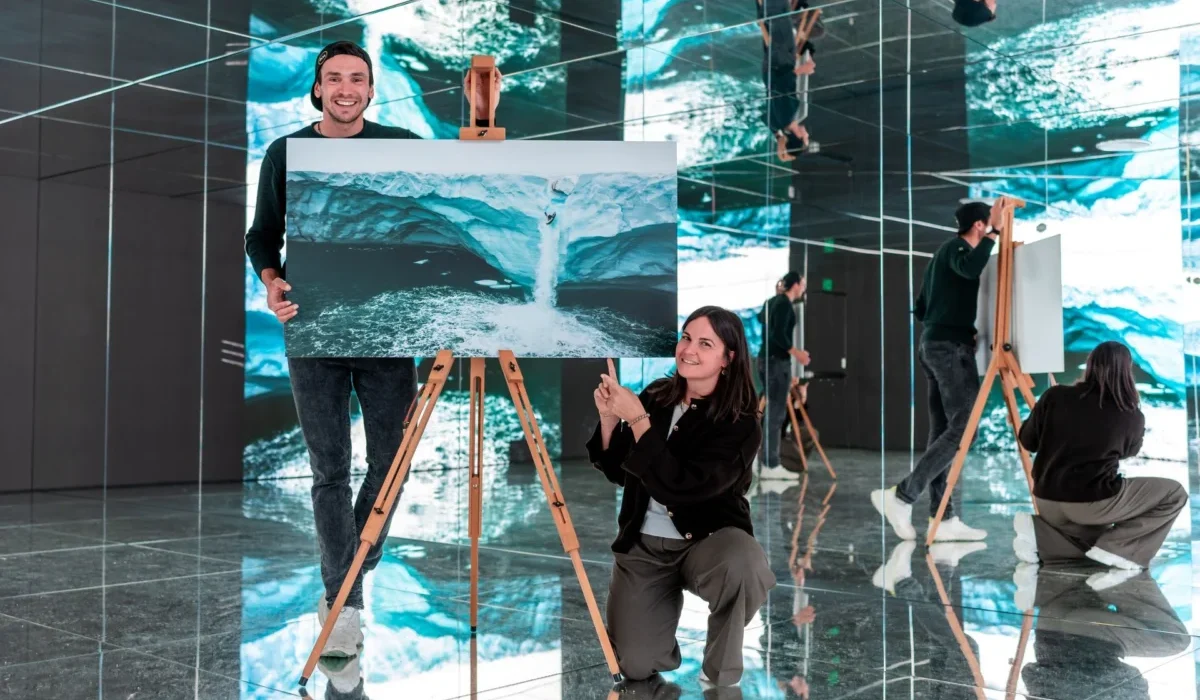
With the winning works now permanently archived and displayed within the official Illume Gallery, the photograph of Aniol Serrasolses plunging into the glacial abyss stands as a testament to human resilience, modern engineering, and the enduring power of visual storytelling in the world’s most extreme frontiers.