









The ballroom reveal represents a critical juncture in the professional wedding photography timeline, serving as a rare, fleeting window of opportunity to capture the grandeur of a reception space before it is populated by guests. This period, often lasting no more than 15 to 20 minutes, requires a synthesis of rapid-fire technical precision, strategic lighting, and high-pressure event management. As wedding venues have increasingly trended toward elaborate lighting designs and immersive décor, the professional expectation for high-quality portraits within these spaces has risen, forcing photographers to balance the aesthetic requirements of an editorial shoot with the logistical realities of a live event.

The Chronology of the Reveal
In the standard wedding day itinerary, the ballroom reveal occurs immediately after the catering staff and floral designers have completed their setup but moments before the doors open to the wedding guests. This sequence typically follows the conclusion of outdoor portraits or the cocktail hour. For a photographer, this window is often compressed by the final preparations of the catering team, who may be simultaneously placing glassware and finishing table settings.
The professional workflow generally adheres to a strict hierarchy of operations: equipment staging, test exposures for ambient light, the deployment of off-camera flash, and the execution of a pre-planned shot list. Because the room is often dimly lit to showcase mood lighting, the photographer must rapidly adjust to the low-light environment while ensuring that the subjects—the bride and groom—remain the primary focal point against the backdrop of intricate centerpieces and architectural lighting.

Technical Requirements and Gear Optimization
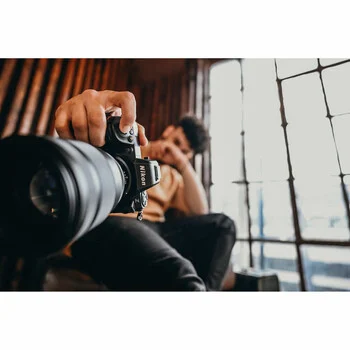
Capturing professional-grade imagery in a ballroom environment necessitates specialized equipment capable of high-performance in low-light scenarios. Industry standards for this phase of the shoot include full-frame camera bodies with high ISO sensitivity to minimize noise. Prime lenses with apertures of f/2.8 or wider are considered essential, as they facilitate both the accumulation of ambient light and the creation of a soft, aesthetic background blur (bokeh) that isolates the couple from the busy décor.
Lighting remains the most significant technical hurdle. Most professional photographers utilize a multi-point lighting setup, often consisting of two off-camera flash units. To ensure the light is flattering, modifiers such as umbrellas or softboxes are employed to diffuse harsh, direct rays. Furthermore, flash grids are frequently utilized to prevent light spill, which ensures that the illumination is directed specifically toward the subjects rather than flooding the carefully curated decor of the ballroom. According to recent surveys of professional wedding photographers, approximately 85% of high-end wedding portraits in indoor venues utilize at least one source of off-camera flash to ensure depth and clarity.
Essential Portrait Configurations
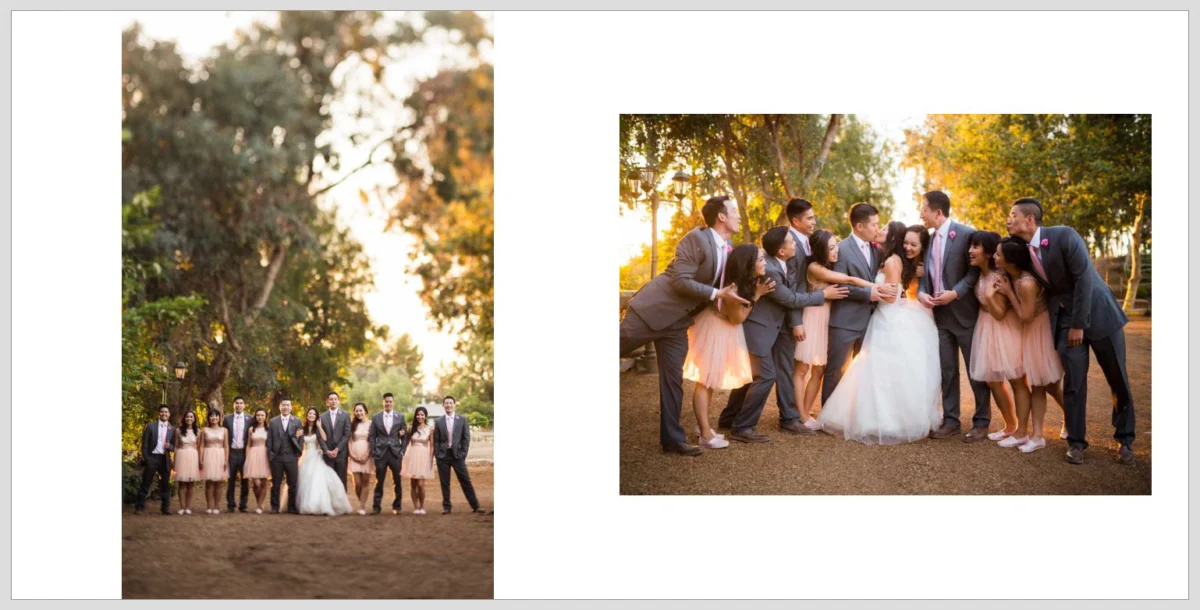
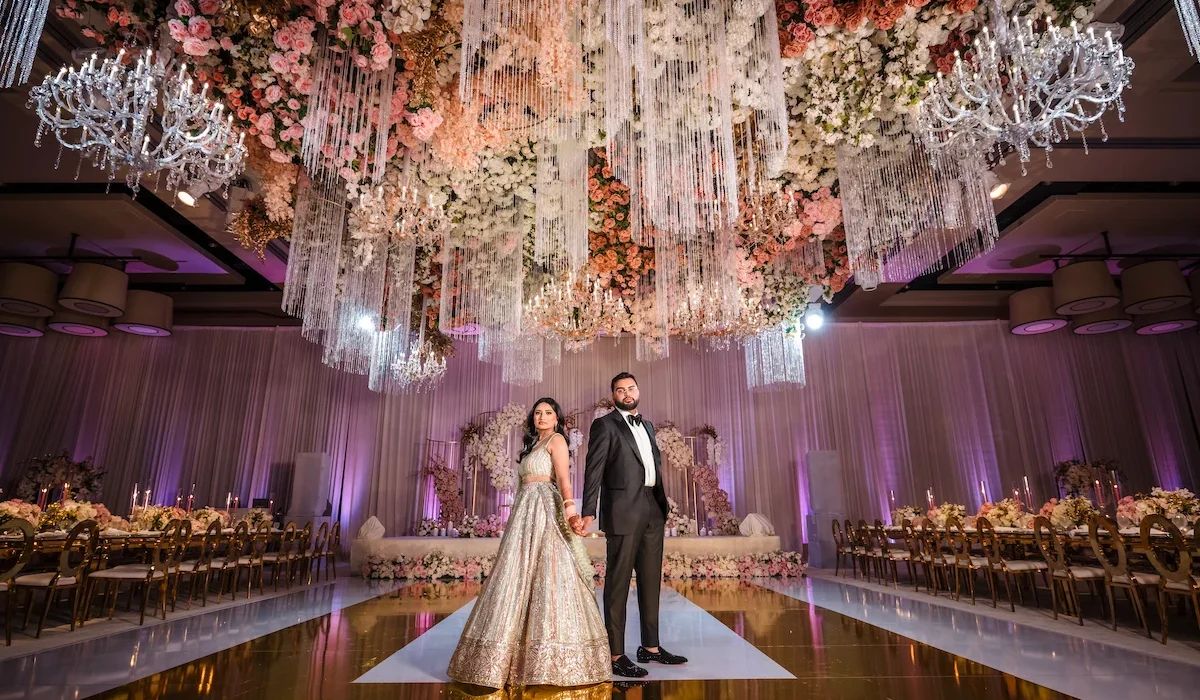
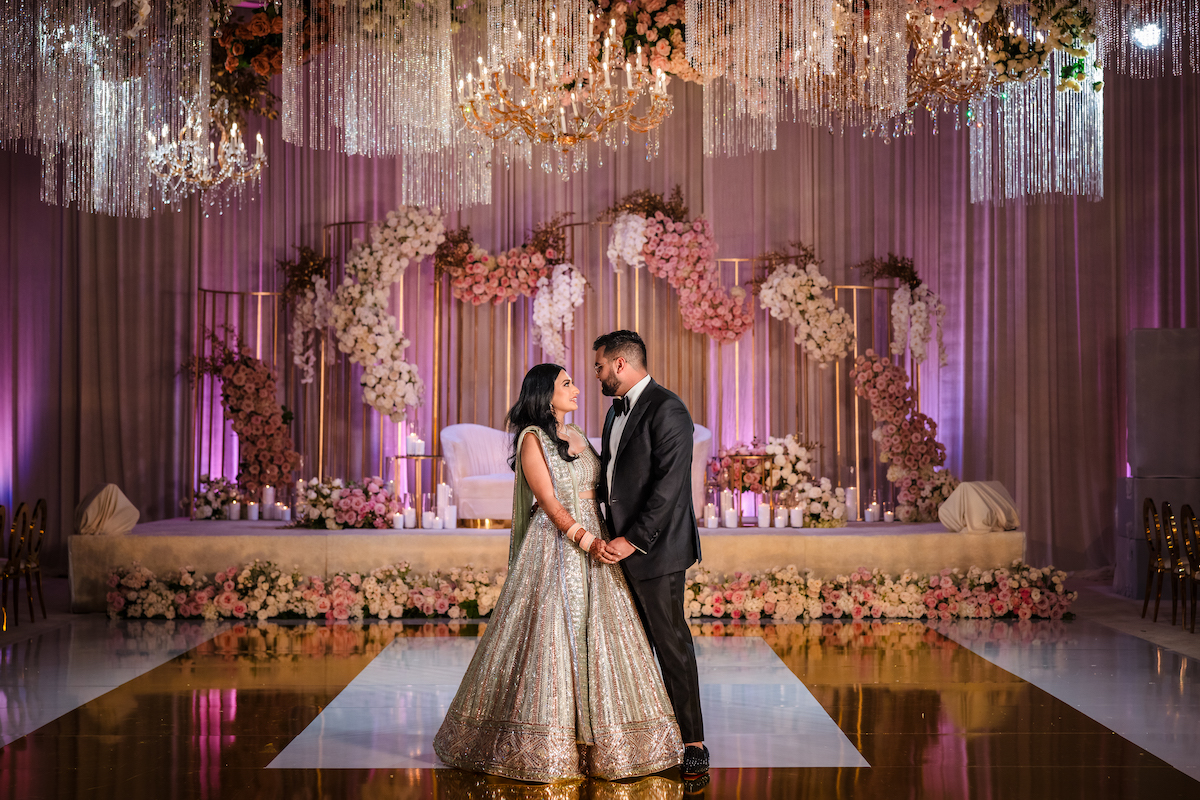
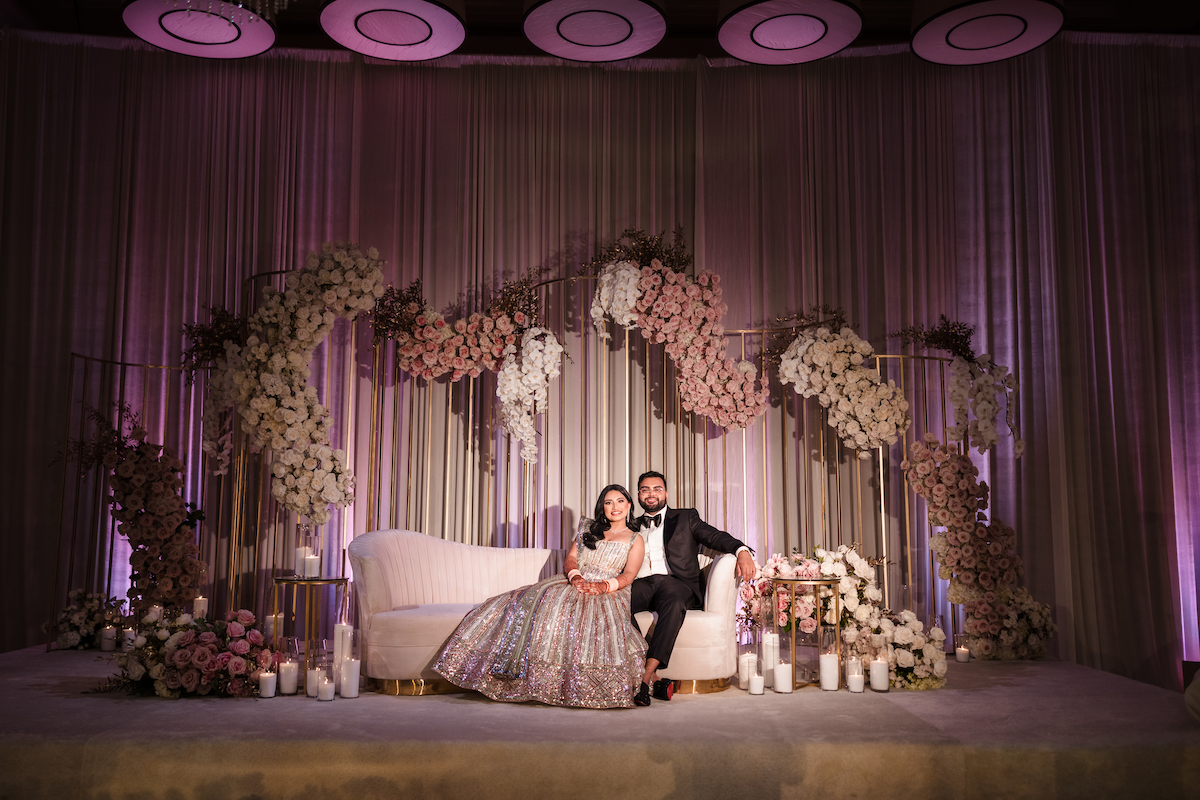
A systematic approach to the shot list ensures that photographers maximize the limited time available. The foundational image is the classic centered portrait on the stage or dance floor, typically positioned approximately five feet from the main backdrop. This spacing is vital for two reasons: it prevents the flash from washing out the background details and allows for a slight depth-of-field separation.
Following the base composition, photographers pivot to micro-variations to provide the client with a broader selection. These include:
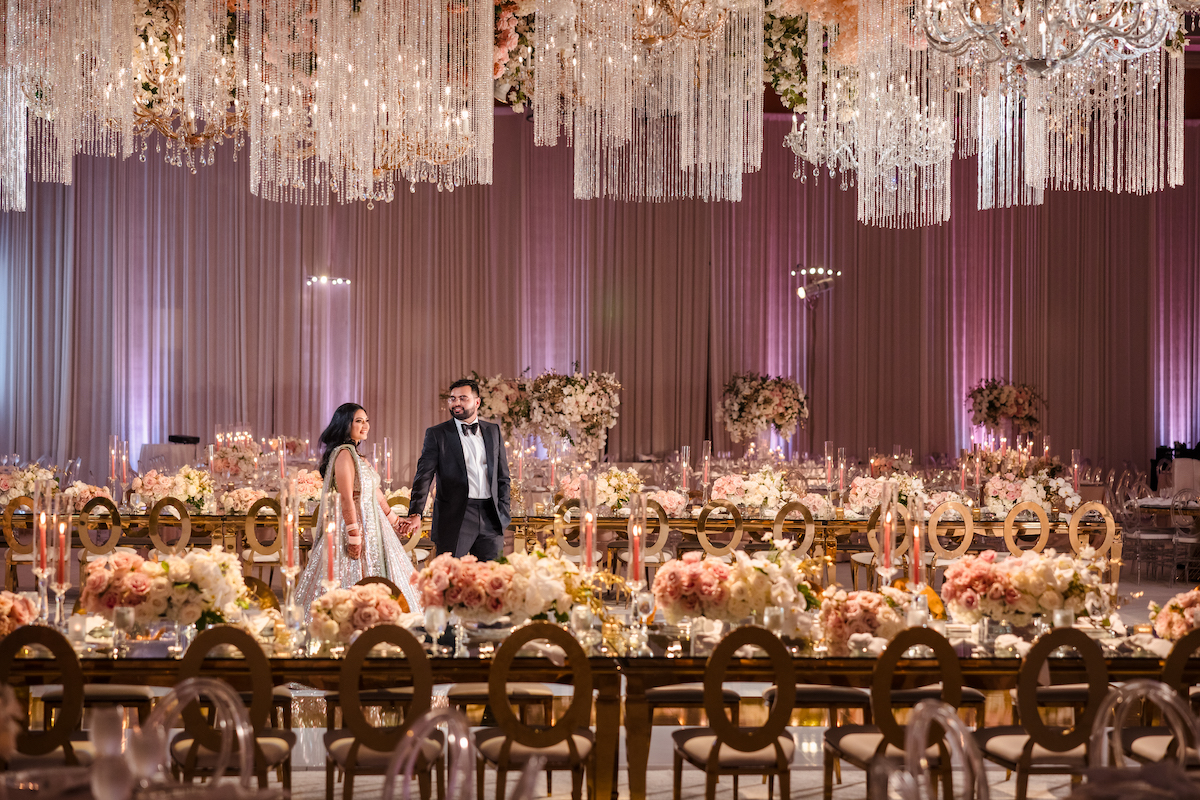
- Verticality and Perspective: Utilizing the venue’s architecture by shooting from low angles to emphasize ceiling installations or from high vantage points to showcase the layout of the tables.
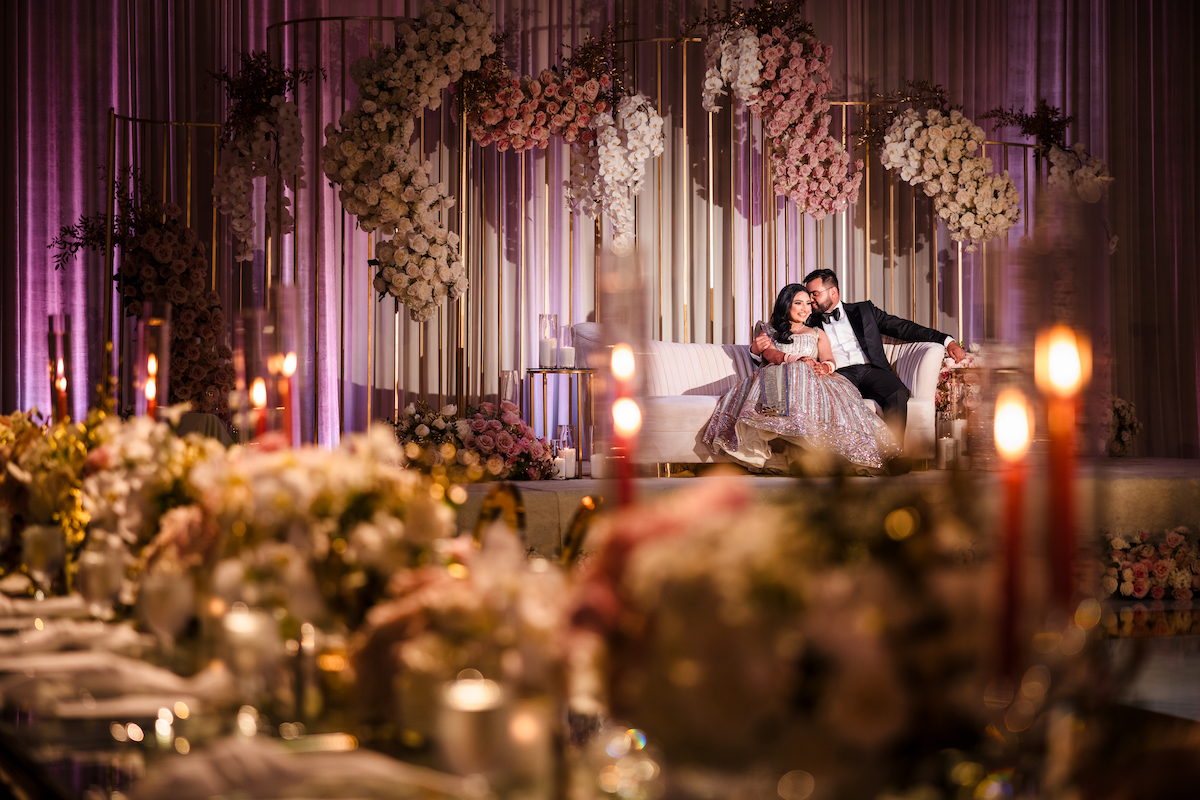
- Layered Composition: Employing zoom lenses (typically in the 70-200mm range) to "shoot through" foreground elements such as floral arrangements or candelabras. This creates a layered, cinematic aesthetic that adds physical depth to the image.
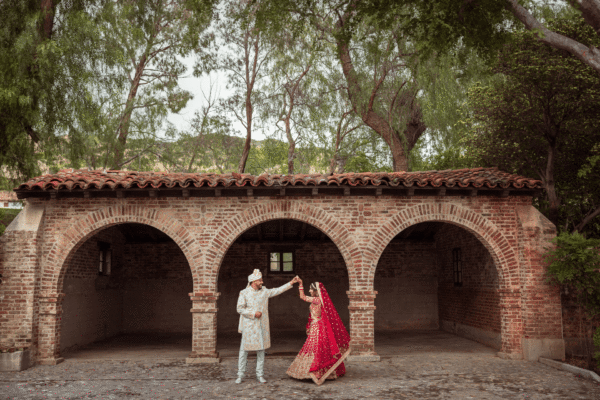
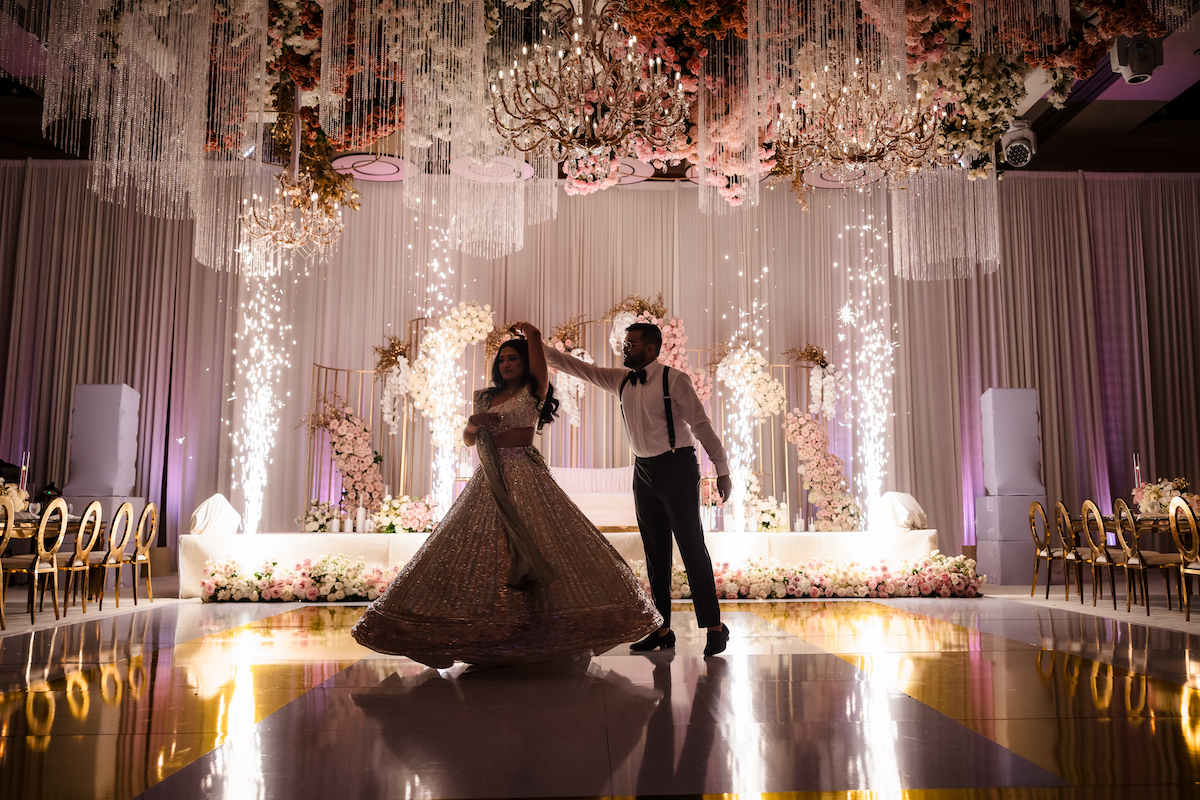
- Dynamic Movement: To avoid the "staged" look, photographers increasingly encourage couples to walk toward the camera or rehearse the first dance. This adds a sense of vitality that static, posed portraits often lack.
- Editorial Posing: Borrowing techniques from high-fashion photography, such as back-to-back positioning or unconventional hand placement, elevates the images from mere documentation to artistic portraiture.
Mitigating Operational Risks
The ballroom reveal is a high-pressure environment defined by the competing interests of various vendors. A wedding planner may be prioritizing the prompt opening of doors, the band may be performing a sound check, and service staff may be placing final touches on place settings. Managing these variables is a core competency for the professional photographer.
Common mistakes often stem from a lack of preparation or poor communication. Rushing through the shot list often results in soft focus or inconsistent lighting. Professional photographers are advised to maintain a calm, authoritative demeanor. If a vendor needs to move through the space, the photographer must effectively manage the "crowd control" to ensure the integrity of the scene is not compromised. Furthermore, neglecting to double-check the fine details—such as the alignment of a train, the placement of hands, or the symmetry of the subjects within the frame—can lead to images that require significant post-production correction.
The Broader Impact of Professionalism
The implication of a successful ballroom reveal extends far beyond the final image count. In the age of social media, these portraits serve as a primary marketing tool for both the venue and the photographer. They showcase the venue’s ability to host high-end events and the photographer’s capacity to handle challenging lighting conditions. When executed correctly, these images become the visual "hero shots" of the wedding album, representing the peak of the couple’s aesthetic vision.
From an economic perspective, the ability to deliver these images efficiently increases the perceived value of the photography package. Clients expect a variety of perspectives, and by systematically working through a diverse range of compositions—from wide-angle architectural shots to tight, intimate portraits—the photographer demonstrates a comprehensive skill set that justifies premium service fees.
Data and Industry Standards
In the current wedding market, the demand for "editorial" style photography has surged. Data from major photography platforms suggest that weddings involving elaborate ballroom setups now account for a significant portion of the luxury sector, with average floral and lighting budgets reaching record highs. Consequently, the pressure on photographers to capture the "reveal" accurately has never been greater.
The reliance on flash equipment, specifically, has increased by an estimated 20% over the last five years, as photographers move away from natural light dependency toward more controlled, artificial lighting environments. This shift reflects a broader industry movement toward technical mastery as a means of differentiation in a saturated market.
Conclusion: The Synthesis of Vision and Logistics
The ballroom reveal is a testament to the fact that photography is as much about logistics as it is about artistry. The process of documenting a space before the arrival of guests requires the photographer to anticipate the flow of the event, communicate effectively with the planning team, and utilize technical gear with fluid expertise. By following a structured approach—starting with the classic center-stage composition and expanding into diverse, creative variations—photographers can ensure they capture the full narrative arc of the reception decor. Ultimately, these photographs serve as a permanent record of the fleeting beauty of the wedding day, requiring a steady hand, a sharp eye, and the ability to find artistic expression under the ticking clock of a live, fast-paced event. Through careful planning and technical rigor, the ballroom reveal remains one of the most rewarding opportunities for a photographer to showcase the grandeur of their craft.