








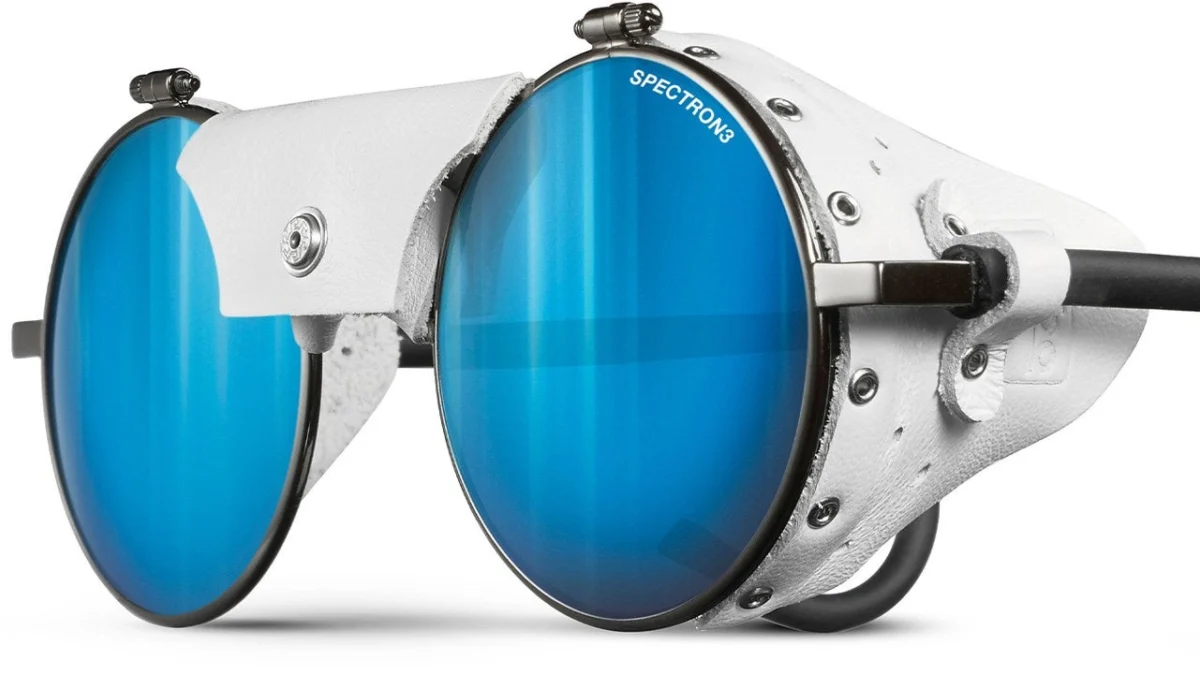
The contemporary outdoor gear market is overwhelmingly dominated by hyper-aerodynamic, wraparound synthetic sunglasses designed to mimic professional cycling and running aesthetics. Yet, a dedicated faction of mountaineers, alpine trekkers, and heritage style enthusiasts continue to reject these swoopy sport frames in favor of a distinct mid-century look. Leading this retro resistance is the Julbo Vermont Classic, a piece of mountaineering equipment that bridges the gap between 1950s alpine style and modern technological functionality. Currently available at outdoor retailer REI for $115, reflecting a 30 percent discount off its standard retail price, these iconic frames continue to polarize consumers while cementing their status as a functional piece of high-altitude gear.
The Divisive Aesthetics of High-Altitude Heritage
Julbo’s Vermont Classic glacier sunglasses have an uncanny ability to instantly divide the outdoor community into two distinct camps. On one side are those who dismiss the round lenses, metallic frames, and old-school leather attachments as uncool relics of a bygone era. On the other side are purists and fashion-forward adventurers who view the design as the pinnacle of timeless alpine cool. Even within professional gear-testing publications like Backpacker, opinions remain fiercely divided.
Regardless of personal style preferences, however, it is impossible to ignore the striking visual footprint of the Vermont Classic. The design strips away the aggressive plastics and neon colorways typical of modern sports optics, replacing them with a polished metal chassis, supple leather components, and a silhouette that recalls the golden age of European mountaineering conquests in the Alps during the mid-twentieth century.
Engineering for Extreme Environments: Function Meets Form
Beyond their polarizing appearance, the Julbo Vermont Classics are built to perform in the harshest environments on earth. Above the treeline, alpine travelers face intense solar radiation and blinding snow glare, which can lead to photokeratitis—commonly known as snow blindness—as well as long-term UV damage to the eyes.
To combat these extreme conditions, the Vermont Classic incorporates traditional glacier glass architecture enhanced with modern materials. The most prominent protective features are the removable leather side shields, which block peripheral light from sneaking in around the edges of the frames. Additionally, a matching leather bridge protector shields the nose from intense, direct solar radiation and reflected glare off high-altitude snowfields.
The security of the eyewear is managed through specialized temple arms. Rather than relying on simple straight stems that grip the sides of the head, the ends of the glasses are shaped like a shepherd’s crook. These flexible, looped arms wrap securely around the back of the ear, ensuring that the frames will not jostle free during rigorous scrambling, high winds, or technical mountaineering maneuvers.
Evolution of a Classic: Marrying Heritage with Modern Polycarbonate
While the exterior silhouette remains heavily rooted in 1950s mountaineering heritage, Julbo has carefully integrated contemporary lens technology to meet modern safety and optical standards. Historically, traditional glacier glasses utilized heavy, fragile silicate glass lenses to block UV rays and glare.
In the modern iteration of the Vermont Classic, Julbo has swapped out traditional glass for advanced polycarbonate lenses. This shift significantly reduces the overall weight of the eyewear while dramatically increasing impact resistance—a critical safety factor when navigating rocky terrain or ice-climbing routes where accidental drops or impacts are common. Despite the shift to a synthetic material, these modern lenses provide 100 percent protection against UVA, UVB, and UVC rays, ensuring that modern eye safety standards are fully met without sacrificing the vintage aesthetic.
Chronology of High-Altitude Eyewear
The lineage of the glacier glass dates back to the early days of technical mountaineering in the European Alps. Understanding the evolution of these optical tools provides essential context for why designs like the Vermont Classic endure today.
- Late 19th to Early 20th Century: Early mountaineers experimented with rudimentary tinted lenses, often using dark green or smoked glass held on by simple leather straps, to combat snow blindness during ascents of Mont Blanc and surrounding peaks.
- The 1950s Golden Era: French optics manufacturers, including Julbo—which was founded in the Jura mountains in the late 19th century—began standardizing glacier eyewear. The introduction of metal-framed glasses featuring leather side shields became the industry standard for expeditions tackling the Himalayas and the Alps.
- The Late 20th Century Shift: As synthetic materials advanced, the outdoor market shifted heavily toward lightweight plastics, wraparound designs, and nylon frames, pushing traditional metal-and-leather glacier glasses into niche, specialized categories.
- The Contemporary Revival: In recent years, a broader consumer appreciation for heritage gear, combined with a rejection of hyper-modern aesthetics, has propelled classic mountaineering designs back into the mainstream spotlight among both technical climbers and urban fashion enthusiasts.
Market Positioning and Consumer Response
The enduring appeal of the Julbo Vermont Classic highlights a broader trend within the outdoor apparel and equipment sector: the renaissance of heritage design. While brands constantly push the envelope with lighter, more technical synthetic gear, consumers increasingly value items with a visible history and authentic pedigree.
Industry analysts note that products bridging the gap between lifestyle aesthetics and technical performance often achieve cult status. The Vermont Classic occupies a unique intersection where functionality is not compromised for fashion, nor is fashion ignored in the pursuit of pure utility.
Retailers have observed steady demand for these specialized frames, particularly as shoulder-season alpine trekking and winter mountaineering grow in popularity. The recent discounting of the frames at major outdoor outfitters like REI makes the niche product more accessible to casual hikers who might otherwise hesitate to invest in specialized high-altitude gear.
Broader Implications for Technical Outdoor Gear
The commercial and cultural longevity of the Julbo Vermont Classic offers several insights for outdoor gear manufacturers. First, it demonstrates that good design is durable; functional engineering solutions developed decades ago—such as peripheral leather shielding and ear-locking temple hooks—remain remarkably effective today.
Second, it proves that consumers are fatigued by homogenous product categories. In a market saturated with identical high-tech wraparound sunglasses, products with distinct character stand out. By maintaining the core aesthetic that defined an era of legendary mountaineering while quietly upgrading the internal lens components to modern polycarbonate standards, manufacturers can satisfy both the desire for nostalgia and the demand for safety.
Ultimately, whether worn on a grueling expedition above 10,000 feet or spotted on a sunny urban street corner, the Julbo Vermont Classic remains a testament to the enduring marriage of form and function. As long as adventurers seek out extreme alpine environments—and stylish protection from the elements—these distinctive leather-and-metal frames will continue to command attention, proving that true classics never truly fade from view.