The landscape of ultra-compact computing has reached a staggering new milestone with the official launch of the GMKtec Evo-X5 Pro. Designed specifically to cater to the heavy computational demands of agentic AI workflows, professional content creation, and enterprise-grade local processing, this new mini-PC challenges traditional workstation paradigms. By packing enterprise-level hardware—most notably AMD’s flagship Ryzen AI Max+ Pro 495 processor paired with an unprecedented 192GB of LPDDR5X-8533 unified memory—into a pint-sized desktop form factor, GMKtec is boldly blurring the line between pocket-sized convenience and brute-force workstation capability.
However, this immense computing power comes with a correspondingly massive price tag. The base configuration, equipped with a 2TB PCIe 4.0 solid-state drive, carries a retail price of $6,799, while consumers opting for the expanded 4TB storage model will see costs climb to $7,099. These figures position the Evo-X5 Pro firmly outside the realm of typical consumer mini-PCs, targeting instead elite professionals, developers, and researchers who require maximum local processing power without the desk space footprint of a full tower.
Architectural Breakdown: Under the Hood of the Evo-X5 Pro
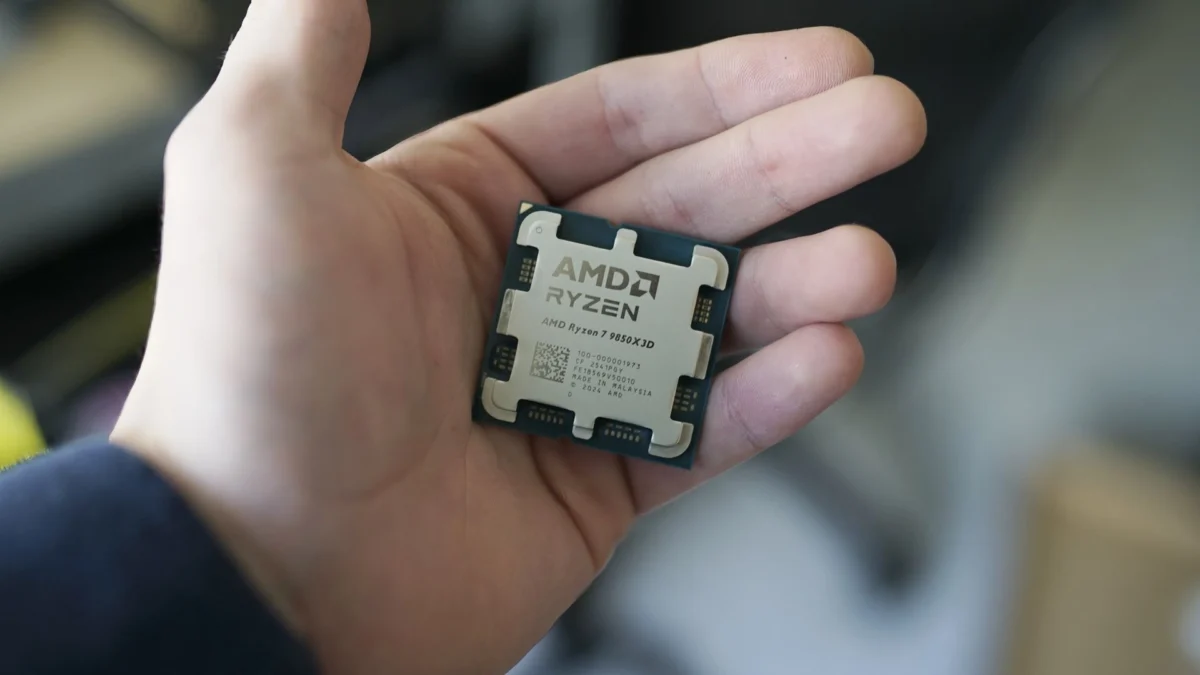
To understand the positioning and pricing of the GMKtec Evo-X5 Pro, one must look closely at the silicon driving the machine. At its heart lies the AMD Ryzen AI Max+ Pro 495 processor—part of AMD’s formidable "Gorgon Halo" APU lineup. This refreshed architecture leverages AMD’s advanced Zen 5 CPU cores alongside RDNA 3.5 integrated graphics, capable of clock speeds reaching up to 5.2 GHz.
What truly sets this APU apart, and what justifies the machine’s footprint within the emerging "agentic AI" hardware category, is its massive subsystem scalability. The integration of 192GB of LPDDR5X memory running at a blistering 8533 MT/s provides a unified memory architecture. In traditional desktop setups, system memory (RAM) and graphics memory (VRAM) are strictly segregated, creating bottlenecks when moving massive datasets between the CPU and GPU. With a unified memory pool of nearly 200GB, the Evo-X5 Pro allows large language models (LLMs), deep learning algorithms, and massive rendering caches to reside entirely within high-speed memory, accessible instantaneously by both the processor cores and the integrated graphics engine.
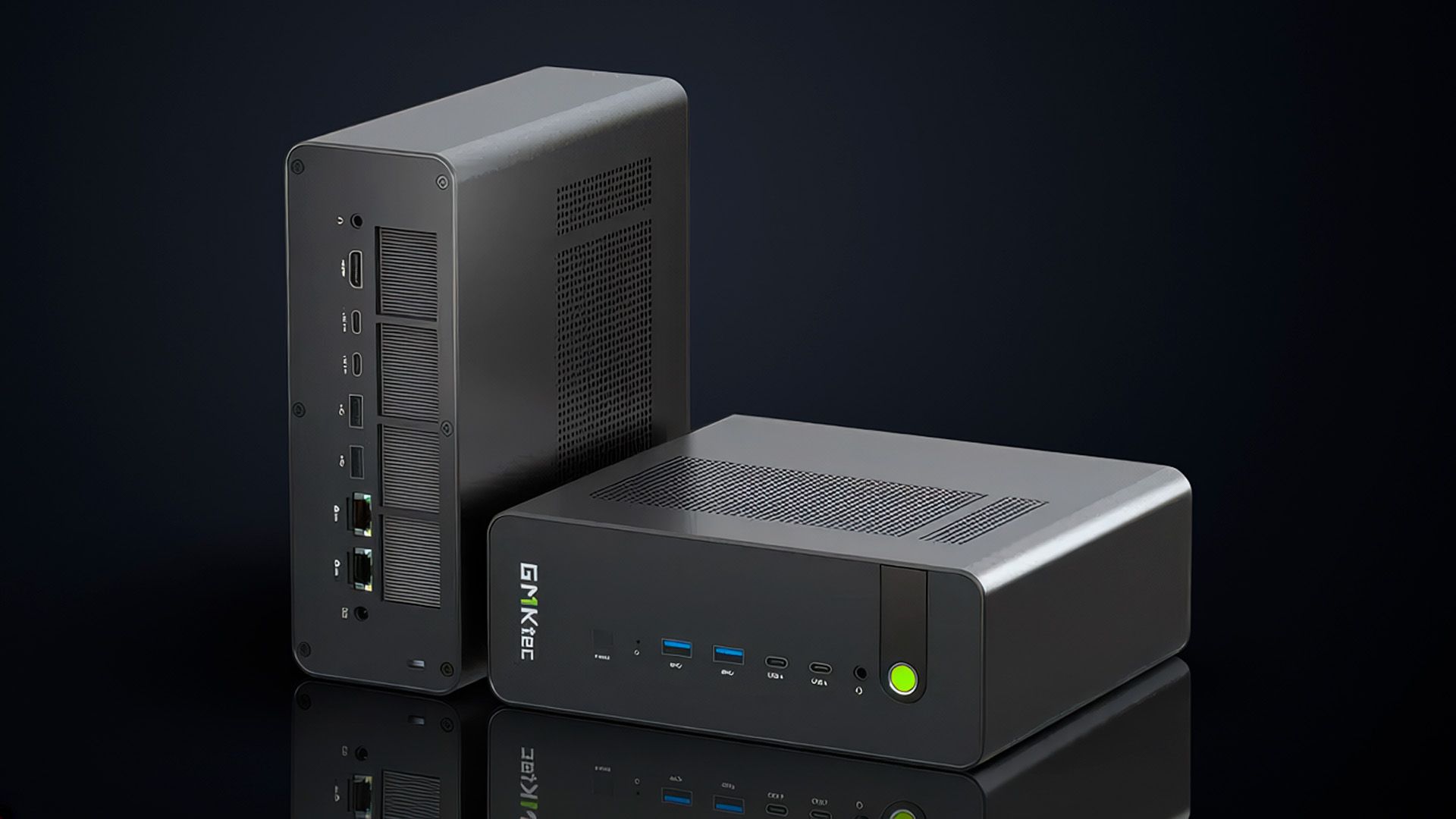
Complementing this compute engine are ultra-fast storage options utilizing PCIe 4.0 NVMe architecture. Available in 2TB and 4TB capacities, these high-end SSDs ensure that read and write speeds do not become the limiting factor when handling multi-gigabyte datasets, video files, or complex AI checkpoint weights.
The Rise of Agentic AI and the Mini-PC Evolution
The launch of the Evo-X5 Pro did not happen in a vacuum; it represents the convergence of several distinct trends in the modern computing industry. Over the past several years, mini-PCs have transitioned from modest office-automation boxes—capable only of web browsing, word processing, and light media consumption—into powerhouse systems capable of handling gaming, 4K video editing, and software compilation.
Concurrently, the artificial intelligence landscape has shifted dramatically. While early generative AI tools relied heavily on cloud-based server farms operated by tech giants, security, latency, and privacy concerns have catalyzed a massive push toward local, edge-based AI processing. "Agentic AI"—systems capable of autonomous reasoning, multi-step problem solving, and executing complex workflows without constant human intervention—demands exceptional local hardware capabilities. Running these localized models requires massive memory bandwidth and capacity, attributes that previous-generation mini-PCs simply could not provide due to thermal and motherboard limitations.
GMKtec’s engineering team identified this market gap early. By harnessing AMD’s enterprise-class mobile and embedded silicon, the company has successfully engineered a thermal and power delivery solution compact enough to fit on a desk, yet powerful enough to run workloads previously relegated to rack-mounted servers or expensive dual-GPU desktop workstations.
Market Positioning and Consumer Impact
Priced between $6,799 and $7,099, the GMKtec Evo-X5 Pro occupies an unusual and highly specialized niche. For the average consumer or casual PC gamer, this price point is prohibitive, as traditional desktop configurations with discrete graphics cards can deliver comparable gaming performance for a fraction of the cost.
However, GMKtec is explicitly not targeting the consumer retail market with this device. Instead, the target demographic includes software developers training and testing localized AI agents, data scientists requiring mobile workstation power, financial analysts processing high-volume secure models locally, and creative professionals who need high-bandwidth memory for heavy rendering and simulation tasks.
Industry analysts note that while the upfront cost of the Evo-X5 Pro is steep, it presents a compelling value proposition when compared to enterprise-grade server rentals or specialized AI development workstations. By eliminating recurring cloud compute subscription fees and keeping sensitive proprietary data strictly on-premises, organizations can offset the initial hardware expenditure over time.
Broader Implications for the Hardware Industry
The arrival of systems like the GMKtec Evo-X5 Pro signals a broader transformation in how high-performance computing is packaged and delivered. As silicon manufacturers continue to refine unified memory architectures and boost NPU (Neural Processing Unit) performance, the traditional boundary between desktop towers and compact form factors is dissolving.
Competitors in the mini-PC space are expected to closely monitor the market reception of GMKtec’s flagship offering. If enterprise buyers and AI developers embrace the combination of the Ryzen AI Max+ Pro 495 and massive memory configurations in a ultra-compact chassis, it could trigger a wave of similar high-end releases from rival manufacturers.
Ultimately, the GMKtec Evo-X5 Pro stands as a bold technological showcase. It demonstrates that thermal and spatial constraints are no longer absolute barriers to enterprise-grade processing power, paving the way for a future where the most demanding artificial intelligence tasks can be executed locally, efficiently, and discreetly from a device that sits comfortably in the palm of a hand.