








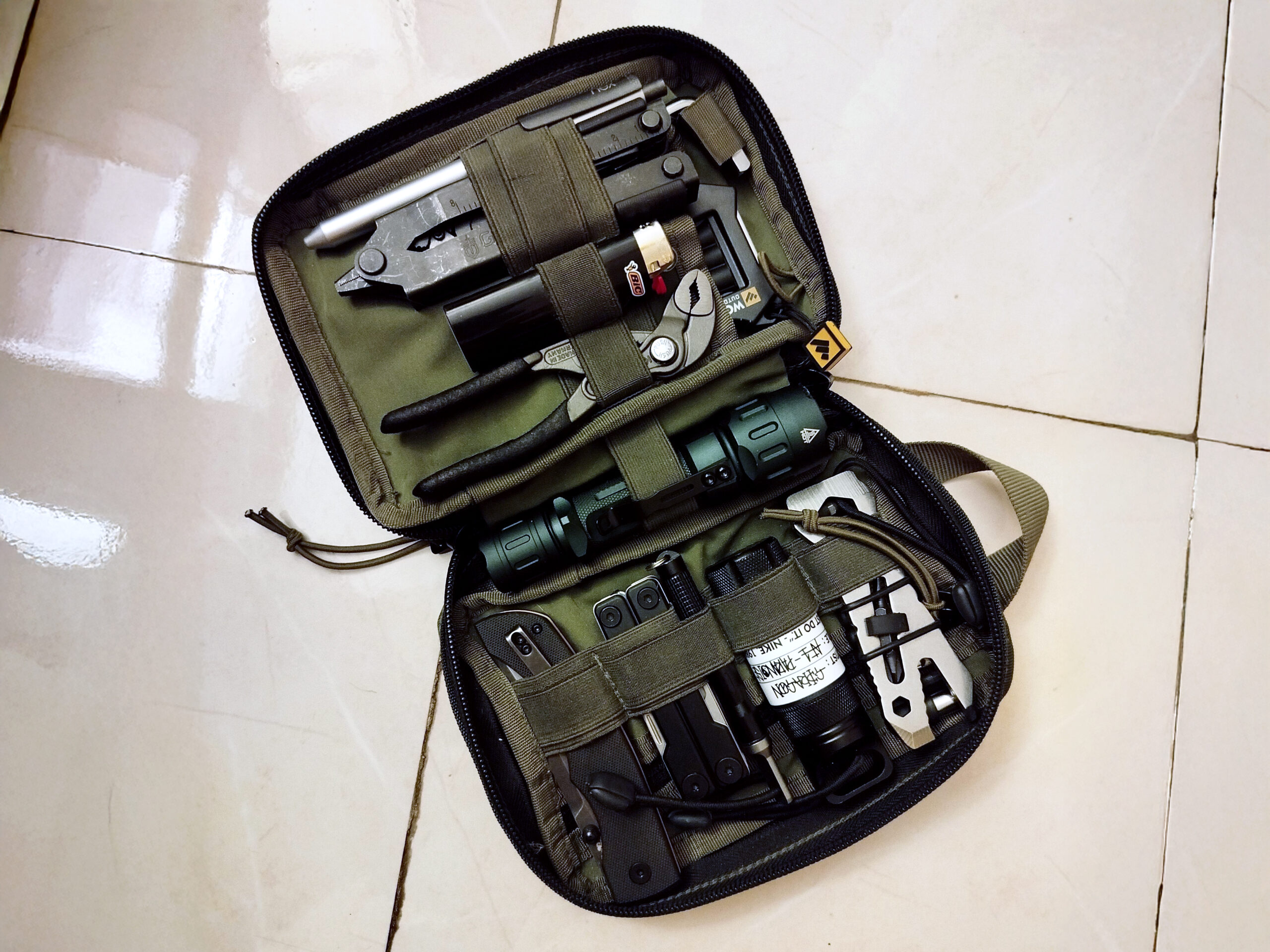
The modern landscape of outdoor recreation has increasingly intersected with the high-stakes world of remote professional work, leading to a surge in specialized Everyday Carry (EDC) configurations. As software engineers and digital nomads seek refuge in quiet, remote campsites, the necessity for robust, multi-functional toolsets has transformed from a hobbyist’s interest into a critical component of off-grid preparedness. A recent submission by a software engineer identified as Dezdenova highlights this shift, showcasing a highly curated pouch organizer designed specifically for extended field excursions where access to traditional maintenance facilities is non-existent.
The Anatomy of a High-Performance EDC Kit
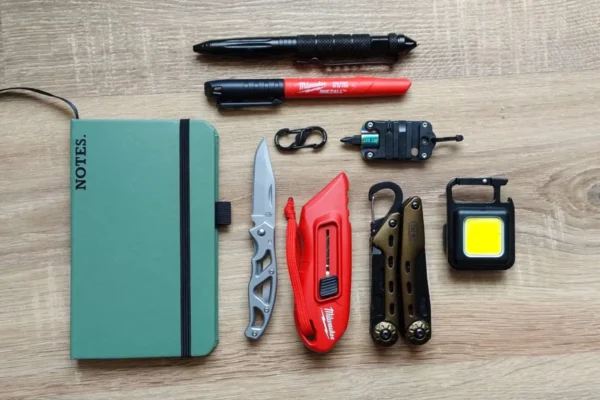
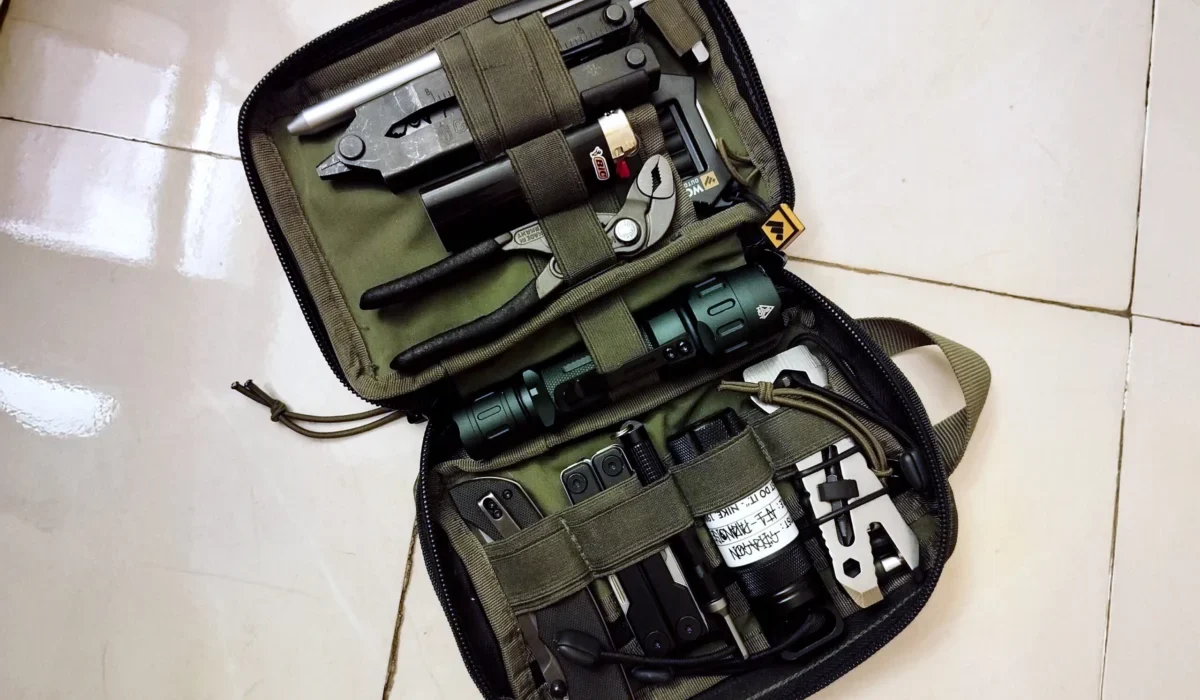
The featured setup emphasizes redundancy and specialization, moving away from the "all-in-one" philosophy toward a tiered approach to problem-solving. Central to this kit is a diverse collection of multi-tools, each serving a distinct mechanical purpose. The kit features a full-sized Gerber multi-tool, which serves as the primary workhorse for heavy-duty repairs or structural adjustments. Complementing this is a compact multi-tool manufactured by NexTool/Xiaomi, intended for rapid, low-impact fixes that do not necessitate the deployment of the larger, heavier unit.
Perhaps most intriguing is the inclusion of the discontinued Leatherman Piranha 2. This one-piece tool serves a niche, high-leverage function—specifically prying and scraping—that could potentially damage the precision blades or pliers of the more complex multi-tools. By segregating these tasks, the user preserves the longevity of their precision instruments while ensuring they have the mechanical advantage required for campsite setup or equipment repair.
Chronology of the EDC Evolution
The evolution of the personal utility kit has mirrored the rapid advancement of consumer-grade hardware. In the early 2010s, the "EDC movement" was largely aesthetic, focused on the organization of pens, notebooks, and basic folding knives. However, as the COVID-19 pandemic necessitated a shift toward remote work and distributed labor, the demographic of EDC enthusiasts changed significantly.
By 2022, data from outdoor industry trade groups indicated a 14% increase in "utility-focused" pack sales. This shift marked a departure from tactical or style-based gear toward functional, task-oriented equipment. The 2025 landscape, represented by this latest submission, shows a further maturation: users are now intentionally selecting tools based on the specific mechanical friction points they anticipate encountering, such as the need for on-the-go edge maintenance for blades and wood-cutting tools.
Supporting Data: The Rise of Field-Ready Maintenance
A key element in the current kit is the inclusion of a dedicated pocket knife sharpener. Field research suggests that the average outdoor user tends to neglect blade maintenance until a tool becomes dangerous to use due to dullness. By integrating a sharpening solution directly into a pouch-based system, users can perform "micro-maintenance" cycles.
Industry analysts note that maintaining a blade at 80% to 90% of its factory edge is significantly more efficient than attempting to restore a completely dull tool in the field. This preventative approach to tool maintenance is emblematic of the engineering mindset: identifying potential failure points—in this case, the dulling of a blade—and implementing a corrective process before the failure manifests as an operational issue.
Official Perspectives and Industry Trends
While companies like Leatherman and Gerber have long dominated the market, the inclusion of products from NexTool/Xiaomi indicates a growing willingness among consumers to mix high-end, legacy-brand tools with emerging, cost-effective alternatives.
"The modern professional is no longer tethered to a single ecosystem of tools," says Marcus Thorne, a consultant in the outdoor equipment sector. "We are seeing a democratization of utility. If a specific tool excels at a niche task—like a specific prying geometry on an older, discontinued model—the user will integrate it regardless of brand heritage. It is a pragmatic, outcome-driven methodology that mirrors the software development lifecycle: use the best tool for the specific function, not the best tool for the brand reputation."
The Broader Impact of Modular Organization
The move toward pouch-based organization has profound implications for emergency preparedness and equipment management. By consolidating disparate tools into a single, modular unit, the user reduces the cognitive load required to deploy gear during a critical moment. In a wilderness setting, where environmental factors such as fading light or inclement weather can exacerbate the difficulty of a repair, the ability to access a logically organized kit is a significant safety advantage.
Furthermore, the "pouch-first" mentality encourages a reduction in weight. By carrying only what is essential for the specific duration and intensity of the outing, users can maintain greater mobility. The transition from large, heavy toolkits to optimized, pocket-sized organizers represents a broader trend in consumer behavior: the pursuit of "minimalist maximum utility."
Future Implications for Field Professionals
As software engineers continue to integrate remote work into their lifestyles, the demand for specialized EDC gear is expected to grow. Future iterations of these kits will likely incorporate more advanced materials, such as titanium alloys for weight reduction and ceramic components for improved durability.
However, the core requirement remains unchanged: the need for reliable, mechanical solutions to physical problems in environments where digital connectivity is absent. The inclusion of specialized tools like the Piranha 2, which has gained a "cult" status despite being discontinued, highlights the disconnect between market supply and user demand. There is a clear market opening for manufacturers who can produce simple, high-leverage tools that do not sacrifice structural integrity for aesthetic complexity.
Conclusion: The Synthesis of Logic and Utility
The EDC kit provided by Dezdenova is not merely a collection of items; it is a manifestation of an engineering-led approach to outdoor living. By categorizing tools into "workhorse," "rapid-fix," and "specialized-task" tiers, the user ensures that they are prepared for the unpredictable nature of the backcountry.
As we look toward the remainder of the decade, the focus of the EDC community will likely remain on this type of intelligent curation. The objective is clear: to minimize the disruption caused by equipment failure, allowing the user to focus on their primary goals—whether that is writing code in a remote forest or simply enjoying the tranquility of an off-grid environment. The integration of maintenance tools, such as the pocket sharpener, serves as the final, necessary piece of the puzzle, ensuring that the kit remains functional for the long term. This intersection of professional methodology and outdoor necessity will continue to shape the development of personal equipment for the foreseeable future.