








The modern professional kitchen is an environment defined by precision, high-pressure workflows, and a rigid adherence to safety protocols. For Stephen, a full-time cook based in Minnesota, the transition from the line to daily life requires a carefully curated collection of Everyday Carry (EDC) items that balance industrial-grade utility with personal preference. While the kitchen remains a sanctuary for specialized culinary tools, the professional cook’s off-duty gear reveals a complex philosophy of cross-contamination prevention, tool specialization, and the tactical management of personal equipment.
The Philosophy of Tool Specialization
In the culinary arts, the distinction between food-grade equipment and general-purpose utility tools is paramount. Stephen’s approach to his personal gear reflects this professional training. He maintains a strict boundary: his culinary knives are exclusively reserved for food preparation, while a separate, robust collection of folding and fixed-blade knives handles the daily rigors of box cutting, material processing, and general utility tasks.
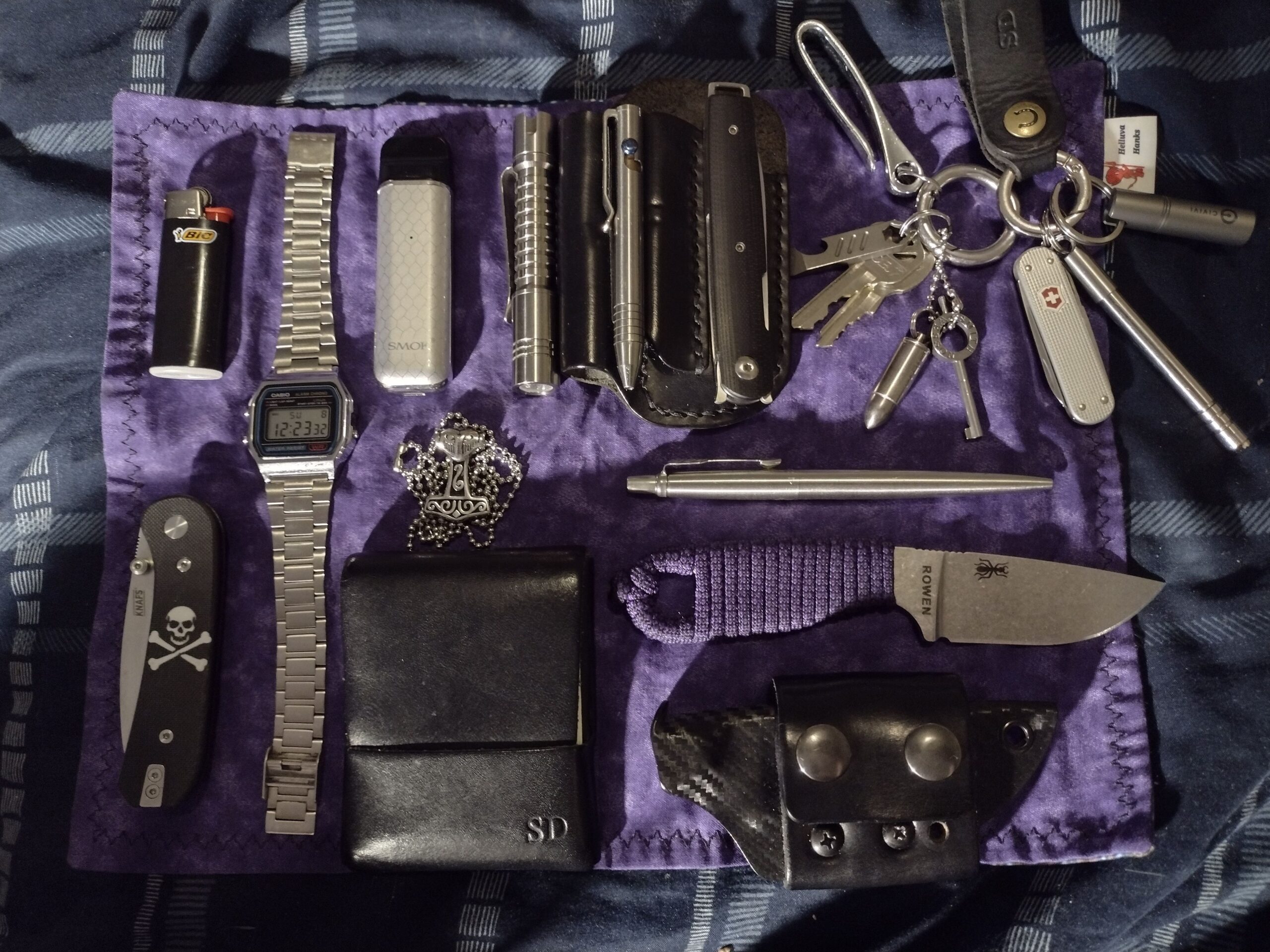
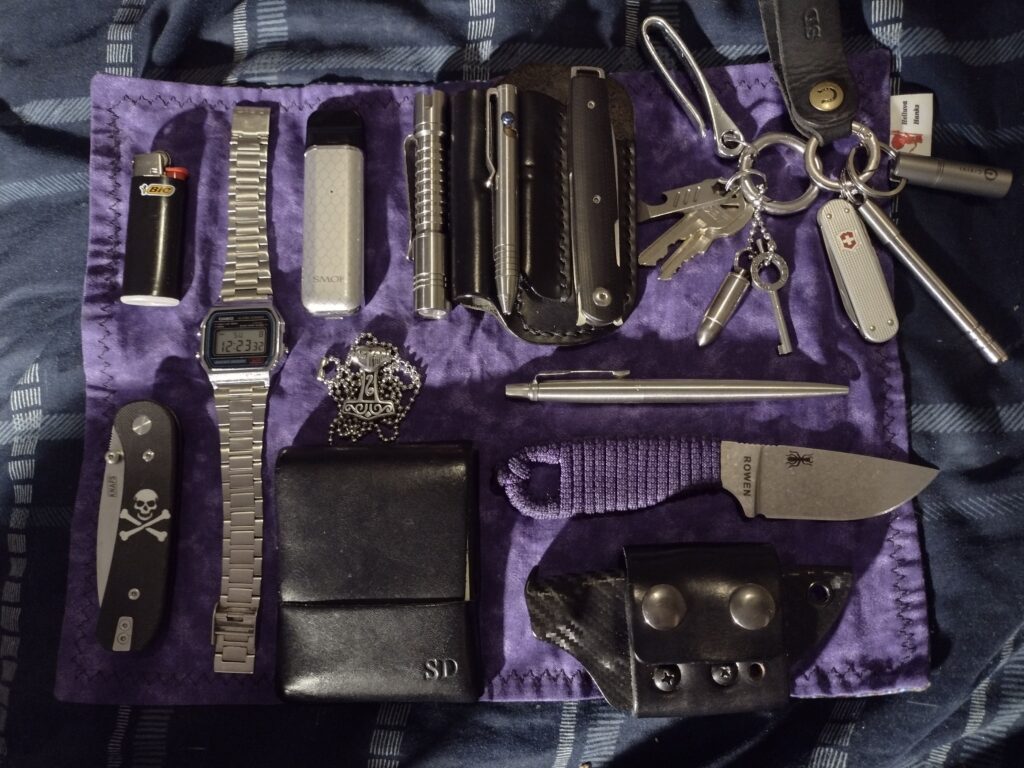
This practice of "blade segregation" is not merely a preference but a standard operating procedure for those familiar with food safety regulations. By carrying four distinct blades—three folders and a fixed-blade ESEE Izula—Stephen ensures that he is never tempted to utilize a food-prep blade for non-sanitary tasks. This systematic approach reduces the risk of cross-contamination and preserves the edge geometry of his culinary tools, which are susceptible to damage when used on abrasive materials like cardboard or plastic strapping.
Anatomy of an Everyday Carry Loadout
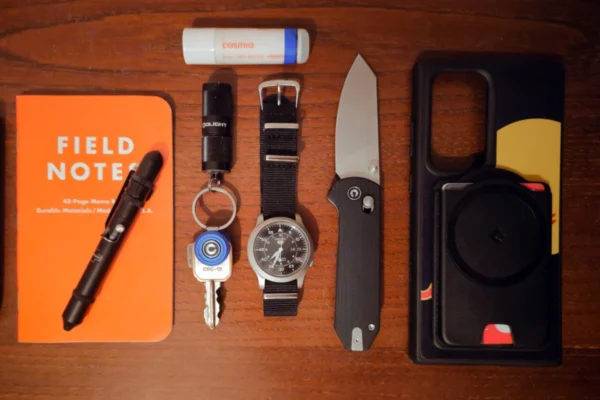
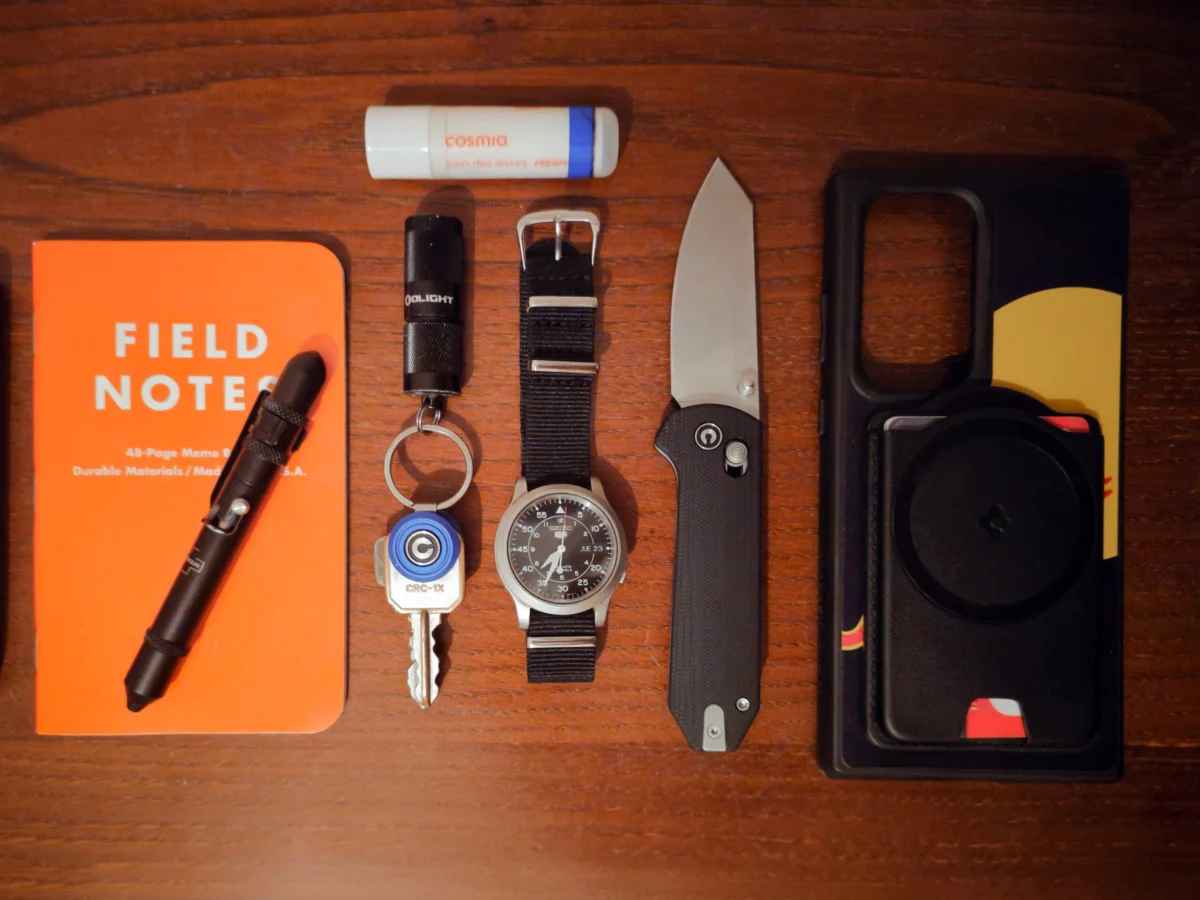
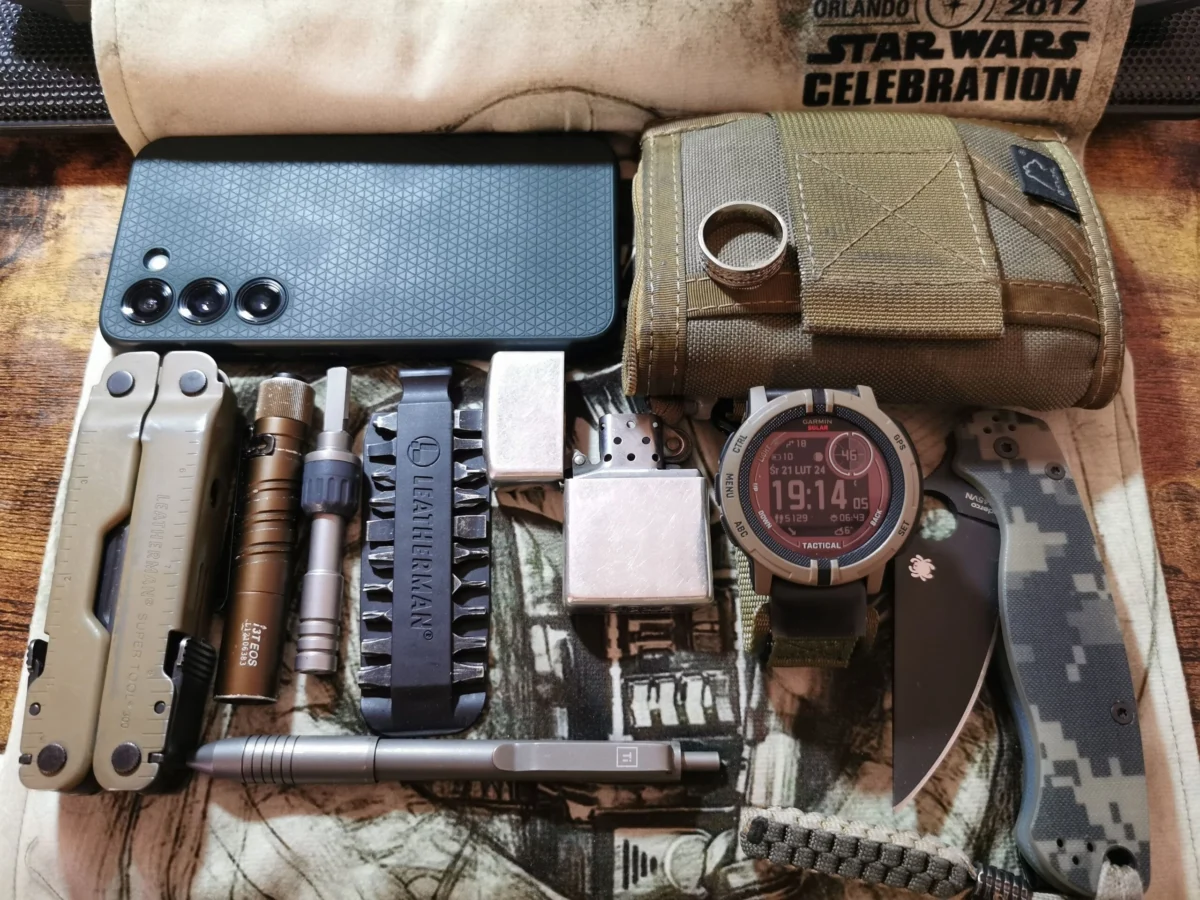
The selection of gear featured in this collection demonstrates a sophisticated understanding of value versus performance. The loadout spans from high-utility budget staples to premium, purpose-built titanium instruments.
The inclusion of the Parker Jotter, a classic of industrial design, highlights a commitment to reliable, stainless-steel construction that functions without fail under diverse conditions. When paired with a premium titanium bolt-action pen, it creates a dual-system approach: a utilitarian workhorse for daily notes and a high-end, tactile writing instrument for situations where ergonomics and aesthetic durability are prioritized.
The knife selection further emphasizes this stratification of utility:
- The Workhorse: The ESEE Izula in S35VN steel serves as the anchor of the kit. Known for its exceptional edge retention and corrosion resistance, the Izula is a staple in the survival and bushcraft communities, making it an ideal choice for the heavy-duty demands of a working professional.
- The Daily Driver: The Knafs lineup provides a modern, user-serviceable platform that fits well within the context of a general-purpose EDC.
- The Gentleman’s Folder: The inclusion of a Boker knife serves the social requirement of a slim, unobtrusive blade for environments where a rugged survival knife might be perceived as overly aggressive.
Chronology and Organization: The Art of the Carry
The evolution of the modern EDC movement has moved away from simply filling pockets to an emphasis on organizational systems. Stephen’s use of leather sheaths and keychain-based retention systems serves a specific ergonomic purpose: weight distribution. By moving items from the pockets to the belt or a dedicated carry system, the wearer avoids the "pocket dump" syndrome, where heavy items interfere with mobility.
Historically, the EDC subculture gained significant momentum in the early 2010s, transitioning from survivalist circles into mainstream professional life. This shift was fueled by the availability of high-quality materials like titanium, G10, and advanced handle coatings. For a cook who spends ten to twelve hours a day on his feet, the ergonomics of how gear is carried are just as important as the items themselves. A heavy set of keys or a clunky knife can become a significant point of irritation during a long shift; thus, the transition to modular, body-worn gear represents a mature evolution in how professionals interact with their personal items.
Data-Driven Utility: The Economics of EDC
Market trends in the EDC sector show a clear divergence between disposable utility and heirloom-quality investment. Data from consumer goods analytics indicate that while the "budget-friendly" segment (sub-$25) remains the highest in terms of volume, there is a 14% year-over-year increase in spending on "premium" tools, such as those made from aerospace-grade titanium or proprietary powder-metallurgy steels like S35VN.
Stephen’s choice to mix a $10 Parker Jotter with a premium bolt-action pen illustrates this economic balance. By investing in a high-end blade steel for the ESEE Izula, he ensures long-term reliability and fewer sharpening intervals, effectively lowering the "cost per use" over the lifetime of the tool. This is a common strategy among trade professionals who rely on their equipment to earn a living; the upfront cost is offset by the longevity of the materials.
The Broader Impact of Professional Carry
The implications of this carry philosophy extend beyond the individual. In the culinary industry, where the "mise en place" (everything in its place) mentality governs the professional environment, this organizational discipline naturally bleeds into personal life. The requirement to have the right tool for the right job is not just a habit—it is a cognitive framework.

Furthermore, the rise of "urban EDC" among tradespeople highlights a growing intersection between high-performance materials and daily life. As companies like ESEE, Knafs, and Boker continue to refine their designs, they are increasingly focusing on "low-profile" aesthetics that allow professionals to carry high-capability tools without drawing unnecessary attention in public spaces. This balance of function and discretion is becoming a defining characteristic of the modern professional.
Official Perspectives and Industry Standards
While there are no formal industry standards for what a cook should carry off-duty, professional organizations have noted the trend toward increased personal preparedness. Safety experts often cite the importance of having reliable tools for emergency scenarios, such as cutting seatbelts or clearing debris, which aligns with the "survivalist" roots of the gear Stephen chooses.
"The professionalization of personal gear is a clear indicator of a changing workforce," says industry analyst Mark Thompson. "Workers are no longer satisfied with generic, mass-produced items. They are looking for tools that are engineered to meet the same standards as their professional equipment. Whether it is a chef in Minnesota or an engineer in California, the demand is for durability, serviceability, and ergonomic efficiency."
Conclusion: The Future of the Everyday Carry
The gear featured here is more than a collection of items; it is a manifestation of the wearer’s professional identity. For Stephen, the ability to transition from the high-stakes environment of a kitchen to the demands of daily life is facilitated by a deep understanding of tool maintenance and selection.
As the EDC movement continues to evolve, we can expect to see further integration of smart materials and modular systems. The focus will likely shift from merely "having the gear" to "optimizing the carry." For the professional cook, this means continuing to refine the balance between the blades that feed the world and the blades that handle the rest of the day. By keeping these worlds separate, and by investing in tools that offer both utility and longevity, he maintains the same level of precision in his personal life that he demands in his professional one.
The inclusion of these tools—from the humble clicky pen to the precision-ground fixed blade—serves as a testament to the fact that for many, being prepared is not just a hobby, but a foundational component of a productive life. As more professionals adopt these habits, the standard for what constitutes an "everyday carry" will only continue to rise, pushing manufacturers to innovate further and offering consumers an even wider array of high-performance options.