









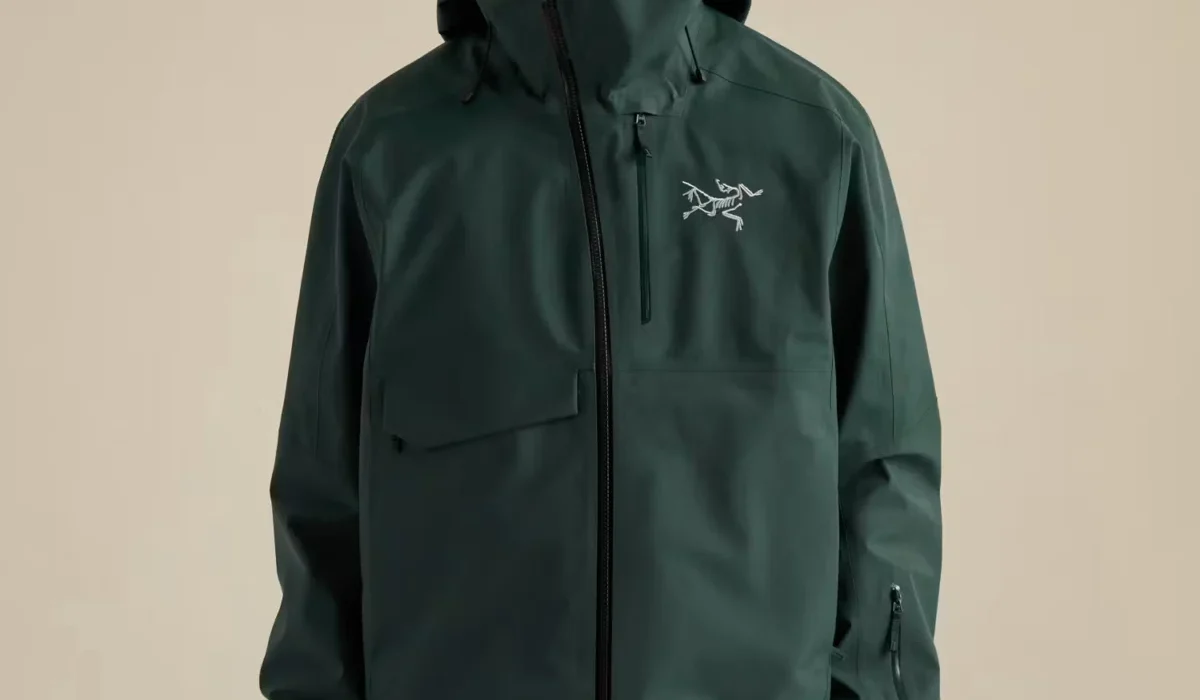
The return of the Arc’teryx Sidewinder jacket marks a significant milestone in technical outerwear design, celebrating a quarter-century since its initial introduction to the freeride skiing and snowboarding community. Originally launched at the turn of the millennium, the Sidewinder quickly established itself as a premier piece of equipment for backcountry enthusiasts, primarily recognized for its unconventional and highly functional curved zipper design. For its 25th-anniversary release, Arc’teryx has meticulously updated the classic silhouette, integrating modern sustainable textile innovations, a refined freeride-specific fit, and updated weatherproofing technology while retaining the core features that made the original garment a legendary fixture in alpine environments.
Evolution of an Alpine Icon: A Quarter-Century Chronology
The history of the Arc’teryx Sidewinder dates back to the late 1990s and early 2000s, a period of rapid evolution in winter sports apparel. As snowboarding and aggressive freeride skiing gained mainstream traction, athletes demanded technical shell jackets that could withstand extreme alpine meteorological conditions without restricting mobility. Arc’teryx, founded in North Vancouver, British Columbia, answered this call with a design philosophy centered on ergonomic three-dimensional patterning and weather-resistant innovation.
The defining characteristic of the original Sidewinder was its curved front zipper. Traditional waterproof shells featured a vertical center-front zipper that often created a bulk point directly beneath the wearer’s chin and nose, leading to ice buildup, condensation freezing, and skin chafing when the collar was fully zipped during heavy exertion or blizzards. By sweeping the zipper diagonally across the chest—resembling the coiled posture of a sidewinder snake—designers eliminated the hardware overlap directly in front of the face. This architectural shift significantly improved user comfort during long ascents and high-speed descents.
Throughout the 2000s and 2010s, the Sidewinder underwent several iterations, incorporating successive generations of waterproof-breathable membranes and evolving alongside shifts in freeride aesthetics. While briefly rotated out of the active seasonal catalog in recent years, the jacket maintained a cult following on the secondhand market and among veteran mountain guides. The decision to resurrect the Sidewinder for its 25th anniversary reflects both consumer demand for heritage designs and the brand’s capacity to re-engineer classic products to meet contemporary environmental and performance standards.

Technical Specifications and Sustainable Material Innovation
The 25th-anniversary edition of the Sidewinder is built around cutting-edge textile engineering, most notably the integration of GORE-TEX ePE (expanded polyethylene) membrane technology. As the outdoor apparel industry shifts away from traditional per- and polyfluoroalkyl substances (PFAS) due to environmental and regulatory pressures, Arc’teryx has adopted the lightweight, thin, and durable ePE membrane. This new construction is paired with a recycled nylon face fabric, significantly reducing the carbon footprint of the garment compared to its historical predecessors without sacrificing waterproof, windproof, or breathability metrics.
The jacket’s architectural update includes a more relaxed, modern freeride cut. This adjustment accommodates layering systems preferred by contemporary backcountry travelers, allowing for unrestricted movement during dynamic maneuvers such as drop-ins, steep couloir navigation, and deep powder touring.
Weather protection remains a central focus of the 25th-anniversary model. The garment features a helmet-compatible StormHood equipped with a structured brim, engineered to maintain peripheral vision during heavy snowfall and high wind events. Additional functional elements include gusseted Velcro cuffs to seal out spindrift, a cinchable drawcord hem to prevent updrafts, and underarm pit zippers that allow users to dump excess heat rapidly during strenuous uphill skinning or bootpacking.
Storage solutions have been meticulously mapped to the needs of modern freeriders. The updated Sidewinder includes secure hand pockets with protective flaps, a dedicated chest pocket for quick-access items, two internal mesh dump pockets designed for drying skins or storing spare goggles, a dedicated sleeve pass pocket for resort lift access, and an additional flapped stash pocket. Furthermore, the jacket comes integrated with an emergency RECCO reflector, enhancing search-and-rescue discoverability in avalanche terrain.
Priced at $850 USD, the anniversary edition positions itself firmly in the premium tier of technical alpine outerwear. It is currently available for purchase directly through the manufacturer’s official web store and select specialty mountain retailers.

Industry Perspective and Market Implications
The reintroduction of the Sidewinder comes at a time when the outdoor apparel market is experiencing a strong resurgence in technical heritage pieces. Consumers increasingly value durability, repairability, and timeless design over disposable fast-fashion trends. By reviving a legacy product with modern sustainable materials, Arc’teryx is navigating the delicate balance between honoring its archives and meeting stringent contemporary corporate sustainability goals.
The transition to GORE-TEX ePE across flagship products like the Sidewinder represents a broader industry pivot. As global regulations surrounding chemical pollutants tighten—particularly within the European Union and several North American jurisdictions—outdoor brands are forced to innovate rapidly. The successful implementation of PFAS-free membranes in high-end, extreme-weather gear demonstrates that environmental responsibility does not necessitate a compromise in waterproof performance.
Furthermore, the price point of $850 reflects the rising costs of advanced textile manufacturing, specialized labor, and rigorous quality control required for alpine-grade equipment. While premium technical shells represent a significant financial investment, market analysts note that demand for high-durability gear remains robust among core demographics, including professional guides, ski patrollers, and dedicated backcountry enthusiasts who view such purchases as multi-year investments in safety and comfort.
As the Arc’teryx Sidewinder enters its next twenty-five years, this anniversary release serves as a bridge between the brand’s pioneering design history and the future of sustainable technical apparel. By retaining its iconic curved architectural identity while embracing modern ecological standards, the Sidewinder reaffirms its status as a cornerstone of modern freeride equipment.