








As the calendar turns to mid-November, the outdoor retail sector is witnessing an early wave of substantial consumer discounts, preempting the traditional Black Friday and Cyber Monday retail rush. While major meteorological winter is still weeks away, major outdoor outfitters and gear manufacturers have rolled out price reductions of 25 percent or more on a wide array of field-tested equipment. This early-season clearance provides an unexpected financial reprieve for outdoor enthusiasts, hikers, and backpackers looking to acquire high-end shelters, technical apparel, and footwear without navigating the logistical bottlenecks typical of peak holiday shopping periods.
The decision by prominent retailers and brands to launch significant markdowns prior to mid-November reflects broader shifts in modern retail strategies. Historically, the retail calendar maintained a strict chronology: Halloween passed, Thanksgiving served as the official marker for the holiday season, and Black Friday initiated the commercial sprint. However, supply chain volatility experienced over recent years, combined with an industry-wide push to smooth out seasonal revenue curves, has altered the retail landscape. Companies are increasingly incentivizing consumers to purchase gear ahead of time, effectively mitigating inventory holding costs while offering shoppers guaranteed delivery windows well before winter weather disrupts major freight corridors.
Industry analysts note that this year’s early markdowns are particularly aggressive within the outdoor recreation vertical. Following a post-pandemic stabilization in consumer demand, manufacturers of technical equipment are eager to clear warehouse space for upcoming product cycles. Consequently, gear that earned top marks in rigorous field tests throughout the year is currently available at historic discount levels.
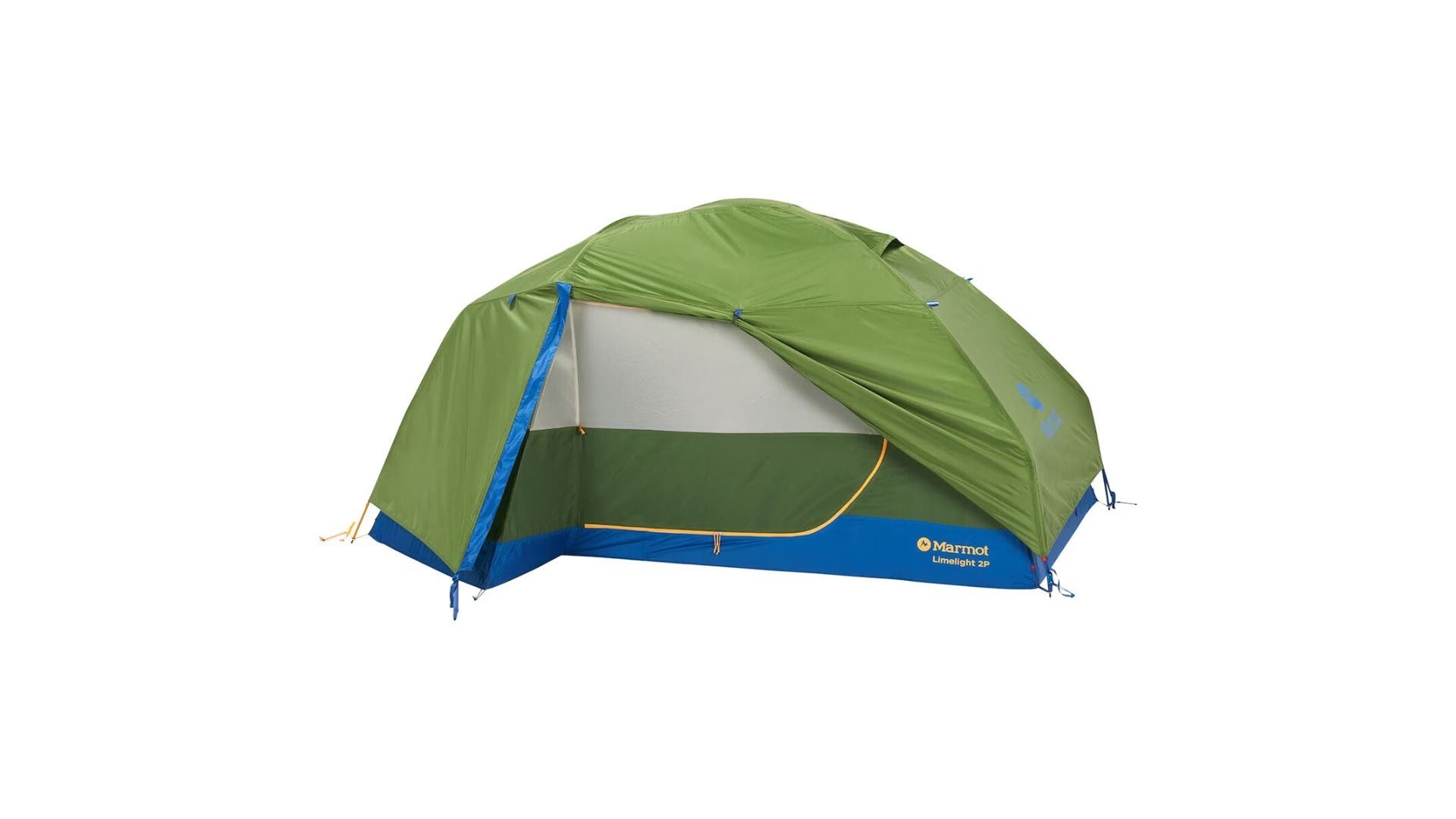
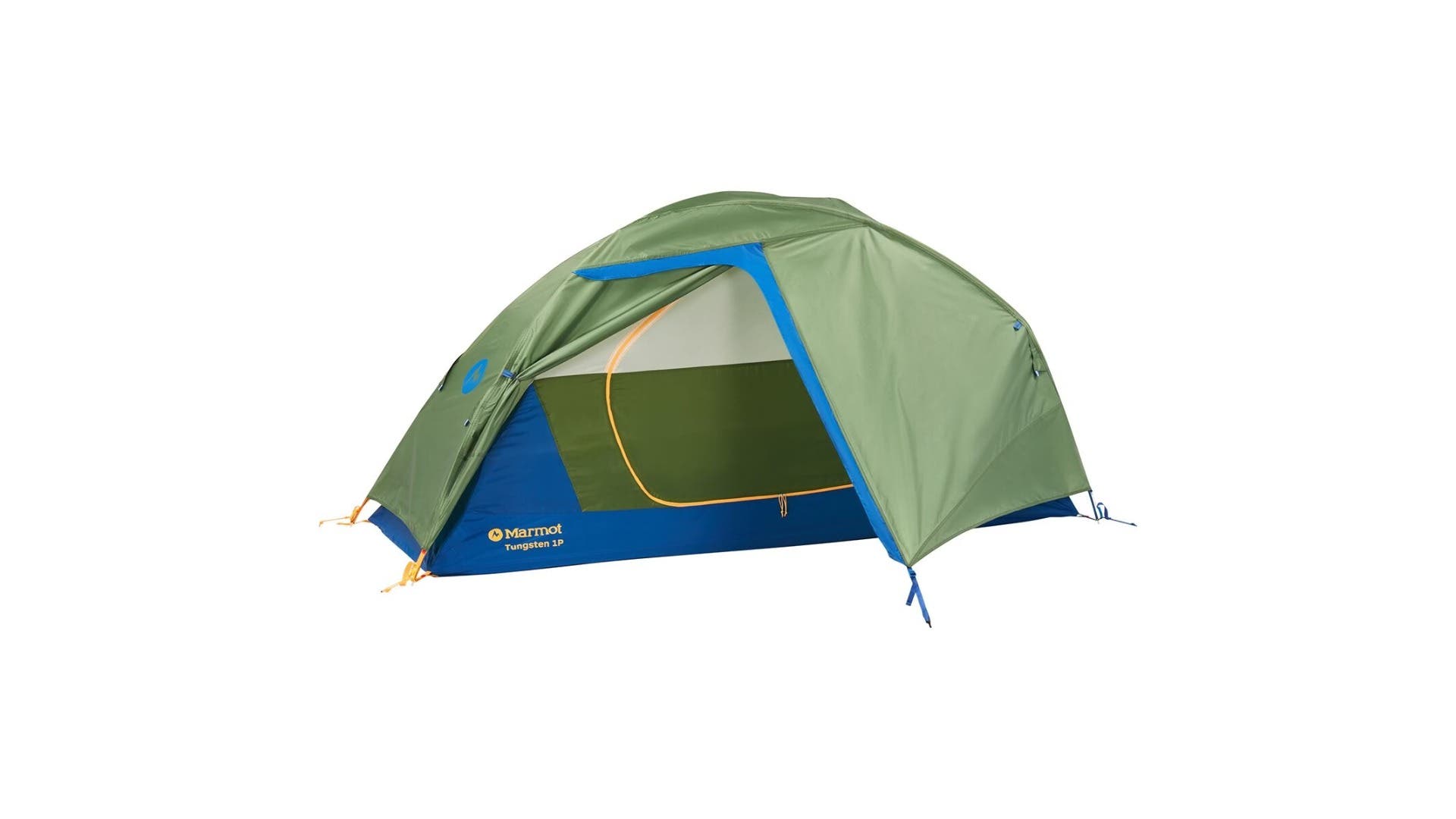
Among the most notable price breaks are those concerning technical shelters, which historically represent one of the most significant investments for any backpacker. The Marmot Limelight series, widely recognized for its generous interior volume and structural durability, has seen notable price reductions. Designed specifically for campers and beginners who prioritize livability over shaving every possible ounce, the 2- and 3-person iterations offer substantial floor space, dual vestibules, and extended gear storage wings. For solo backpackers operating on a tighter budget, the Marmot Tungsten 1-Person Tent has dipped below the $200 threshold—a notable value proposition in an inflationary economic environment. Featuring a freestanding architecture, color-coded clips for rapid deployment, and a respectable peak height, the Tungsten bridges the gap between affordability and wilderness performance.
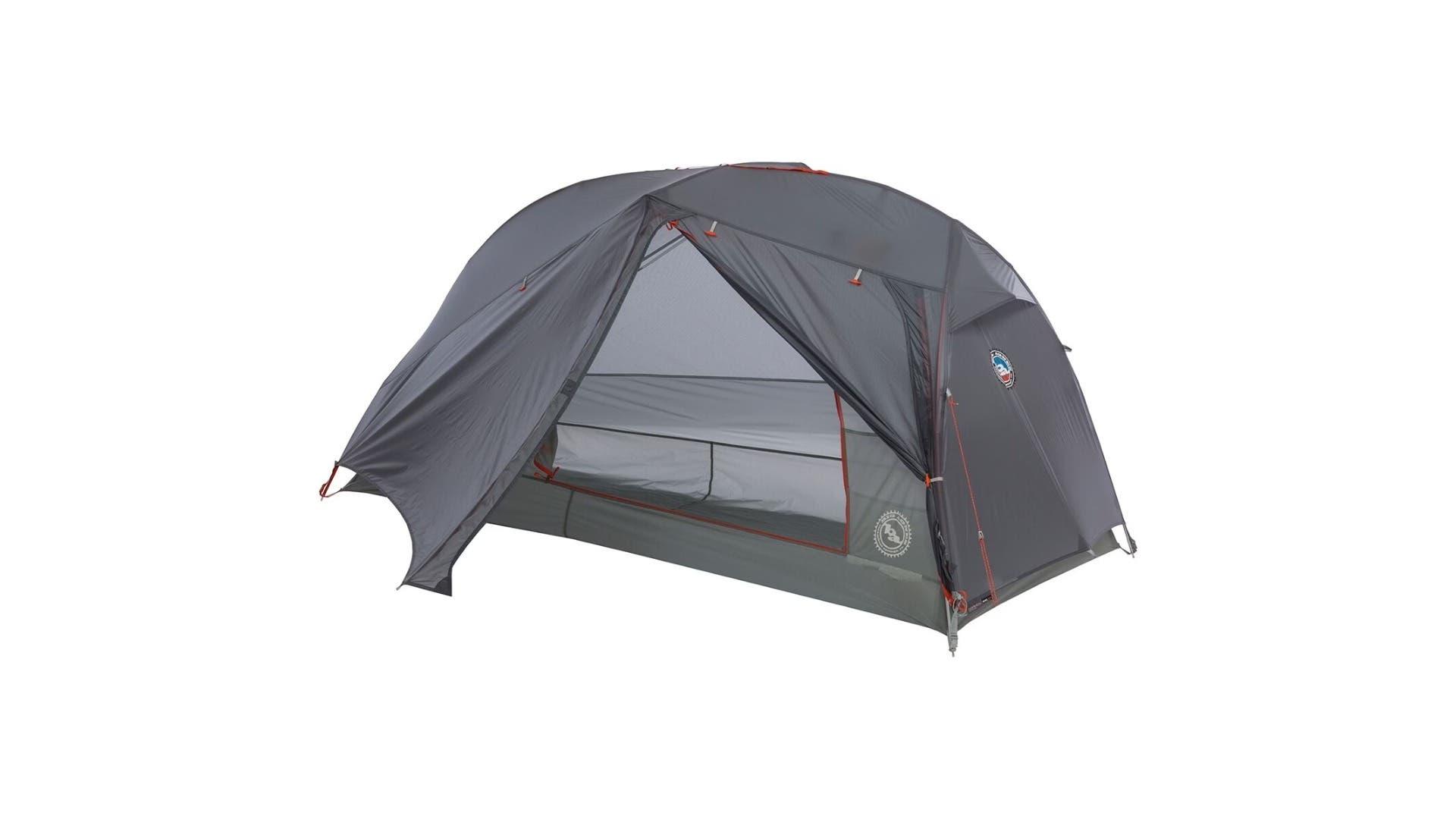
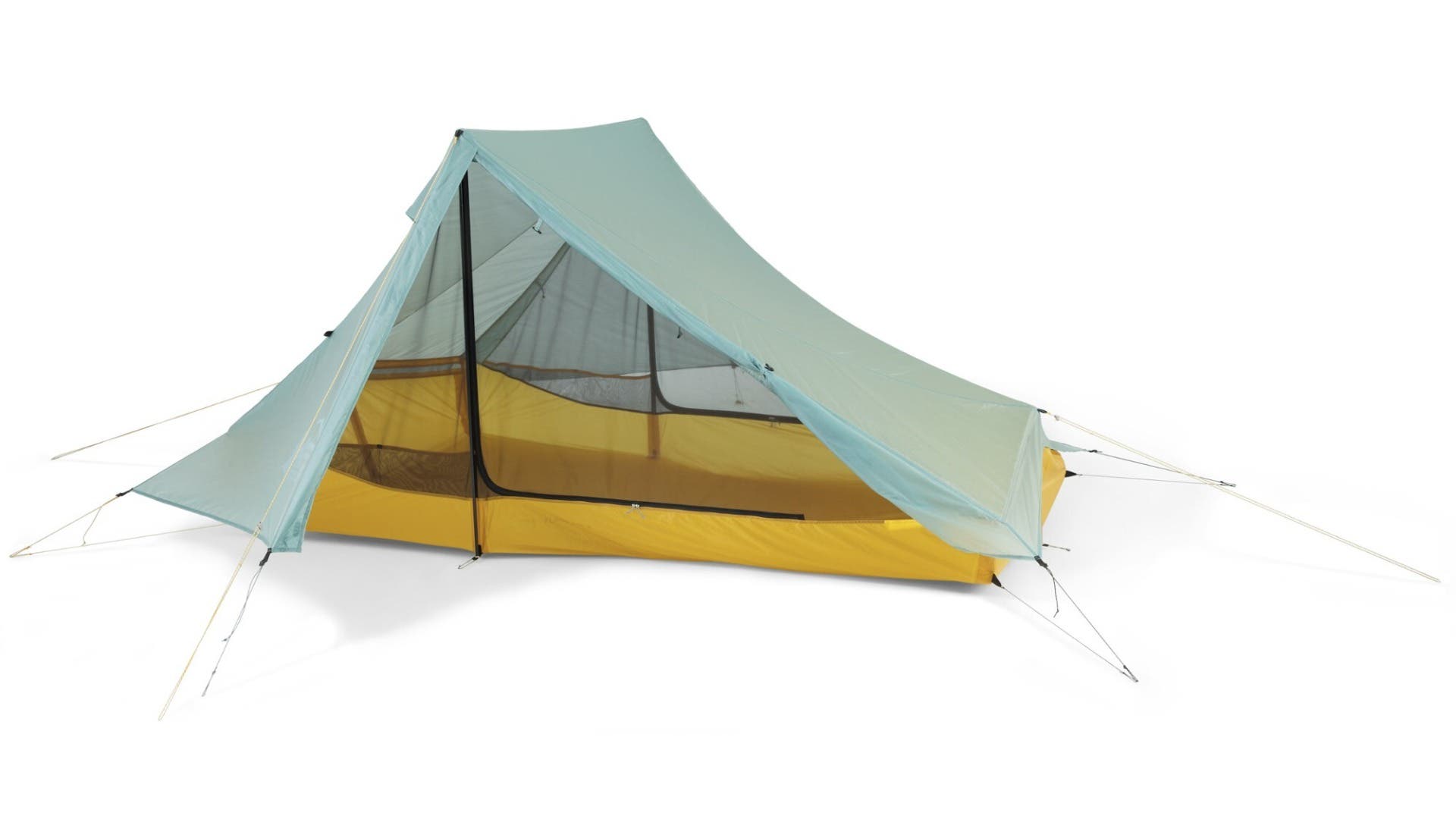
For ultralight enthusiasts seeking to shed base weight, trekking-pole-supported shelters are seeing similar price adjustments. The REI Co-op Flash Air 2, a 2-pound, 6.5-ounce shelter engineered for weight-conscious hikers, is currently discounted. While it trades blows with specialized cottage-industry brands in weight-to-space ratios, its current market price makes it an accessible entry point for backpackers transitioning away from traditional heavy-hooped tents. Similarly, the Big Agnes Copper Spur HV UL1 Bikepack tent—a perennial favorite of field testers across varied topographies ranging from high-altitude rainstorms to arid desert floors—is included in the pre-holiday markdown cycle.
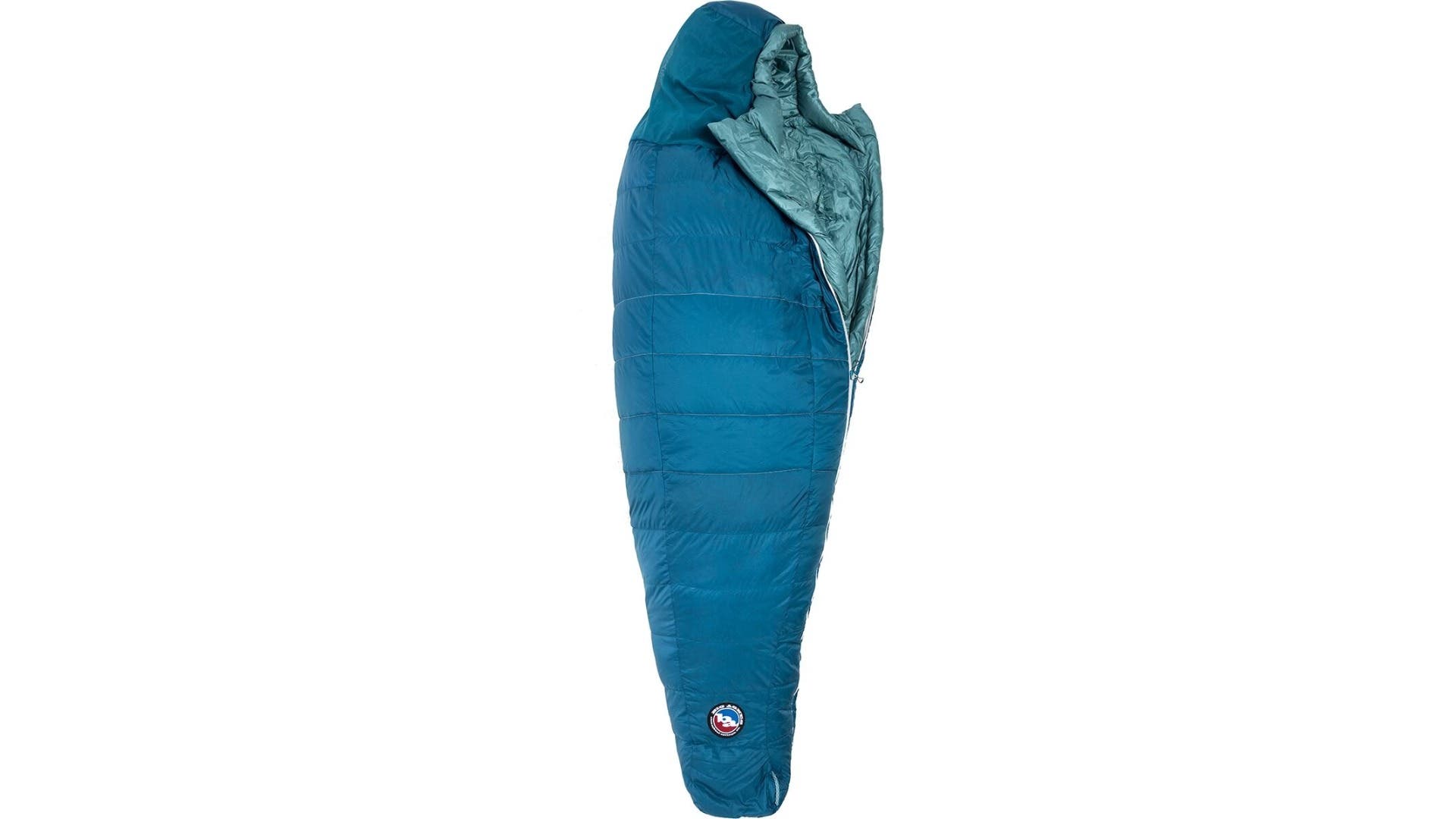
Sleep systems have also entered the promotional window, addressing long-standing ergonomic challenges faced by backcountry travelers. The Big Agnes Sidewinder SL 20 sleeping bag, engineered specifically for side sleepers through a central zipper placement and mapped insulation distribution, is seeing reduced pricing. Concurrently, the REI Co-op Magma 30 offers minimalist, high-loft warmth utilizing 850-fill-power down, providing a compressible three-season solution that minimizes pack volume without introducing unnecessary features.

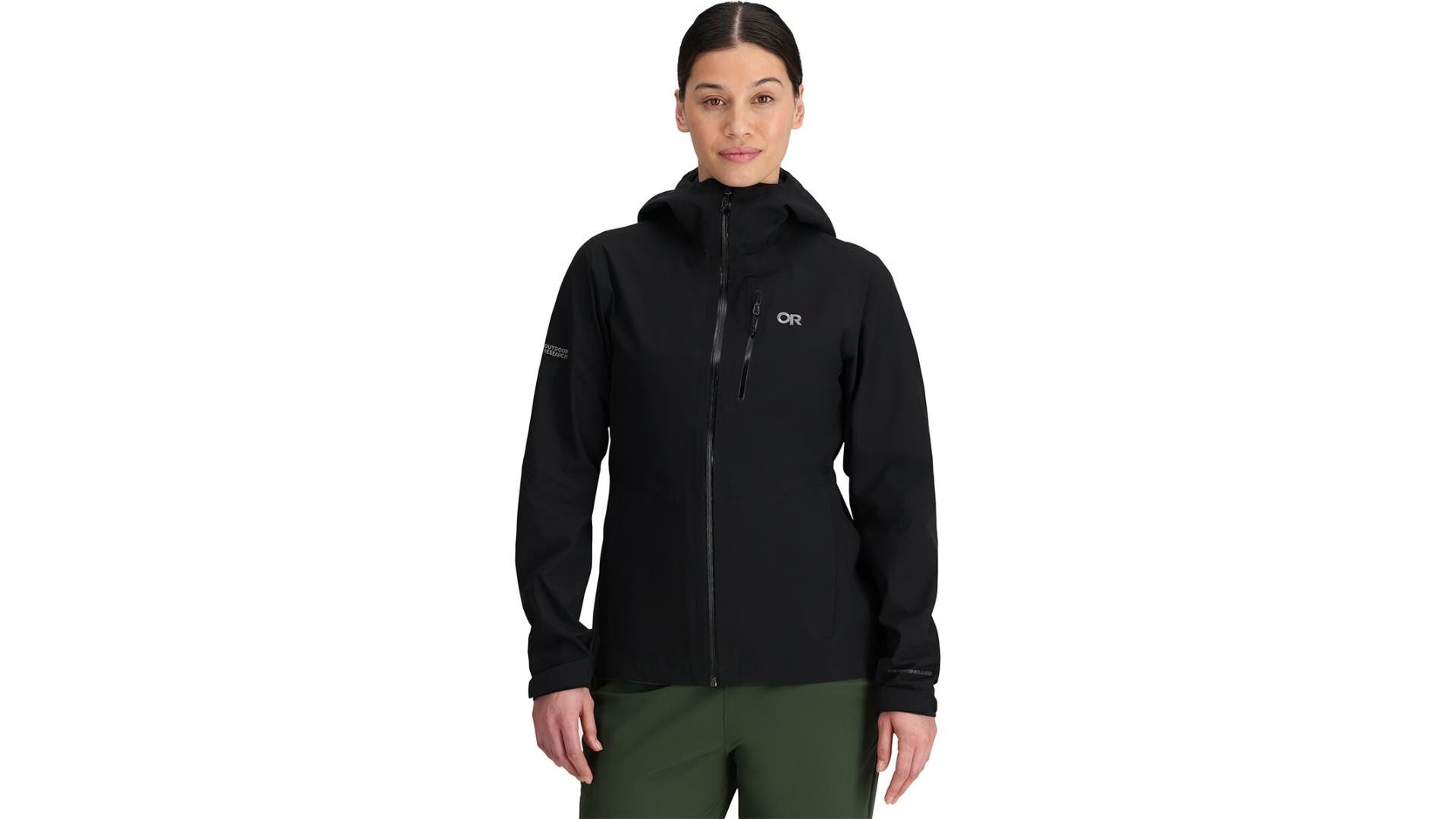
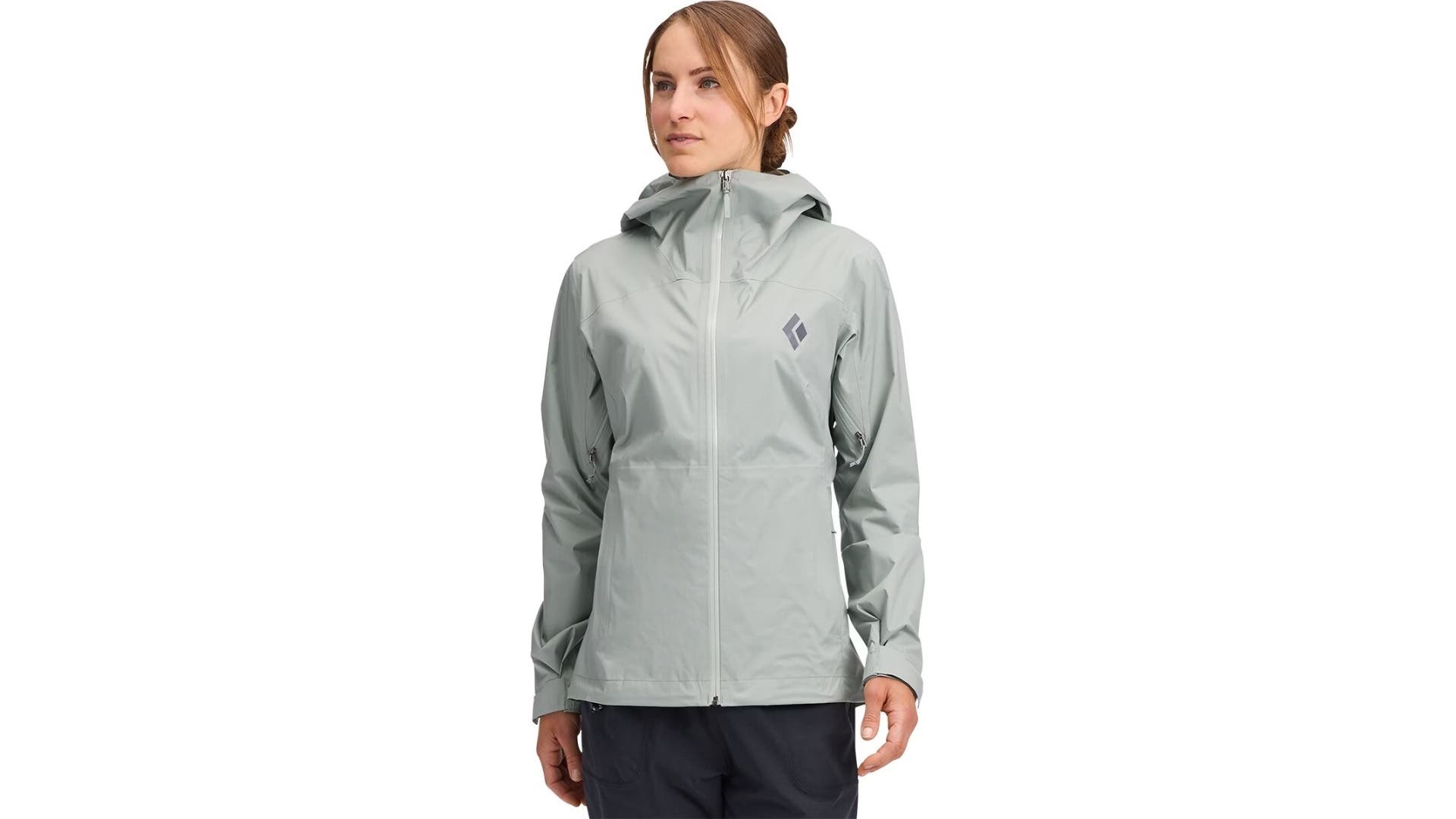
Weather-resistant technical outerwear represents another major category experiencing steep reductions. Outdoor Research’s Aspire 3L jacket (and its men’s counterpart, the Foray) is currently marked down by up to 50 percent following its designation as a leading shell in recent field evaluations. Built with 3-layer Ascentshell breathable membrane technology and 40-denier recycled nylon face fabric, the garment addresses the historic trade-off between waterproof integrity and internal moisture vapor transmission. Black Diamond’s Fineline Stretch Rain Shell is also seeing price cuts, offering consumers a 2.5-layer membrane with mechanical stretch designed for high-aerobic mountain pursuits.
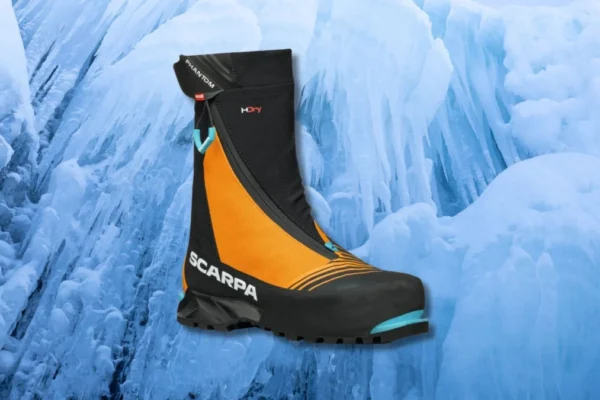
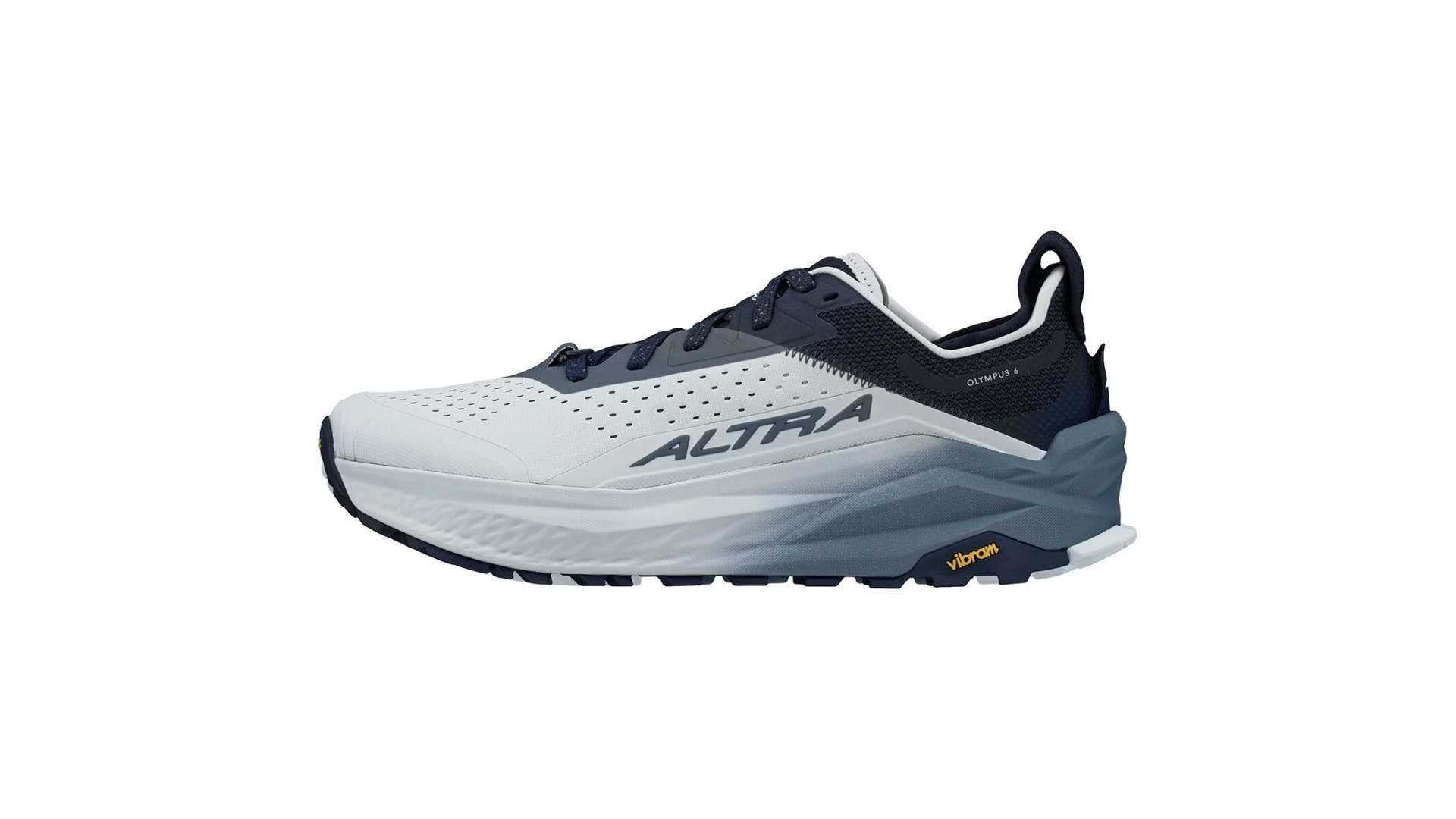
In the footwear sector, manufacturers of trail runners and hybrid hiking shoes are capitalizing on the pre-holiday shopping window to move inventory. Altra’s Olympus 6, featuring the brand’s signature foot-shaped toe box and zero-drop platform coupled with a generous 33mm stack height, is discounted for hikers requiring maximum underfoot cushioning. Adidas has also introduced price incentives for its Terrex Freehiker 3 Low GTX, a speed-oriented shoe combining a waterproof GORE-TEX internal bootie with a responsive DreamStrike+ EVA midsole. Rounding out the footwear discounts are Merrell’s SpeedARC Matis hiking shoes, which utilize high-volume foam midsoles to absorb trail impact without sacrificing lateral stability.
Retail experts anticipate that these early-season promotions will peak around mid-November, with specific major retailers like REI launching their comprehensive winter sales events sequentially. However, unlike traditional Black Friday flash sales characterized by limited quantities and digital congestion, current inventory levels across these tested items remain robust.
For the consumer, the implications of these early markdowns extend beyond immediate financial savings. Purchasing technical gear in early November removes the anxiety associated with carrier delays during December, ensuring that equipment can be inspected, tested, and stored well before year-end expeditions. Furthermore, it affords outdoor enthusiasts the luxury of deliberating over technical specifications—such as denier counts, hydrostatic heads, and fill powers—without the pressure of impulse buying driven by countdown timers. As the outdoor retail market continues to evolve its promotional calendar, the traditional boundaries of holiday shopping appear permanently altered, favoring the prepared consumer who acts before the winter storms—and the holiday carols—arrive.