






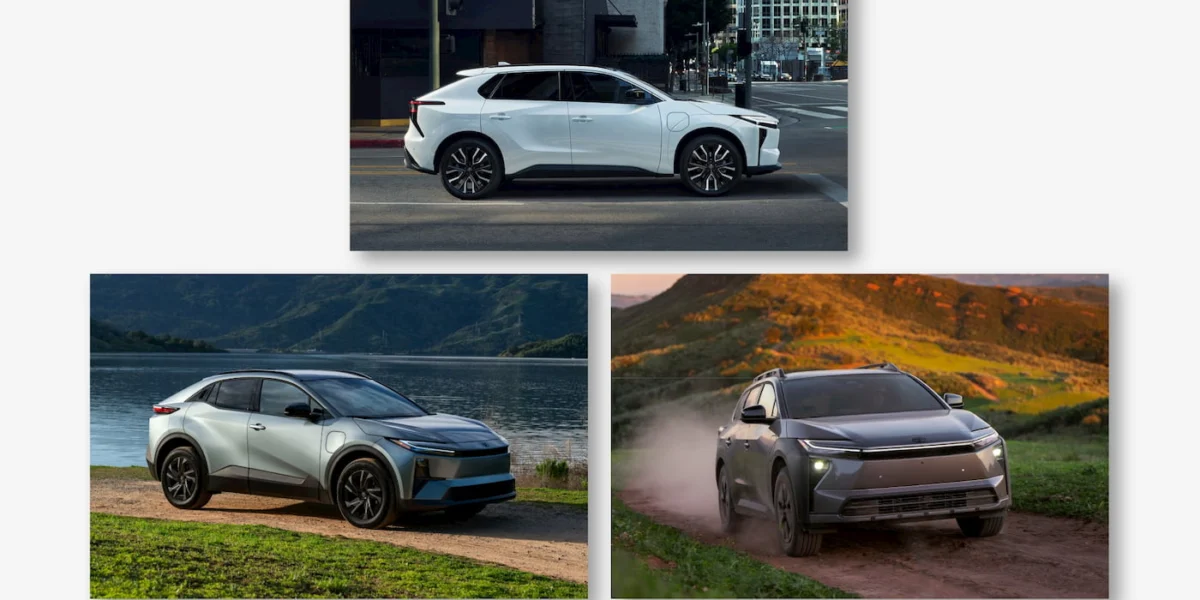
Toyota Motor Corporation has dramatically accelerated its transition into the battery-electric vehicle (BEV) market, transforming its portfolio from a cautious participant into a major contender in the United States. Following the late 2025 rollout and subsequent market success of its refreshed bZ electric SUV—formerly known as the bZ4X—Toyota has expanded its zero-emission offerings with the introduction of two new models for the 2027 lineup: the sporty C-HR and the rugged, adventure-oriented bZ Woodland.
This strategic expansion has fundamentally altered Toyota’s market standing. According to data released by Cox Automotive for the third quarter of 2026, Toyota has surged to become the third most popular electric vehicle brand in the United States, trailing only industry pioneers Tesla and Rivian. Overall, Toyota’s domestic EV sales have nearly tripled year-over-year. The core driver behind this explosive growth, the bZ electric SUV, secured its position as the fourth-best-selling electric vehicle in the U.S. during the first nine months of 2026, positioning itself just behind high-volume market leaders such as the Hyundai IONIQ 5, Tesla Model 3, and Tesla Model Y.
With three distinct electric SUVs now anchoring its showroom floors—each tailored to a specific consumer demographic—Toyota is addressing historical criticisms that it lagged behind competitors in the global electrification race. Industry analysts suggest that this multi-pronged approach, which targets everyday commuters, style-conscious drivers, and outdoor enthusiasts alike, will solidify Toyota’s market share as consumer demand for zero-emission light trucks continues to mature.

The Evolution of Toyota’s EV Strategy
Toyota’s trajectory in the electric vehicle sector has shifted markedly over the past several years. Initially criticized by environmental advocacy groups and institutional investors for prioritizing hybrid technology and hydrogen fuel cells over battery-electric vehicles, the Japanese automaker recalibrated its product roadmap to deliver scalable, dedicated EV architectures.
The turning point arrived with the debut of the updated bZ platform. By addressing early consumer feedback regarding real-world driving range, charging infrastructure compatibility, and interior ergonomics, Toyota engineered a high-volume product capable of competing directly with established global EV offerings. Building upon the foundational platform architecture of the bZ, the engineering team at Toyota successfully developed two specialized derivative models—the coupe-inspired C-HR and the utility-focused bZ Woodland—without having to engineer entirely new skateboard platforms from scratch, thereby optimizing manufacturing efficiency and controlling production costs.
Furthermore, Toyota’s strategic pivot includes the adoption of the North American Charging Standard (NACS) ports natively integrated across its 2027 EV lineup. This hardware integration allows drivers of the bZ, C-HR, and bZ Woodland to plug directly into Tesla’s extensive Supercharger network without the need for cumbersome aftermarket adapters, effectively neutralizing one of the primary consumer adoption barriers facing non-Tesla electric vehicles in North America.
The 2027 Toyota bZ: The Volume Driver
As the foundational pillar of Toyota’s modern EV strategy, the 2027 Toyota bZ is designed to appeal to the mainstream commuter market, offering a balanced blend of everyday practicality, advanced technology, and competitive pricing.
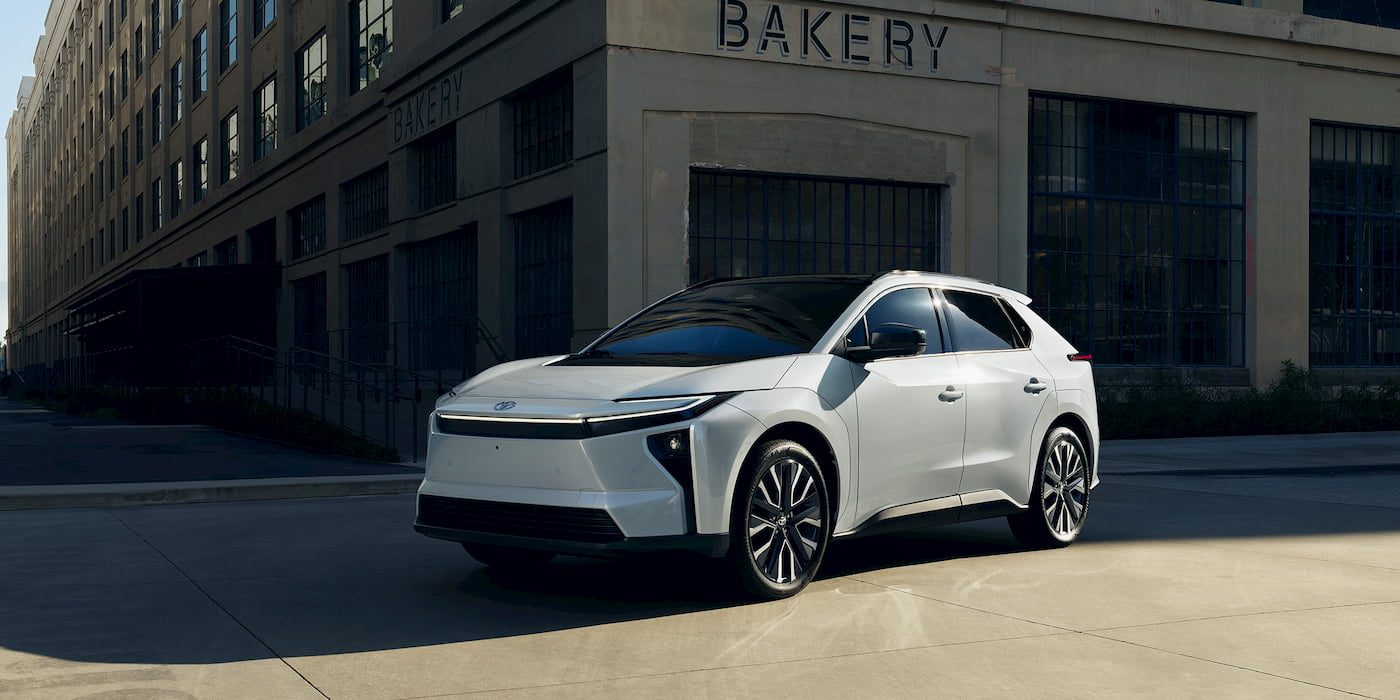
The entry-level 2027 Toyota bZ XLE FWD starts at $34,980, excluding a mandatory $1,595 delivery, processing, and handling (DPH) fee, bringing the baseline sticker price to $36,576. This base model is equipped with a 57.7 kWh battery pack delivering an EPA-estimated driving range of up to 236 miles. For buyers requiring extended range, Toyota offers the FWD Plus model, which pairs a larger 74.7 kWh battery with front-wheel drive to achieve an EPA-estimated 314 miles of range, starting at $37,980.
For consumers residing in regions prone to inclement weather, all-wheel-drive (AWD) variants are available across multiple trim configurations. The lineup structure and pricing details are broken down below:
| 2027 Toyota bZ Trim | Battery Capacity | EPA-Estimated Range | Starting MSRP (Excluding DPH) |
|---|---|---|---|
| XLE FWD | 57.7 kWh | 236 miles | $34,980 |
| XLE FWD Plus | 74.7 kWh | 314 miles | $37,980 |
| XLE AWD | 74.7 kWh | 288 miles | $39,980 |
| Limited FWD | 74.7 kWh | 299 miles | $43,380 |
| Limited AWD | 74.7 kWh | 278 miles | $45,380 |
In terms of performance, front-wheel-drive configurations produce either 165 horsepower in the base XLE or 221 horsepower in the FWD Plus and Limited grades. Upgrading to the dual-motor AWD layout increases total system output to 338 horsepower. Utilizing the native NACS port at a DC fast-charging station, the bZ can replenish its battery from 10% to 80% in approximately 30 minutes.
The interior of the 2027 bZ reflects Toyota’s latest ergonomic design philosophy. It features a customizable 7-inch LCD Multi-Information Display (MID) paired with a large 14-inch Toyota Audio Multimedia touchscreen interface. Wireless connectivity for both Apple CarPlay and Android Auto comes standard, minimizing cabin clutter and enhancing the user experience.
The 2027 Toyota bZ Woodland: Built for the Outdoors
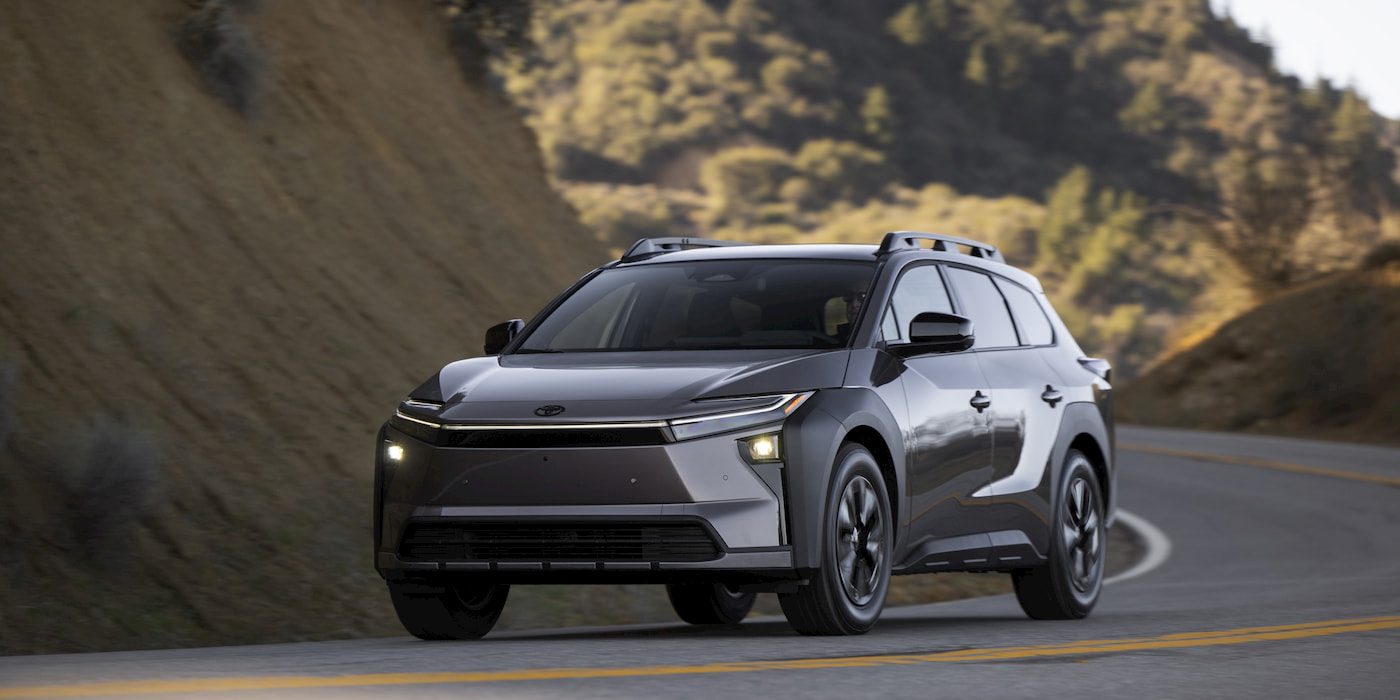
Recognizing the immense popularity of rugged, outdoor-lifestyle crossovers in the North American market, Toyota introduced the bZ Woodland to cater to adventure-seekers and utility-minded buyers.
The Woodland variant is physically larger than the standard bZ, measuring approximately six inches longer to maximize interior volume. This dimensional increase expands cargo capacity to 74.3 cubic feet with the rear seats stowed, compared to the standard bZ’s maximum capacity of 67.1 cubic feet.
Designed specifically for unpaved trails and adverse road conditions, the bZ Woodland comes standard with a dual-motor all-wheel-drive system integrated with Toyota’s proprietary X-Mode terrain management control system. This powertrain generates a combined 375 horsepower, making it the most powerful production electric vehicle currently offered by Toyota.
The Woodland variant adopts a more commanding visual posture, featuring an increased ground clearance of 8.3 inches and a maximum towing capacity of 3,500 pounds. To accommodate the heavier-duty chassis reinforcements and standard AWD hardware, the vehicle utilizes the 74.7 kWh battery pack; however, the EPA-estimated driving range is adjusted downward to 281 miles for standard builds, and down to 260 miles when specified with optional, aggressive all-terrain tires.

Pricing for the 2027 Toyota bZ Woodland is structured across two primary grades:
| 2027 Toyota bZ Woodland Trim | Starting MSRP (Excluding DPH) |
|---|---|
| Base Woodland | $45,380 |
| Woodland Premium | $47,480 |
Standard equipment on all Woodland models includes robust roof rails designed for rooftop tents and gear carriers, dual Qi-capable wireless smartphone charging pads, heated front seats and steering wheel, and advanced Digital Key smartphone entry capabilities.
The 2027 Toyota C-HR: Athletic Styling and Urban Agility
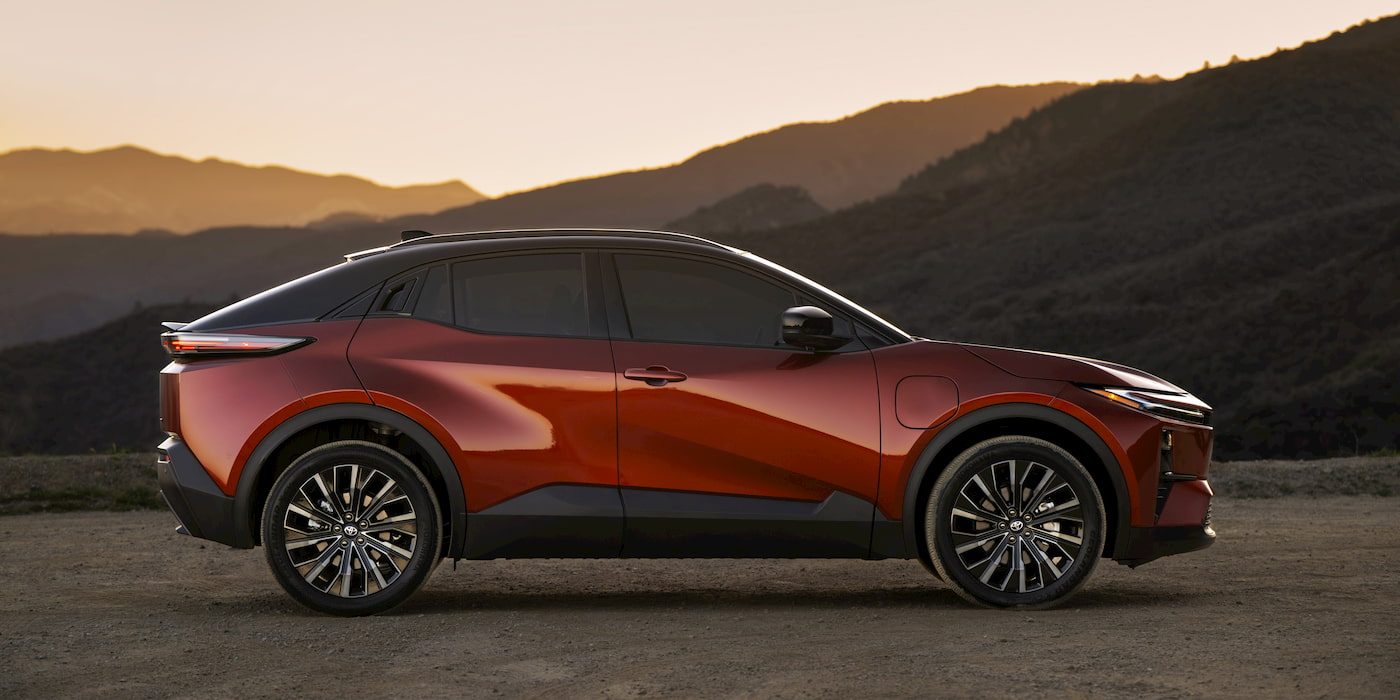
Rounding out Toyota’s trio of electric SUVs is the 2027 Toyota C-HR, a vehicle that reinterprets the brand’s compact crossover design language through a sporty, coupe-like silhouette. Positioned as an urban-centric, style-forward option, the C-HR starts at $37,080 (excluding the $1,595 DPH fee), placing it slightly above the entry-level standard bZ while offering distinct aesthetic and dynamic characteristics.
Dimensionally, the C-HR is roughly 6.7 inches shorter than the standard bZ and features a reduced wheelbase. Despite its compact footprint, the C-HR comes equipped with a dual-motor AWD powertrain as standard equipment, delivering a stout 338 horsepower—matching the power output of the standard bZ’s AWD variants.

The C-HR is offered exclusively with the 74.7 kWh battery pack. When outfitted with the standard 18-inch wheels on the SE trim, the vehicle achieves an EPA-estimated driving range of up to 287 miles. Selecting the higher XSE trim, which features larger 20-inch wheels for a more aggressive stance, results in a minor aerodynamic and rotational weight penalty, reducing the estimated range to 273 miles.
| 2027 Toyota C-HR EV Trim | Starting MSRP (Excluding DPH) | EPA-Estimated Driving Range |
|---|---|---|
| SE | $37,080 | 287 miles |
| XSE | $39,080 | 273 miles |
Despite its sloping, coupe-inspired roofline, efficient packaging yields competitive interior utility. The C-HR provides up to 59.5 cubic feet of rear cargo space with the rear seats folded flat, slightly surpassing the standard bZ’s cargo volume in certain configurations. The cabin environment mirrors its stablemates, housing a 7-inch slim driver’s display, a 14-inch central infotainment screen, dual wireless charging pads, Fabric/SofTex-trimmed seating, heated front-row amenities, and Toyota Safety Sense 3.0 driver assistance systems as standard.
Broader Market Implications and Future Outlook
Toyota’s rapid ascension in the United States electric vehicle market signals a broader shift in consumer confidence toward legacy automakers that have successfully scaled EV production without sacrificing build quality or traditional dealership support networks. By segmenting its electric offerings into three distinct categories—the volume-focused bZ commuter, the rugged and powerful bZ Woodland, and the athletic, stylish C-HR—Toyota has effectively covered the most critical segments of the crossover and SUV markets.
Industry analysts note that Toyota’s ability to achieve rapid sales growth while maintaining competitive price points below $40,000 for its entry-level models puts considerable pressure on both domestic and imported rivals. Furthermore, the inclusion of native NACS ports across the 2027 lineup removes a significant psychological and logistical barrier for prospective EV buyers concerned about charging accessibility during long-distance travel.
Looking ahead, Toyota shows no signs of slowing its electrification momentum. The automaker has officially confirmed that it will expand its zero-emission portfolio further next year with the introduction of the Highlander EV, which will serve as Toyota’s first dedicated three-row electric SUV, targeting larger families and cementing the company’s footprint across the entire spectrum of the American automotive landscape.