










The automotive landscape in the United States has crossed a significant financial threshold, with the average transaction price (ATP) for a new vehicle officially eclipsing the $51,000 mark for the first time in industry history. According to the latest market intelligence report from Kelley Blue Book (KBB), the average price paid for a new light vehicle reached $51,109 in October 2026. This milestone represents a 1.3 percent increase over September 2026 figures and a 2.1 percent rise compared to the same period in 2025. This sustained upward trajectory in vehicle costs is not merely a reflection of inflationary pressures on raw materials but is deeply rooted in evolving consumer demand, a shift toward higher-margin segments, and a complex manufacturing environment.
A Chronology of Rising Costs
The path to this record-high average has been marked by several years of consistent, if sometimes volatile, growth. Following the supply chain disruptions of the early 2020s, which saw inventory shortages drive prices to unprecedented levels, the market was expected to stabilize as production capacity returned to pre-pandemic norms. However, the data from October 2026 suggests that the "new normal" for automotive pricing has settled at a significantly higher plateau than historical benchmarks would have predicted.
The escalation in prices is visible both in what consumers are paying and what manufacturers are listing. In October 2026, the average manufacturer’s suggested retail price (MSRP) climbed to $52,933. This represents a 1.4 percent increase from the previous month and a 2.4 percent jump from October 2025. The gap between the MSRP and the actual transaction price indicates that while the "market adjustment" era of extreme dealer markups has largely subsided, the base cost of vehicles remains under upward pressure from manufacturers looking to offset development costs for new technology and more sophisticated safety systems.
The Dominance of Large Utility Vehicles
The primary catalyst for the rising average transaction price is the consumer’s migration away from traditional sedans and toward larger, more feature-rich SUVs and pickup trucks. This segment-shifting behavior has a direct mathematical impact on the national average. When a larger percentage of the market buys vehicles with higher base prices—and significantly higher option-package costs—the industry-wide ATP is naturally pulled upward.
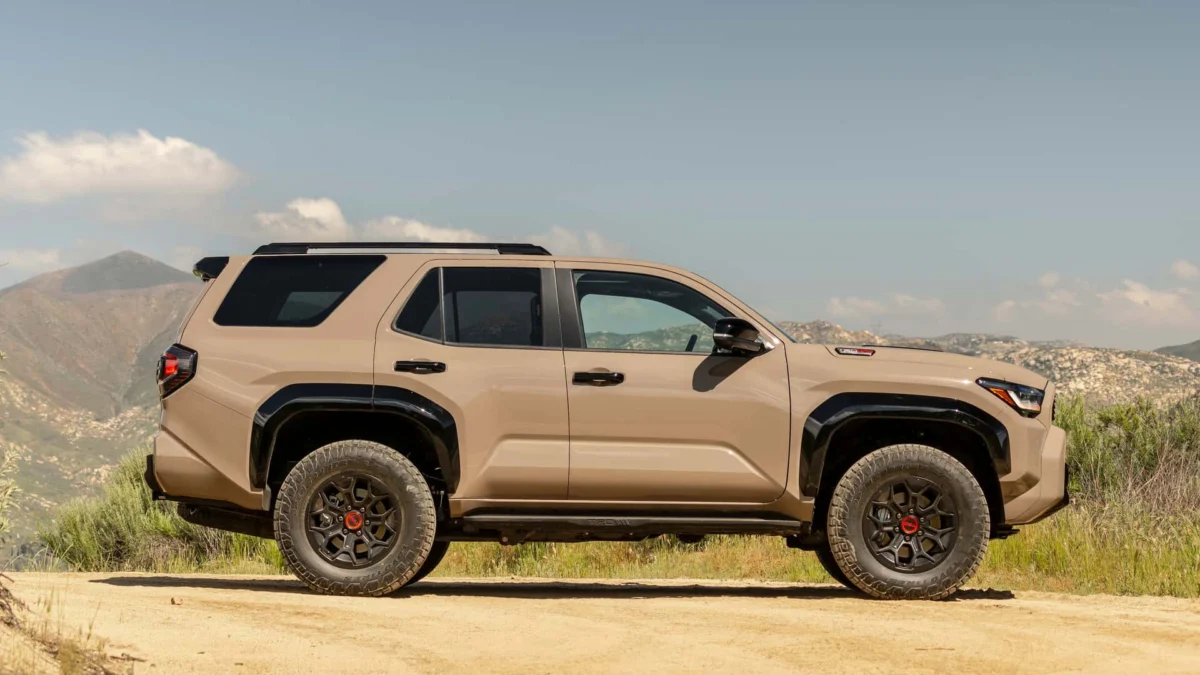
In October 2026, mid-size SUVs officially claimed the title of the highest-volume vehicle segment in the United States, surpassing compact SUVs. The shift is statistically significant; sales volume for the mid-size SUV segment grew by nearly 10 percent year-over-year. With an average transaction price of $50,570, the growing dominance of this segment serves as a primary engine for the record-breaking industry figures.
Full-size pickup trucks continue to command the highest premiums, with an average transaction price of $67,912, marking a 1.4 percent annual increase. While compact and subcompact SUVs remain the entry-level anchors of the market, even they are seeing price creep. Compact SUVs averaged $37,895 (up 4.3 percent), and subcompact SUVs averaged $31,333 (up 1.9 percent). Even the most affordable segment—compact cars—saw its average price rise to $28,030, a 3.4 percent increase from October 2025. Collectively, these five segments comprise approximately 64.4 percent of total new-vehicle sales, illustrating that the shift toward higher-priced utility vehicles is not a niche trend, but the defining characteristic of the modern American car market.
Electric Vehicles: A Different Pricing Trajectory
While the internal combustion engine market is seeing steady price increases, the electric vehicle (EV) sector is operating under a different set of dynamics. Despite a 1 percent month-over-month increase in October, the average transaction price for an EV stands at $56,220, which is actually 2.7 percent lower than in October 2025.

This trend reflects the industry’s aggressive pursuit of market share and the pressure to move inventory as production capacities for EVs continue to expand. Manufacturers are utilizing incentives more heavily in the EV segment than in the traditional gas-powered sector. In October, incentives accounted for an average of 11.3 percent of the EV transaction price, compared to just 6.8 percent for the broader industry.
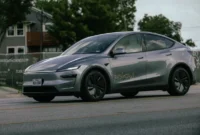
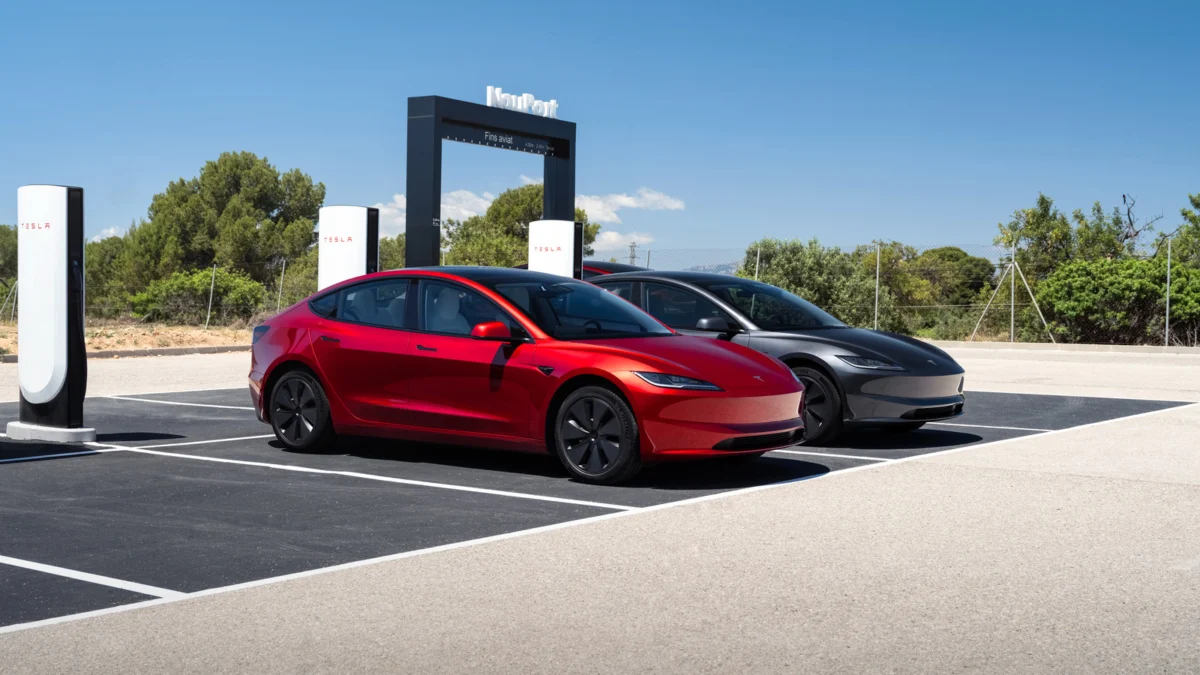
Tesla, as the market leader in the EV space, recorded an average transaction price of $54,194. While this represents a 1.2 percent increase year-over-year, it is a decrease from the previous month. Interestingly, the data highlights the influence of niche, high-priced products on these averages. The now-discontinued Tesla Cybertruck saw its strongest monthly performance in over a year, with 1,914 units sold. With an estimated transaction price of $92,380, the Cybertruck acts as a premium outlier that skews the segment’s average upward, even as more affordable models see price reductions.
Broad Economic Implications and Affordability
The persistent rise in vehicle prices presents a long-term challenge to the automotive industry’s health. Affordability is currently at a historic low, which could eventually lead to a "demand ceiling." For households, the $51,000 average price tag means that auto loans have become one of the most significant monthly expenses, often rivaling or exceeding rent and mortgage payments for many families.
Analysts note that with incentives remaining relatively restrained across the broader market—outside of the EV sector—shoppers should not expect significant relief in the near future. Manufacturers are balancing the need to keep vehicles accessible with the reality of higher production costs, including the integration of advanced driver-assistance systems (ADAS), digital cockpit technologies, and the research and development costs associated with the industry-wide transition to electrification.
Furthermore, the longevity of this trend suggests that the secondary market may face its own set of pressures. As new cars become more expensive, the pool of used vehicles available to lower-income buyers may shrink, as owners hold onto their existing vehicles longer to avoid entering the current high-priced new-car market. This cycle of deferred purchasing creates a tighter supply of quality used vehicles, which, in turn, keeps used-car prices elevated.
Looking Toward the Future
The automotive industry is currently in a state of transition that goes beyond simple currency inflation. The move toward larger, more expensive vehicle platforms is a reflection of consumer preferences for utility, comfort, and safety technology. However, this trend has created a market where the "entry-level" vehicle is increasingly difficult to define.
As the industry moves into the final months of 2026 and looks toward 2027, the focus for manufacturers will likely shift toward maintaining sales volumes in a high-interest-rate environment. Whether the market will see a correction or if $51,000 will simply become the new baseline remains a subject of intense debate among market analysts. For the American consumer, the data from October 2026 serves as a clear indicator that the financial barrier to new-car ownership has reached a significant, record-breaking peak, necessitating a recalibration of household budgets and a shift in how families approach long-term vehicle planning. As the automotive sector continues to navigate these complex economic headwinds, the interplay between consumer demand for larger vehicles and the financial reality of their production costs will remain the defining narrative of the industry for the foreseeable future.