










As the northern hemisphere transitions into the cooler months, the aesthetic shift in the natural landscape offers a unique window for portrait and wedding photographers to elevate their craft. The transformation of foliage into a vibrant palette of ochre, crimson, and gold is not merely a seasonal occurrence; it is a significant environmental shift that requires precise technical adjustments and creative foresight. Award-winning professionals from the Wedding Maps community emphasize that successful fall photography relies on understanding the intersection of timing, composition, and environmental adaptation.

The Science and Timing of Autumnal Foliage
The visual appeal of autumn photography is driven by the chemical breakdown of chlorophyll in leaves, which reveals carotenoids and anthocyanins—the pigments responsible for yellow, orange, and red hues. According to agricultural and meteorological data, the "peak" foliage window is highly climate-dependent. In northern latitudes and higher elevations, this typically occurs from mid-September through early October. In more temperate regions, the display may extend well into November.

Photographers must track regional climate data to anticipate these windows, as shifts in temperature and rainfall can accelerate or delay leaf drop. The timing of the "golden hour"—the period shortly after sunrise or before sunset—becomes particularly critical in autumn. As the sun moves lower in the sky, the angle of light interacts with the saturated colors of the foliage, creating a high-contrast environment that can enhance skin tones or, if managed poorly, lead to unwanted color casts.

Strategic Composition: Utilizing Foreground and Depth
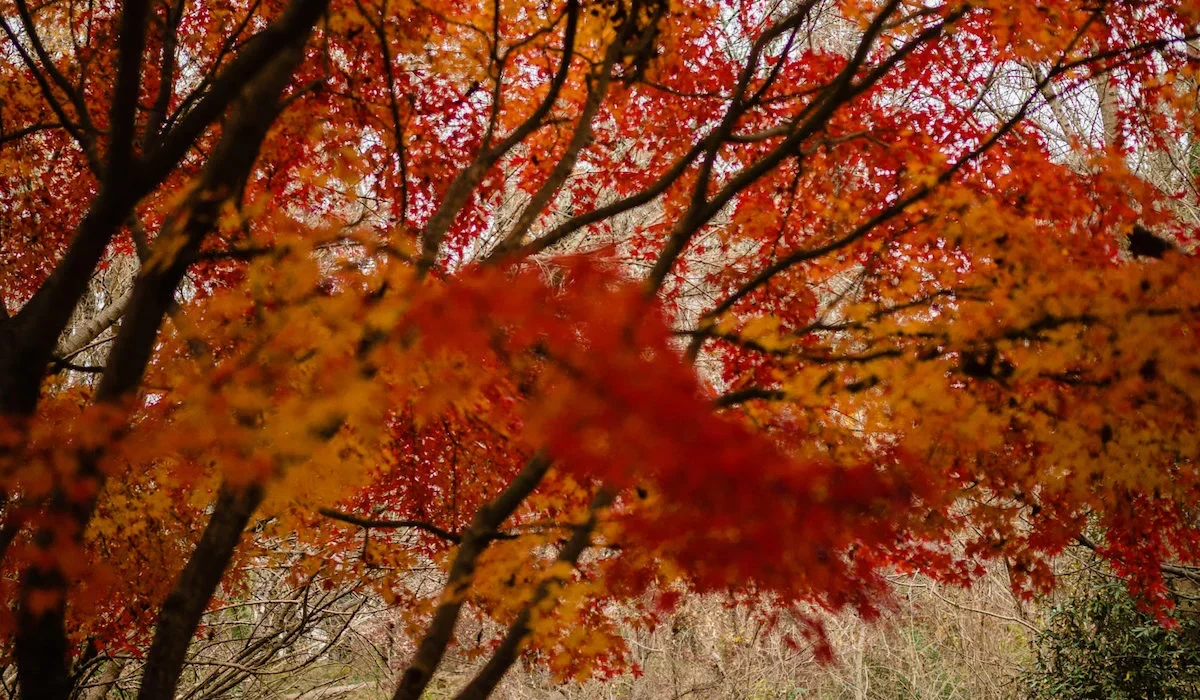
Professional photographers distinguish their work from casual snapshots by employing advanced compositional techniques. A recurring strategy among top-tier portraitists is the intentional use of foreground elements. By positioning branches, leaves, or architectural features close to the lens, photographers create a natural frame that directs the viewer’s eye toward the subjects.

This technique, often referred to as "framing," serves two primary functions: it provides a sense of scale and adds a layer of intimacy to the image. When a subject is viewed through a subtle veil of autumn leaves, the viewer experiences a sense of voyeuristic connection, as if they have stumbled upon a private, candid moment. This requires a shallow depth of field—typically achieved with wide apertures like f/1.2 to f/2.8—to keep the foreground blurred while the subject remains in sharp focus.

The Dynamics of Motion: Incorporating Interactive Elements
Static portraits are standard, but the integration of kinetic energy significantly increases the narrative quality of a session. The "leaf toss" has emerged as a preferred technique for generating genuine emotion and movement. Much like the tradition of petal tossing at weddings or confetti at celebratory events, throwing handfuls of leaves introduces an unpredictable, chaotic element that forces the subject to react naturally.

From a technical standpoint, this requires high shutter speeds—generally 1/500th of a second or faster—to freeze the motion of the leaves while maintaining a soft, blurred background. Photographers report that this activity serves as a "social lubricant" for clients who may feel awkward or stiff in front of the camera, allowing for spontaneous laughter and genuine interaction that serves as the basis for compelling imagery.

Adapting to Regional Limitations
A common challenge for photographers operating in regions without a distinct autumn season, such as coastal California, Florida, or tropical environments, is maintaining the "fall aesthetic." Professional organizations like Wedding Maps advise that the "vibe" of the season is not exclusively dependent on changing leaves.

Instead, photographers are encouraged to leverage the cooler, softer light of the late-year months and to substitute traditional fall colors with earthy, warm-toned color palettes. The use of accessories, such as scarves, knit sweaters, or blankets, can simulate the feeling of a crisp, cool day even in climates where the ambient temperature remains warm. By focusing on the mood of the season—coziness, intimacy, and introspection—photographers can successfully cultivate an autumnal theme in any environment.

Elevated Perspectives: Aerial and High-Angle Photography
To capture the vastness of the changing season, professionals increasingly turn to aerial photography. Drones equipped with high-resolution sensors allow for a perspective that is impossible to achieve from the ground, documenting the patterns of color across entire forests or valleys.

This approach is particularly valuable for destination wedding photographers who operate in mountainous or forested regions. The logistical requirements—including FAA Part 107 licensing in the United States and site-specific permits—are significant, but the resulting imagery provides a narrative scope that elevates the final client gallery. High-angle shots offer a "god’s-eye view" of the landscape, emphasizing the subject’s place within the grandeur of the changing environment.

The Impact of Wardrobe on Visual Cohesion
A critical, yet often overlooked, component of a successful fall shoot is the coordination of wardrobe with the environment. Color theory plays a decisive role in the final output. Photographers advise clients to avoid high-contrast, synthetic colors that clash with the natural landscape. Instead, they recommend earth tones, deep burgundies, burnt oranges, and mustard yellows.

This alignment of the subject’s appearance with the background creates an organic, cohesive image. When the subject appears to belong to the environment rather than being placed in front of it, the overall visual impact is strengthened. Professionals often provide clients with a curated "style guide" prior to the session, which includes advice on textures—such as wool, corduroy, or tweed—that photograph well and reinforce the tactile sensation of the season.

Broader Implications for the Photography Industry
The professionalization of seasonal photography represents a broader shift in the industry toward "experience-based" services. Modern clients are not merely paying for a static image; they are investing in a curated experience that aligns with their personal aesthetic and social media presence. The rise of these specialized, season-specific photography sessions has led to a more competitive market where professionals must demonstrate a deep knowledge of their local geography and seasonal cycles.

Furthermore, the integration of these sessions into wedding and portrait business models provides a recurring revenue stream. Photographers who establish themselves as experts in seasonal lighting and composition see higher retention rates, as clients return for recurring sessions (e.g., engagement shoots in the fall, followed by winter or spring portraits).

Conclusion
The appeal of autumn photography lies in its ephemeral nature. The short window during which the leaves are at their peak creates a sense of urgency and exclusivity that resonates with clients. By employing technical expertise, careful planning, and a deep understanding of natural aesthetics, photographers can transform a simple portrait session into a narrative document of the passing year. Whether through the clever use of foreground framing, the kinetic energy of a leaf toss, or the vast perspective of a drone, the goal remains the same: to capture the essence of a season that serves as a beautiful, fleeting backdrop for human connection. As the industry continues to evolve, those who master the delicate balance between natural beauty and technical precision will continue to set the standard for professional photography.