







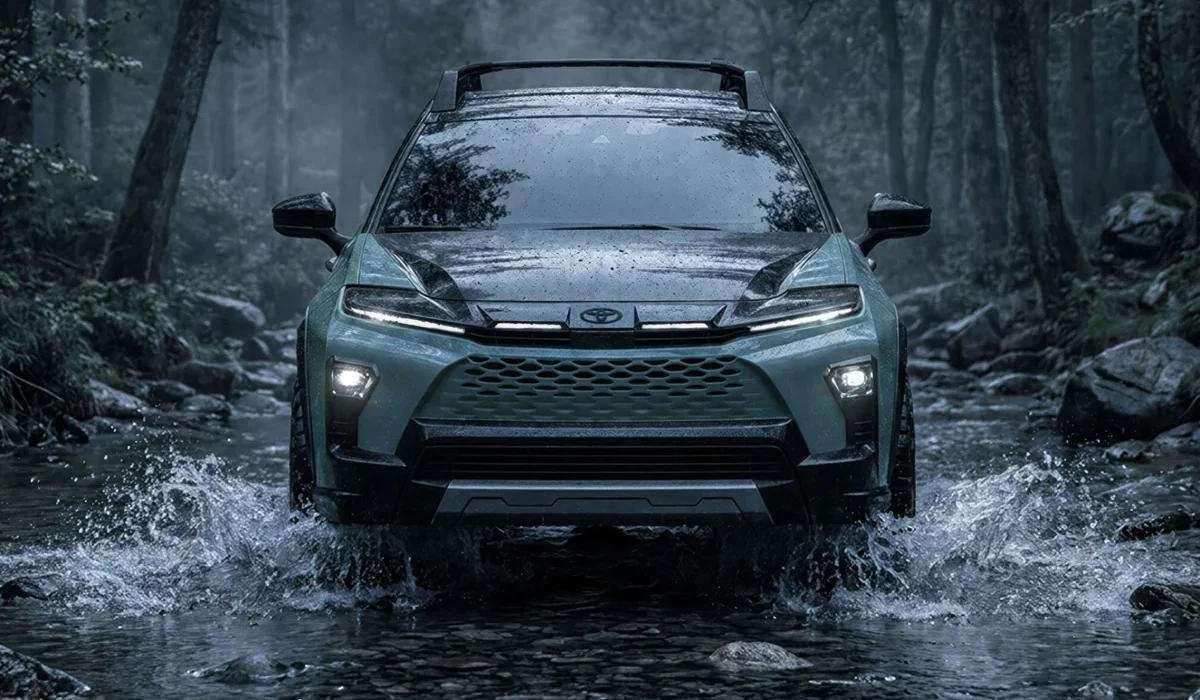
Toyota made a commanding statement at the 2026 Specialty Equipment Market Association (SEMA) Show in Las Vegas, unveiling a comprehensive and diverse fleet of concepts that underscored the manufacturer’s dominance in both rugged off-road engineering and high-performance street tuning. Held annually at the Las Vegas Convention Center, the SEMA Show serves as the premier global stage for automotive aftermarket innovation, drawing hundreds of thousands of industry professionals, builders, and enthusiasts. Toyota’s presence at the 2026 exhibition was anchored by two major thematic families—the extreme winter-ready Snowhunter lineup and the versatile, lifestyle-focused Woodland series—alongside a striking high-performance grand tourer that pushed the boundaries of the brand’s design capabilities.
Main Facts of the Showcase
The centerpiece of Toyota’s 2026 SEMA exhibition was the Snowhunter Concept Family, a cohesive five-vehicle collection built upon the automaker’s robust body-on-frame architecture. Designed to conquer the most punishing deep-snow environments, the collection transformed standard-production heavy hitters—specifically the Tundra, Land Cruiser, Sequoia, Tacoma, and 4Runner—into heavy-duty winter exploration machines. Each vehicle in the Snowhunter family was wrapped in a specialized Snowhunter camouflage exterior, fitted with heavy-duty snow tracks in place of traditional wheels, and enhanced with gloss black aesthetic accents, high-output Rigid auxiliary lighting, and an array of components drawn directly from Toyota Genuine Parts and Toyota Racing Development (TRD).
The undisputed flagship of this collection was the Tundra Snowhunter Concept. Developed in collaboration with CALTY Design Research, Toyota’s advanced design studio based in California, the full-size truck featured the proprietary TrailLift Pro System. This engineering marvel effectively converted the Tundra’s truck bed into a highly versatile, modular storage and utility platform. Designed to streamline the transport of bulky gear in sub-zero climates, the TrailLift Pro System features an articulating rack mechanism that allows outdoor enthusiasts to securely stow, organize, and easily deploy large recreational equipment such as kayaks and mountain bikes, even while operating in remote, snow-bound locations.

Chronology and Design Evolution of the Concepts
The conceptual development for Toyota’s 2026 SEMA showcase began nearly a year prior, as engineers from Toyota’s product planning divisions and designers at CALTY collaborated to address the evolving demands of modern outdoor enthusiasts. While traditional off-road builds typically focus on desert running or rocky terrain crawling, the 2026 strategy shifted toward extreme seasonal utility and seamless cross-functional lifestyle integration.
Following the initial ideation phases in early 2025, the design teams split their focus between extreme utility and everyday versatility. This dual-track approach led to the creation of the Woodland concept family, which debuted alongside the Snowhunters in Las Vegas. The Woodland series targeted a different segment of the adventure market, bringing comprehensive off-road enhancements to crossover and passenger platforms including the RAV4, Grand Highlander, Sienna, bZ electric vehicle lineup, and the Crown Signia.
Engineered by CALTY to bridge the gap between urban commuting and weekend wilderness exploration, the Woodland concept vehicles received substantial mechanical and aesthetic upgrades. These included specialized suspension lift kits, robust over-fenders, satin-black multi-spoke wheels wrapped in aggressive all-terrain tires, and heavy-duty roof racks equipped with multi-functional crossbars. Visually, the Woodland fleet distinguished itself through a striking two-tone exterior paint scheme. The upper portions, including the roof and hood, were finished in a deep black, which contrasted sharply with Horizon Blue—a heritage-inspired paint color originally introduced in the 1960s on iconic Toyota models such as the Crown, Stout, and Corona.
Supporting Data and Engineering Specifications

While the Snowhunter and Woodland fleets addressed utility and adventure, Toyota reserved its engineering tour de force for the asphalt-bound enthusiast community. Surprising attendees at the Las Vegas Convention Center, the Toyota Motorsports Garage unveiled the Crown Signia GT-S concept, a high-performance grand tourer that completely reimagined the factory crossover profile.
The Crown Signia GT-S underwent a radical transformation led by in-house development technicians. The exterior was coated in a custom dark grey metallic paint, accented by a widened body kit featuring aggressive widebody fenders, reshaped forward headlight assemblies embedded with subtle red warning accents, a revised rear fascia, and a comprehensive aerodynamic package designed to increase high-speed stability. At the rear, an integrated custom exhaust system terminated in trapezoidal tips cleanly flush-mounted within the lower aero diffuser.
Underneath the heavily modified skin, the GT-S featured bespoke performance hardware. The chassis was lowered by five inches compared to the stock production vehicle through the installation of custom MC-S coilovers. Stopping power was drastically improved by borrowing large front and rear brake calipers from the Lexus RX500h F Sport. Ground contact was maximized via a set of ultra-wide 295mm performance tires mounted on massive 21-inch HRE forged wheels, giving the grand tourer an aggressive, planted stance that starkly contrasted with its standard luxury counterparts.
Official Responses and Industry Context
Automotive analysts and industry observers noted that Toyota’s multi-pronged SEMA strategy reflects a broader corporate shift toward personalization, modularity, and lifestyle branding. By leveraging both its in-house TRD division and external partnerships with design hubs like CALTY, Toyota has continually demonstrated an ability to connect directly with enthusiast subcultures while retaining mainstream consumer appeal.

While company executives did not announce immediate mass-production plans for the entirety of the 2026 SEMA concepts, representatives confirmed that many of the components showcased—particularly the TRD accessories, lighting arrays, and bed-storage configurations—serve as testbeds for future Genuine Parts offerings. Past SEMA exhibitions have frequently previewed factory-backed packages, such as the Trailhunter trims currently found across Toyota’s light-truck lineup, suggesting that customer demand could pave the way for select elements of the Snowhunter and Woodland visions to reach dealership showrooms.
Broader Impact and Market Implications
The presentation of the Snowhunter and Woodland concept families at the 2026 SEMA Show highlights the growing commercial importance of the adventure lifestyle and overlanding sectors within the global automotive industry. As consumer preferences increasingly skew toward outdoor recreation, vehicle manufacturers face mounting pressure to offer factory-supported customization options that ensure reliability, warranty coverage, and integrated functionality straight off the showroom floor.
Furthermore, the introduction of the Crown Signia GT-S illustrates Toyota’s willingness to experiment with performance tuning across unconventional body styles. By transforming a family-oriented grand touring crossover into a widebody performance machine, Toyota demonstrated that electrification, hybrid technology, and traditional internal combustion platforms can all be adapted to satisfy enthusiast demands. As the aftermarket industry navigates a rapidly shifting technological landscape, Toyota’s expansive 2026 SEMA footprint establishes a benchmark for how heritage, utility, and modern engineering can harmoniously coexist.