





Apple is orchestrating a significant shift in its domestic technology strategy, signaling a formal reboot of its HomeKit ecosystem through a high-profile partnership with South Korean electronics giant LG. Reports confirmed by Bloomberg indicate that the two companies have been collaborating on a suite of smart home accessories, including security cameras, thermostats, and smart locks, designed to integrate seamlessly with Apple’s burgeoning smart home hub architecture. While Apple provides the design language, technical specifications, and ecosystem integration, LG will serve as the primary manufacturer and support provider, effectively marking these products as "second-party" offerings within the Apple ecosystem.
A Strategic Pivot for Apple’s Smart Home Ambitions
For years, Apple’s presence in the smart home sector has been largely defined by its software framework, HomeKit, and the premium HomePod series. However, the market for physical smart home hardware has been dominated by competitors such as Amazon’s Ring and Google’s Nest. By partnering with LG, Apple is adopting a strategy that allows it to rapidly scale its physical presence without incurring the immense logistical and manufacturing overheads typically associated with a new consumer hardware category.
This collaborative model enables Apple to maintain strict oversight over the product’s design, engineering, and feature sets, ensuring that the hardware adheres to the company’s high standards for privacy and security. Simultaneously, LG assumes the burden of mass production, supply chain management, and ongoing customer support. For the end user, this represents a potential best-of-both-worlds scenario: the reliability and privacy-focused integration of an Apple-engineered product paired with the established manufacturing prowess of a global electronics leader.
Chronology of the Development
The development of this partnership is the culmination of long-term efforts to modernize the HomeKit experience. Industry observers have noted that Apple has been quietly preparing for a major push into the smart home market for several quarters.
- Early 2026: Apple begins internal discussions regarding the expansion of its physical hardware portfolio, identifying specific gaps in its ecosystem, such as professional-grade security and climate control.
- Mid-2026: Apple and LG initiate a covert partnership, focusing on a unified design language that aligns with Apple’s aesthetic while utilizing LG’s existing manufacturing facilities.
- September 2026: LG submits regulatory filings to the U.S. Federal Communications Commission (FCC) and UL Solutions, confirming the existence of several smart home products, including video doorbells, floodlight cameras, and smart thermostats.
- October 2026: Reports emerge detailing the scope of the partnership, revealing that while the devices are intended for the Apple ecosystem, they will officially carry the LG branding.
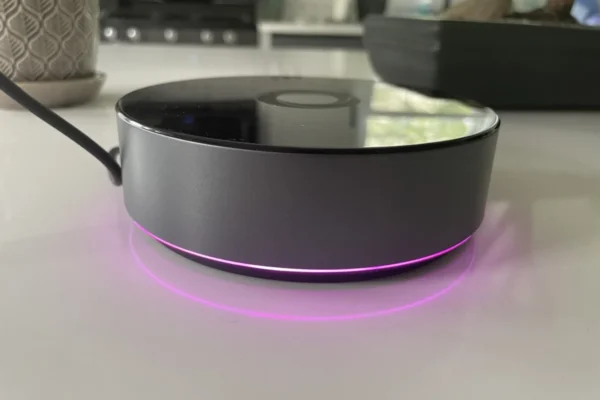
- Late 2026/Early 2027: Anticipated launch of Apple’s next-generation "HomePad" hub, which will serve as the central nervous system for these new LG-manufactured peripherals.
Technical Specifications and Ecosystem Integration
The forthcoming product lineup is designed to be comprehensive, covering the essential pillars of modern smart home security and utility. According to regulatory filings, the hardware slated for release includes the LG Video Doorbell Wired, LG Floodlight Cam, LG Outdoor Cam Plug-In, LG Indoor Cam Plug-In, LG Smart Deadbolt Lock, and the LG Smart Thermostat, accompanied by a dedicated temperature sensor.
A critical aspect of this rollout is the commitment to interoperability. These devices are expected to support Wi-Fi, Bluetooth, and, most importantly, the Matter standard. Matter has become the industry-standard protocol for ensuring that smart home devices from different manufacturers can communicate effortlessly. By leaning into Matter, Apple is ensuring that these new devices remain versatile and future-proof.
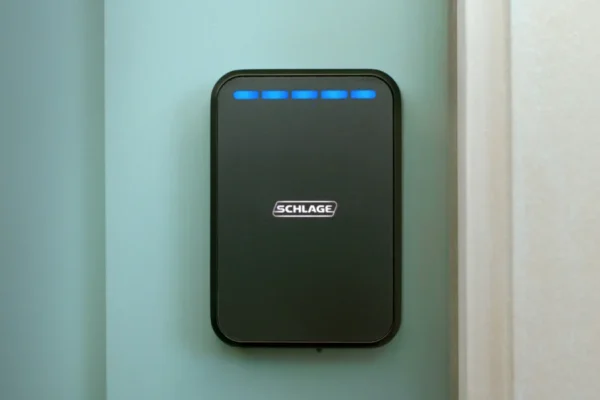
The smart lock, in particular, showcases advanced integration. It is set to feature Ultra-Wideband (UWB) technology, a precision-tracking standard that allows for proximity-based authentication. This will enable users to unlock their doors simply by approaching them with a registered iPhone or Apple Watch, significantly enhancing the user experience over traditional Bluetooth-based smart locks, which are often prone to latency issues.
The Rationale Behind the Second-Party Model
The decision to utilize LG as a manufacturing partner rather than producing these items entirely in-house is a calculated business move. Developing, testing, and distributing a wide range of disparate smart home accessories requires a massive infrastructure. By leveraging LG, Apple mitigates risk.
From a competitive standpoint, this move allows Apple to compete directly with Amazon and Google, who have historically used their own hardware to create "walled gardens." By integrating LG hardware, Apple can offer a curated, high-end, and private experience that differentiates itself from the data-heavy models often employed by rivals. Industry analysts suggest that this "co-development" strategy could be a blueprint for Apple’s future entry into other home categories, potentially including kitchen appliances or advanced home-monitoring systems.

Official Responses and Regulatory Transparency
While Apple has maintained its characteristic silence regarding unannounced products, the regulatory documentation filed by LG provides a clear roadmap. In their filings with the FCC, LG has taken steps to keep detailed technical drawings and photographs confidential, a standard practice ahead of a major product launch.
The filings notably omit any direct mention of Apple, which is standard for such partnerships to avoid premature disclosure of the co-branding strategy. However, the timing of these filings—coinciding with Apple’s internal preparations for the "HomePad" smart hub launch—strongly links the two initiatives.
Broader Market Impact and Implications
The entry of an Apple-aligned, LG-manufactured product line is expected to disrupt the current smart home market. Currently, the market is highly fragmented, with consumers often forced to choose between devices that do not play well together. By providing a suite of devices that are "Apple-certified" in terms of design and engineering, Apple is attempting to bring a level of stability and consistency to the fragmented IoT (Internet of Things) space.
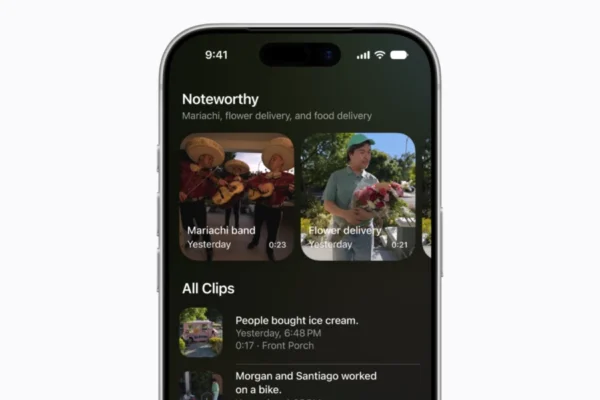
Furthermore, this move aligns with Apple’s broader corporate focus on privacy. As Apple continues to market itself as a leader in user privacy, the ability to control the hardware stack—from the sensor to the hub—allows the company to implement privacy-centric processing. For instance, data from these cameras can be processed locally on the home hub rather than in the cloud, a selling point that carries significant weight with Apple’s core demographic.
Looking beyond the immediate hardware rollout, this partnership is part of a larger roadmap that reportedly includes a privacy-centric home-monitoring service and even more advanced hardware, such as a smart display attached to a robotic arm for automated home monitoring. These innovations suggest that Apple views the home as the next frontier for its ecosystem, following the success of the iPhone, the Mac, and the Apple Watch.

Future Outlook: What to Expect Next
While the products are not expected to reach consumers for several months, their existence represents a clear turning point for Apple. As the "HomePad" hub prepares to hit the market, the LG-manufactured accessories will provide the necessary infrastructure to make that hub useful.
Consumers should expect a tiered rollout. The security-focused devices, such as the cameras and doorbells, are likely to be prioritized, given their high demand. The smart thermostat and locks will likely follow as the software integration for these devices matures.
In conclusion, the Apple-LG partnership is more than just a deal for manufacturing; it is a strategic alignment that leverages the strengths of both companies to solve the fundamental problems of the smart home industry: fragmentation, privacy concerns, and inconsistent user experience. As the rollout progresses, it will likely force competitors to re-evaluate their own ecosystems, potentially leading to a more standardized, secure, and user-friendly smart home landscape for all consumers. The coming months will be critical as more details regarding price points, availability, and specific integration features are finalized and brought to market.