











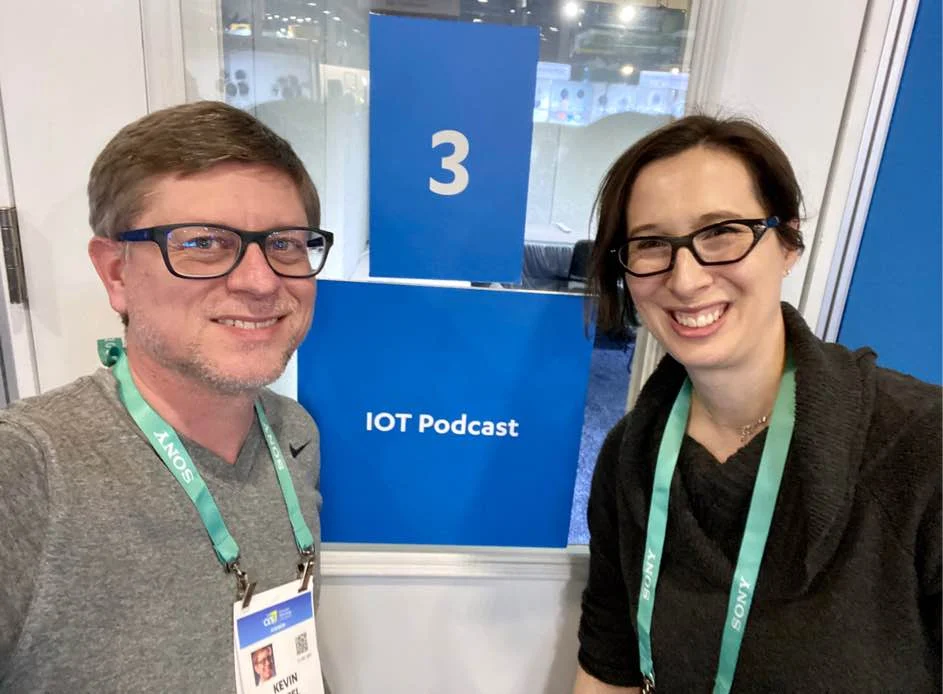
Stacey Higginbotham, a veteran technology journalist and a leading voice in the Internet of Things (IoT) sector, announced the conclusion of her weekly podcast and newsletter in August 2023. This pivot marks the end of a seven-year independent media venture that provided critical analysis of the smart home, connected industrial devices, and the broader societal implications of a ubiquitously networked world. While Higginbotham is stepping away from the rigors of a weekly publication schedule, she remains active in the field, transitioning into a consulting role with the Consumer Reports Innovation Lab to focus on the intersection of cybersecurity and consumer privacy.
A Chronology of Independent Tech Journalism
Higginbotham’s departure from Fortune in 2016 to establish her own independent media brand was met with skepticism from industry peers. At the time, the transition from legacy media to independent newsletters and podcasts was a burgeoning trend, but it carried significant financial and professional risk.
Between 2016 and 2023, Higginbotham built a repository of expertise that tracked the maturation of the IoT market. Her coverage spanned the early days of smart home hubs and the integration of voice assistants to the current landscape of complex, subscription-based ecosystems. Her work served as a bridge between the hype cycle of Silicon Valley startups and the practical, often messy realities faced by consumers, such as data security vulnerabilities, proprietary software lock-ins, and the environmental impact of electronic waste.
The Evolution of the IoT Market
The period of Higginbotham’s independent reporting coincides with a transformative era for connected technology. In 2016, the "connected home" was largely a fragmented collection of gadgets. By 2023, the industry had moved toward standardized protocols like Matter, intended to ensure interoperability between devices from competing manufacturers.
Data from the International Data Corporation (IDC) underscores the scale of the sector she covered. In 2016, global IoT spending was estimated at roughly $737 billion. By 2023, that figure had grown to over $1 trillion, reflecting the massive integration of IoT into enterprise, healthcare, and infrastructure sectors. Higginbotham’s reporting consistently challenged the narrative that this growth was inherently beneficial, highlighting the "surveillance-by-design" nature of many consumer products and the labor-monitoring systems creeping into the workplace.
Critical Analysis: The Costs of Connectivity
Throughout her tenure, Higginbotham maintained a focus on the ethical and social ramifications of ubiquitous computing. Her analysis frequently touched upon three central themes that continue to challenge the tech industry:
- The Subscription Trap: As venture capital funding tightened, many hardware manufacturers pivoted to subscription-based models to ensure recurring revenue. This effectively shifted the consumer’s relationship with their own hardware from "ownership" to "licensing," a shift Higginbotham frequently critiqued for its lack of transparency.
- Surveillance and Data Privacy: The proliferation of cameras, smart speakers, and sensors has created a vacuum for user data. Higginbotham’s work often spotlighted how this data is harvested not just for product optimization, but for secondary monetization, often without the explicit, informed consent of the end-user.
- Corporate Greenwashing: The rise of ESG (Environmental, Social, and Governance) mandates in the corporate world led many firms to tout IoT-enabled "efficiency" as a solution to climate change. Higginbotham’s reporting scrutinized these claims, suggesting that the energy consumption required to manufacture and maintain an ever-growing array of connected devices often outweighs the marginal energy savings they provide in a home or office environment.
The Pivot to Policy and Advocacy
Higginbotham’s decision to join the Consumer Reports Innovation Lab signifies a shift from observational journalism to active advocacy. The Innovation Lab, known for its rigorous testing of connected devices for security and privacy flaws, represents a natural evolution of her professional trajectory.
Industry analysts suggest that this move highlights a broader trend: the "professionalization" of tech criticism. As the IoT market becomes deeply intertwined with critical infrastructure and personal safety, the demand for objective, third-party security audits has grown. By focusing on cybersecurity, Higginbotham is moving into a space where her findings can directly influence product design standards rather than merely informing consumers after a product has already hit the market.
Broader Implications for Tech Media
The end of Stacey on IoT serves as a case study for the sustainability of independent tech media. While newsletters and podcasts have become essential tools for niche experts to bypass traditional media gatekeepers, the "always-on" nature of the news cycle poses a significant risk of burnout. Higginbotham’s transparency regarding her exhaustion is a sentiment shared by many in the digital creator economy, where the pressure to maintain a constant stream of high-quality content often leaves little time for deep, investigative research.
Her transition also underscores a shifting dynamic in how tech news is consumed. With the saturation of news feeds and the rise of algorithmic content, audiences have shown an increasing preference for specialized, expert-led analysis over generalist technology news. However, the labor required to sustain that level of insight is immense, leading many independent creators to seek roles within organizations—like non-profits or research labs—that offer more stability and a more focused mission.
Future Directions and Industry Outlook
As Higginbotham shifts her focus to the Consumer Reports Innovation Lab, the industry will lose one of its most consistent skeptics of "tech-solutionism." However, the legacy of her work remains in the established community of engineers, product managers, and consumers who have become more literate in the risks of the connected world due to her reporting.
The next phase of her career will likely see her engaged in the standardization of privacy and security practices. As regulatory bodies like the Federal Trade Commission (FTC) in the United States and the European Union’s Digital Markets Act (DMA) begin to tighten oversight of connected ecosystems, the role of independent researchers in identifying "dark patterns" and security vulnerabilities will be more critical than ever.
In her final communications, Higginbotham indicated that while she is stepping back from the daily news grind, she remains committed to the core issues that defined her career. Her continued presence on decentralized platforms like Bluesky, combined with her new advisory work, suggests that she is not retreating from the conversation, but rather reorienting her approach to ensure that the future of the Internet of Things is built on a foundation of safety, privacy, and human-centric design.
The void left by the closure of her weekly newsletter will be felt by those who relied on her synthesis of complex industry trends, yet her transition reflects the maturation of the IoT field itself: from an era of rapid, unchecked experimentation to a period where regulatory oversight, security, and consumer rights are taking center stage. The story of IoT is far from over, but the nature of the coverage is clearly evolving alongside the technology.