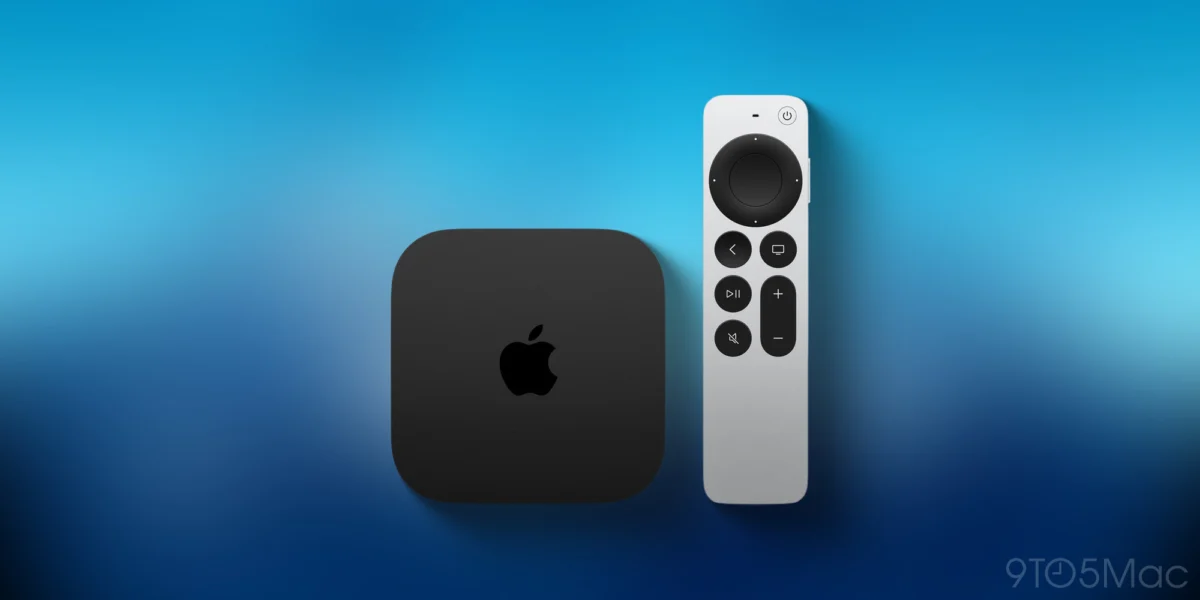
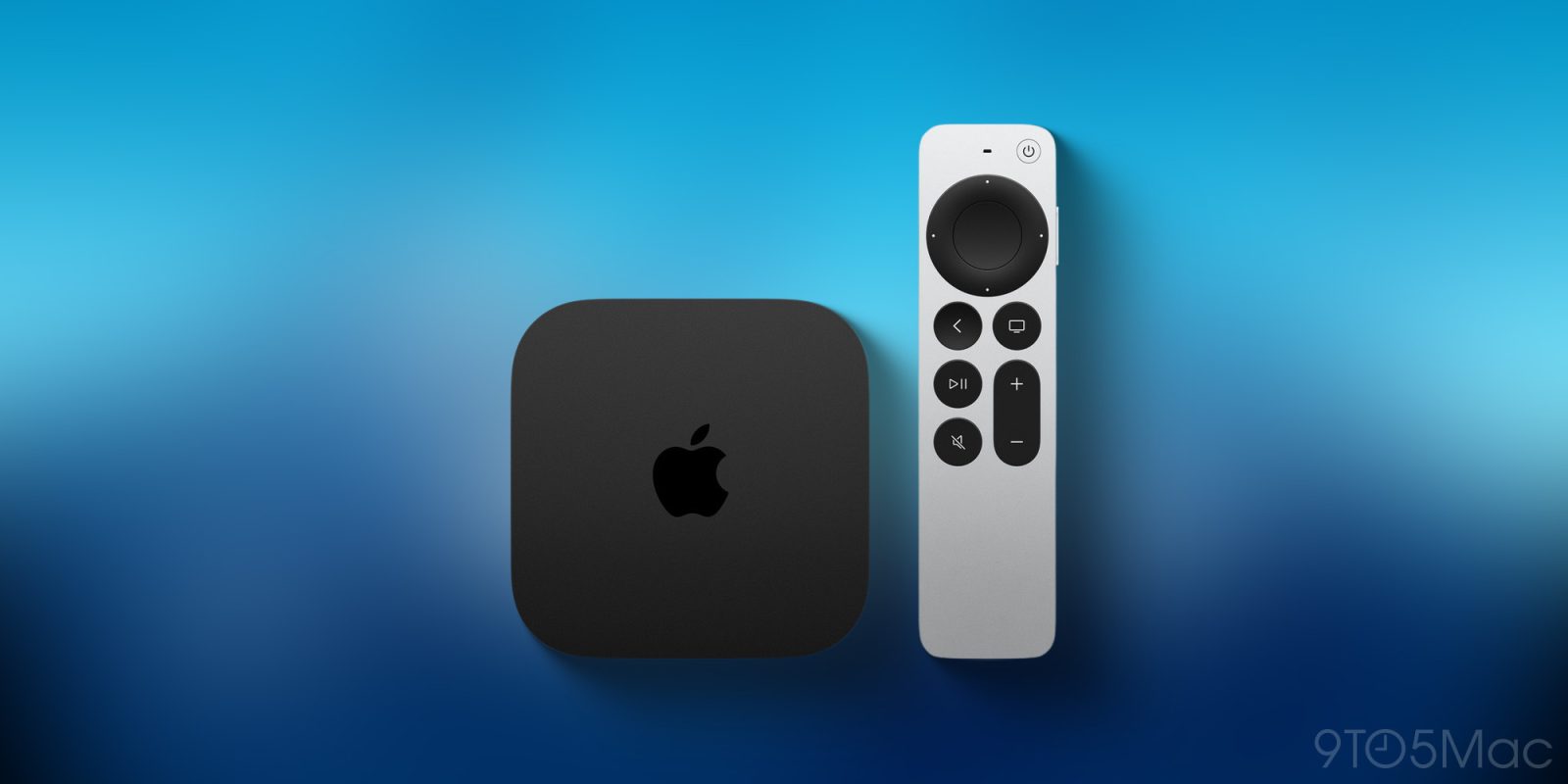
A recent analysis by Kitcast, detailed in its "State of Digital Signage 2026 report," has presented compelling telemetry data indicating that Apple TV stands as the more reliable and cost-effective solution for enterprise digital signage deployments when compared to its Android-based counterparts. The findings challenge the conventional wisdom that upfront savings on cheaper Android hardware translate into overall economic advantage, revealing instead a significant disparity in long-term operational stability and maintenance overhead. For IT departments navigating the complex landscape of corporate and retail digital displays, the report underscores that while Android devices may offer an initial lower price point, Apple TV’s robust performance ultimately delivers superior value through reduced downtime and lower total cost of ownership.
The modern enterprise environment increasingly relies on digital signage for a myriad of critical functions, from conveying urgent corporate announcements and displaying real-time data in offices to showcasing product promotions in retail spaces and providing wayfinding information in large venues. The efficacy of these systems hinges almost entirely on their continuous operation. Any interruption, no matter how brief, can lead to lost revenue, diminished brand perception, operational inefficiencies, or even safety concerns. This pervasive need for unwavering reliability has placed significant pressure on IT teams to select hardware that can withstand the rigors of 24/7 operation with minimal intervention. Historically, the choice often boiled down to a perceived trade-off: investing in premium, often Apple-branded, hardware or opting for more budget-friendly, typically Android-powered, alternatives. The Kitcast report meticulously dissects this dilemma, providing quantitative evidence to inform strategic procurement decisions.
The Evolving Landscape of Digital Signage Hardware
The digital signage industry has witnessed substantial evolution over the past two decades. Early systems often relied on full-fledged personal computers connected to displays, offering robust processing power but suffering from bulkiness, high energy consumption, and complex maintenance. The advent of smaller, more specialized media players, often leveraging embedded operating systems, marked a significant shift. Android, with its open-source nature and vast developer community, quickly became a popular choice for these compact devices. Manufacturers could produce low-cost "sticks" or small boxes, making digital signage more accessible to businesses with tighter budgets. Simultaneously, consumer-grade devices like the Apple TV, originally designed for home entertainment, began to be repurposed for commercial applications due to their sleek design, powerful processors, and user-friendly interface. This created a bifurcated market where IT professionals had to weigh the immediate financial outlay against the less tangible, long-term costs associated with support, reliability, and scalability.
Unpacking the Kitcast Report: A Deep Dive into Performance Metrics
The "State of Digital Signage 2026 report" from Kitcast provides an unprecedented level of detail by analyzing telemetry data collected over a 12-month period. This comprehensive study involved 1,000 Apple TV units and 250 Android devices deployed across various corporate and retail settings. The sheer volume and duration of the data collection lend significant weight to its conclusions, moving beyond anecdotal evidence to present a data-driven comparison.

One of the most striking revelations concerns device uptime. The report found that Apple TV devices achieved a median 12-month uptime of an impressive 99%. This figure indicates that, on average, Apple TV units remain operational for virtually the entire year, requiring minimal restarts or troubleshooting. In stark contrast, Android devices registered a median uptime of 96% over the same period. While a 3% difference might appear negligible at first glance, its real-world impact on large-scale deployments is profound. To put it into perspective, a 3% difference in annual downtime translates to approximately 263 hours of additional downtime per year per device for Android units compared to Apple TVs. Across a network of hundreds or thousands of displays, this accumulates into a staggering amount of lost operational time.
Further analysis of the uptime data reveals an even more compelling narrative regarding consistency. A remarkable 70% of Apple TV devices maintained an uptime of 99% or higher, signifying that the vast majority of these units operated virtually flawlessly, without requiring frequent reboots or interventions. This high level of consistent performance is a critical factor for businesses where continuous display of information is paramount. Conversely, only 12% of Android players managed to clear this 99% uptime benchmark, indicating a much higher variability in performance across the Android fleet. Moreover, nearly a third (30%) of the Android devices fell below 95% uptime, highlighting a significant portion of the deployed units experiencing considerable and disruptive downtime. Such inconsistency creates unpredictable challenges for IT staff and can lead to uneven service delivery across different locations.
Beyond general uptime, the report meticulously tracked the frequency of offline events that necessitated IT involvement. This metric directly quantifies the burden placed on support teams. The telemetry data revealed that an average Android device went offline 15.2 times a year, each instance requiring an IT professional to diagnose and resolve the issue. In contrast, an Apple TV experienced only 5.3 offline events annually. This nearly threefold difference in incident rates has direct implications for IT resource allocation. For an organization managing 100 digital signage displays, this translates to over 1,500 IT interventions annually for Android-based systems versus just over 500 for Apple TV-based systems. The cumulative hours spent on reactive maintenance for Android devices can quickly negate any initial hardware savings.
Perhaps the most critical long-term cost factor identified in the report is hardware failure rates. Kitcast’s analysis found that Android devices had an annual replacement rate of approximately 18%. This means nearly one in five Android units failed within a year and required complete replacement. Apple TV devices, on the other hand, exhibited a significantly lower annual replacement rate of just 2%. This eight-to-nine-fold difference in hardware longevity is a powerful indicator of the superior build quality and engineering inherent in Apple’s product. High replacement rates not only incur the direct cost of purchasing new hardware but also involve the labor costs associated with procurement, configuration, and physical deployment of replacement units, further adding to the total cost of ownership.
The True Cost of Cheap Hardware: Total Cost of Ownership (TCO)
The Kitcast report emphatically demonstrates that the initial price advantage of cheap Android digital signage sticks quickly dissipates when accounting for the total cost of ownership (TCO). While an Android stick might cost significantly less upfront than an Apple TV 4K, the hidden costs associated with maintenance, downtime, and replacements accumulate rapidly.
Consider a scenario where an organization deploys 100 digital signage units.
- Hardware Replacement Costs: With an 18% annual replacement rate, 18 Android units would need replacing each year. At an average cost of $50-$100 per stick, this could be $900-$1,800 annually just for replacement hardware. For Apple TV, with a 2% replacement rate, only 2 units would need replacing. At an average cost of $130-$180 per unit, this would be $260-$360 annually. The savings on replacement hardware alone are considerable.
- IT Labor Costs: The difference in offline events is perhaps the most significant TCO driver. With 15.2 interventions per Android device per year, 100 devices would require 1,520 interventions. Assuming an average IT hourly rate of $75 and 30 minutes per intervention (including travel/dispatch time, diagnosis, and resolution), this equates to approximately 760 hours of IT labor, costing $57,000 annually. For Apple TV, with 5.3 interventions per device, 100 devices would require 530 interventions, translating to 265 hours of IT labor, or $19,875 annually. This represents a staggering difference of over $37,000 in IT support costs per year for a modest 100-device deployment.
- Opportunity Costs of Downtime: Beyond direct costs, prolonged downtime for digital signage can lead to significant lost opportunities. In retail, a non-functional promotional display can result in missed sales. In corporate environments, critical information not being displayed can impact productivity or even pose compliance risks. While harder to quantify precisely, these indirect costs often outweigh the direct hardware and labor expenses, especially for mission-critical applications.
When these factors are aggregated, the seemingly inexpensive Android solution becomes substantially more expensive over its operational lifespan. The initial investment in an Apple TV, while higher, is amortized over a much longer period with significantly fewer operational disruptions, ultimately yielding a lower TCO.
Operational Efficiency and Streamlined IT Management
The superior reliability of Apple TV devices translates directly into enhanced operational efficiency and a less burdensome workload for IT teams. The report highlights how Apple’s ecosystem, particularly when paired with Mobile Device Management (MDM) solutions like Mosyle (which sponsors the original article, emphasizing its role as an Apple Unified Platform for seamless deployment, management, and protection of Apple devices), facilitates "zero-touch deployment" and "robust management."
Zero-touch deployment capabilities mean that IT administrators can configure Apple TV devices remotely and enroll them into an MDM system without needing physical interaction. Once connected to the network, the devices automatically download their configuration profiles, applications, and settings. This drastically reduces the time and effort required for initial setup, especially in large-scale deployments across multiple locations. Robust management features allow IT to monitor device status, push updates, troubleshoot issues, and even remotely reboot devices from a central console. This proactive and centralized management approach minimizes the need for on-site visits, freeing up valuable IT resources to focus on more strategic initiatives rather than reactive firefighting.
In contrast, managing a fleet of diverse Android devices can be more fragmented. Due to the variety of hardware manufacturers, Android versions, and customization layers, standardized deployment and management can be challenging. While Android does offer enterprise management features, their implementation can vary significantly across devices, leading to inconsistencies and increased complexity for IT. The higher incidence of offline events and hardware failures for Android devices, as revealed by Kitcast, necessitates a more hands-on, reactive approach, pulling IT staff away from other critical tasks and increasing operational overhead.
Apple’s Enterprise Play: A Strategic Long Game
Apple’s presence in the enterprise market has steadily grown over the years, initially with its Macs and then profoundly with the iPhone and iPad. The findings from Kitcast suggest that Apple TV is increasingly solidifying its position as a viable, and indeed superior, enterprise-grade appliance for specific use cases like digital signage. This aligns with Apple’s broader strategy of offering a tightly integrated ecosystem known for its reliability, security, and ease of management.
While the "recent price hike for Apple TV was brutal," as noted by Bradley Chambers (an experienced Apple IT admin and author of the original "Apple @ Work" column), the report provides a strong economic justification for that premium. However, the market still presents an opportunity for Apple. Chambers’s desire to "see Apple release a low-cost ‘stick’ option to meet enterprise digital signage needs" highlights a genuine market demand. Such a device, leveraging Apple’s robust software and hardware integration in a more budget-friendly form factor, could address the initial cost barrier without compromising the critical reliability that enterprises require. This strategic move could further cement Apple’s dominance in the digital signage sector, making its superior TCO even more accessible.
Challenges and Opportunities for Android in Digital Signage
The Kitcast report, while highlighting the strengths of Apple TV, also implicitly points to areas where the Android digital signage ecosystem can improve. The "cheap Android devices" often suffer from a combination of lower-grade hardware components, fragmented operating system versions, and inconsistent long-term software support from manufacturers. These factors collectively contribute to the observed reliability issues, including memory leaks (as experienced by Chambers), frequent reboots, and higher failure rates.
For Android to become a more competitive and reliable option for enterprise digital signage, several shifts would be beneficial. Manufacturers could focus on developing more robust, enterprise-specific hardware with higher quality components and stricter quality control. Furthermore, a greater emphasis on standardized Android versions optimized for digital signage, coupled with guaranteed extended software and security updates, would significantly enhance stability and reduce maintenance burdens. While premium Android digital signage players do exist and offer better reliability, their price point often approaches or even exceeds that of an Apple TV, thereby eroding the "cheap" advantage that drives many initial purchasing decisions. The challenge for Android remains to deliver enterprise-grade reliability at a price point that genuinely differentiates it in terms of TCO.
Industry Perspectives and Broader Implications for Procurement
Industry observers and IT procurement specialists are likely to find the Kitcast report’s data highly compelling. It provides concrete evidence to support the often-cited but less quantified benefits of investing in quality hardware and a well-supported ecosystem. IT administrators, who frequently grapple with the trade-off between upfront expenditure and long-term operational stability, now have a powerful argument to present to finance departments.
The report underscores a growing trend in enterprise technology procurement towards prioritizing total cost of ownership (TCO) over initial purchase price. As organizations become more reliant on technology for core operations, the cost of downtime and maintenance escalates dramatically. This shift in perspective is not limited to digital signage; it extends to servers, networking equipment, client devices, and cloud services. Reliability, security, and ease of management are increasingly recognized as strategic assets that contribute directly to business continuity and efficiency.

The findings also serve as a reminder that the "fire-and-forget" model rarely works for critical infrastructure. While the allure of low-cost hardware can be strong, the downstream costs associated with managing a less reliable fleet can quickly spiral out of control, consuming valuable IT resources and impacting overall business performance. For mainstream news outlets, this story represents a practical case study in how technological choices, seemingly minor at the point of purchase, can have significant and measurable impacts on a business’s operational health and financial bottom line. The implications extend beyond the digital signage market, influencing broader conversations about hardware standardization, vendor support, and the strategic value of robust IT infrastructure in an increasingly digital world.
Conclusion
The "State of Digital Signage 2026 report" from Kitcast provides definitive telemetry data supporting Apple TV as the superior choice for enterprise digital signage deployments. With a median 12-month uptime of 99%, significantly fewer offline events, and an exceptionally low hardware replacement rate of 2% annually, Apple TV devices demonstrably offer unparalleled reliability compared to their Android counterparts. While Android devices may present a lower initial acquisition cost, the report clearly illustrates how increased IT interventions, higher replacement rates, and the substantial opportunity costs of downtime quickly erase any upfront savings, leading to a significantly higher total cost of ownership. For businesses aiming to deploy robust, scalable, and consistently operational digital signage networks, the data unequivocally points to Apple TV as the more economically sound and operationally efficient investment. This report serves as a critical guide for IT professionals, advocating for a holistic view of technology procurement that prioritizes long-term stability and efficiency over short-term budgetary gains.