Home Assistant has officially rolled out its major platform update for September 2026, version 2026.9, introducing a wide array of backend modernizations, user interface refinements, and hardware integrations designed to make local smart home automation more accessible. Spearheaded by the Open Home Foundation and core developers, this release addresses several long-standing community requests, most notably overhauling how industrial and energy-monitoring protocols interact with the platform, upgrading voice processing engines for multilingual households, and expanding accessibility features for data analytics.
Modernizing Industrial and Energy Protocols via Modbus
For years, Modbus has served as the quiet backbone for millions of residential energy management systems, facilitating local communication with solar inverters, heat pumps, and electricity meters. However, its adoption has traditionally been bottlenecked by steep technical barriers. Historically, configuring a Modbus device within Home Assistant required users to manually write complex register maps using YAML configuration files. This manual workflow effectively locked out non-technical consumers from integrating a broad class of hardware.
Home Assistant 2026.9 fundamentally transforms this paradigm by modernizing Modbus integration architecture. Rather than forcing individual users to handle low-level register mapping, the platform now supports native integrations that natively understand specific device protocols. Users can select and configure their hardware directly through the graphical user interface, mirroring the seamless setup process found in more mainstream consumer integrations.
Under the hood, this upgrade relies on a new standalone modbus-connection library and the fully typed tmodbus protocol handler. Early implementations of this updated framework include enhanced support for Fronius solar inverters, which now leverage Modbus TCP (SunSpec) to expose granular per-string data—such as current, voltage, power, and lifetime energy for individual Maximum Power Point (MPP) trackers—data previously unavailable through standard local HTTP APIs. Additional native support has been introduced for Sofar Inverters and Flexit ventilation systems, significantly reducing configuration friction for energy-conscious homeowners.
Advancements in Private Voice Processing and Cloud Services
Addressing the complexities of local voice recognition, Home Assistant 2026.9 introduces an optional, cutting-edge speech-to-text processing engine available to Home Assistant Cloud subscribers through the platform’s experimental Labs feature. Developed in collaboration with Nabu Casa and powered by Soniox, the new engine specifically targets three major friction points in private voice assistant deployment: non-English language processing, heavy regional accents, and noisy acoustic environments.
While large tech conglomerates have historically relied on continuous cloud data harvesting to train speech models, the updated integration maintains strict adherence to Home Assistant’s privacy-first architecture, ensuring that audio data is never logged, stored, or utilized for third-party machine learning model training. For households operating in multilingual environments or featuring distinct regional dialects, this update represents a significant step toward closing the performance gap between local, open-source voice assistants and commercial corporate alternatives.
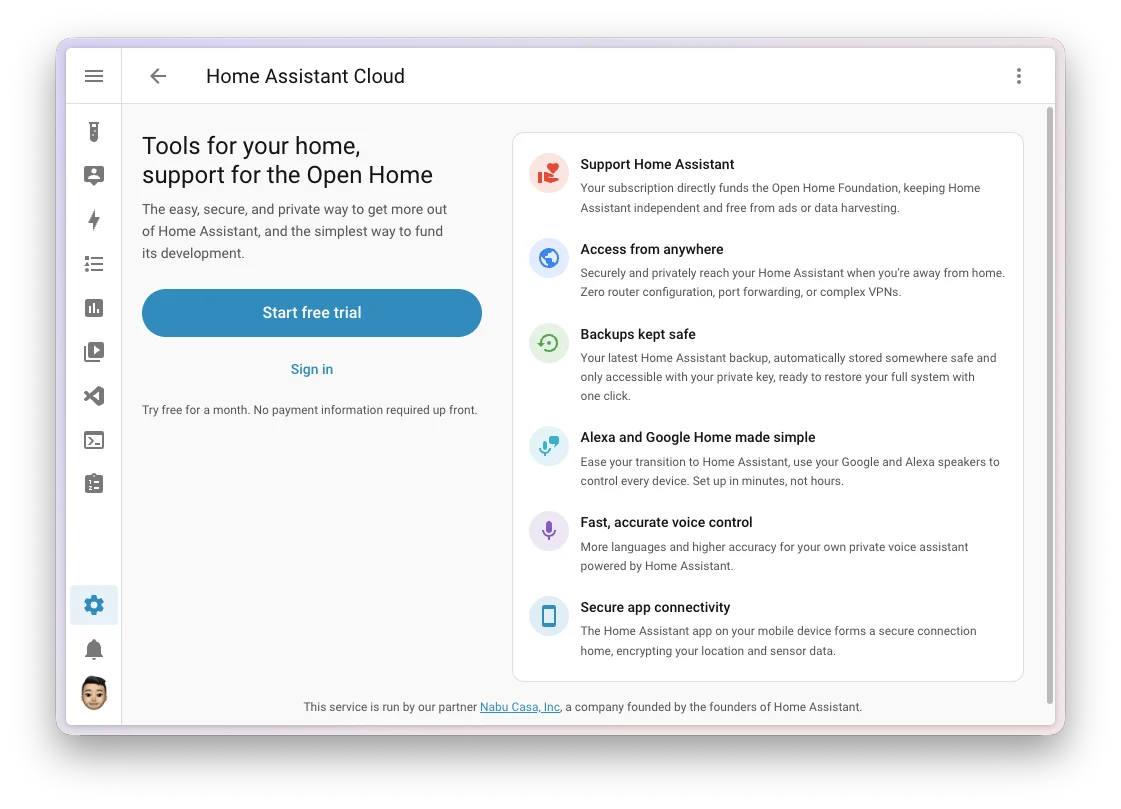
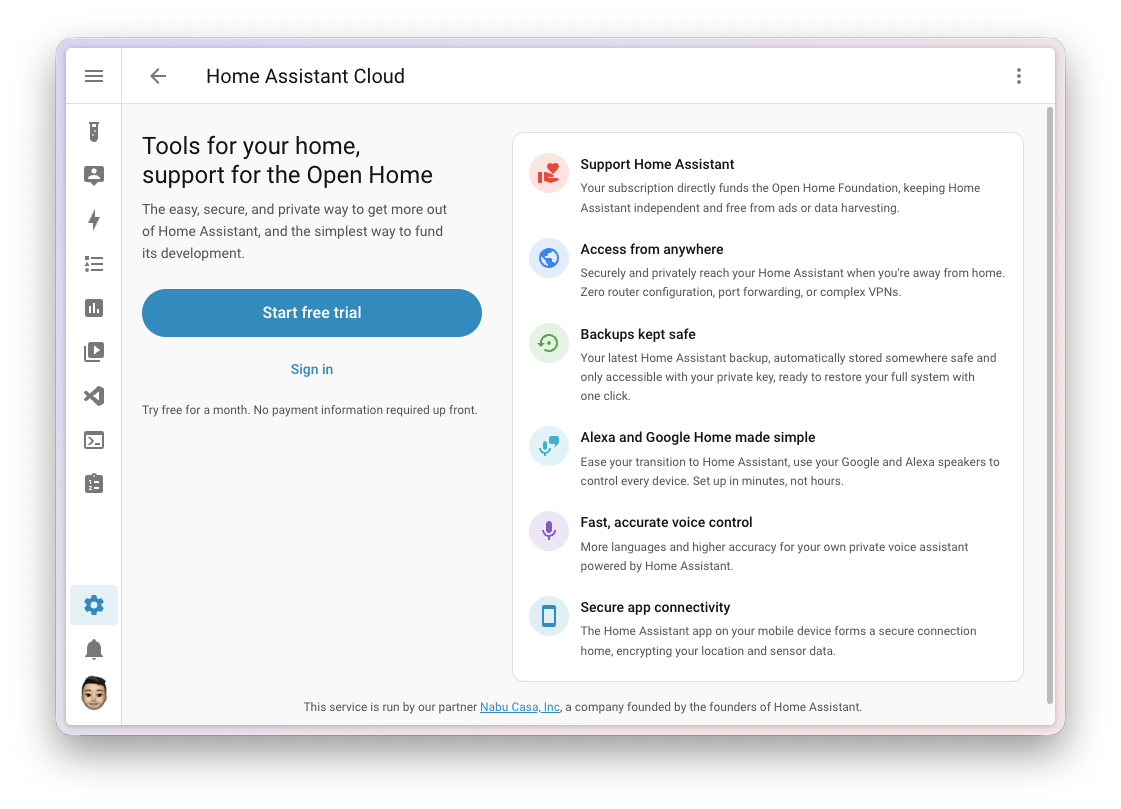
Concurrently, the signup and onboarding workflow for Home Assistant Cloud has been streamlined. The newly redesigned landing page clearly outlines subscription benefits—including secure remote access without port forwarding, encrypted off-site backups, and native cloud-polling integrations—prior to trial initiation. Furthermore, email verification now automatically authenticates users into their instances, immediately provisioning services upon registration.
Security Dashboard Improvements and Granular Activity Tracking
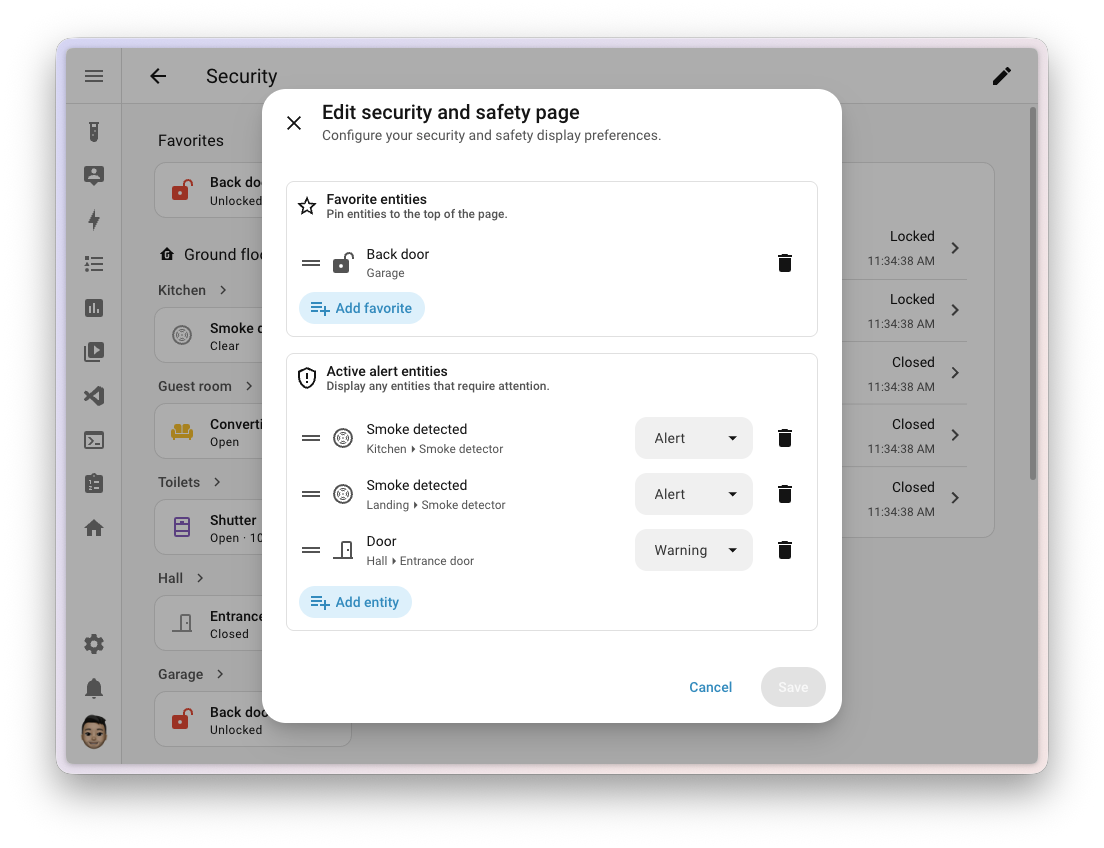
Security and system visibility receive substantial updates in the 2026.9 release, directly addressing feedback from the Open Home Foundation’s UX roadmap. The built-in Security dashboard has been expanded to include a dynamic Active Alerts section. This component remains hidden during normal operating conditions but automatically populates with severity-categorized warnings (such as open entry points or triggered smoke detectors) when immediate human intervention is required. Alongside alerts, a new Favorites section allows users to pin critical locks, doors, and sensors to the top of the dashboard interface.
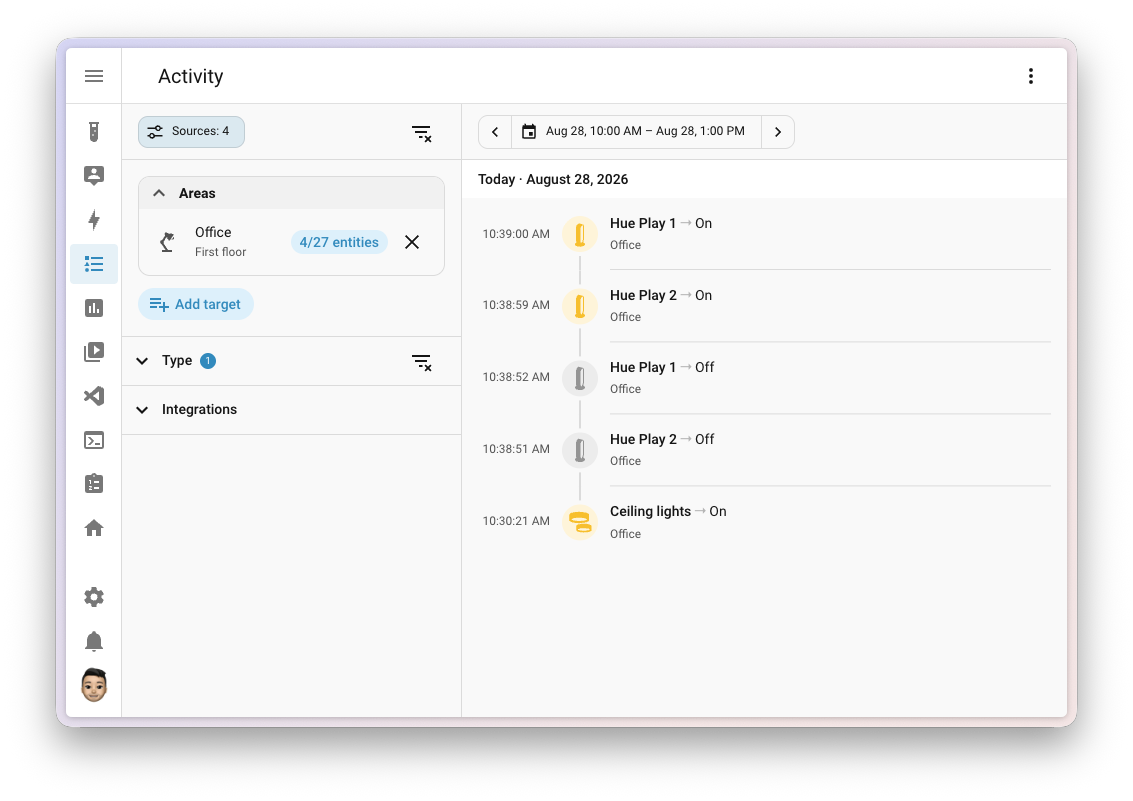
In parallel, the History and Activity panels have been unified under a shared Sources pane. Located on the left-hand side of the interface, this pane merges target selection tools—spanning floors, areas, devices, and individual entities—with advanced filtering parameters based on domains, device classes, and parent integrations.
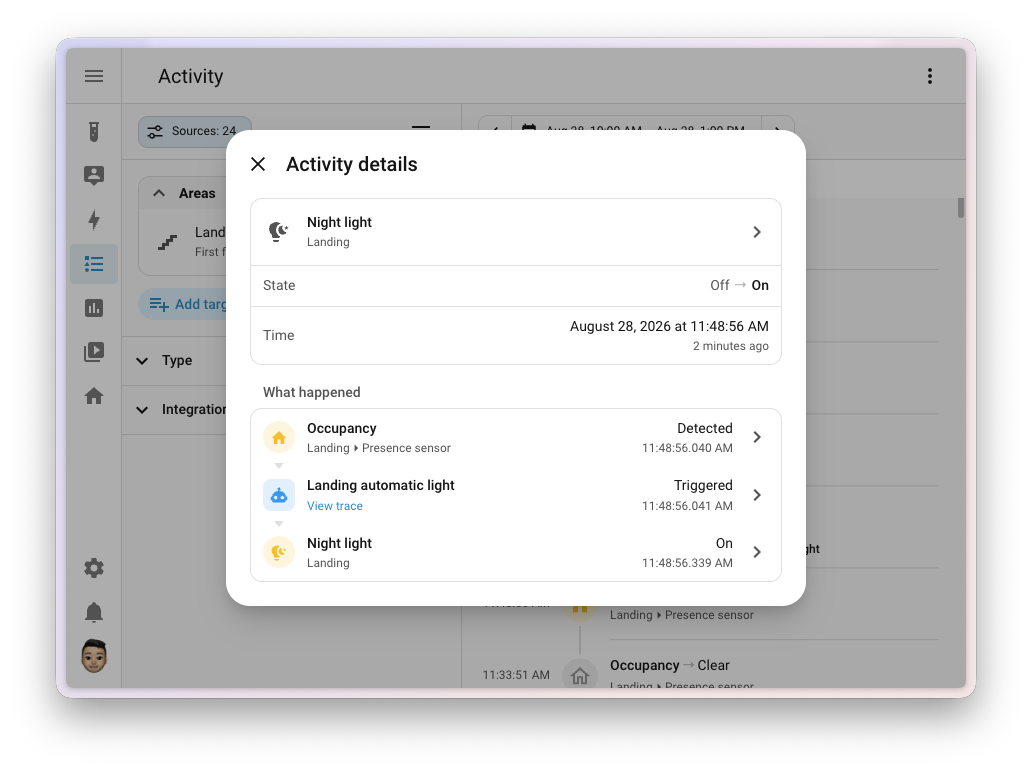
The Activity log has transitioned from merely reporting what occurred to explaining why an event took place. Selecting any entry in the Activity log now opens a comprehensive chronological breakdown. This dialog traces an event from its root trigger (such as a state change, schedule, or user intervention) through any intermediary automations or scripts, down to the final physical entity state change. Every step in the execution chain is hyperlinked, allowing administrators to inspect automation traces or modify underlying device configurations instantly, with millisecond-level timestamp precision.
Network Mapping for Matter and Accessibility Breakthroughs in Data Charts
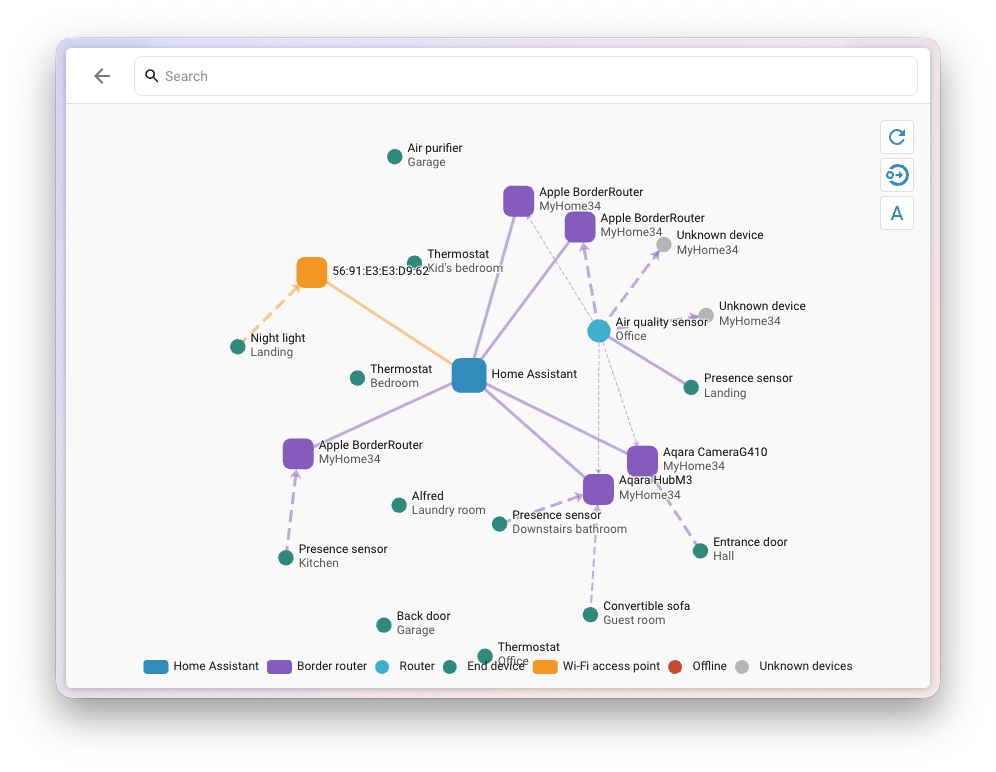
As the smart home ecosystem continues its migration toward unified standards, Home Assistant 2026.9 brings parity to the Matter protocol by introducing a native network topology map. Previously restricted to the underlying Matter Server’s separate web interface, users can now visualize their entire Matter network directly within the Home Assistant dashboard. The map illustrates connections across Thread and Wi-Fi transports, identifying border routers, access points, and battery-powered end devices while tracking signal strength and link topology.
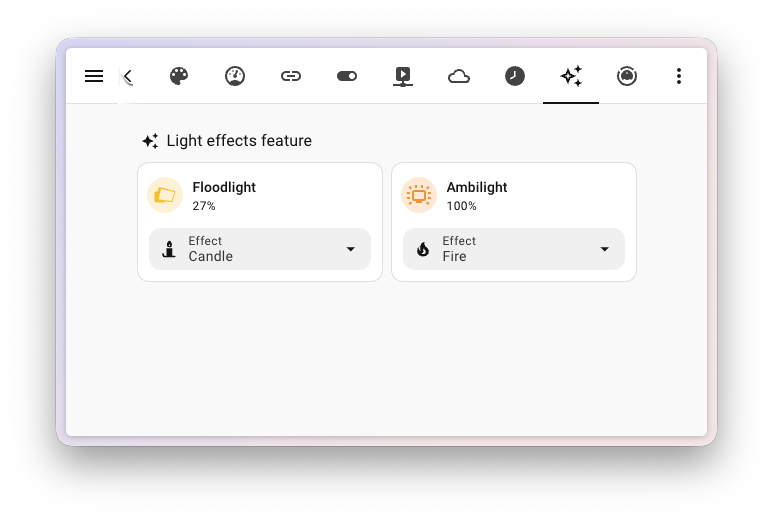
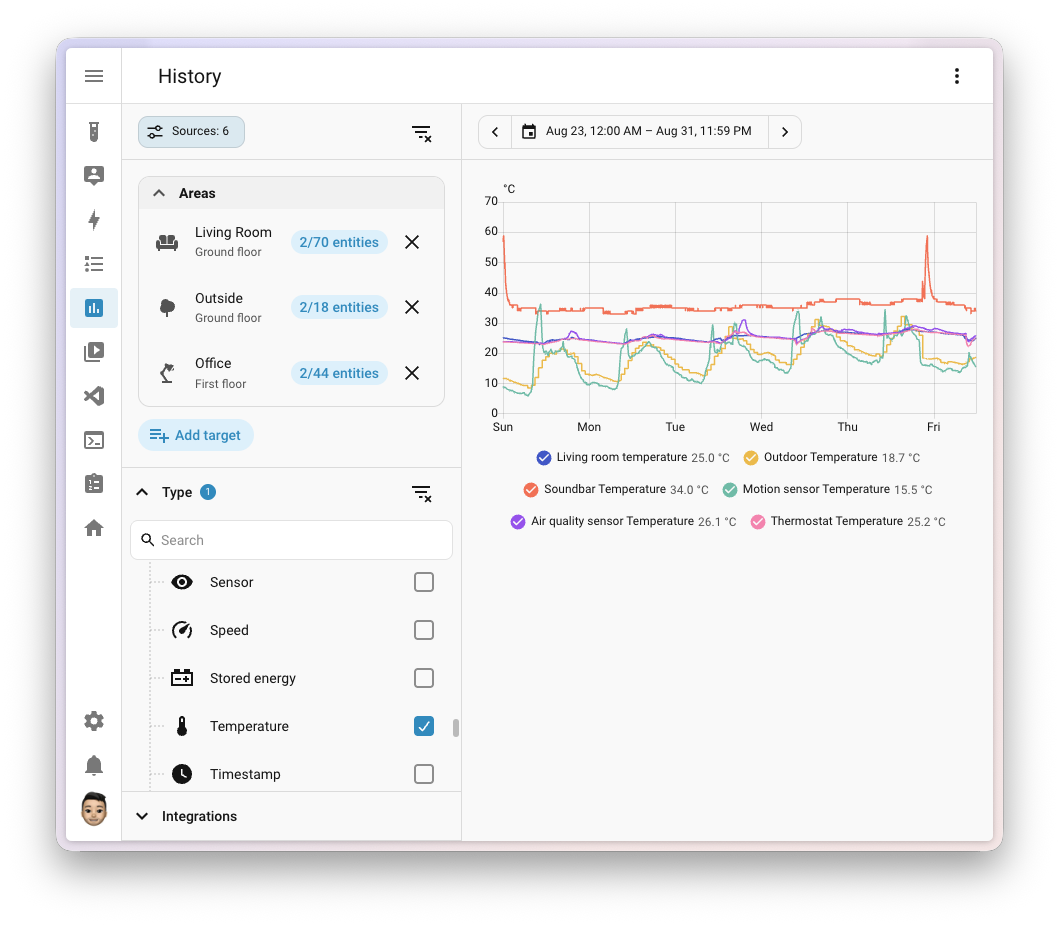
Accessibility remains a core development tenet in this release, highlighted by groundbreaking keyboard and auditory navigation features implemented for data charts. Historically, rendered chart images were entirely inaccessible to screen readers and keyboard-only operators. Version 2026.9 transforms line and bar charts into interactive focus regions. Users can navigate data points sequentially using keyboard arrow keys, while screen readers dynamically announce exact timestamps and metric values.
Uniquely, the system translates numerical trends into auditory feedback, playing ascending and descending tones corresponding to data fluctuations as the user traverses the chart. This feature provides both visually impaired users and keyboard navigators with an intuitive acoustic representation of historical data trends across environmental sensors and energy consumption meters.
Hardware Connectivity Panels and Ecosystem Expansion
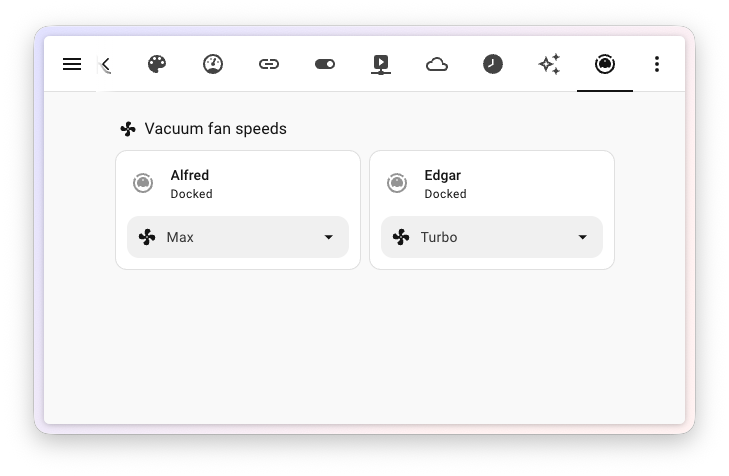
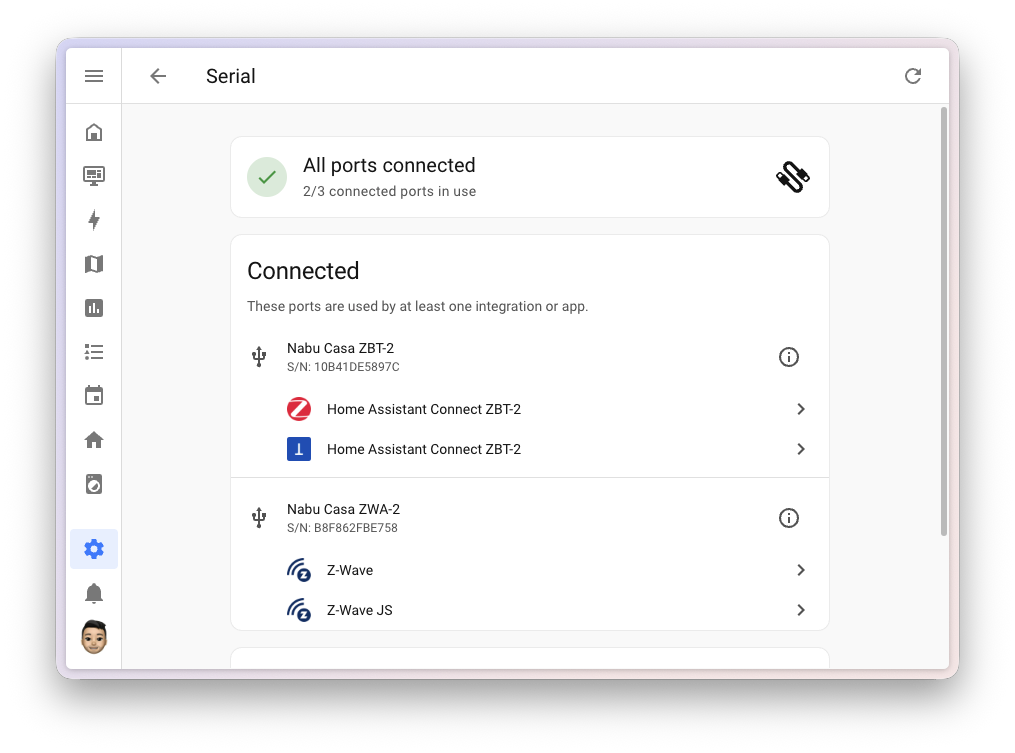
To further consolidate hardware management, the platform has elevated Serial connections to a first-class citizen under the Settings menu, joining previously integrated infrared and radio frequency panels. The new Serial interface categorizes connected USB dongles and serial ports into active, connected-idle, and missing states, providing instant diagnostic feedback if hardware fails or configuration paths drift. Similarly, the MQTT integration has received a dedicated settings management page, featuring an integrated packet publishing tool and enhanced payload formatting.
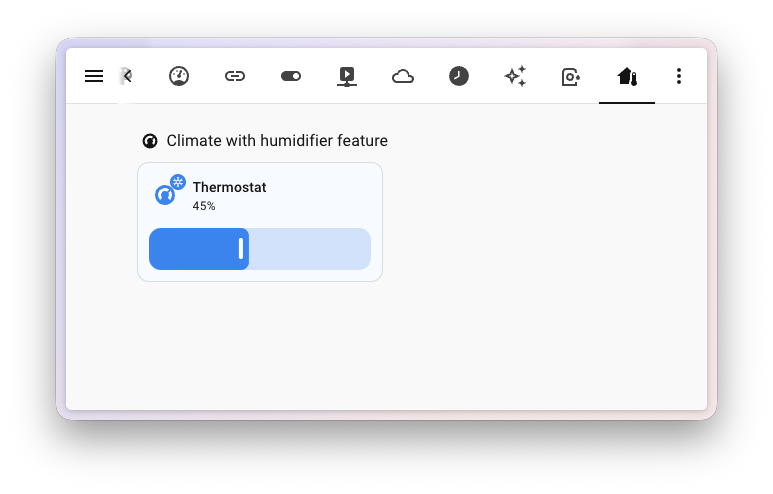
The release also introduces 13 new native integrations, alongside important quality-scale achievements that mandate rigorous documentation, robust error handling, and standardized UI setup flows for numerous existing connectors.
Global Outreach at IFA Berlin 2026
Coinciding with the software rollout, representatives from the Open Home Foundation and the Home Assistant core team are appearing at IFA Berlin 2026. Running from September 4 to September 8, the delegation is hosting a dedicated exhibition space in the Smart Home hall (Hall 1.2, Stand 1.2-153), engaging directly with consumers, developers, and hardware manufacturers to promote open-standard smart home interoperability.
Backward-Incompatible Changes and Patch Schedule
As with any major platform update, version 2026.9 contains several breaking changes that require administrator attention prior to updating. Notably, specific LLM tool names have been prefixed with integration domains (e.g., changing utility intents to homeassistant__* or intent__*), update management actions now strictly require administrator privileges, and deprecated properties within the Flexit Nordic and Vacuum integration domains have been removed. Comprehensive migration paths for these adjustments are documented within the official release notes.
To maintain platform stability, the development team has committed to a weekly patch release schedule throughout September, targeting Fridays for minor bug-fix distributions. Users are encouraged to review the full changelog and backup their systems prior to initiating the upgrade through the Home Assistant supervisor interface.