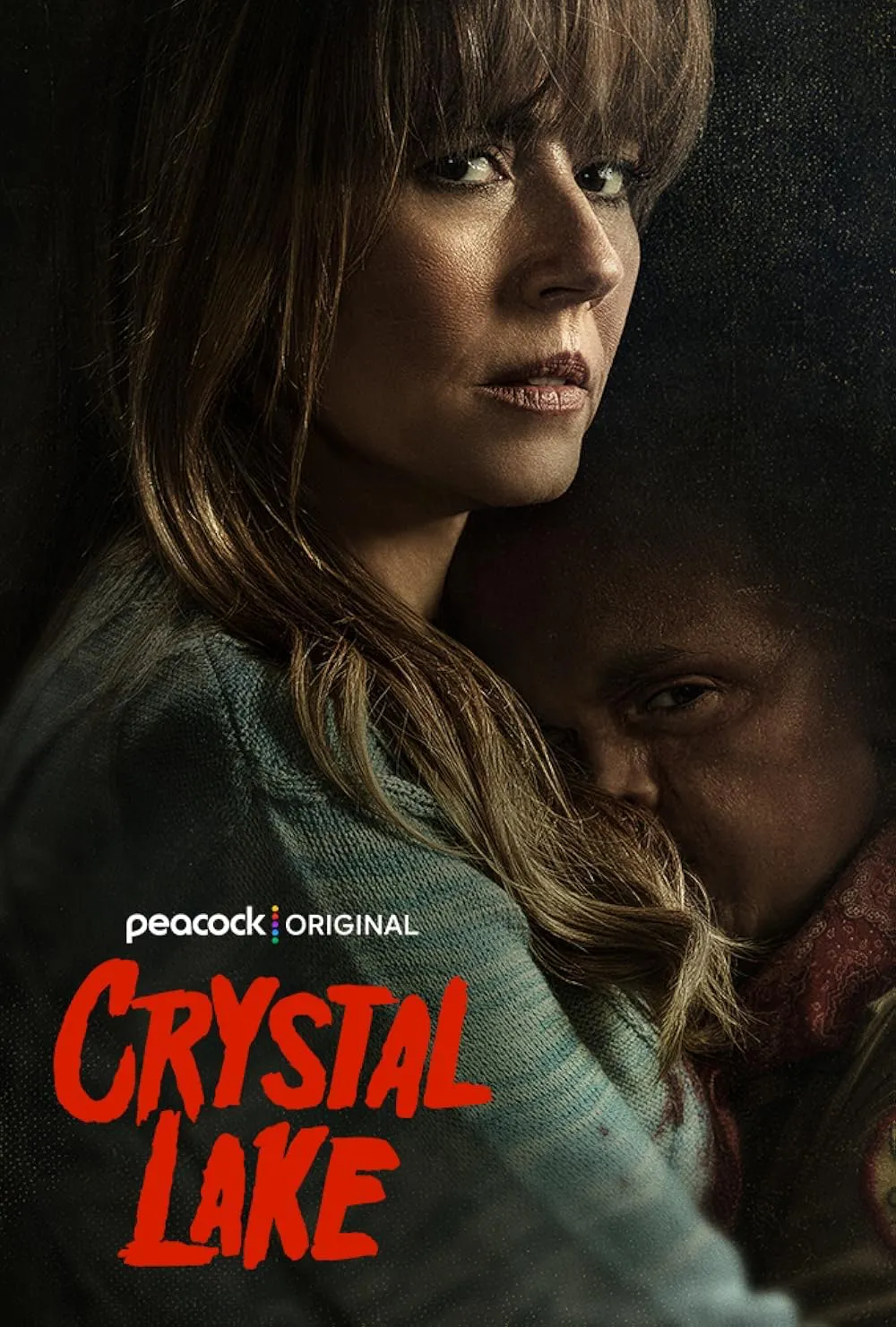
The landscape of horror television is undergoing a massive transformation, led by major streaming platforms investing heavily in iconic intellectual properties. Among the most anticipated projects currently in development is Peacock’s upcoming series Crystal Lake, a prequel and expansion of the legendary Friday the 13th cinematic franchise. This ambitious television adaptation represents a broader industry trend in which cinematic slashers, once confined to 90-minute feature films, are meticulously deconstructed and expanded into long-form narrative series designed to explore complex lore, character psychology, and the socio-cultural underpinnings of the genre.
The announcement of Crystal Lake has reignited passionate discussions among horror aficionados and industry analysts alike. For decades, the Friday the 13th property was bogged down by protracted legal battles, ownership disputes, and copyright entanglements that halted any forward momentum for the franchise. Now, with the legal hurdles cleared and major networks recognizing the immense financial and cultural value of nostalgic horror properties, the doors have swung open for a comprehensive revival.
The Origins of a Slasher Icon: Friday the 13th and Crystal Lake
To understand the significance of Peacock’s Crystal Lake, one must examine the monumental impact of the original 1980 film directed by Sean S. Cunningham. Released during the golden era of the slasher genre—a period that also birthed John Carpenter’s Halloween and Tobe Hooper’s The Texas Chain Saw Massacre—Friday the 13th established a template that would be replicated dozens of times throughout the decade. Set against the atmospheric backdrop of a desolate summer camp in New Jersey, the film introduced audiences to a terrifying premise: a group of young camp counselors preparing the grounds for reopening, only to be systematically hunted down by an unseen assailant.
The original film was a masterclass in independent filmmaking efficiency. Produced on a modest budget of roughly $550,000, it went on to gross nearly $60 million worldwide, making it one of the most profitable independent horror ventures of all time. More importantly, it introduced the world to Pamela Voorhees, the grieving mother seeking bloody vengeance for the drowning death of her young son, Jason, due to the alleged negligence of camp counselors. Though Jason Voorhees himself would not don the iconic hockey mask until later installments, the mythology established in the inaugural 1980 film laid the groundwork for an expansive multimedia empire.
Over the next three decades, the franchise ballooned into a twelve-film juggernaut, spawning sequels, comic books, video games, novels, and endless merchandise. The character of Jason evolved from a deformed backwoods survivalist into an unstoppable, supernatural force of cinematic terror. However, despite the massive box office returns and enduring pop culture footprint, the franchise went dark following the 2009 franchise reboot. Fans waited in vain for over a decade as a labyrinthine web of copyright lawsuits between director Sean S. Cunningham and screenwriter Victor Miller paralyzed the intellectual property, preventing any new movies or television shows from entering production.
Resolving the Legal Gridlock and Paving the Way for Peacock
The turning point for the franchise arrived when legal disputes regarding the U.S. copyright termination rights of the original screenplay were finally navigated, allowing creators to chart a new path forward. With the legal fog cleared, entertainment conglomerates recognized an urgent appetite for prestige horror television. Peacock, NBCUniversal’s streaming service, seized the opportunity to greenlight Crystal Lake, positioning it as a flagship prestige project designed to attract both legacy fans and younger demographics streaming horror content.
The development of Crystal Lake has attracted high-profile creative talent known for their expertise in blending atmospheric horror with rich character drama. Bryan Fuller, renowned for his visually stunning and psychologically intricate work on Hannibal, American Gods, and Dead Like Me, was initially attached to the series as showrunner, writer, and executive producer. Fuller’s involvement signaled to the industry that Crystal Lake would not be a cheap, throwaway cash-grab, but rather a deeply layered, cinematic exploration of the camp’s tragic history and the Voorhees family dynamic.
Although the production has experienced creative shifts during its development cycle—including changes in the executive producing and writing teams—the core vision remains intact: to construct an expansive prequel that explores the events leading up to the cursed summer camp’s opening, while diving deep into the psychological trauma that birthed one of cinema’s most notorious killers.
The Evolution of Horror on Television
The transition of Friday the 13th from feature films to a serialized television format mirrors a larger industry shift. In the past, horror franchises were largely episodic or serialized in a formulaic "monster-of-the-week" style, as seen in shows like Tales from the Crypt or Friday the 13th: The Series (which, despite its name, shared no narrative connection to the films aside from the title).

In the contemporary streaming era, however, networks and platforms are applying high-end cinematic craftsmanship to long-form storytelling. Successful adaptations like Bates Motel (which served as a contemporary prequel to Alfred Hitchcock’s Psycho) proved that audiences have an insatiable appetite for exploring the origin stories of iconic villains over multiple seasons. Crystal Lake intends to utilize this exact structural advantage, allowing writers to spend hours developing the citizens of the fictional town, the social dynamics of camp counselors, and the slow descent into madness and vengeance that defines the Voorhees legacy.
Industry analysts note that serialized horror series offer a distinct financial and creative advantage over traditional sequels. While a feature film must wrap up its narrative in roughly ninety minutes, a television series can cultivate dread, explore red herrings, and develop complex supporting characters whose fates carry genuine emotional weight. By expanding the lore of Crystal Lake, writers can step outside the rigid constraints of the slasher body-count formula and construct a moody, atmospheric mystery thriller.
Production Challenges and Creative Shifts
Developing a high-profile horror property based on a beloved intellectual property is rarely a straightforward process. Crystal Lake has faced its share of industry hurdles, typical of modern prestige television development. Navigating the expectations of millions of die-hard fans while simultaneously modernizing the narrative for a contemporary streaming audience requires a delicate balancing act.
When Bryan Fuller departed the showrunner role due to creative differences, it sent ripples through the fan community, prompting brief concerns regarding the project’s trajectory. However, Peacock and executive producers reaffirmed their commitment to delivering a top-tier production. The creative team has emphasized that the series will honor the gritty, atmospheric roots of the 1980 original while introducing fresh narrative angles that make the prequel relevant to today’s television landscape.
Casting decisions, set design, and practical effects have also been major focal points of anticipation. Given the advancements in special effects technology since 1980, modern audiences expect practical gore and suspenseful cinematography that rivals major Hollywood theatrical releases. The production team has reportedly prioritized practical makeup effects and atmospheric location shooting to recapture the authentic, tactile feel of classic 1980s horror cinema, steering clear of excessive, unconvincing CGI.
Cultural Impact and Broader Market Implications
The launch of Crystal Lake comes at a time when nostalgia-driven horror is dominating the box office and streaming charts. From Netflix’s Stranger Things to the continued success of legacy sequels in the Halloween and Scream franchises, audiences are eager to revisit familiar terror universes that carry emotional resonance.
The success or failure of Crystal Lake could have significant ramifications for other dormant horror franchises. Should Peacock’s series achieve critical acclaim and strong viewership numbers, it could pave the way for other classic cinematic monsters—such as A Nightmare on Elm Street or Hellraiser—to transition into prestige television formats. Conversely, any missteps in pacing or tone could serve as a cautionary tale about stretching thin cinematic premises across multiple television seasons.
Furthermore, the economic implications for Peacock are substantial. As the streaming wars intensify and platforms fight for subscriber retention, exclusive, high-concept genre content serves as a powerful customer acquisition tool. Horror fans are among the most dedicated and vocal demographics in entertainment, making them a lucrative target audience for subscription-based platforms.
Conclusion and What Lies Ahead
As production continues to ramp up, anticipation surrounding Crystal Lake reaches a fever pitch. By taking a step back in time to explore the dark history of the infamous campground before the bloodshed of 1980, the series offers a fresh perspective on a familiar mythos. Whether the project can successfully live up to the legendary status of its cinematic predecessor remains to be seen, but the ambition behind the venture is undeniable.
For longtime fans of the genre, the return of Friday the 13th lore to the screen represents the closure of a frustrating decade-long drought and the beginning of an exciting new chapter. As Peacock prepares to unveil more details regarding casting, premiere dates, and promotional trailers, the message to horror enthusiasts is clear: the gates of Crystal Lake are opening once again, and the past is about to come back to haunt us all.