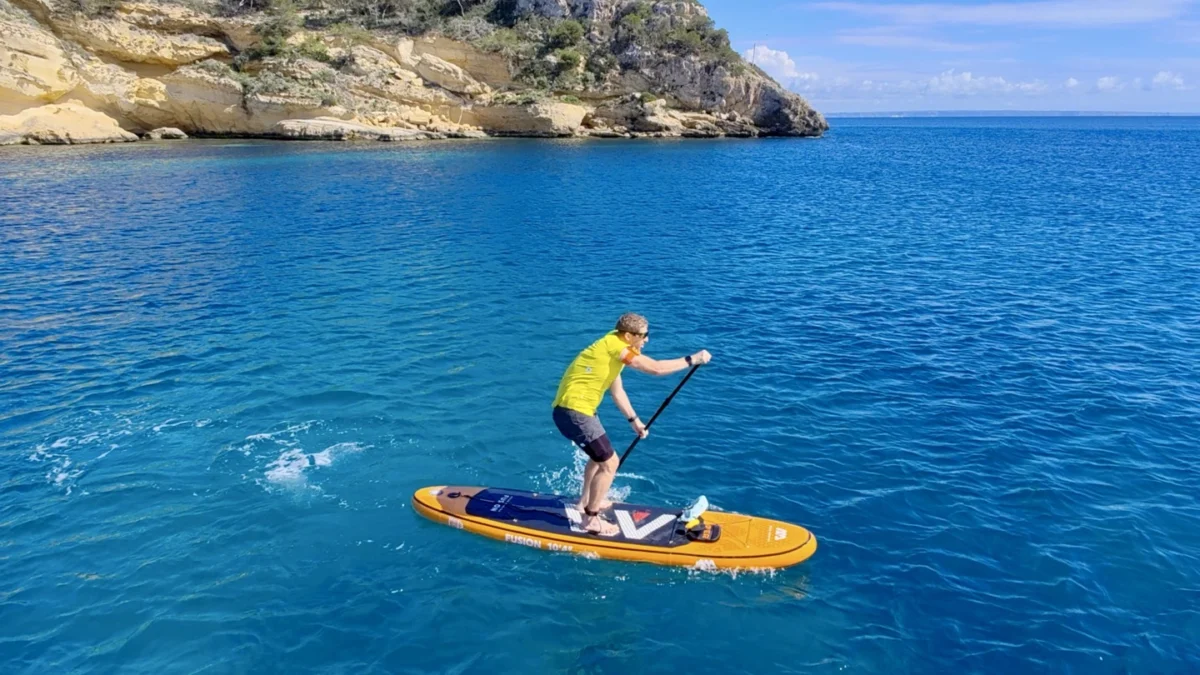
The sports technology landscape in the first quarter of 2026 has been marked by significant financial milestones and the emergence of next-generation hardware across the wearable and imaging sectors. Leading the momentum, Zepp Health—the parent company of the Amazfit brand—reported robust revenue growth driven by its expansion into specialized recovery and outdoor segments. Concurrently, major players in the action camera and drone markets, including GoPro and DJI, are preparing for pivotal hardware releases centered on proprietary chipsets and immersive 360-degree capture capabilities. These developments signal a shift toward integrated ecosystems where hardware performance is increasingly dictated by custom silicon and sophisticated artificial intelligence (AI) processing.
Zepp Health Financial Performance and Product Roadmap
Zepp Health’s recent earnings report for the fiscal year 2025 and the first quarter of 2026 indicates a period of rapid scaling for the Amazfit brand. According to CEO Leon Deng, the company’s revenue for the final quarter of 2025 reached $85.2 million, representing a 43% increase year-over-year. This performance placed the company at the upper end of its previous guidance range. For the full year 2025, Zepp Health maintained a growth trajectory of 41.8%, a figure that highlights the brand’s successful pivot from a budget-oriented manufacturer to a serious competitor in the high-performance sports wearable market.
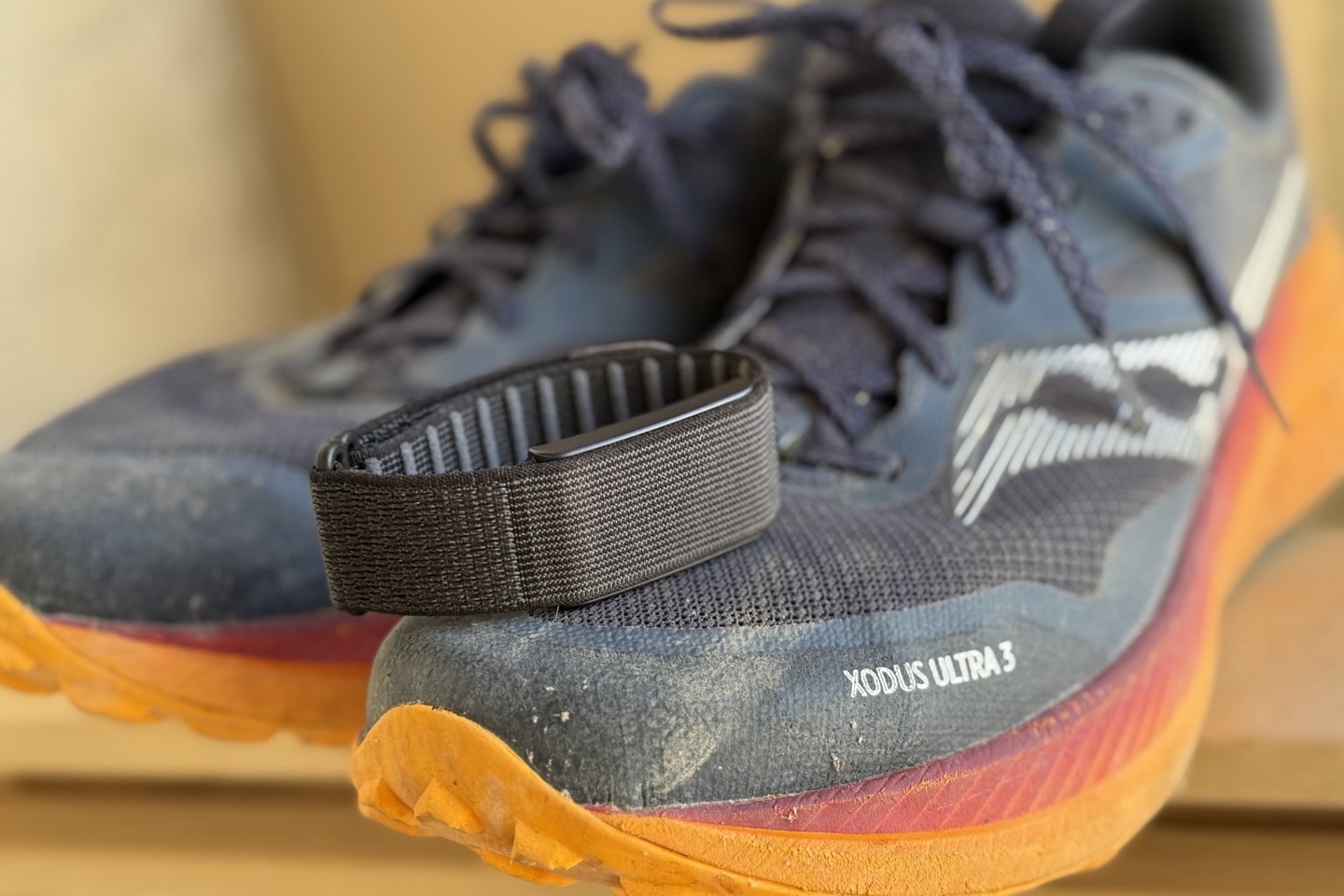
A primary driver of this growth has been the Amazfit Helio Band, a recovery-focused wearable that debuted in 2025. The device, which emphasizes physiological monitoring and readiness scores without the burden of mandatory subscription fees, has emerged as the most popular product in the company’s current portfolio. During the March 2026 investor call, Deng confirmed that manufacturing capacity in 2025 struggled to keep pace with consumer demand. To address this and maintain market interest, the company announced that the Amazfit Helio Band 2 is scheduled for release in the second half of 2026.
Beyond the recovery segment, Zepp Health is also iterating on its rugged outdoor series. Following the early 2026 launch of the T-Rex Ultra 2 and the late 2025 release of the T-Rex 3 Pro, the company is expected to introduce the T-Rex 4 and T-Rex 4 Pro later this year or in early 2027. Industry analysts suggest that Zepp Health may shift its release strategy to prioritize "Pro" models first, a move designed to capture higher-margin sales from early adopters before releasing standard versions to the broader market.
Despite the positive revenue outlook, the company faces rising operational costs, specifically regarding semiconductor memory. However, management has indicated that these increases remain within manageable parameters. The company’s marketing strategy continues to rely heavily on paid influencer partnerships and sponsorships, though there is increasing industry pressure for these relationships to be more transparently disclosed to consumers to maintain brand trust.
GoPro and the Integration of the GP3 Chipset
GoPro is entering a critical transition period with the introduction of its GP3 chipset. This custom-designed silicon represents the first major architecture update for the company in several years, following the long-running GP2 chipset that powered the Hero 10 through Hero 12 iterations. The GP3 chipset is engineered to handle significantly higher data throughput, enabling improved frame rates, enhanced low-light performance, and more sophisticated on-camera image stabilization.
Recent footage released by GoPro, purportedly captured on a prototype camera utilizing the GP3 chipset, demonstrates a marked improvement in dynamic range and color accuracy. While the company has not yet finalized the specific hardware line that will debut this silicon, it has confirmed that the first GP3-equipped camera will ship in the second quarter of 2026 (April–June). Speculation within the industry points toward three possibilities: the flagship GoPro Hero 14, a new iteration of the Max 360 camera, or a dedicated "Cinema" line designed for professional filmmakers.
The timing of this release aligns with the upcoming NAB (National Association of Broadcasters) Show in mid-April 2026, where GoPro is listed as a featured vendor. This conference is traditionally a platform for high-end video technology, suggesting that GoPro’s Q2 launch may lean toward professional-grade features. Financial analysts expect the GP3-series cameras to drive strong revenue in the latter half of 2026, as the company seeks to reclaim market share from competitors like Insta360 and DJI, who have aggressively integrated AI-driven post-processing into their hardware.

Specialized Drone Technology: The HoverAir Aqua
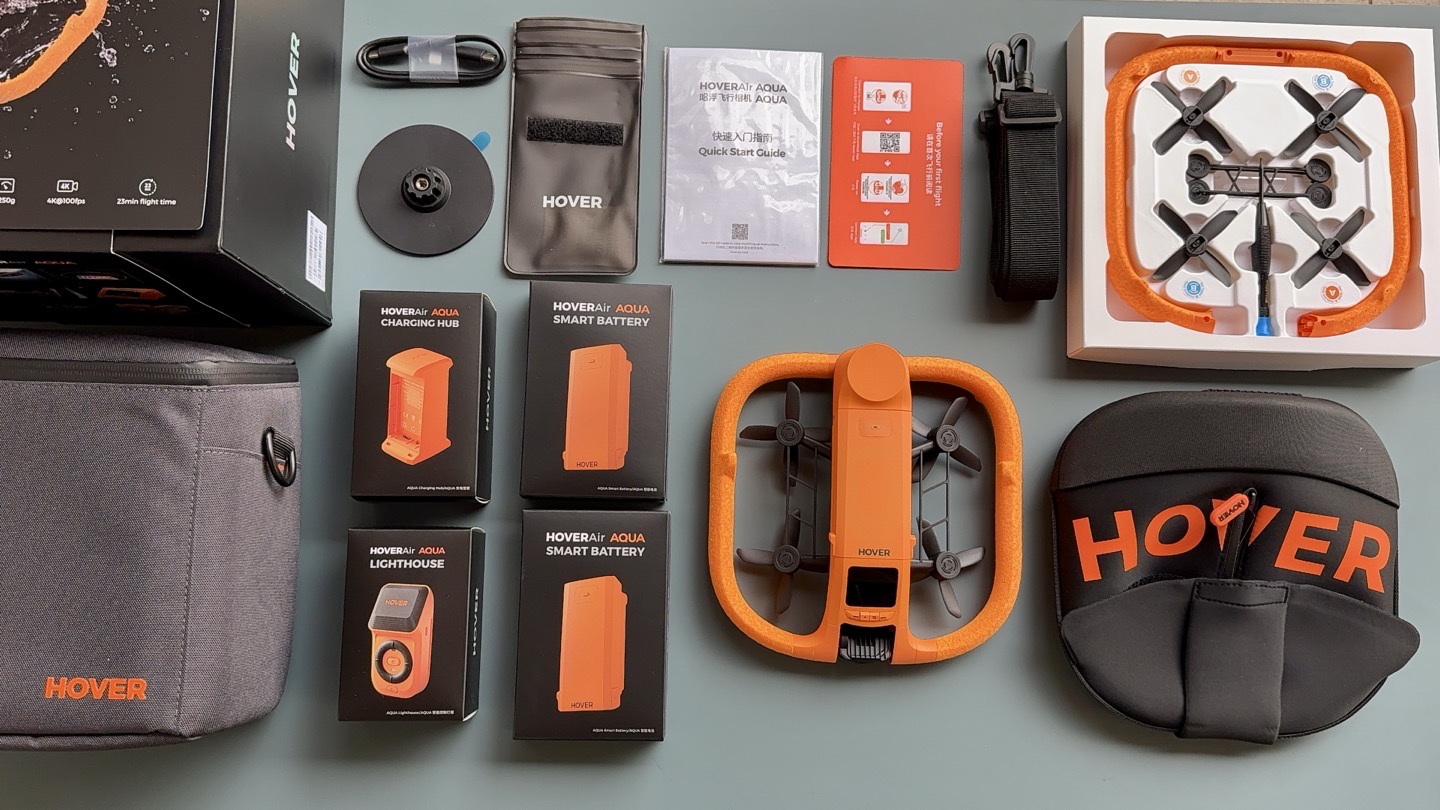
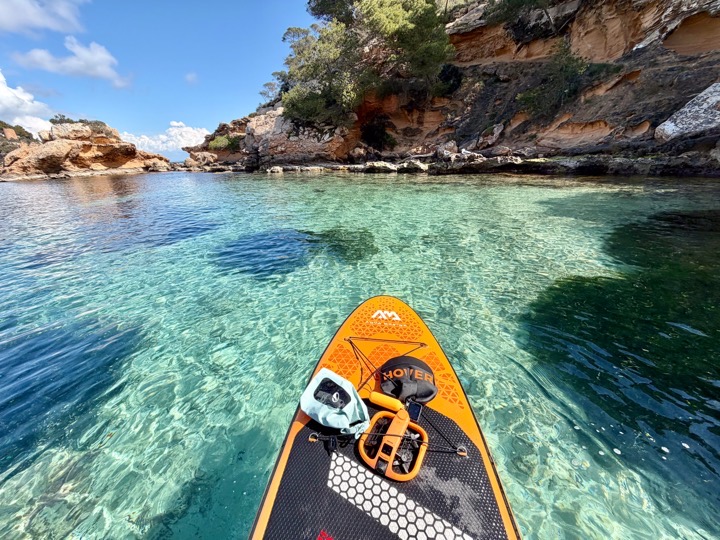
In the drone sector, ZeroZero Robotics is expanding its niche with the HoverAir Aqua, a fully waterproofed autonomous drone. Designed specifically for water sports and maritime environments, the Aqua features a "turtle flip" capability, allowing it to right itself if it lands upside down in the water. This enables a seamless takeoff from the surface of lakes or oceans. The drone is accompanied by a waterproof beacon and controller, allowing users to maintain command while submerged or in heavy spray.
The HoverAir Aqua utilizes a specialized battery compartment and internal components that are rated for full immersion. Its primary use case is autonomous tracking; the drone follows the user via the beacon, which acts as a secondary positioning system if the visual AI loses its target. Early testing indicates that while the drone excels in usability and durability, its image quality remains comparable to mid-range consumer drones, such as the DJI Neo 2. It reportedly struggles with high-contrast lighting scenarios, a common challenge for small-sensor cameras in bright maritime environments.
However, the HoverAir Aqua faces significant geopolitical hurdles. Due to escalating regulatory restrictions in the United States regarding non-domestic drone manufacturers, the HoverAir Aqua has not received FCC approval. New regulations enacted in late 2025 have effectively halted the certification process for several Chinese-based drone companies that did not secure prior authorization. As a result, ZeroZero Robotics has begun issuing refunds to U.S.-based customers, as the device cannot be legally sold or operated within the country. This regulatory environment is creating a bifurcated market where innovative drone hardware is increasingly unavailable in the North American region.
DJI Avata 360 and the Immersive FPV Market
DJI continues to dominate the First-Person View (FPV) and 360-degree imaging markets with the impending release of the Avata 360, scheduled for March 26, 2026. The Avata 360 represents an evolution of the cinewhoop-style drone, integrating a 360-degree camera system that allows for total spherical capture during flight. This eliminates the need for complex gimbal maneuvers, as the desired framing can be selected during the post-production phase.
A significant design improvement in the Avata 360 is the inclusion of replaceable lenses. Previous iterations of action and 360 cameras often required expensive factory repairs if the lens element was scratched or shattered. By making these components user-replaceable, DJI is targeting professional FPV pilots who frequently operate in high-risk environments. The drone is also expected to feature an updated version of DJI’s ActiveTrack technology, optimized for the spherical field of view provided by the 360-degree sensors.
While early promotional content for the Avata 360 has been tightly controlled through approved influencer channels, the technical foundation of the drone relies on established DJI flight controllers and transmission systems. This suggests a high level of reliability in terms of signal range and flight stability, areas where smaller competitors have historically struggled.

Market Chronology and Future Outlook
The current surge in sports tech innovation follows a clear chronology of development that began in early 2025:
- January 2025: Amazfit releases the T-Rex 3, establishing a new baseline for battery life in rugged wearables.
- June 2025: The Amazfit Helio Band is introduced, signaling the move toward subscription-free health data.
- September 2025: The T-Rex 3 Pro and various mid-tier drones enter the market.
- December 2025: U.S. regulatory shifts begin impacting FCC approvals for international drone manufacturers.
- January–March 2026: Zepp Health reports record revenue; GoPro teases the GP3 chipset; DJI prepares the Avata 360 launch.
- April 2026 (Upcoming): Anticipated hardware reveals at the NAB Show.
- H2 2026 (Upcoming): Scheduled release of the Helio Band 2 and potentially the GoPro Hero 14.
The broader implications of these developments point toward an industry that is both thriving and fragmenting. While financial growth remains strong for companies like Zepp Health, the regulatory landscape is becoming a significant barrier to entry for hardware manufacturers in the drone space. For consumers, the next twelve months will likely be defined by "smart" hardware—devices that use proprietary silicon to process complex AI tasks on-device, reducing the reliance on cloud computing and providing more immediate, high-quality results for athletes and content creators alike. As memory costs and geopolitical tensions continue to influence the supply chain, the ability of these companies to maintain their aggressive release cycles will be the ultimate test of their market resilience.