







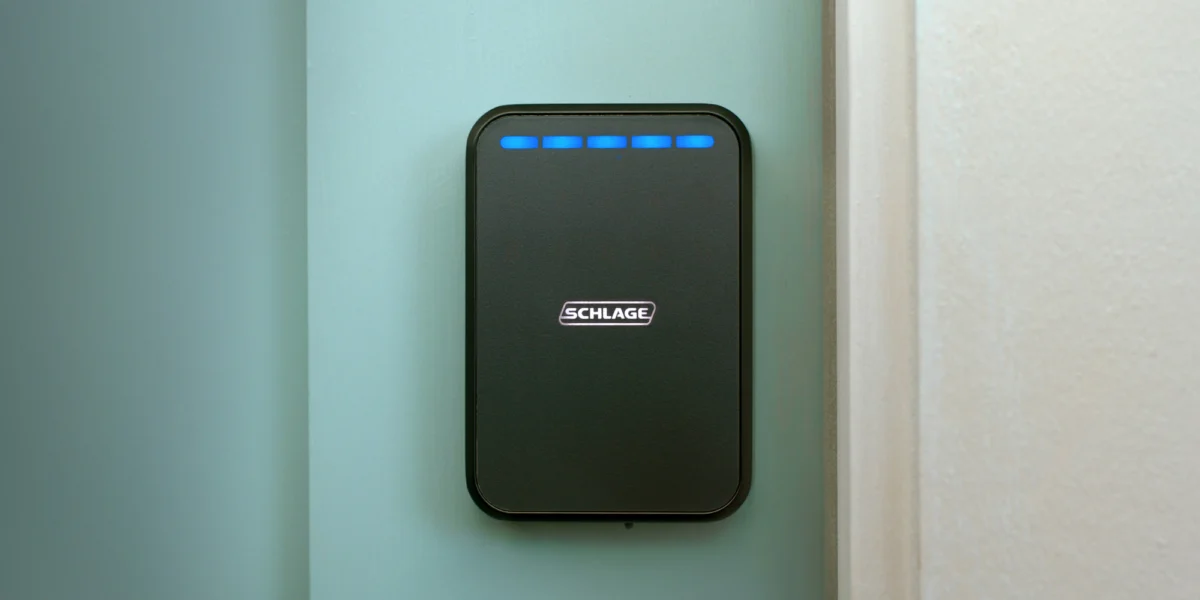
The landscape of home security technology is undergoing a significant transformation, driven by the integration of sophisticated wireless communication standards. Schlage, a subsidiary of Allegion and a long-standing leader in residential security, has officially confirmed the imminent retail launch of its flagship Sense Pro Smart Deadbolt. Scheduled to arrive on the market on June 29, the device represents a major leap forward for the Apple Home ecosystem, serving as only the second smart lock to utilize Ultra Wideband (UWB) technology to facilitate proximity-based access control.
This launch follows a high-profile unveiling at the Consumer Electronics Show (CES) earlier this year, where the industry first caught a glimpse of the hardware’s capabilities. By moving beyond traditional Bluetooth and NFC limitations, the Sense Pro aims to resolve the long-standing reliability issues that have plagued earlier generations of "auto-unlock" smart locks.
The Technological Evolution: From Bluetooth to Ultra Wideband
To understand the significance of the Schlage Sense Pro, one must examine the limitations of existing smart home access solutions. For nearly a decade, manufacturers relied on Bluetooth Low Energy (BLE) to detect the proximity of a user’s smartphone. While convenient in theory, these implementations were frequently marred by high latency, false positives—where a door would unlock while a user was still in the garage or on the porch—and significant security concerns regarding signal interception.
Ultra Wideband, the technology underpinning the Sense Pro, operates on a fundamentally different principle. It utilizes high-frequency radio waves to perform precise spatial awareness, measuring the "time of flight" of signals to determine distance with centimeter-level accuracy. In the context of the Schlage Sense Pro, this means the lock can differentiate between a user walking toward the door with the intent to enter and a user simply walking past the house or sitting on the sofa nearby.
This functionality is bolstered by the proprietary "Schlage Converge" technology. According to company engineers, this system analyzes a user’s velocity, trajectory, and physical movement patterns. By calculating these variables in real-time, the lock is designed to engage the motor and retract the deadbolt exactly as the user arrives at the threshold. This "intent-based" unlocking represents a shift from reactive technology to predictive, user-centric automation.
A Chronology of the Smart Lock Segment
The integration of UWB into residential deadbolts has been a slow process, primarily due to the complexity of the hardware requirements and the strict security certifications required by Apple’s HomeKit and Matter standards.
- Early 2020s: The market is saturated with Bluetooth-based locks that offer varying levels of reliability. Consumer complaints regarding "auto-unlock" features remain the most common feedback point in product reviews.
- January 2025: At CES 2025, Schlage officially announces the Sense Pro, generating significant interest from the smart home community due to its support for both Matter over Thread and UWB.
- Mid-2025: The industry sees a slow maturation of the Matter protocol, allowing for better interoperability between brands, though UWB remains a premium, rare feature.
- June 2026: Schlage finalizes the release details for the Sense Pro, setting the launch date for June 29. This establishes the device as a high-end alternative to the entry-level UWB options currently on the market.
Competitive Landscape and Market Positioning
Currently, the Aqara U400 serves as the primary, and until now, sole competitor in the UWB-enabled Apple Home space. Priced at approximately $269, the U400 established a baseline for what consumers should expect from modern smart locks. However, the Schlage Sense Pro enters the market at a higher price point of $399, positioning itself as a premium, "pro-sumer" grade device.
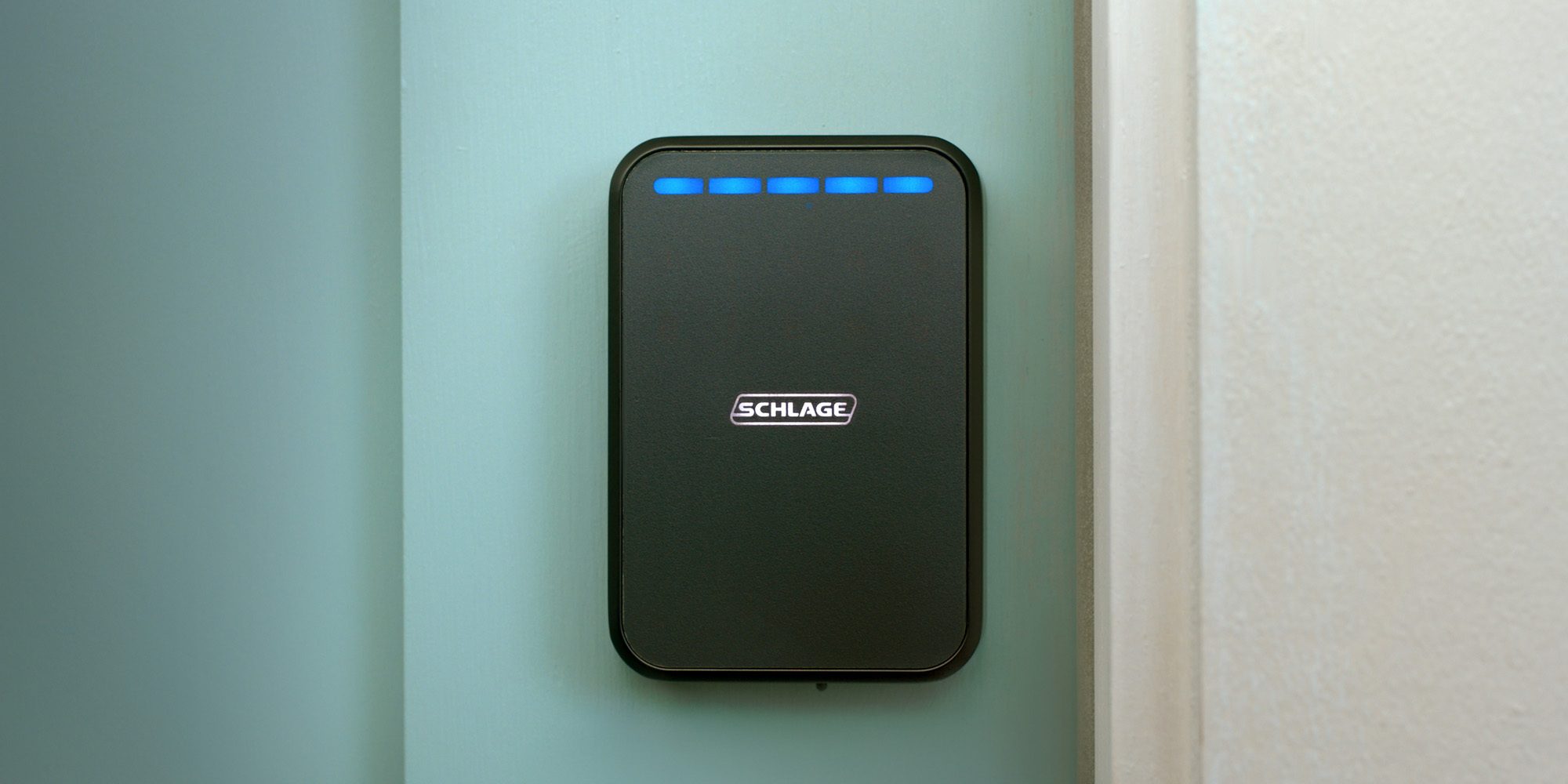
Market analysts suggest that this price disparity is not merely a brand premium but a reflection of the hardware construction. Schlage’s reputation is built on heavy-duty, Grade 1 security ratings—the highest level of residential security recognized by the American National Standards Institute (ANSI). For homeowners, the trade-off is clear: the Aqara unit provides the modern convenience of UWB at a more accessible price, while the Schlage unit targets users who prioritize physical reinforcement and the legacy reliability of a trusted hardware brand.
Furthermore, the Sense Pro’s support for Aliro—a new, cross-industry communication standard for access control—indicates that Schlage is looking toward a future where a single digital key can work across various smart home platforms, from Apple to Google and Samsung, without needing proprietary manufacturer apps.
Supporting Data and Technical Specifications
The Schlage Sense Pro is not merely a UWB device; it is a multi-protocol hub designed for the modern smart home. Key specifications include:
- Connectivity: Matter over Thread, Bluetooth 5.0, and Ultra Wideband.
- Battery Life: Rated for up to six months of regular use, assuming standard entry/exit patterns.
- Apple Home Integration: Full support for Apple Home Keys, allowing users to tap their iPhone or Apple Watch against the lock to trigger the mechanism, in addition to the hands-free UWB unlock.
- Security: ANSI/BHMA Grade 1 certification, ensuring the deadbolt can withstand significant force, saw attacks, and lock-picking attempts.
- Form Factor: A minimalist design intended to blend with modern architectural styles while housing a more powerful motor than previous Sense-series models.
Implications for the Smart Home Industry
The shift toward UWB-enabled locks is expected to have a ripple effect across the broader Internet of Things (IoT) sector. As UWB becomes a standard feature in high-end smartphones and wearables, its adoption in home infrastructure signals a move toward "invisible" technology. The goal is a home that reacts to the user’s presence without requiring them to pull out a phone, open an app, or manually enter a code.

However, this transition also brings challenges. Privacy advocates have noted that constant proximity tracking—even locally processed—requires rigorous security standards to ensure that location data is not being leaked or intercepted. Both Apple and Schlage have emphasized that all UWB distance calculations and authentication tokens are handled securely within the device’s "Secure Enclave" or equivalent hardware-based security modules, ensuring that the lock remains resistant to digital "replay" attacks.
Furthermore, the integration of Matter over Thread is critical. By utilizing the Thread mesh networking protocol, the Sense Pro does not rely on a standard Wi-Fi connection, which can be unstable. Instead, it communicates with other Thread-enabled devices in the home to create a self-healing network, significantly reducing the likelihood of the lock becoming unresponsive or "offline" in the Apple Home app.
Future Outlook and Conclusion
The launch of the Schlage Sense Pro marks a maturation point for the smart lock industry. The novelty of "smart" devices is fading, replaced by a demand for "reliable" devices. By addressing the fundamental pain points of security, battery efficiency, and connection stability, Schlage is setting a new benchmark.
While the $399 price tag places the device firmly in the premium category, the combination of UWB precision and high-grade mechanical security will likely appeal to homeowners looking for a "set it and forget it" solution. As the market continues to evolve, the success of the Sense Pro will likely force other major manufacturers to accelerate their own UWB developments, potentially driving down prices across the board in the coming 18 to 24 months.

Ultimately, the Schlage Sense Pro is more than just a piece of hardware; it is a testament to how wireless communication standards are redefining the physical boundaries of our homes. By leveraging the spatial intelligence of Ultra Wideband, the act of entering one’s home is becoming an increasingly seamless, secure, and intuitive experience. Whether this premium tier of smart locks will become the new industry standard remains to be seen, but for now, the path forward for residential security is clear: it is one defined by precision, interoperability, and the removal of unnecessary friction.