







The modern digital photography landscape is undergoing a strange and fascinating paradigm shift. As screens dominate every waking hour of human existence—from smartphones and smartwatches to automotive dashboards—a counter-movement has quietly emerged. Photographers and casual creators alike are gravitating toward low-tech, screen-free, and minimalist cameras that strip away the constant distraction of menus, histograms, and instant digital playback. Into this growing market steps a bold and unusual contender from South Korea: the Humans of Authenticity (HOA) A1.
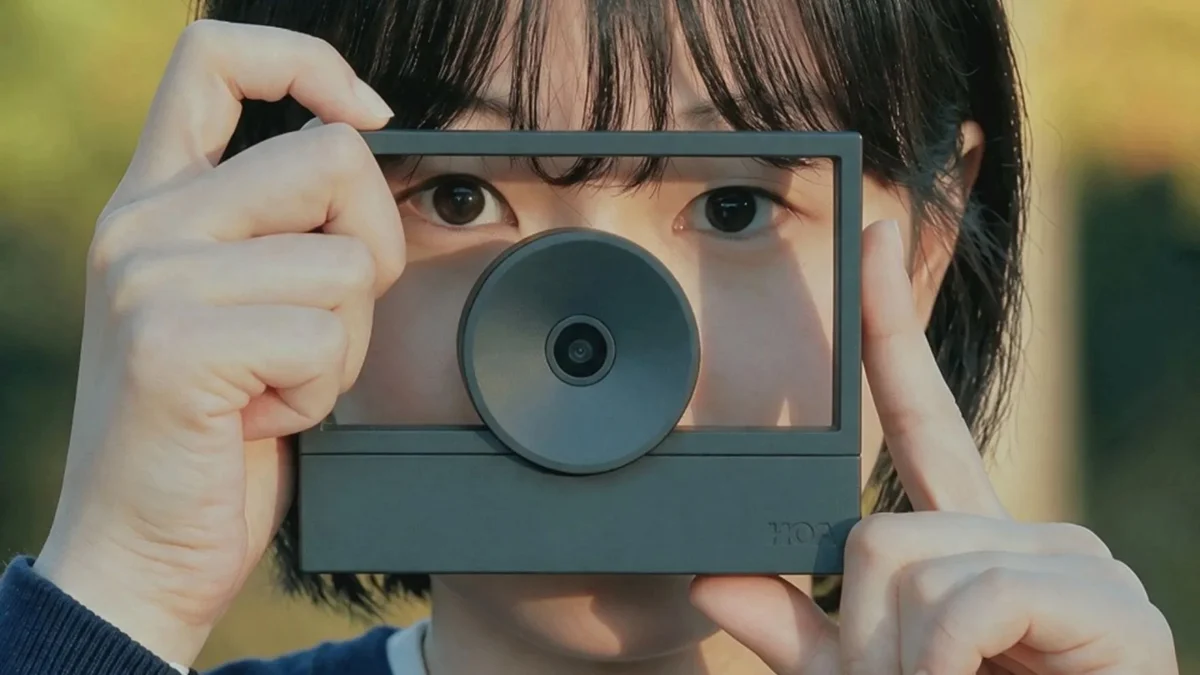
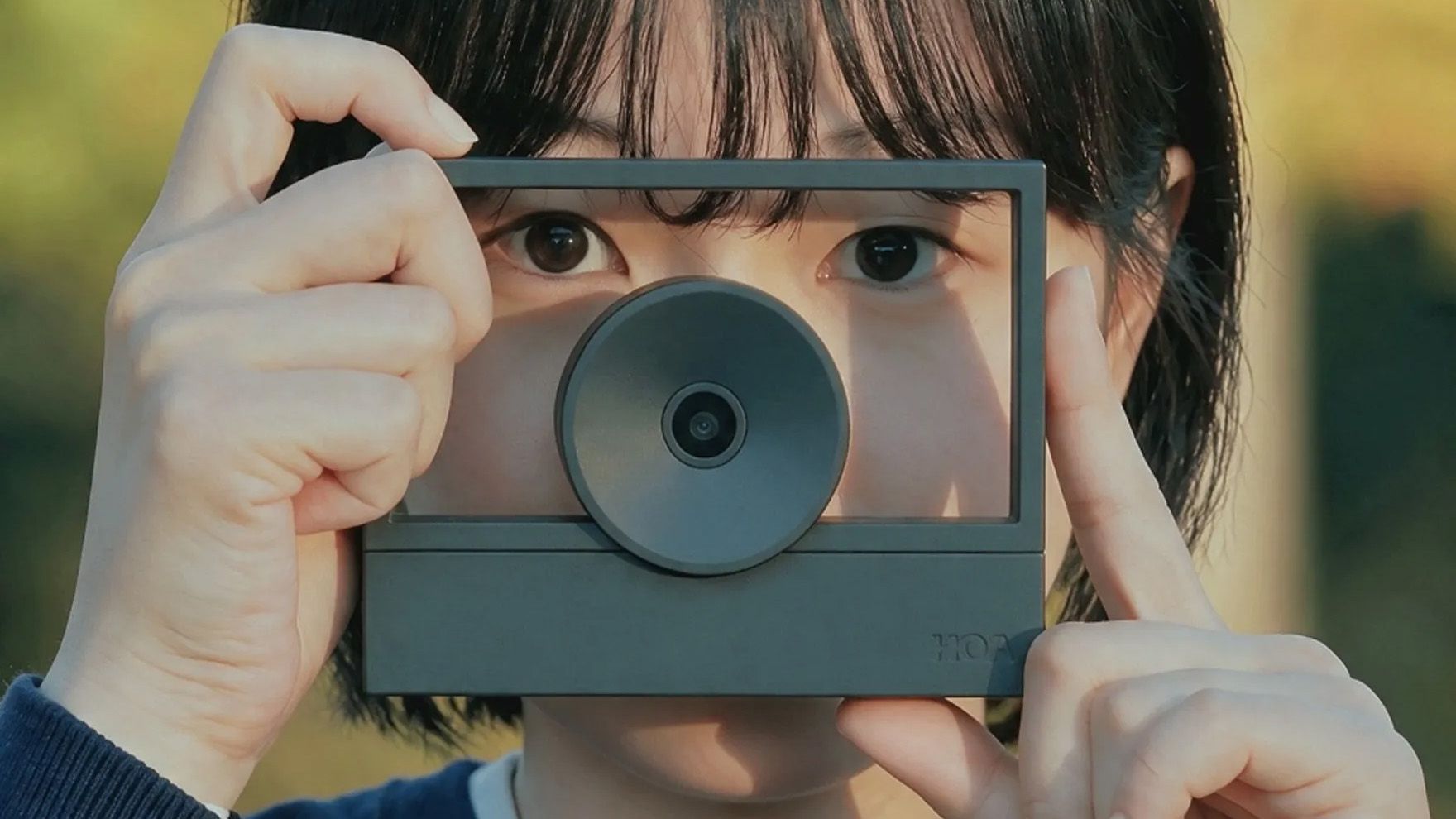
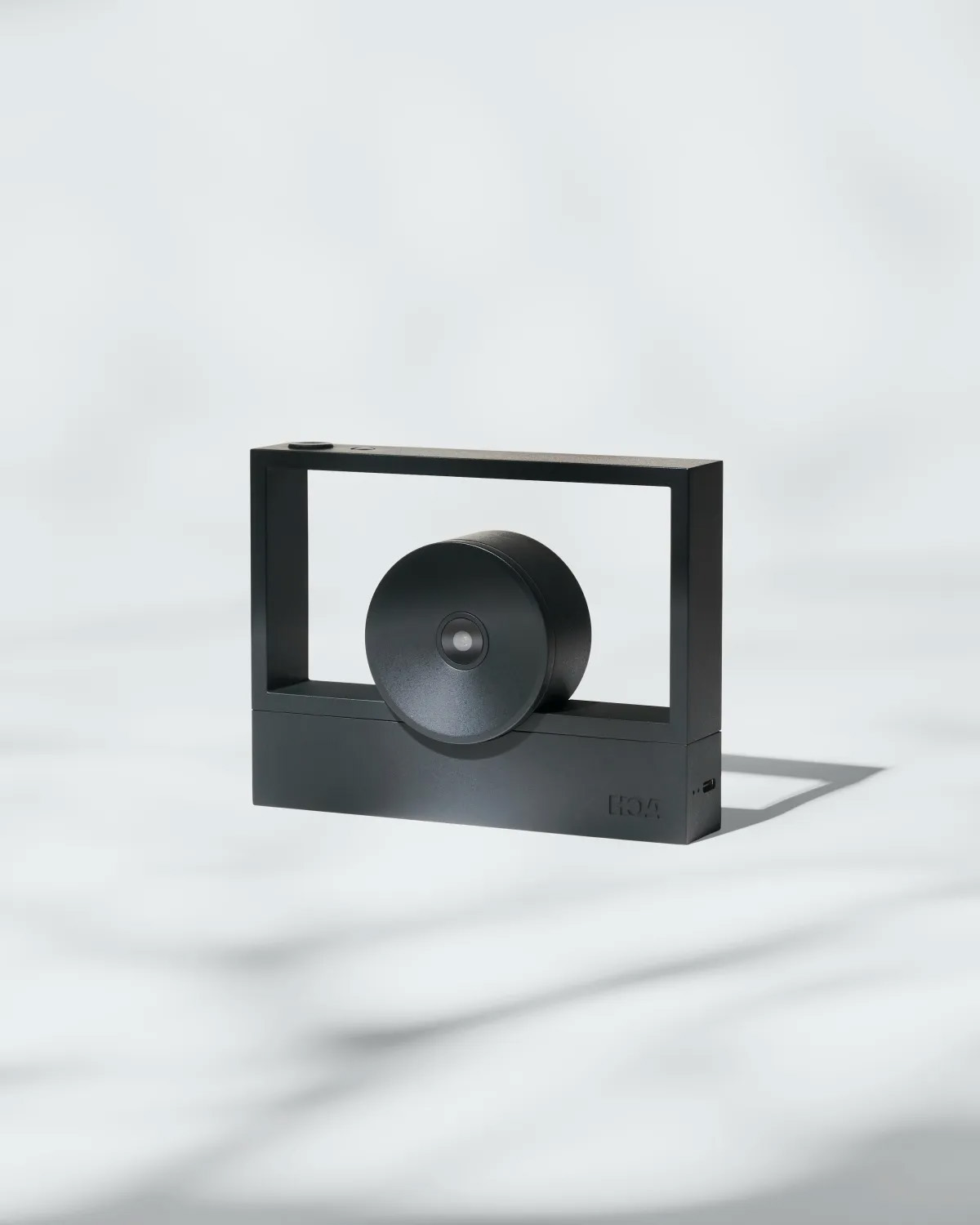
Designed by enterprise AI firm Lutra Inc., the HOA A1 is a minimalist 16-megapixel compact camera that challenges the very conventions of modern digital capture. Featuring a completely transparent body that doubles as its physical viewfinder, the camera seeks to eliminate the barrier between the photographer and their subject. However, the device’s striking aesthetic is only part of the story. Beneath its clear exterior lies a philosophical paradox: an "anti-AI" consumer hardware product built by a company with deep roots in artificial intelligence and deep learning development.
Scheduled for release on December 21, the HOA A1 aims to address one of the most pressing crises of the digital age—the erosion of visual trust in an era dominated by generative AI and synthetic imagery.
A Radical Design Philosophy: The Entire Body as a Viewfinder
At first glance, the HOA A1 evokes the nostalgic aesthetic of translucent 1990s and 2000s consumer electronics—a design trend that has enjoyed a significant resurgence in recent years. However, unlike retro-inspired gadgets that use clear shells merely for nostalgic visual flair, the HOA A1 functionalizes its transparency.
The entire clear acrylic or polycarbonate body of the camera acts as the viewfinder. By looking straight through the transparent chassis, the photographer can line up their shot without staring at an LCD panel or peering through a traditional optical window. The internal electronics, battery, and sensor unit are cleverly hidden within a thick perimeter frame and a prominent circular lens housing, creating an unobstructed, immersive line of sight.
This design choice is intentional. By removing the traditional screen—and even the enclosed optical housing of vintage rangefinders—the camera fosters a more direct, human connection between the person behind the lens and the subject in front of it. It leans heavily into the minimalist "snapshot" ethos popularized by recent quirky hardware experiments, such as the Godox C100, but pushes the minimalist concept into uncharted territory.
Specifications and Usability: Blending Simplicity with Modern Optics
Despite its avant-garde appearance, the HOA A1 is built on reliable modern hardware. Inside its transparent frame, the camera houses a Sony-manufactured 16-megapixel 1/2.53-inch image sensor. This sensor is paired with a fixed 26mm equivalent wide-angle lens, making it an ideal tool for street photography, candid snapshots, and everyday documentary work.
Powering the device is a built-in battery engineered to deliver up to 90 minutes of continuous shooting on a single charge. In keeping with its screen-free philosophy, there is no rear display to review photos on the go. Instead, users retrieve their images via a seamless, tactile interaction: simply tapping a smartphone to the back of the camera transfers the files instantly through near-field communication or local wireless protocols.
Furthermore, the camera introduces a distinctive "signature mode." This feature allows photographers to embed a hand-drawn digital signature directly into the corner of each captured frame, adding a layer of personal provenance reminiscent of traditional analog film photographers signing the border of their physical prints.
Priced at approximately $289 (roughly £216, AU$420, or CA$408), the HOA A1 positions itself as an accessible, experimental alternative to mainstream compact cameras and high-end smartphones.
The Great Irony: An Anti-AI Camera Born from an AI Company
Perhaps the most compelling aspect of the HOA A1 is its corporate lineage. Lutra Inc. is not a traditional camera manufacturer; it is a South Korean enterprise specializing in the development of artificial intelligence tools and deep learning architecture. For a firm deeply entrenched in the AI sector to launch a hardware product explicitly designed to combat the negative side effects of AI represents a striking paradox.
However, according to Lutra CEO Seon Jong-yeop, this contradiction is entirely deliberate. In recent interviews discussing the origins of the brand, Seon revealed that the inspiration for HOA struck while he was actively building and deploying AI infrastructure in the heart of Silicon Valley.
"We started our business with deep learning even before AI gained the attention it does today," Seon noted through machine-translated statements. "However, early last year, while building and supplying AI… I could see the future. I realized that AI content would truly engulf the world."
As generative video, synthetic photography, and hyper-realistic deepfakes began to flood digital ecosystems, Seon experienced a growing professional and philosophical concern. He began to question whether humanity’s shared joy of observing and documenting real life could survive in an environment where photographic evidence could no longer be trusted.
"I began to worry whether the joy of observing and sharing each other’s lives could be sustained, and furthermore, whether anything trustworthy would remain," Seon explained. "Paradoxically, I started developing authenticity verification technology with the thought that perhaps technology could prevent the negative side effects of technology itself, and HOA was created to put that technology directly into people’s hands."
ShootProof and Blockchain Authentication: Restoring Trust in Pixels
To combat the rising tide of synthetic media, the HOA A1 incorporates a proprietary technological defense mechanism known as "ShootProof."
While existing verification standards—such as the Coalition for Content Provenance and Authenticity (C2PA) framework adopted by major camera manufacturers like Sony, Leica, and Canon—embed cryptographic metadata into image files at the point of capture, ShootProof takes a slightly different approach tailored to privacy and decentralization.
The HOA A1 connects to the internet to publicly record an immutable authentication certificate on a blockchain ledger the moment a shutter is clicked. This certificate cryptographically proves that the image originated from a physical sensor in the real world at a specific time and location, safeguarding it against algorithmic manipulation or AI generation.
Crucially, ShootProof addresses a common privacy concern in cryptographic authentication: surveillance. While verifying the authenticity of the photo, the system allows the photographer to maintain complete anonymity, ensuring that creators can prove their work is real without sacrificing their personal data or identity to centralized networks.
Broader Industry Implications and the Future of Visual Truth
The launch of the HOA A1 arrives at a critical juncture for visual media, journalism, and art. As tools capable of generating photo-realistic imagery from simple text prompts become universally accessible to the public, society faces an unprecedented epistemic crisis: the death of photographic proof. When consumers can no longer trust that a photograph depicts a real event, the foundational currency of photojournalism, historical documentation, and interpersonal communication is undermined.
The industry has responded with various defensive measures. Major tech platforms are racing to implement invisible watermarking, cryptographic metadata standards are being integrated into professional mirrorless cameras, and content creators are increasingly seeking refuge in analog mediums like 35mm film.
By introducing blockchain-backed authentication into a consumer-grade, screen-free digital camera, Lutra Inc. is attempting to bridge the gap between modern digital convenience and absolute cryptographic verification. The HOA A1 suggests that the solution to digital falsehoods may not be abandoning digital tools altogether, but rather hardcoding trust directly into the hardware we use to capture the world.
As the tech world awaits the official December 21 release of the HOA A1, industry analysts and photography enthusiasts alike will be watching closely. Whether a transparent, screen-free novelty from an enterprise AI startup can spark a broader cultural movement toward verified authenticity remains to be seen. However, by asking
users to stare straight through the camera lens—and straight into the soul of their subjects—the HOA A1 firmly establishes that the future of photography depends just as much on human intention as it does on technological innovation.