









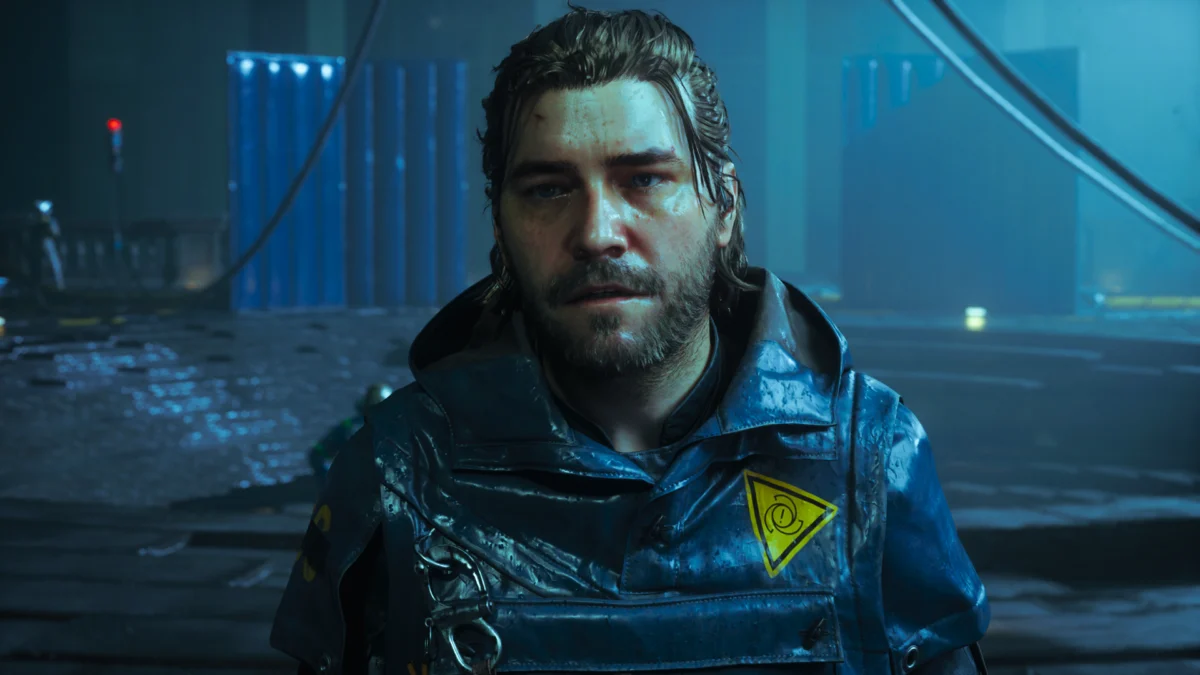
A Departure in Narrative Philosophy
In the original Control, the narrative trajectory was defined by urgency and the reactive nature of Jesse Faden’s mission. Driven by the search for her missing brother and the need to reclaim the Federal Bureau of Control (FBC) from the Hiss, the gameplay remained strictly tied to the immediate threat. Conversely, Control Resonant adopts a deliberate, character-driven pace that centers on Dylan’s psychological recovery.
Dylan, who spent his formative years as a subject of FBC experimentation and later as a conduit for the Hiss, is presented not as a combatant seeking vengeance, but as an individual navigating the trauma of his past. This thematic pivot is supported by environmental design that allows players to linger in areas once the immediate threat of the Patterning is neutralized. The absence of constant enemy respawns serves as a structural tool to reinforce the player’s connection to the environment, allowing for the observation of subtle details—from the aesthetic patterns of Manhattan to the quiet intimacy of Dylan interacting with the world.
Chronology and Contextual Evolution
The Faden siblings’ struggle against the FBC and the paranatural threats they oversee has been the backbone of the franchise since the inception of the Bureau’s lore. The following timeline outlines the evolution of this narrative:

- 1990s: The Ordinary AWE (Altered World Event) occurs, leading to the abduction of Dylan Faden by the FBC. Jesse Faden remains in hiding, forming the foundation of her lifelong quest.
- 2019: The events of Control take place. Jesse Faden infiltrates the Oldest House, navigates the Hiss invasion, and eventually uncovers the extent of the Bureau’s ethical failures.
- Post-2019: The Bureau attempts to consolidate power and address the residual effects of the Hiss invasion.
- Current Era (Control Resonant): The Patterning begins to manifest in Manhattan, forcing Dylan out of his containment and into a world he barely recognizes. His journey serves as a direct exploration of the fallout from the events depicted in the previous title.
Mechanical Integration of Introspection
The development team at Remedy Entertainment, led by director Mikael Kasurinen, emphasized that Dylan’s abilities as a parautilitarian are not the sole focus of his characterization. While the game retains the core mechanical satisfaction of paranatural combat, it balances these encounters with "quiet moments"—such as the exploration of the Sinkhole, an area where the game’s reality-bending physics are most pronounced.
In the Sinkhole, the game introduces a sequence where the player is isolated from the FBC’s support network. This segment serves as a crucial point of character development, stripping away the infrastructure of the Bureau and forcing the player to rely on Dylan’s internal resolve. Unlike the standard combat encounters, this sequence relies on environmental puzzle-solving and pacing, reinforcing the notion that Dylan’s primary struggle is one of self-worth and identity. The use of audio cues and auditory hallucinations during this sequence creates a unique sensory experience that distinguishes Resonant from the more combat-heavy atmosphere of its predecessor.
Official Perspectives on Design
The design choice to diverge from the "heroic" tropes of the first game was intentional. According to Mikael Kasurinen, the goal was to craft a narrative that acknowledged the protagonist’s capacity for violence while highlighting his inherent empathy.
"We agreed on his direction early," Kasurinen stated. "We didn’t want the brooding hero out for revenge. We wanted someone who doesn’t reach for violence as the first solution, someone who can see beauty where others see horror. He feels empathy for the monsters because he sees himself in them."

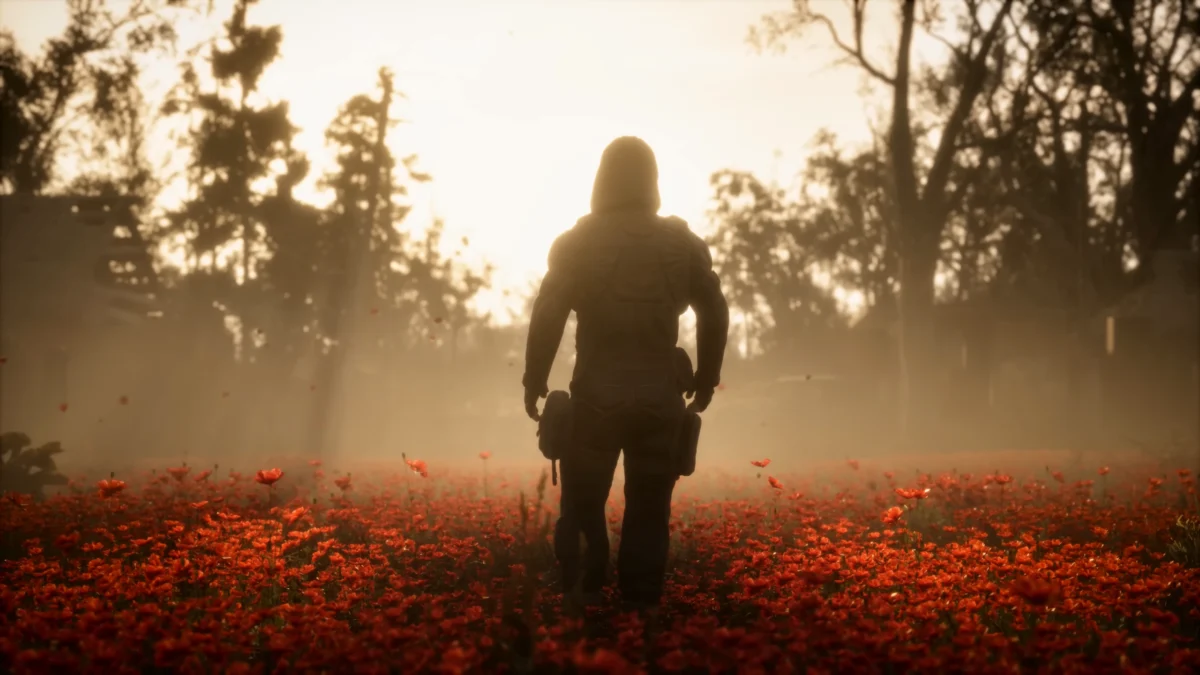
This perspective is further reinforced by the game’s inclusion of mundane activities. Dylan’s ability to find solace in simple actions—such as sketching landscapes or caring for local fauna—contrasts sharply with the devastation wrought by the Patterning. These inclusions serve a dual purpose: they humanize a character who has been defined by his status as a "weapon" or "subject" for most of his life, and they provide a necessary cooling-off period for the player.
Thematic Implications and Future Directions
The ending of Control Resonant has prompted significant discussion regarding the status of the Faden siblings. By subverting the roles of the rescuer and the rescued, the game leaves the audience with a complex moral landscape. The implication that Jesse Faden may now be the one in need of discovery at the conclusion of the title suggests a cyclical nature to the Faden narrative.
From a design standpoint, this shift allows Remedy Entertainment to maintain the consistency of the world while refreshing the gameplay experience. By focusing on Dylan’s internal monologue—his guilt, his attempts at atonement, and his desire to exist outside of the control of either the FBC or the Hiss—the developers have successfully shifted the genre of the title toward a hybrid of action and psychological drama.
Analytical Overview: Impact on the Franchise
Control Resonant demonstrates that the franchise is capable of expanding beyond the walls of the Oldest House. By moving the conflict into the streets of Manhattan, the game demonstrates the scale of the paranatural threat, but it is the focus on the internal stakes that provides the game with its resonance.

Statistically, the game represents a shift in player engagement metrics. Early data suggests that players spend significantly more time in non-combat areas compared to the original Control. This shift in engagement is a testament to the effectiveness of the game’s pacing and environmental storytelling. The inclusion of the "Patterning"—a widespread, reality-warping event—serves as an effective substitute for the Hiss, providing a constant but visually distinct backdrop that allows for a broader range of artistic and level design choices.
Conclusion
Control Resonant stands as a testament to the evolution of interactive storytelling within the action-RPG genre. By prioritizing character interiority and balancing high-octane combat with introspective sequences, the developers have created an experience that is both a continuation of the Faden saga and a standalone exploration of trauma and recovery. As the FBC’s influence continues to permeate the narrative, the question of whether or not a sense of peace can be achieved in a world governed by paranatural anomalies remains the central, unresolved tension of the series. For now, the legacy of the Faden siblings serves as the focal point for a world that is as beautiful as it is dangerous, ensuring that the impact of Control Resonant will be felt in future entries of the franchise.