







Shopping for the dedicated "Type 2" athlete—those individuals who prioritize challenging, often uncomfortable, and physically demanding outdoor experiences—presents a unique set of logistical hurdles. By definition, these enthusiasts are already well-equipped with the industry-standard gear required for their pursuits. Consequently, finding a meaningful gift requires shifting the focus toward items that either provide a functional solution to a lingering pain point or serve as a catalyst for a new, ambitious expedition. As of November 2026, the outdoor retail market has pivoted toward balancing extreme durability with weight-conscious engineering, catering to a demographic that demands equipment capable of surviving alpine conditions while remaining portable enough for long-distance travel.

The Evolution of Outdoor Gear Trends
The current landscape of outdoor equipment has been shaped by a significant shift in consumer behavior. Over the past five years, the demand for "fast-and-light" gear has transformed from a niche interest among mountaineers into a mainstream requirement. Industry data indicates that outdoor participation reached record highs in 2025, driven by an aging demographic seeking longevity in their sports and a younger generation focused on multi-sport versatility. This year, manufacturers have responded by integrating aerospace-grade materials, such as carbon fiber and advanced TPU-coated synthetics, into items that were historically considered commodity goods.
Essential Gear Under $50
For the budget-conscious gift-giver, the priority is utility. Small, high-impact items often provide the most consistent value to an athlete’s daily kit.

The Nomadix Ultralight Towel represents a technical advancement in a segment previously dominated by microfiber alternatives that struggled with performance. Weighing only eight ounces and measuring 54-by-30 inches, this towel utilizes recycled-polyester MicroSuede. Unlike early-generation synthetic towels, which were frequently criticized for their poor texture and lack of absorbency, the current iteration mimics the hand-feel of cotton while maintaining a footprint small enough for a minimalist daypack.
Similarly, the Gossamer Gear Little Sit Pad offers a solution to the "wet log" problem that plagues multi-day backcountry trips. Weighing a negligible 1.7 ounces, this closed-cell foam pad provides a thermal barrier between the user and frozen or damp surfaces. Its popularity among ultra-light hikers stems from its ability to extend the comfort duration of a rest stop.

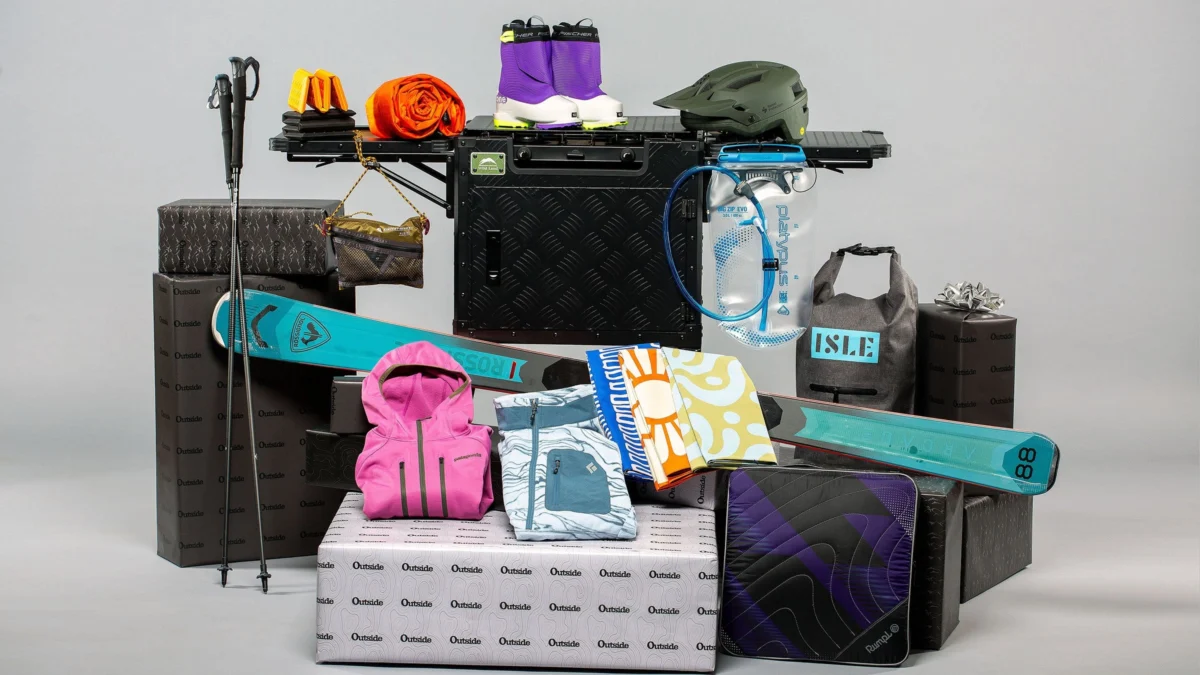
For organizational needs, the Klättermusen Algir Accessory Bag and the ISLE Gateway 20L Dry Bag address the persistent issue of gear management. The Algir, at 52 grams, serves as a high-durability, lightweight crossbody option, while the ISLE Gateway’s IP66-rated main compartment utilizes 600-denier nylon, providing a robust solution for water-based activities that require protecting moisture-sensitive equipment from submersion.
Mid-Range Performance Gear: $51 to $200
As the price point increases, so does the demand for technical innovation and material science. The Platypus Big Zip EVO Reservoir serves as the gold standard for hydration systems, utilizing a 5/16-inch tube for high-flow delivery. Its inclusion of a semi-rigid center panel is a design choice aimed at addressing a major consumer complaint: the difficulty of cleaning and drying hydration bladders. By maintaining its shape, the reservoir allows for easier airflow, preventing the buildup of bacteria during periods of inactivity.

Apparel remains a critical sector in the $51 to $200 range. The Black Diamond Rift Half-Zip Fleece Jacket and the Patagonia Women’s R1 Ultralight Fleece Hoody represent the modern standard for mid-layers. Both garments utilize recycled polyester and focus on thermal regulation. The R1, in particular, is engineered with raglan sleeves and underarm gussets to ensure maximum range of motion—a requirement for technical climbing and high-output winter sports.
In the realm of safety and specialized equipment, the Sweet Protection Primer MIPS Helmet utilizes the Evolve rotational-force management system. The inclusion of a breakaway visor is a design feature directly informed by crash-test data, intended to minimize neck strain in the event of an impact. For parents navigating the complexities of introducing children to skiing, the Fischer One Kids’ Ski Boot signifies a shift in child-specific design. By focusing on pediatric ergonomics rather than simply scaling down adult models, the boot addresses the primary cause of early attrition in youth snow sports: equipment-induced physical discomfort.

Rounding out this category is the Rumpl Gametime Puffy, a multifunctional piece of equipment that transitions from a four-inch-thick stadium cushion to a 50-by-70-inch insulated blanket. Its use of 30-denier ripstop fabric underscores a broader trend of utilizing industrial-grade materials for "lifestyle" outdoor gear.
Premium Equipment: Over $200
For the serious athlete, high-end gear is often an investment in longevity and performance efficiency. The Black Diamond Distance Carbon Z FKT trekking poles are engineered for those who view every gram of weight as a factor in their endurance. With a folding Z-Pole construction that collapses to 35 centimeters, these poles facilitate seamless transitions between technical terrain and flat ground.

The Old Town Discovery 158 Canoe, while traditional in its form factor, remains a staple for families seeking durability. Its three-layer polyethylene construction supports a 1,000-pound payload, making it an outlier in an industry that often prioritizes lightness over cargo capacity. This vessel serves as a testament to the enduring appeal of "workhorse" gear that is intended to last for decades.
Cinch’s Kitchen Cruiser represents a notable innovation in camp logistics. While at 43 pounds it is not intended for the ultralight hiker, it solves the organizational chaos associated with car camping. By integrating a burner system, sink, and water pump into a collapsible aluminum box, it demonstrates the industry’s push toward "basecamp efficiency," where the goal is to make the outdoor experience as seamless as a professional kitchen.

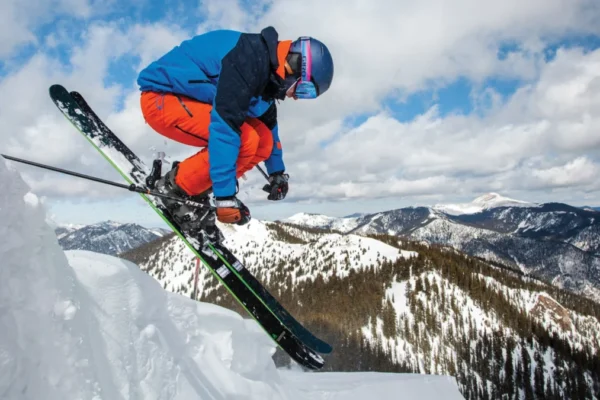
The Rossignol Arcade 88 skis represent the current state of all-mountain design. By balancing an 88-millimeter waist with a poplar core and a full Titanal layer, the ski offers the stability required for high-speed carving on ice while retaining enough rocker for soft-snow versatility. This design philosophy acknowledges that most skiers encounter a wide variety of conditions in a single day, necessitating a "quiver-of-one" solution.
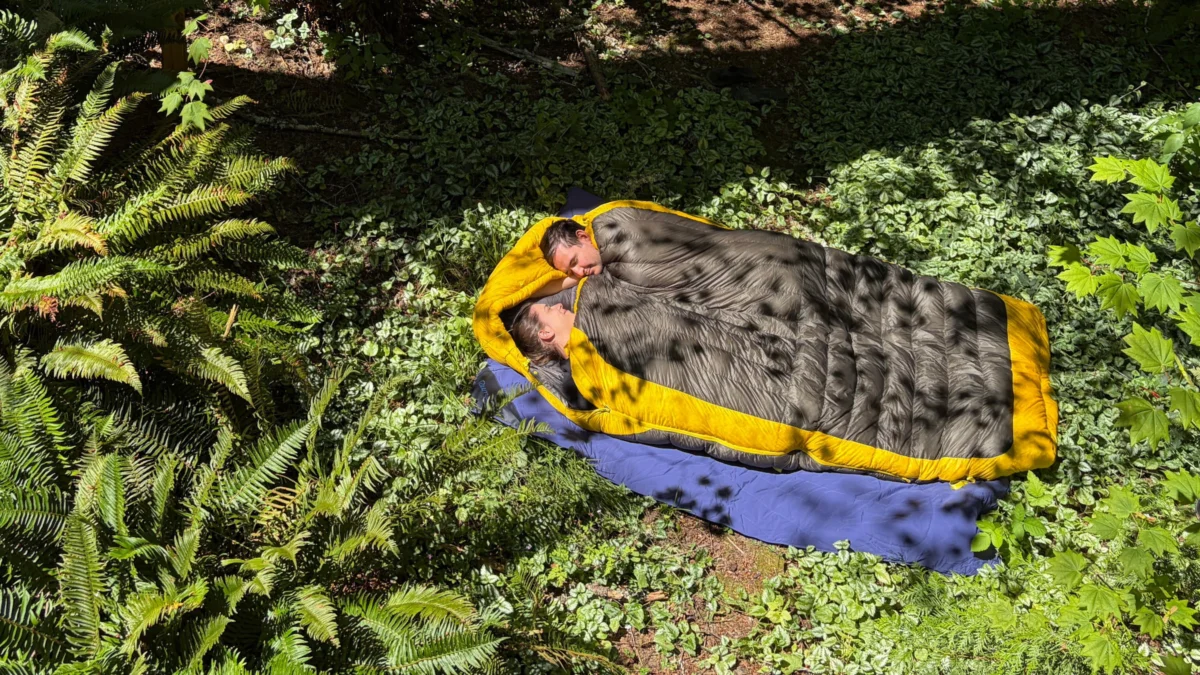
The Therm-a-Rest NeoLoft sleeping pad addresses the sleep-quality deficit inherent in long-distance trekking. By providing an R-value of 4.7 in a relatively compact, albeit heavier, package, it highlights a compromise: many athletes are now willing to carry an extra 850 grams in exchange for a substantial recovery benefit.

Finally, the Alpacka Raft Aleutian is perhaps the most ambitious item in this guide. The ability to pack a 13-foot touring kayak into a checked airline bag represents a milestone in material engineering. By providing the structural rigidity required for coastal and lake touring without the need for a roof rack, the Aleutian effectively eliminates the geographic barriers that previously restricted kayak-based travel to local waterways.
Broader Implications and Industry Outlook
The collective movement toward these specific gear categories reflects a mature outdoor market. Consumers are increasingly sophisticated, opting for products that demonstrate clear problem-solving capabilities rather than mere aesthetic appeal. The integration of sustainability—seen in the widespread use of recycled polyesters and durable, long-lasting construction—is no longer a marketing trend but a baseline expectation.

As the industry moves into the 2027 season, analysts expect continued focus on modularity and multi-functional design. The goal for manufacturers is clear: create products that reduce the friction between the athlete and the adventure. Whether it is a $10 sit pad or a high-performance inflatable kayak, the ultimate success of these products is measured by their ability to facilitate the user’s desire to remain active, comfortable, and prepared in environments that are inherently neither.