








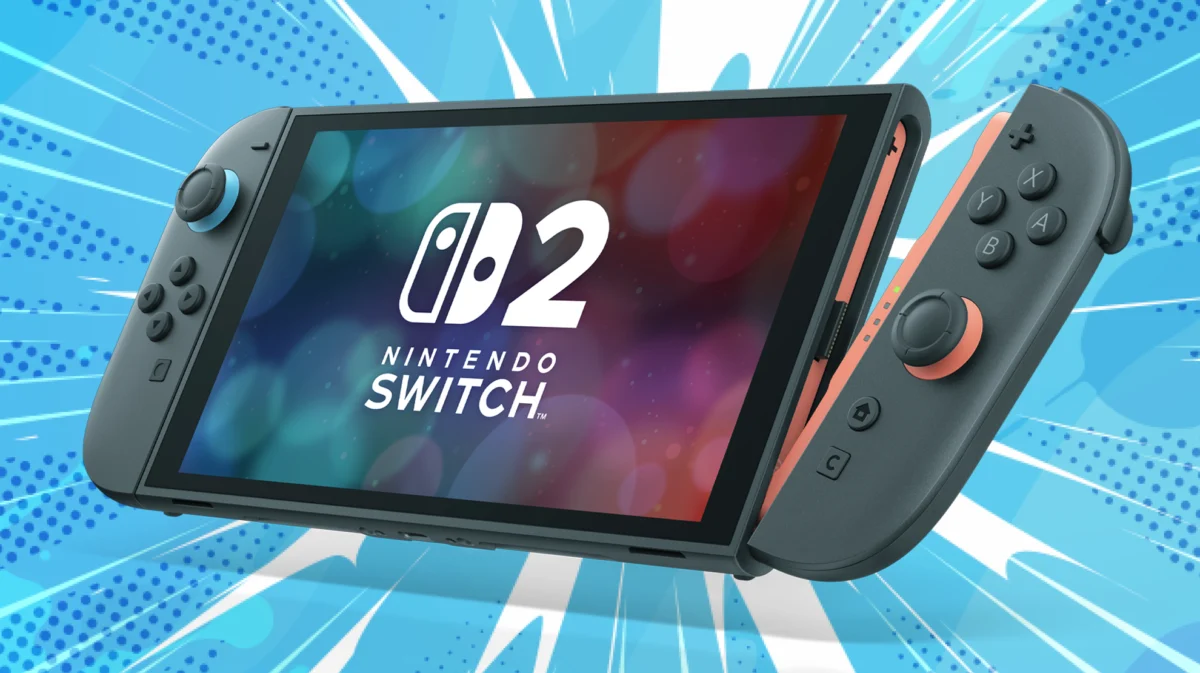
Nintendo has officially confirmed that it will not be implementing further price increases for the Switch 2 hardware, signaling a period of stabilization for the company’s supply chain. Following the release of its fiscal year 2027 first-half financial results, Nintendo President Shuntaro Furukawa addressed concerns regarding the volatile global market for semiconductor components. According to disclosures provided to investors and reported by financial news outlets including Reuters, Nintendo has successfully secured access to sufficient quantities of memory modules to sustain manufacturing volumes without the need for additional consumer-facing cost adjustments.
This announcement serves as a strategic reassurance to the gaming community, which has faced a wave of hardware price hikes across the industry over the past two years. While the Switch 2 has already undergone a pricing adjustment, Nintendo’s ability to stabilize its production costs amidst an era of widespread technological scarcity highlights a significant turning point in the current console generation’s lifecycle.
A Chronology of Pricing and Production Challenges
The hardware market for current-generation consoles has been defined by the persistent shadow of global supply chain disruptions. For Nintendo, the path to the current status quo has been marked by several critical milestones:
- Pre-Launch (2024): Prior to the official release of the Switch 2, the company encountered early headwinds due to international trade policies. Specifically, the Trump Administration’s tariff adjustments forced Nintendo to raise the wholesale price of various Switch 2 accessories in the United States, an early indicator of the logistical pressures the platform would face.
- September 2025: Facing inflationary pressures and the rising costs of raw materials, Nintendo implemented a formal price increase for the Switch 2 console itself. This adjustment, which took effect on September 1, 2025, saw the retail price rise by $50 in the United States, €30 in European markets, and ¥10,000 in Japan. This marked the first direct price hike for the console since its debut.
- Late 2025 to Early 2026: The industry experienced an acute shortage of high-performance memory and storage components, largely driven by the explosive growth of Artificial Intelligence (AI) and data center infrastructure, which competed directly with consumer electronics for supply.
- November 2026: In the most recent financial briefing, President Furukawa confirmed that the company has secured sufficient memory inventory to meet production demands for the foreseeable future, effectively capping the retail price at its current level.
The Macroeconomic Landscape: AI and Memory Shortages
The primary catalyst for the industry-wide price volatility has been the unprecedented surge in demand for AI-driven computing power. As tech giants and cloud service providers aggressively expand their AI capabilities, the global supply of specialized DRAM and NAND flash memory has been funneled toward high-margin data center products.
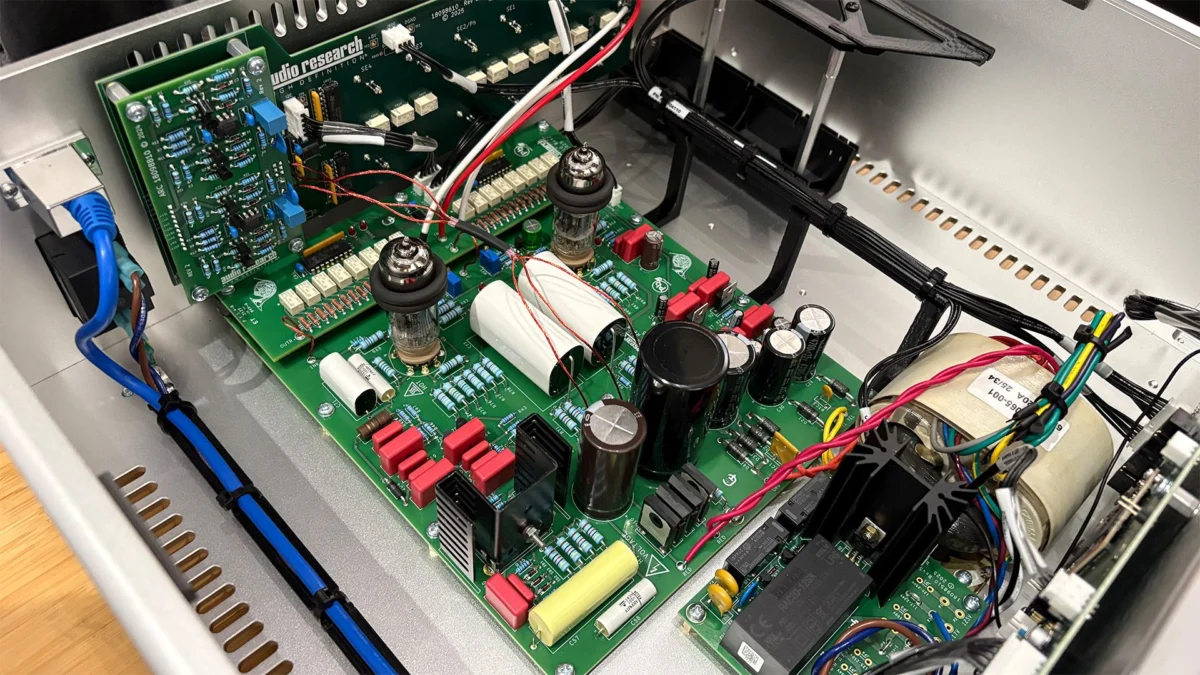
This shift has created a "squeeze" for consumer electronics manufacturers. Nintendo, like its primary competitors, has had to navigate this scarcity. The severity of this shortage was underscored when one of Nintendo’s long-standing ROM (Read-Only Memory) suppliers, Macronix, opted to exit certain manufacturing segments to focus on more lucrative, high-growth industrial and AI-related applications. ROM memory is a critical component for Switch 2 physical game cartridges, and while Nintendo has not issued a formal statement on the specific impact of this departure, it highlights the broader trend of component suppliers deprioritizing the gaming sector in favor of AI infrastructure.
Industry Comparisons: Sony and Microsoft’s Response
Nintendo’s decision to hold prices steady stands in contrast to the aggressive pricing strategies adopted by Sony and Microsoft. Both companies have frequently adjusted the prices of their flagship hardware to combat the same inflationary and supply-side pressures.
Sony has raised the price of the PlayStation 5 and the PlayStation 5 Pro on multiple occasions across the UK, Europe, and other international markets. These hikes were explicitly linked to the rising cost of production and the devaluation of local currencies against the dollar, as well as the scarcity of specialized components. Similarly, Microsoft has navigated several rounds of pricing increases for the Xbox Series X and Series S. The most recent widespread adjustment occurred in August 2026, marking a concerted effort by console manufacturers to protect profit margins in an era where the traditional "loss leader" model of hardware sales is becoming increasingly difficult to sustain.
Analysis: Market Performance and Sales Trajectory
Despite the macro-economic challenges and the price hike implemented in late 2025, the Switch 2 has demonstrated remarkable market resilience. To date, Nintendo has moved 26 million units of the console, a figure that continues to track ahead of the original Switch’s performance over the same duration.
However, investors have noted a cooling effect in hardware sales over the last few quarters. While this decline is typical for a console that has passed its initial "banner" launch phase, the combination of higher retail prices and market saturation suggests that Nintendo is entering a new phase of its lifecycle—one focused on software engagement and service-driven revenue rather than rapid hardware expansion.
The decline in hardware sales compared to the 2025 launch peak is a natural progression, yet the console remains the bedrock of Nintendo’s current business model. By guaranteeing that no further price hikes are planned, Nintendo is attempting to solidify its position as the more accessible entry point into high-end gaming compared to the more expensive, higher-spec offerings from Sony and Microsoft.
Future Implications for Consumers and Stakeholders
The stabilization of the memory supply chain is a net positive for both consumers and Nintendo’s long-term financial health. For the consumer, it provides a sense of predictability. For stakeholders, it signals that Nintendo has successfully navigated the most difficult supply chain bottlenecks of the post-pandemic era.
Moving forward, the company’s focus is likely to shift toward managing the "software boom." With the hardware base established at 26 million units, the priority for the next fiscal year will be maximizing the attachment rate—ensuring that the existing user base remains engaged with new software releases. Nintendo’s ability to manage its supply chain effectively has allowed it to avoid the damaging optics of recurring price hikes, which can alienate the casual gaming demographic that constitutes a significant portion of Nintendo’s audience.
While the memory shortage crisis has forced the hand of almost every major electronics manufacturer, Nintendo’s communication suggests a proactive approach to procurement. By securing long-term contracts for memory components, the company has effectively insulated itself from the immediate volatility of the AI-driven market. As the console market continues to evolve, Nintendo’s commitment to maintaining its current price point will likely be viewed as a key competitive advantage, potentially helping to sustain the momentum of the Switch 2 as it moves into the middle phase of its life cycle.
In summary, the landscape for the Switch 2 is one of cautious optimism. Having navigated the dual challenges of component shortages and a necessary mid-cycle price adjustment, Nintendo is now positioned to leverage its established market presence. While the industry at large continues to struggle with the rising costs of production and the insatiable demand of the AI sector, Nintendo has signaled that its internal mechanisms for supply chain resilience are sufficient to withstand the current economic climate, providing a stable foundation for the years ahead.