



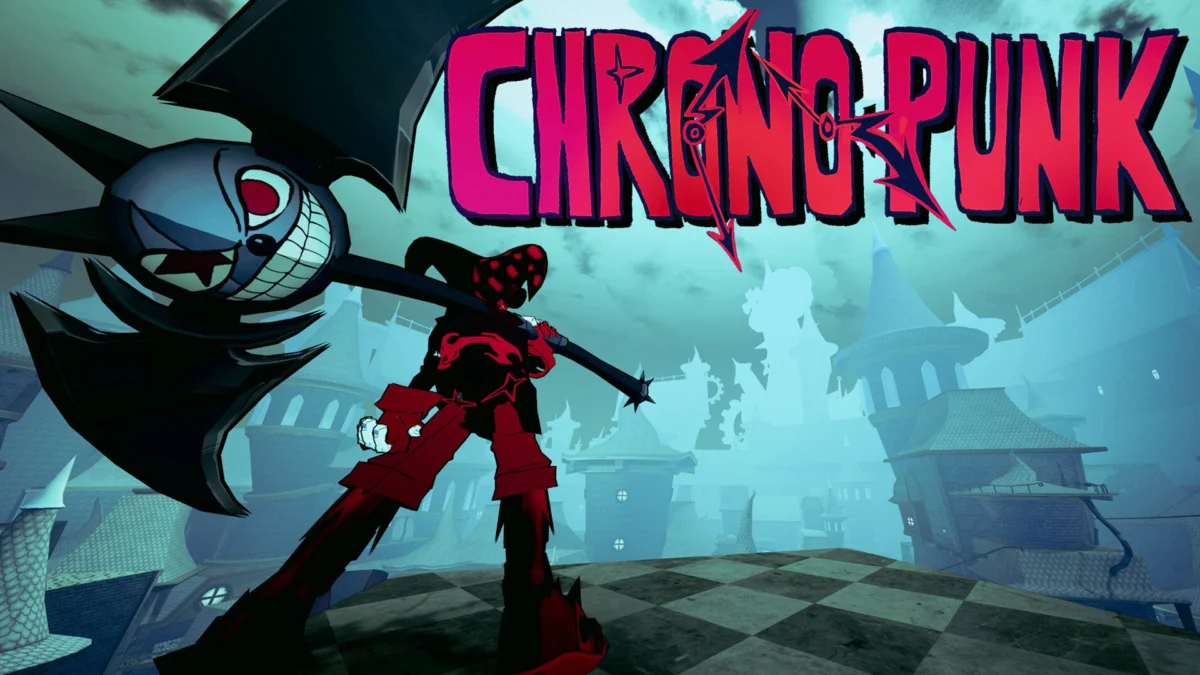
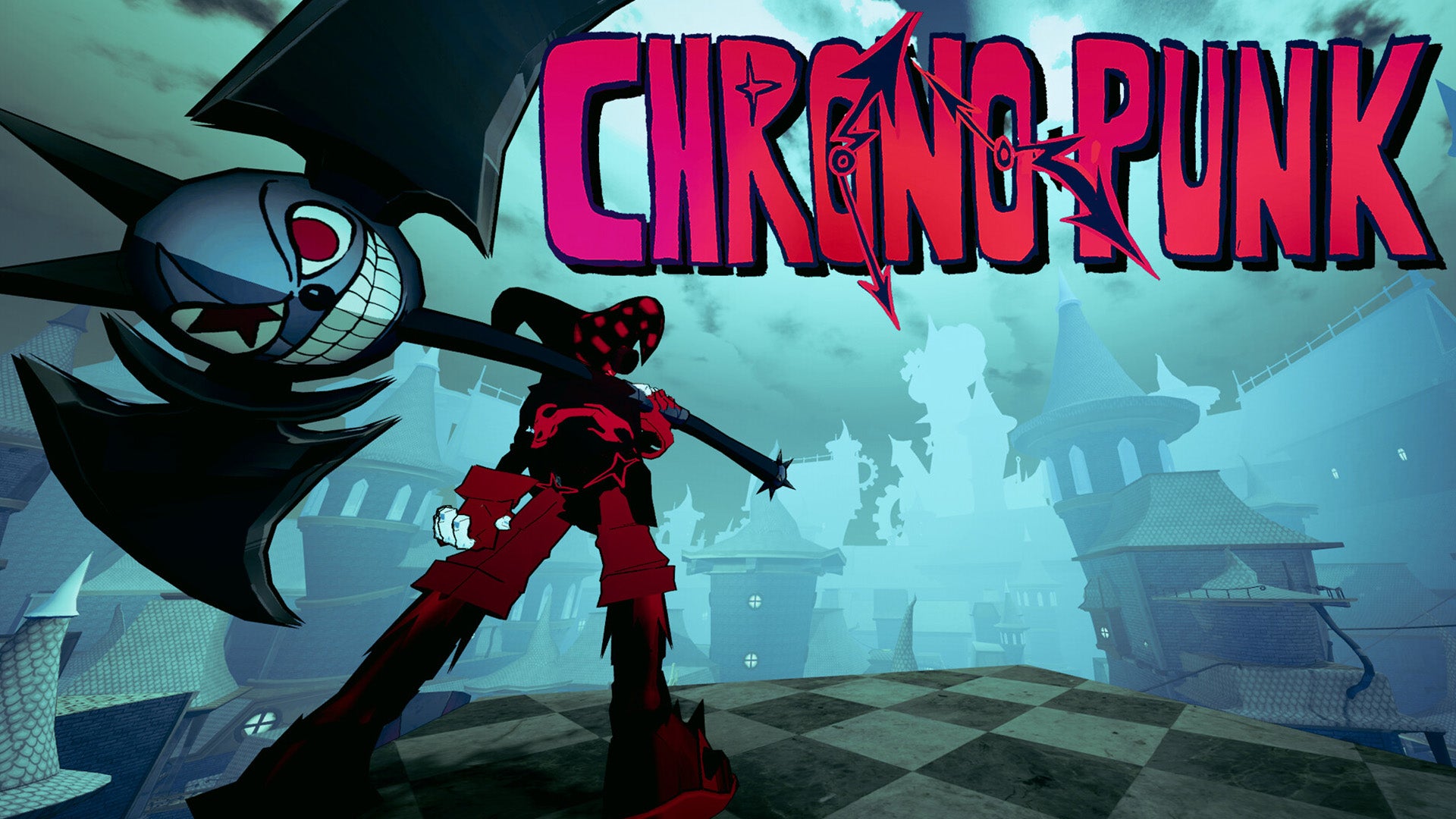
The announcement of Chrono Punk by independent developer SoulGear Studios has sparked significant interest within the gaming community, primarily due to its distinct visual style and its ambition to synthesize the frantic combat mechanics of the early 2000s with the modern roguelite structure. As the industry continues to see a resurgence in retro-inspired aesthetics, Chrono Punk distinguishes itself by avoiding the "low-poly" trope, instead opting for a high-energy, stylized presentation that evokes the artistic sensibilities of titles like Jet Set Radio and the early entries in the Devil May Cry franchise.
Core Mechanics and Combat Philosophy
At its fundamental level, Chrono Punk is an action-oriented roguelite that emphasizes high-speed movement and complex combat strings. Players are tasked with navigating urban environments that serve as both combat arenas and traversal playgrounds. The mobility system appears to prioritize verticality, incorporating wall-running and aerial maneuvers that draw direct comparisons to the traversal systems found in modern Spider-Man titles.
The combat system is centered on a deep combo-based framework, which encourages players to switch between various weapons seamlessly. The revealed arsenal includes traditional melee options such as swords and shields, ranged weaponry like pistols, and more esoteric tools such as grimoires and scythes. This weapon variety is designed to facilitate a "pinball-style" gameplay flow, where the player is expected to bounce between enemies in rapid succession, maintaining momentum and damage multipliers. The reliance on such a system suggests that the developers are targeting a core demographic of high-skill players who prioritize mechanical precision and stylistic execution.
The Aesthetic and Cultural Context
The aesthetic of Chrono Punk is perhaps its most defining feature. By blending the character-focused design language of Kingdom Hearts with the chaotic, edgy visuals of anime-inspired series like Soul Eater, the game creates a unique visual identity that feels both nostalgic and fresh. The urban environments, described by early observers as "nondescript yet vast," appear to be intentionally designed to facilitate movement rather than detailed narrative exploration.
This choice in art direction is consistent with the late-90s and early-2000s era of console gaming. During this period, developers often relied on stylized color palettes and exaggerated proportions to compensate for the hardware limitations of the era. By intentionally adopting these design philosophies, SoulGear Studios is positioning Chrono Punk as a spiritual successor to a forgotten sub-genre of action games that flourished on the PlayStation 2 and Sega Dreamcast—platforms renowned for their experimental, high-octane titles.
Chronology and Development Roadmap
While a formal release date for Chrono Punk remains unannounced, the project’s public trajectory has been steadily building since its initial trailer release.
- Early Development Phase: SoulGear Studios began internal development on the title with a focus on building a robust movement engine that could support both single-player and cooperative play.
- Concept Refinement: Throughout 2023, the team iterated on the weapon switching mechanics, ensuring that transitions between the scythe, pistols, and grimoires felt fluid enough to support the intended high-tempo combat.
- Public Reveal: The recent release of the Steam reveal trailer marked the first major public appearance for the game, establishing the tone and visual style that would define the marketing campaign.
- Steam Integration: The title is currently available for wishlisting on Steam, which provides the development team with crucial data regarding player interest and potential demographic reach.
The decision to include both solo and co-operative modes is a strategic move that reflects current trends in the roguelite market. Titles that allow for collaborative play tend to see higher engagement rates and longer lifespans, as the complexity of high-level combat is often amplified when shared between players.
Narrative Premise and Setting
The narrative backdrop of Chrono Punk is anchored in a classic cyberpunk trope: a mega-corporation manipulating time to exert total control over the population. While the narrative may appear secondary to the core gameplay loop, it serves as the essential justification for the game’s environmental design. By centering the conflict around a controlled city, the developers provide a clear context for why the environment must be both traversable and dangerous.
The struggle against corporate hegemony is a recurring theme in the action genre, providing a reliable framework for player progression. In Chrono Punk, the narrative is not intended to be a complex, branching epic, but rather a driving force that justifies the player’s movement through increasingly difficult tiers of combat encounters.
Industry Implications and Market Analysis
The market for roguelites has become increasingly saturated, with high-profile indie titles competing for player attention. However, there remains a distinct demand for action-focused titles that prioritize movement and combo potential over purely turn-based or deck-building mechanics. Chrono Punk occupies a specific niche—the "high-mobility action roguelite"—that currently has few direct competitors.
From a technical standpoint, the success of Chrono Punk will likely depend on the developers’ ability to optimize the movement system. If the traversal feels as responsive as the movement found in titles like Jet Set Radio, the game will likely find a loyal following among the "speedrunning" community and those who value mechanical depth above all else.
Furthermore, the integration of 2000s-style "hub areas"—reminiscent of early massively multiplayer online (MMO) lobby designs—is a clever touch that appeals to the social aspect of modern gaming. These spaces offer players a reprieve from the intensity of the roguelite combat loops, providing a necessary cadence to the game’s overall structure.
Official Responses and Community Reception
While the studio has not issued a formal press statement regarding its design philosophy, the community response to the Steam reveal has been largely positive, particularly regarding the aesthetic fidelity to the PS2/Dreamcast era. Analysts observe that when developers hit this specific "nostalgia window"—the period between 2000 and 2005—they often find success with players who grew up during that transition from 2D to 3D gaming.
The inclusion of co-op is perhaps the most praised feature in early community feedback. In an era where many single-player-focused roguelites remain isolated experiences, the prospect of playing through a high-octane, combo-heavy campaign with a friend adds significant value to the package.
Broader Impact on the Indie Landscape
Chrono Punk serves as a case study for how independent developers can leverage specific visual identities to stand out in a crowded marketplace. Rather than attempting to mimic the hyper-realistic graphics of AAA titles, SoulGear Studios has leaned into a "vibe-first" approach. This strategy reduces the technical overhead of high-fidelity asset production while simultaneously creating a stronger, more recognizable brand image.
If Chrono Punk performs well upon release, it may signal a wider shift in the indie sector toward the "early 3D" aesthetic. As tools like Unity and Unreal Engine become more accessible, developers are finding it easier to recreate the stylized, high-contrast look of the early 2000s. This could lead to a wave of games that prioritize the "feel" of that era—the exaggerated animations, the bold UI, and the focus on pure, unadulterated arcade action.
For now, the project remains in the pre-launch phase, with the development team likely focusing on polishing the combat loops and ensuring that the multiplayer infrastructure is stable. For fans of high-speed, combo-oriented action, Chrono Punk represents one of the most promising upcoming titles in the independent space, offering a unique blend of historical reverence and modern mechanical ambition. As the development cycle continues, all eyes will be on whether the final product can deliver on the high-energy promise of its reveal trailer.