










The upcoming release of iOS 27 marks a pivotal shift in Apple’s smart home strategy, placing a heavy emphasis on the integration of Apple Intelligence to streamline user interaction and visual fidelity. As the company prepares for its highly anticipated special event on October 13, titled "Welcome Home," these software updates serve as the foundation for a new generation of hardware products. The core of this update revolves around two primary pillars: a massive overhaul of the HomeKit Secure Video platform and a more intelligent, consolidated notification system designed to reduce digital clutter for the modern homeowner.
The Evolution of HomeKit Secure Video
HomeKit Secure Video has long been a staple of Apple’s privacy-centric smart home ecosystem, offering cloud-based, end-to-end encrypted storage for users with iCloud+ subscriptions. Historically, the platform capped recording and streaming at 1080p resolution. With the arrival of iOS 27, Apple is finally addressing a long-standing demand from its power-user base by introducing native support for 4K video resolution.
This upgrade is not merely a bump in pixel count; it represents a comprehensive shift in how the Home app manages high-bandwidth data. By supporting 4K, Apple is aligning its ecosystem with current industry standards for security cameras, which have increasingly moved toward Ultra-HD sensors. This ensures that users can capture finer details—such as license plates, facial features, or package contents—with significantly greater clarity than previous iterations allowed.
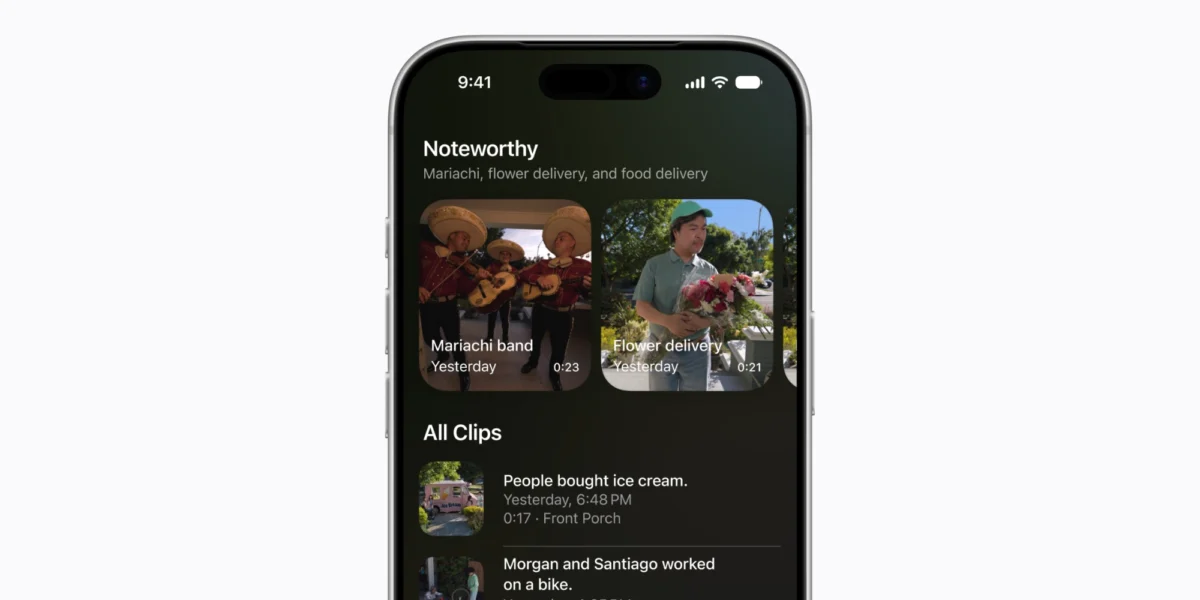
Beyond resolution, Apple is leveraging its proprietary AI engine, Apple Intelligence, to bring three new analytical capabilities to the platform. While the company has kept specific technical details proprietary, the integration of on-device machine learning allows the system to analyze video feeds with lower latency and higher accuracy. This evolution is expected to reduce the incidence of "false positive" motion alerts, a common frustration in the smart home sector. By utilizing local processing power, the system maintains its commitment to privacy, ensuring that video analysis occurs on the user’s device rather than in the cloud.
A Chronology of Apple’s Smart Home Strategy
To understand the magnitude of these updates, it is necessary to view them within the context of Apple’s broader timeline. Apple entered the smart home space with the launch of HomeKit in 2014. For the first several years, the ecosystem was criticized for its slow adoption and limited hardware support. The launch of HomeKit Secure Video in 2019 represented a turning point, positioning Apple as a premium, privacy-first alternative to competitors like Amazon’s Ring or Google’s Nest.
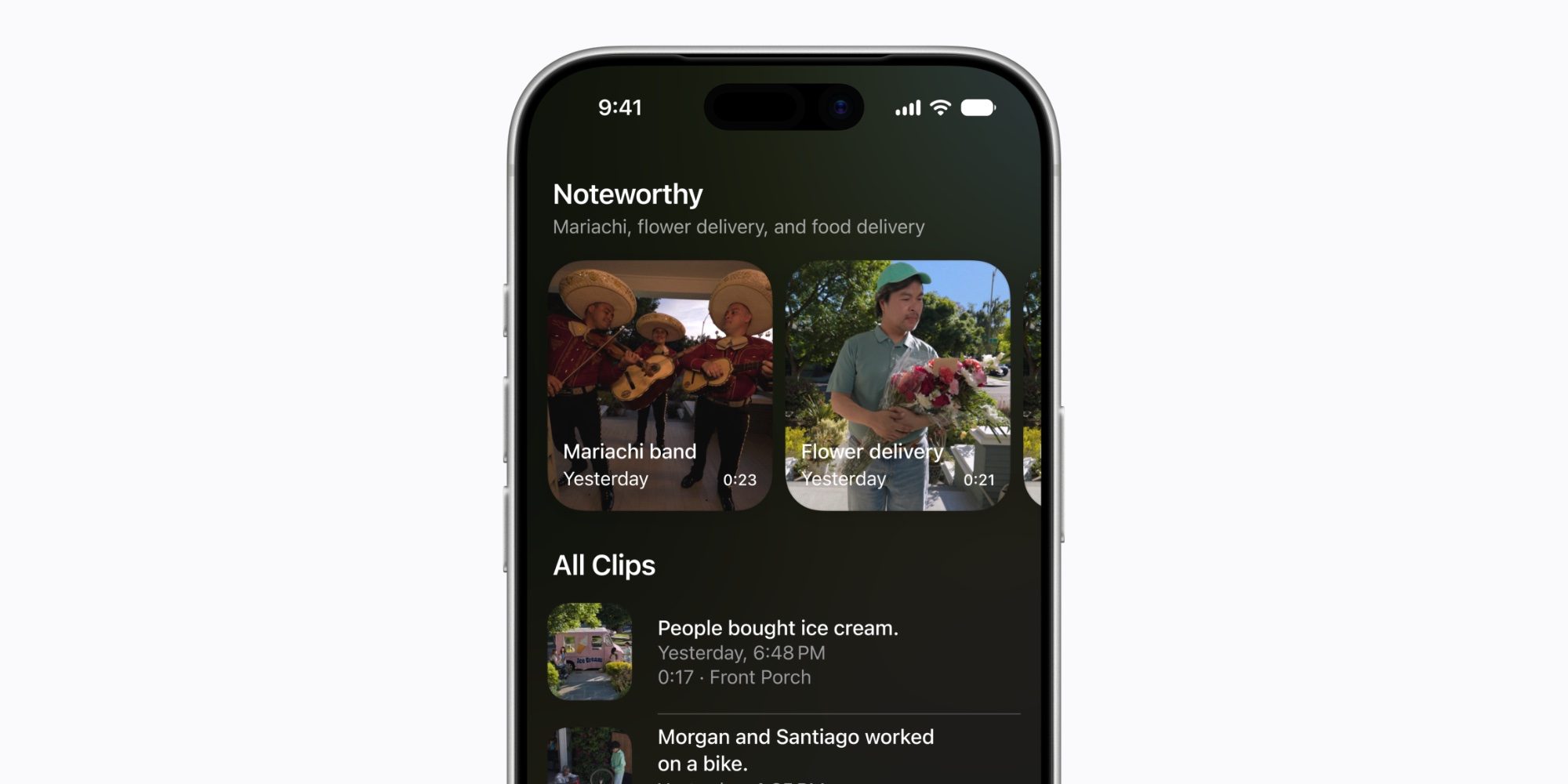
In 2022, the introduction of the Matter protocol—an industry-wide standard backed by Apple, Google, Amazon, and Samsung—further signaled that Apple was serious about interoperability. However, users continued to report that the Home app interface was becoming increasingly complex as the number of supported devices grew. The iOS 27 updates appear to be a direct response to this complexity. By focusing on data consolidation and high-resolution video, Apple is attempting to bridge the gap between hobbyist-level smart home setups and professional-grade security systems.
Intelligent Notifications and the Reduction of Clutter
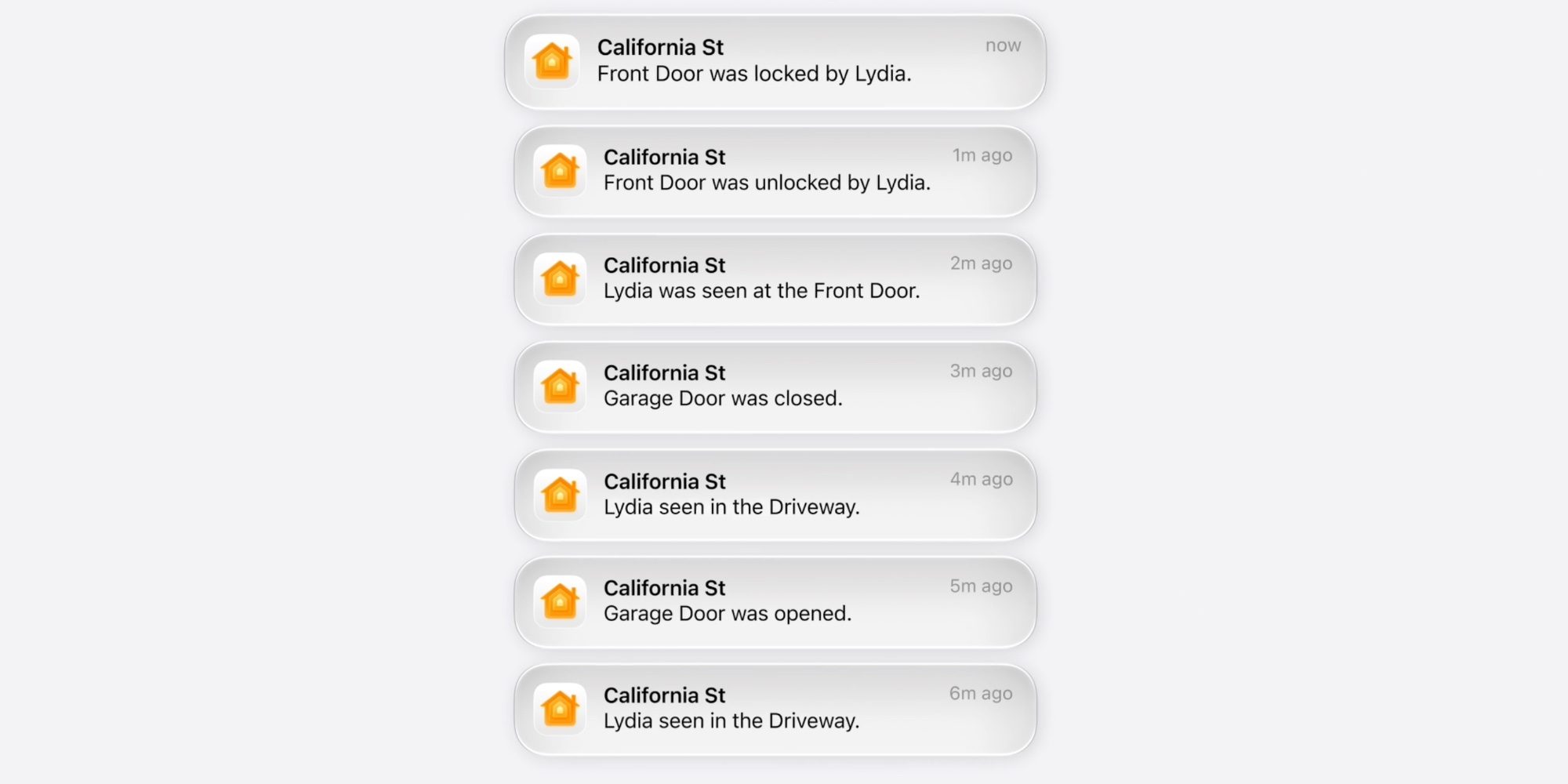
Perhaps the most user-facing change in iOS 27 is the introduction of "real-time notification updates." In traditional smart home environments, a flurry of events—such as a doorbell ringing, a lock opening, and a light turning on—would trigger a series of fragmented push notifications. This "notification fatigue" has been a significant pain point for users.
Apple Intelligence now acts as an aggregator for these events. By identifying patterns in device activity, the system can interpret a sequence of events as a single, cohesive activity. For example, if a user arrives home, unlocks their door, and turns off their alarm, the system will no longer present three distinct alerts. Instead, it provides a single, dynamic notification that updates in real-time as the sequence progresses.
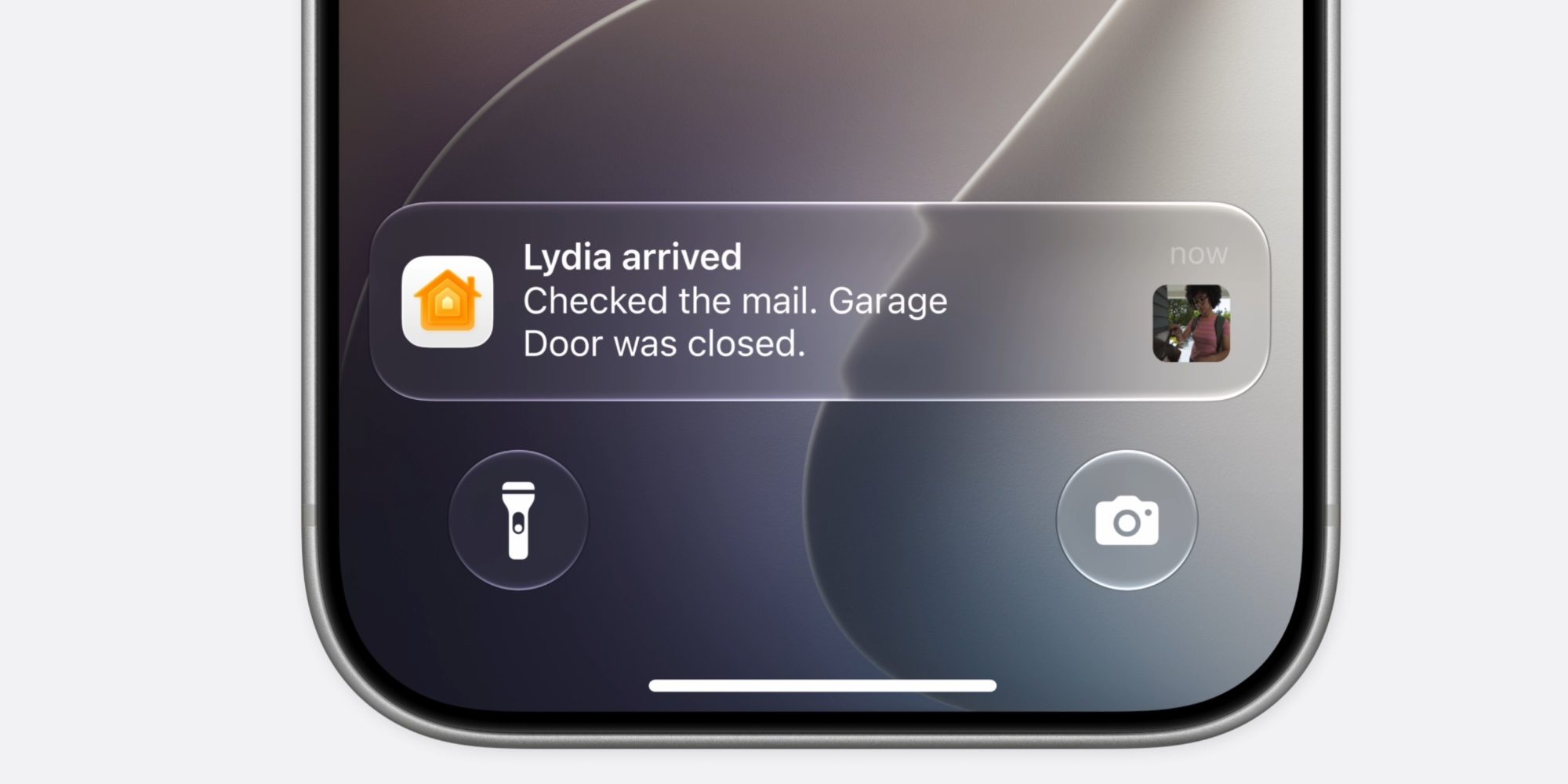
This functionality is managed within a new dedicated "Apple Intelligence" section of the Home app’s settings. A toggle labeled "Reduce Notifications" allows users to enable this aggregation. From a technical standpoint, this requires the device to maintain a "state" for the notification, updating the text payload as the user’s arrival process concludes. This minimizes the need for the user to unlock their device and navigate the app to confirm the status of their home.
Fact-Based Analysis: Implications for the Industry
The shift toward 4K recording and intelligent notification aggregation has clear implications for the broader smart home market. First, the 4K requirement will likely necessitate hardware upgrades for many users. While existing 1080p cameras will continue to function, the full benefit of the iOS 27 update will only be realized by users who invest in new, 4K-capable hardware—a segment Apple is clearly targeting with its upcoming "Welcome Home" event.
Second, the move toward AI-driven notification management sets a new standard for the user experience. Competitors will likely face pressure to implement similar "context-aware" notification systems. Apple’s advantage here is the integration of its software with its proprietary silicon (A-series and M-series chips), which provides the raw compute power necessary to handle these machine learning tasks locally.
From an industry analyst perspective, these updates are a strategic move to lock users into the Apple ecosystem. By providing a superior, integrated experience for security and home management, Apple increases the "switching cost" for users. If a user’s camera, locks, and notification system are all perfectly synced within the Apple Home app, they are less likely to migrate to a competing platform.
Broader Impact and Consumer Outlook
For the average consumer, these changes represent a move toward a more "invisible" smart home. The goal of modern home automation is to provide security and convenience without requiring constant manual intervention or monitoring. By cleaning up the notification interface and increasing the fidelity of security footage, Apple is effectively reducing the "cognitive load" placed on the homeowner.
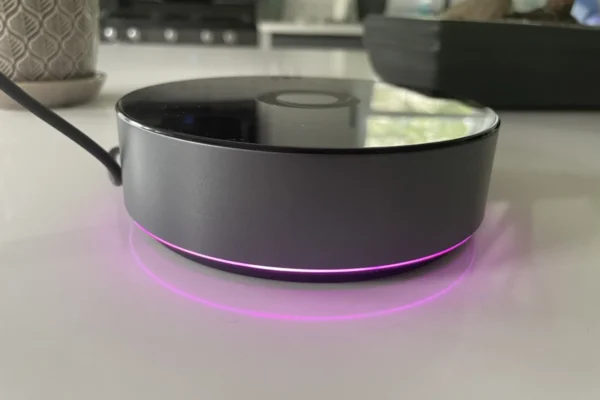
As the October 13 event approaches, the industry expects Apple to unveil not just new cameras, but potentially a refreshed HomePod or even a dedicated smart home display, both of which would serve as ideal control hubs for these new iOS 27 features. The synergy between the software updates and the hardware rollout is a classic Apple strategy: provide the infrastructure (iOS 27) and then introduce the specialized tools (new hardware) to maximize its utility.

In summary, the updates to the Home app in iOS 27 reflect a mature phase in Apple’s development cycle. The company is no longer just adding features; it is refining the user experience through the application of advanced artificial intelligence and addressing the long-standing hardware limitations of its security platform. Whether these changes are enough to sway users from competitors will depend on the performance of the upcoming hardware, but the software foundation laid by iOS 27 is a significant step forward in the company’s ongoing mission to dominate the connected home. As we move closer to the October announcement, the focus remains on how these features will scale across various home environments and whether the performance gains promised by Apple Intelligence hold up under real-world conditions.