






Apple is poised to redefine the intersection of proximity-based computing and home automation with the introduction of a new "Proximity Control" feature, an exclusive capability designed for an upcoming line of "second-party" smart home accessories. As anticipation builds for the company’s "Welcome Home" event scheduled for October 13, 2026, recent technical disclosures have shed light on how Apple plans to integrate its hardware ecosystem more deeply with domestic infrastructure. This development, rooted in a strategic partnership with LG, represents a departure from Apple’s traditional reliance on third-party HomeKit manufacturers, moving toward a more tightly controlled, premium hardware experience.
Technical Foundations of Proximity Control
The discovery of the Proximity Control feature stems from recent code analysis within the latest iOS beta distributions. Researchers, including Aaron Perris and the social media analyst known as @itspdfu, have identified specific logic strings that allow nearby smart home accessories to manifest interactive controls directly within the iPhone’s Dynamic Island.
At its core, this feature utilizes a combination of Near Field Communication (NFC) and Bluetooth Low Energy (BLE) protocols to facilitate a seamless "handshake" between the user’s device and the smart hardware. When a user brings their iPhone into close proximity with an enabled device—such as a smart thermostat or security camera—the accessory broadcasts a specific BLE advertisement. Simultaneously, the accessory utilizes an "apple-deviceid" embedded within the Matter-standard payload on its NFC tag. This dual-layer identification ensures that the iPhone can instantly recognize the device, authenticate the user’s proximity, and trigger a contextual UI overlay in the Dynamic Island.
For users, this means the end of navigating through complex Home app menus. A simple tap or proximity gesture will instantly surface an "Open Controls" button for climate devices, or a live camera feed for security equipment. This tactile approach to home management mirrors the functionality currently enjoyed by HomePod users, who can transition audio playback between their iPhone and speaker simply by bringing the devices into range.
The Strategic Shift: The LG Collaboration
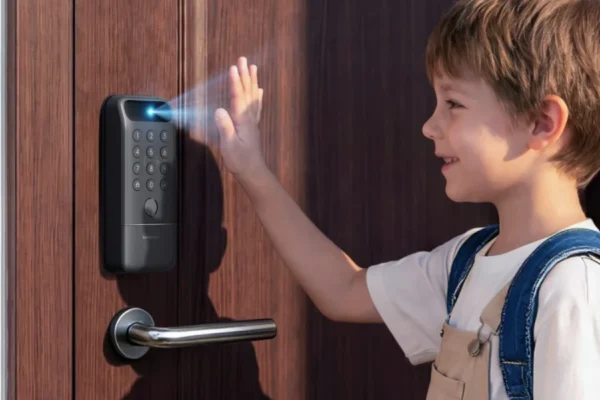
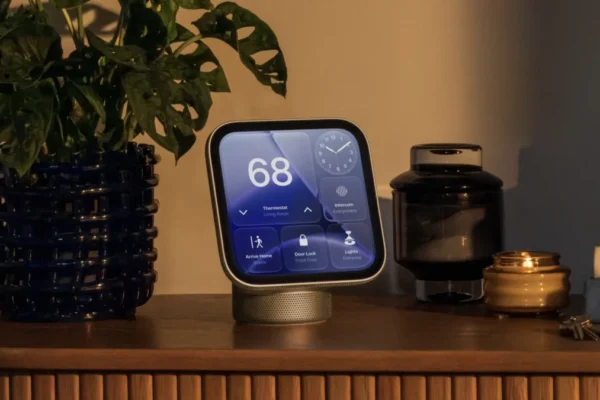
This technology is expected to debut alongside a suite of hardware products co-developed by Apple and LG. According to reports from Bloomberg, the collaboration is not a mere branding exercise but a deep technical integration. The product roadmap is said to include a wide array of essential smart home components, specifically a smart thermostat, a high-security deadbolt lock, and multiple variations of security cameras, including indoor, outdoor, and floodlight-integrated models.
The choice of LG as a partner is significant. By working with an established manufacturing giant, Apple can ensure that the physical build quality and internal hardware components meet the rigorous standards of the Apple ecosystem. For Apple, this "second-party" strategy—where products are branded as Apple-compatible but engineered in collaboration with a specific partner—allows the company to exert greater control over the end-to-end user experience without necessarily needing to build every component in-house.
Chronology of the Smart Home Initiative
The path to the "Welcome Home" event has been marked by a series of strategic moves and leaks that trace the evolution of Apple’s current home strategy:

- Early 2026: Initial industry reports suggest Apple is re-evaluating its smart home strategy, focusing on Matter interoperability and the need for a more cohesive hardware experience.
- September 2026: Developers begin noticing subtle changes in HomeKit frameworks within iOS beta releases, hinting at new proximity-based protocols.
- October 6, 2026: Bloomberg reports on the specific partnership between Apple and LG, confirming the development of a range of home security and climate control devices.
- October 8, 2026: Apple formally announces its "Welcome Home" special event for October 13, fueling speculation about the unveiling of the smart home hardware line.
- October 9, 2026: Technical details regarding the "Proximity Control" feature emerge, detailing the use of NFC and BLE to trigger Dynamic Island interactions.
Implications for the Smart Home Market
The introduction of Proximity Control has broader implications for the smart home market, which has long been fragmented by competing standards and inconsistent user experiences. While the Matter standard has made significant strides in allowing devices from different manufacturers to communicate, Apple’s move to create an "exclusive" feature for its co-developed line highlights the company’s desire to maintain a competitive advantage through its software-hardware synergy.
Industry analysts suggest that this strategy could put pressure on existing third-party manufacturers. If users begin to prefer the seamless, "magical" experience of Proximity Control, manufacturers who do not have access to these proprietary Apple integrations may find themselves at a disadvantage. However, it is also possible that Apple will eventually open these APIs to third-party developers, provided they meet strict hardware certification requirements. This would follow the precedent set by other Apple technologies, such as Find My or MagSafe, which began as proprietary but gradually expanded to third-party ecosystems under license.
User Privacy and System Control
A critical aspect of Apple’s ecosystem philosophy is privacy. The implementation of Proximity Control is expected to include robust controls within the Home app, allowing users to toggle the feature on or off. By keeping the authentication process local to the device and the accessory—utilizing secure NFC tags—Apple aims to prevent unauthorized proximity interactions.
Furthermore, the data processing for these interactions is designed to remain on-device. When a user interacts with a camera, the stream is initiated locally, minimizing the exposure of sensitive domestic data to external servers. This focus on privacy remains a core pillar of Apple’s value proposition, particularly as consumers become increasingly wary of the security risks associated with interconnected smart home cameras and locks.

Looking Toward the October 13 Event
The upcoming "Welcome Home" event is widely expected to be the formal unveiling of this new initiative. While the leaked information provides a glimpse into the feature set of the LG-co-developed devices, the event will likely provide clarity on pricing, availability, and the broader scope of the Apple-LG partnership.
For Apple, the success of these products will depend on whether the "Proximity Control" feature provides enough value to justify the likely premium price point of these accessories. If the integration is as seamless as the code suggests, it could convince millions of existing iPhone users to standardize their smart home setups under the Apple ecosystem. Conversely, the company must balance this push for exclusivity with the need to maintain the openness that the Matter standard promises to the wider industry.
As the smart home sector matures, the focus is shifting from simple connectivity to intuitive interaction. By leveraging the existing strengths of the iPhone’s hardware—namely the Dynamic Island and advanced wireless protocols—Apple is positioning its home products to be an extension of the mobile experience rather than a separate, cumbersome category. The "Welcome Home" event will be the first test of whether this vision resonates with the broader consumer market, setting the stage for the next phase of domestic automation.