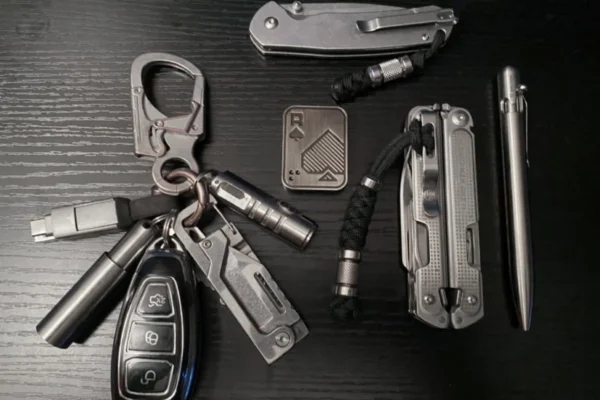






The evolution of personal utility gear has undergone a significant shift in recent years, moving away from bulky, multi-component toolkits toward a philosophy of "weight-conscious efficiency." This transition is exemplified by the rising popularity of professional-grade, ultralight everyday carry (EDC) kits. A recent case study featuring a California-based Emergency Medical Technician (EMT) highlights this trend, showcasing a curated selection of tools designed to maximize functionality while minimizing physical burden. By prioritizing weight-to-performance ratios, modern professionals are redefining what it means to be prepared for both routine domestic tasks and high-stakes field environments.
The Philosophy of Weight-Conscious Utility
For individuals working in emergency services, the weight of equipment is not merely a matter of convenience; it is a clinical and physical necessity. EMTs and paramedics often operate in constrained environments where mobility is paramount. The current trend in EDC reflects an industry-wide move toward materials such as carbon fiber, titanium, and high-strength polymers.
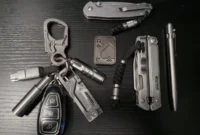
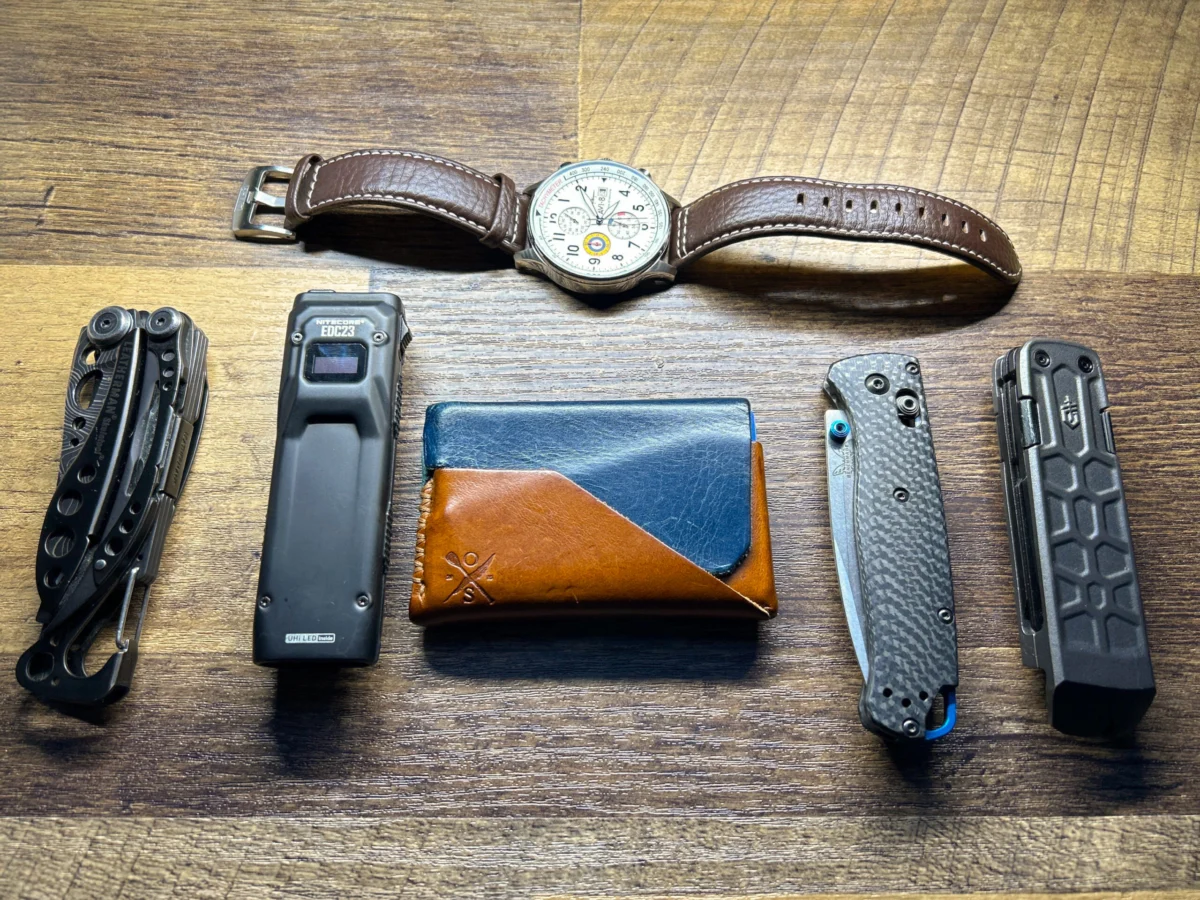
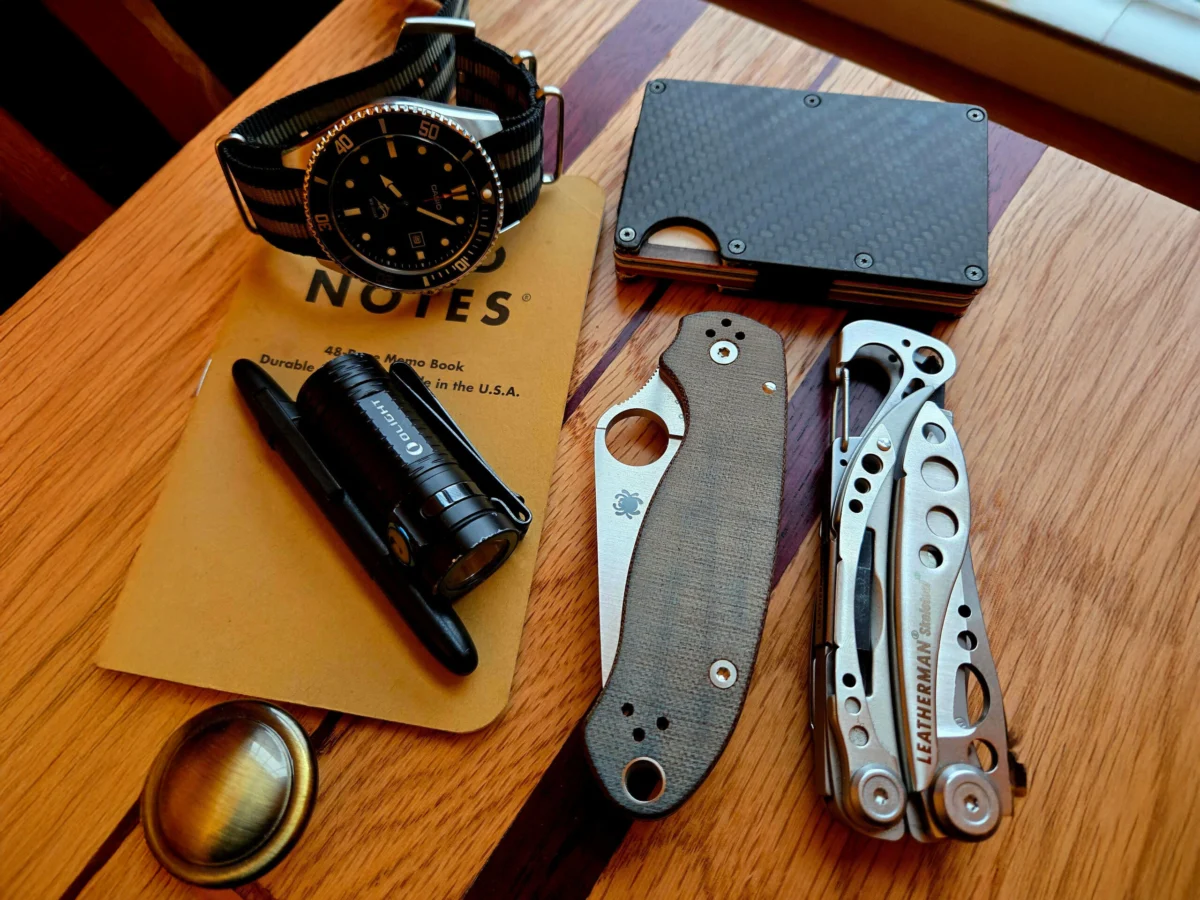
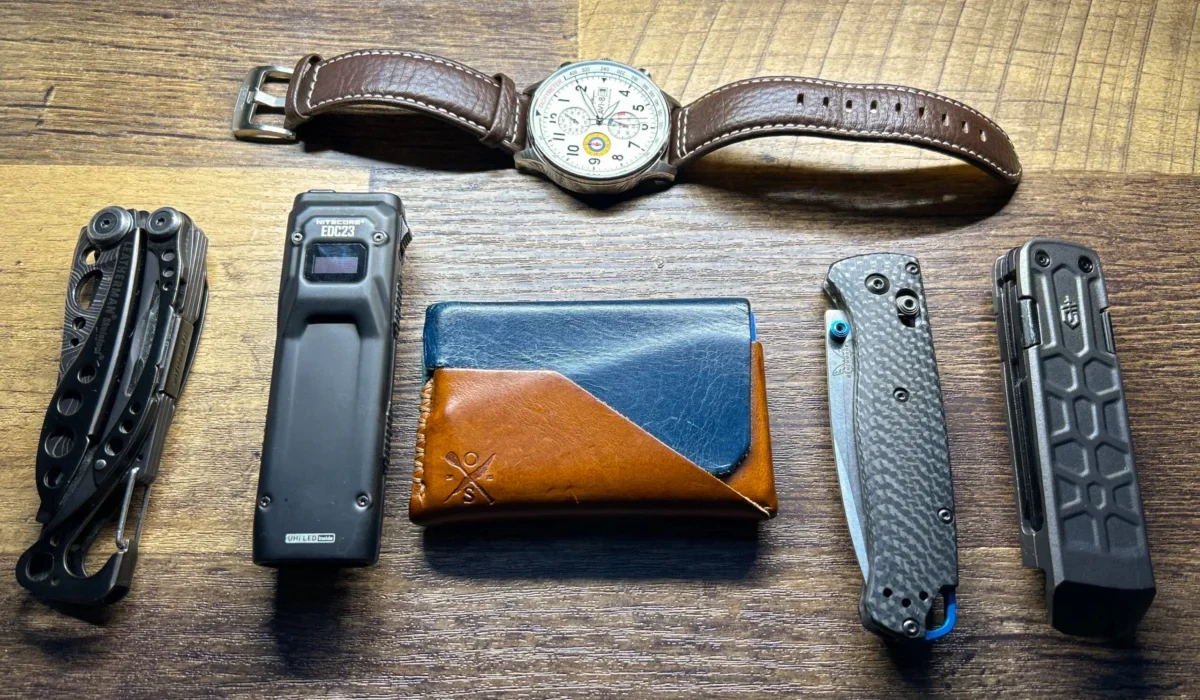
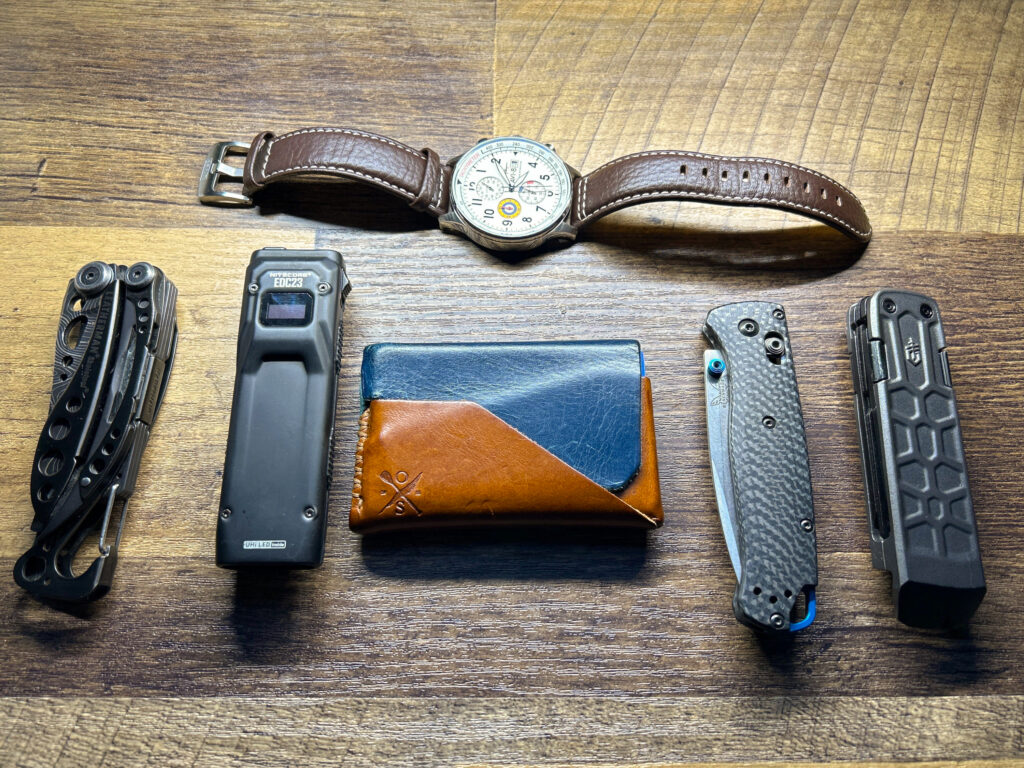
In this specific collection, the choice of the Benchmade Bugout with carbon fiber scales serves as a primary example. The Bugout series has gained significant market share by offering a full-sized blade experience at a weight profile—typically under two ounces—that makes it nearly imperceptible when clipped into a pocket. This design philosophy is mirrored by the selection of the Leatherman Skeletool, a multi-tool that strips away redundant implements in favor of the essential pliers, wire cutters, and knife blade. By identifying the exact tools required for the majority of tasks, the user effectively eliminates "dead weight," ensuring that essential equipment is always accessible rather than left behind due to bulkiness.

Technological Advancements in Portable Illumination
The inclusion of the Nitecore EDC23 in this kit underscores a technological leap in personal lighting. Historically, achieving 2,500 lumens of output required a flashlight with significant volume and heavy battery requirements. The EDC23 utilizes a flat, ultra-slim form factor that departs from the traditional cylindrical design, allowing for more ergonomic carry against the body.
Data from the portable lighting sector indicates that the move toward USB-C rechargeable, high-lumen flat lights has been driven by both civilian demand and professional integration. These devices are increasingly standardized with integrated battery management systems, allowing for rapid charging in vehicles or during shift downtime. For an EMT, this capability ensures that the light source remains reliable during extended shifts where traditional battery replacement would be impractical.
Integration of Organic Materials and Professional Reliability
While technical materials dominate the tool selection, the integration of OSL leather wallets and leather watch straps represents a broader trend of "aesthetic grounding." In high-stress fields, the presence of tactile, organic materials is often cited in psychological studies as a method of maintaining a connection to normalcy and comfort. Beyond the psychological benefit, leather provides a durable, aging-resistant material that stands up to the rigors of daily wear.
This synthesis of high-tech polymer tools and traditional leather accessories suggests a balanced approach to modern utility. It acknowledges that while the tools of the trade are evolving toward space-age materials, the interface between the human and the gear remains rooted in classic, reliable design principles.
Chronology of the Modern EDC Movement
The professionalization of EDC gear can be traced back to the early 2010s, though it reached a critical inflection point between 2020 and 2025.
- 2018-2020: The rise of boutique gear manufacturing focused on titanium and carbon fiber materials. Companies like Benchmade and Leatherman began optimizing their product lines for "low-profile" carrying.
- 2021-2023: The standardization of USB-C charging across all portable devices, including flashlights and multi-tools, simplified the logistical requirements for professionals carrying multiple electronic devices.
- 2024-2025: A focus on "minimalist versatility." The market saw a decline in the popularity of "tacticool" gear in favor of equipment that blends into professional or civilian environments without appearing overly aggressive.
This timeline illustrates a shift from hobbyist collecting toward professional utility. The modern EMT or first responder is no longer looking for the gear with the most features, but rather the gear that offers the most reliability per gram of weight.
Supporting Data and Industry Implications
Industry reports on the tactical and EDC gear market suggest a steady compound annual growth rate (CAGR) of approximately 6% through 2030. Much of this growth is attributed to the "prosumer" segment—individuals like the California-based EMT who require professional-grade equipment for their daily jobs but also utilize that same equipment for recreational activities like camping or home maintenance.
The implications for manufacturers are clear: products must be multi-functional. A flashlight can no longer be just a light; it must be slim, rechargeable, and capable of variable output. A knife can no longer be just a cutting tool; it must be lightweight, ergonomic, and aesthetically pleasing. This pressure for multi-functional excellence has forced legacy brands to innovate rapidly, leading to the current saturation of high-performance, compact tools.

Official Perspectives on Gear Readiness
While there are no universal standards for what an EMT should carry off-duty, many departments offer guidelines on personal safety equipment. Industry experts emphasize that the best tool is the one that is actually being carried. A heavy, industrial-grade flashlight left in a locker provides zero utility during an unexpected roadside incident. Conversely, a 2,500-lumen, slim-profile light that stays in the pocket is infinitely more valuable.
Professional organizations in the emergency medical field have noted that personal readiness correlates with a higher sense of situational awareness. By curating a kit that is lightweight and reliable, responders are more likely to maintain a state of preparedness that extends beyond their shift hours.
Broader Impact and Future Outlook
The trend toward minimalist, high-efficiency carry is not merely a passing phase but a reflection of a society that values speed, mobility, and multi-tasking. As urbanization continues and the space available for personal belongings remains at a premium, the demand for equipment that is smaller, lighter, and more powerful will only increase.
Furthermore, the rise of "organic contrast"—the mixing of leather, wood, and natural fabrics with carbon fiber and steel—suggests that the next generation of gear will place a greater emphasis on style and personal expression. The "EDC community" has matured from a niche group of enthusiasts into a significant market force, influencing how major manufacturers approach product design and material selection.
For the EMT in California and thousands of others like them, the current kit is a testament to the fact that preparedness does not require an abundance of hardware. Rather, it requires the intentional selection of tools that serve multiple purposes, perform under pressure, and remain comfortable enough to be carried every single day. As technology advances, we can expect the gear to become even lighter and more integrated, further blurring the line between professional equipment and everyday utility. The focus will remain on the core tenets of reliability, weight, and ease of use, ensuring that whether one is on a shift or at home, the right tool is always within reach.