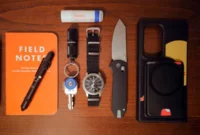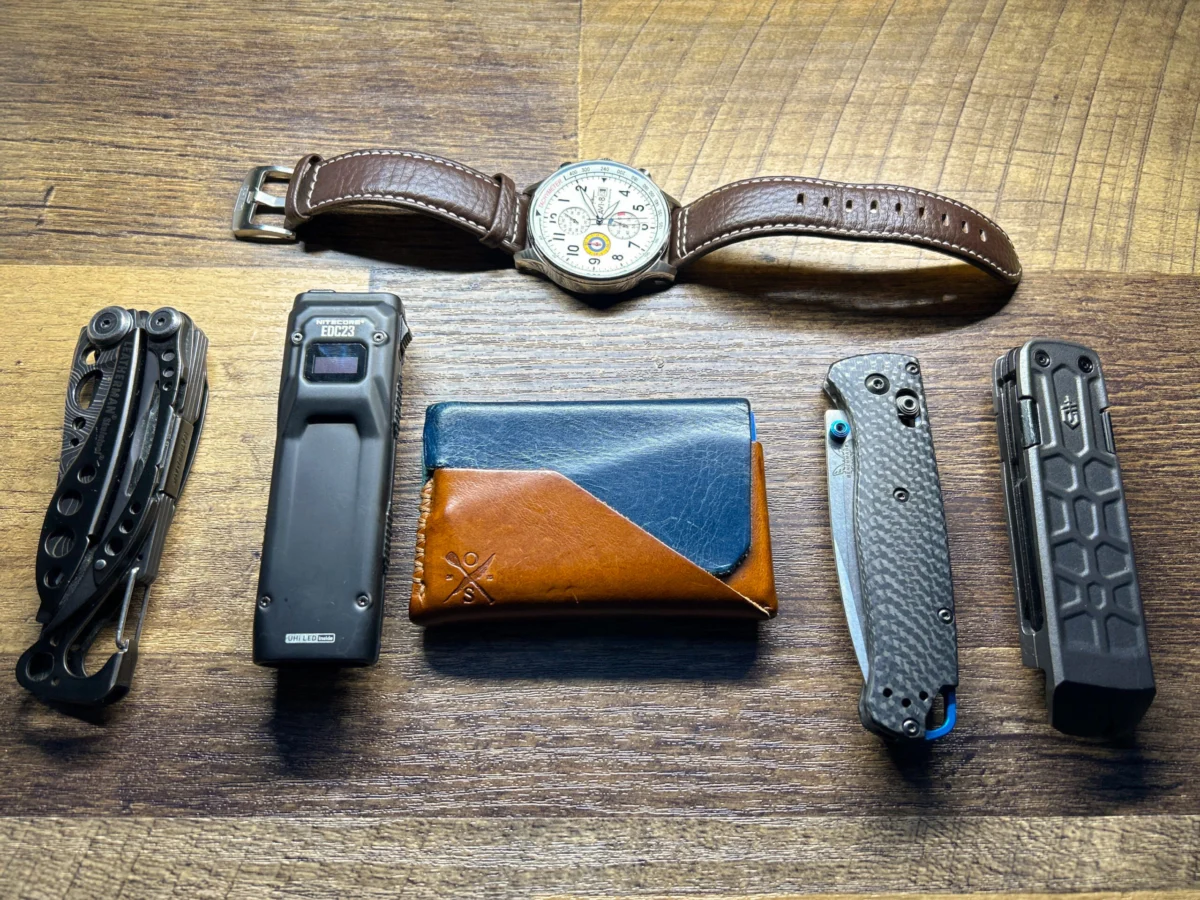
In the high-stakes environment of California’s emergency medical services, the tools an individual carries can often dictate the efficiency of a response or the ease of a transition between professional duty and personal life. For Mando, a professional Emergency Medical Technician (EMT) operating in the diverse landscapes of California, the philosophy of "Everyday Carry" (EDC) has evolved from a mere collection of gadgets into a curated system of high-performance utility. His current loadout—anchored by the Benchmade Bugout carbon fiber folder, the Leatherman Skeletool, and the Nitecore EDC23 flashlight—represents a broader trend in professional preparedness: the move toward ultra-lightweight, minimalist gear that refuses to compromise on full-scale capability.
The Evolution of the Professional Preparedness Mindset
The concept of Everyday Carry has transitioned from a niche hobby into a multi-billion-dollar global industry, fueled by a growing public interest in self-reliance and the professionalization of personal equipment. For first responders like Mando, gear selection is rarely about aesthetic appeal alone; it is a process of rigorous field-testing. As Mando notes, his current lineup was finalized only after "trying lots of gear," a sentiment shared by many in the EMS field who find that heavy, traditional "tactical" equipment can often be more of a hindrance than a help during a long shift.
In California, where EMTs face everything from urban trauma calls in dense metropolitan areas to medical emergencies in remote wilderness parks, the weight of one’s gear is a critical factor. The "ounce is a pound" philosophy, borrowed from long-distance backpacking, has become a staple for modern responders. By selecting tools that provide full-sized functionality within the smallest possible footprint, professionals can maintain agility and reduce physical fatigue over 12-to-24-hour shifts.

Technical Analysis of the Primary Components
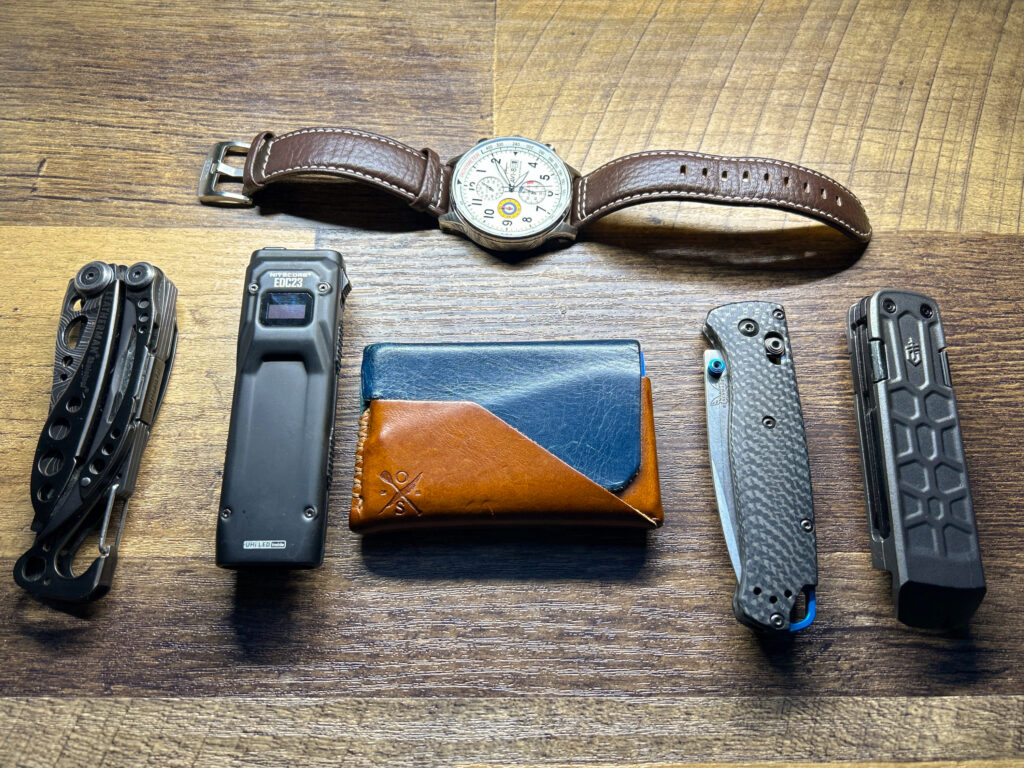
The centerpiece of Mando’s kit is the Benchmade Bugout in carbon fiber, a knife that has redefined the "ultralight" category of folding knives. Originally released by the Oregon-based manufacturer in 2017, the Bugout was designed for hikers and backpackers but quickly gained a following among professionals due to its slim profile. The carbon fiber version elevates the platform, offering a higher strength-to-weight ratio than standard polymer scales. For an EMT, a knife is a tool of last resort for cutting seatbelts, opening medical packaging, or performing quick repairs. The inclusion of the Bugout, a gift from his wife, highlights the intersection of sentimental value and high-end utility that often characterizes the gear of long-term professionals.
Complementing the knife is the Leatherman Skeletool, a multi-tool that stripped away the "everything-and-the-kitchen-sink" approach of earlier models in favor of the essentials: pliers, a bit driver, a knife, and a carabiner/bottle opener. In the context of an EMT’s duties, the Skeletool provides the mechanical leverage needed for minor equipment adjustments or fixing household items without the bulk of a standard 20-function tool. Its skeletonized design is a masterclass in industrial engineering, removing excess metal to achieve a weight of just five ounces.
The illumination component of the kit, the Nitecore EDC23, represents the cutting edge of portable lighting technology. While traditional tactical flashlights were cylindrical and bulky, the EDC23 utilizes a flat, "slim-shape" design that sits flush against the body. With a 2,500-lumen output, this device provides the intensity required for search-and-rescue operations or illuminating dark accident scenes, yet it remains USB-C rechargeable, aligning with modern electronic standards.
The Role of EMTs in the California Healthcare Infrastructure
To understand the necessity of Mando’s gear, one must look at the demanding nature of the EMS profession in California. According to data from the U.S. Bureau of Labor Statistics, California employs more EMTs and paramedics than any other state, with over 30,000 professionals currently in the workforce. These individuals are the first line of defense in a state prone to unique geographical challenges, including wildfires, seismic activity, and extreme heat.
The equipment carried by these professionals must withstand significant environmental stress. Carbon fiber and high-grade stainless steel are not just luxury choices; they are materials selected for their corrosion resistance and durability. In a state where an EMT might move from the humid coastal fog of the morning to the dry, abrasive dust of the Central Valley by afternoon, gear failure is not an option.
Chronology of Gear Optimization
Mando’s journey to his current "favorite" lineup follows a logical progression seen throughout the first responder community:
- The Entry Phase: Many new EMTs begin their careers with heavy, overbuilt gear, often influenced by "tactical" marketing. This usually involves oversized folding knives and heavy multi-tools carried in bulky belt pouches.
- The Friction Phase: After several months of field use, the weight and bulk of traditional gear often lead to discomfort. Professionals begin to notice which tools they actually use and which ones are simply taking up space.
- The Refinement Phase: This is where Mando currently stands. The focus shifts to high-performance materials like carbon fiber and compact designs. The goal is "pocket invisibility"—gear that is unnoticeable until the moment it is needed.
- Integration of Personal and Professional: The final stage is finding a kit that works across all life domains. Mando’s kit is designed for "fixing things around the house, camping trips, and calls on shift," suggesting a seamless integration of his professional skills and personal interests.
Broader Implications of Minimalist Utility
The shift toward minimalist, high-quality EDC gear has broader implications for the manufacturing and retail sectors. As professionals like Mando demand more from their tools, manufacturers are pushed to innovate. The Nitecore EDC23, for example, is the result of years of research into heat dissipation and battery density, allowing for a 2,500-lumen burst in a frame that would have been impossible a decade ago.
Furthermore, the "organic contrast" noted in Mando’s kit—specifically the OSL leather wallet and leather watch strap—points to a psychological aspect of gear ownership. In a profession dominated by sterile medical environments, stainless steel, and synthetic materials, the inclusion of leather provides a tactile, "human" element. This balance between the high-tech (carbon fiber, LEDs) and the traditional (leather) is a common theme among individuals who view their EDC as an extension of their identity.

Industry Response and Economic Data
The market for high-end EDC gear has seen consistent growth. Market research indicates that the global pocket knife market alone is expected to reach nearly $1 billion by 2030, with a significant portion of that growth driven by the "premium" segment—knives costing $150 or more, such as the Benchmade Bugout. Similarly, the flashlight industry has seen a pivot toward "high-lumen-per-ounce" metrics, as consumers increasingly prioritize portability.
Retailers have responded by creating specialized "pro-sumer" categories, targeting individuals who require professional-grade reliability but prefer the aesthetics of everyday consumer goods. Mando’s selection of the EDC23, the smallest in its family, is a testament to this market shift. It provides "full-sized" power in a form factor that fits into a standard pocket without printing or causing discomfort.
Conclusion: The Prepared Professional
Mando’s everyday carry is more than a collection of items; it is a reflection of a career built on readiness and efficiency. By choosing tools like the Benchmade Bugout and the Leatherman Skeletool, he ensures that he is prepared for the rigors of California’s emergency medical landscape while maintaining the flexibility to enjoy his personal time in the outdoors.
For the modern EMT, the burden of the job is heavy enough; the burden of the gear should not be. Through the careful selection of lightweight, high-strength materials and multi-functional designs, Mando has achieved a balance that many in the professional world strive for: a kit that is as reliable on a 3:00 AM emergency call as it is on a weekend camping trip under the California redwoods. This synergy of utility, durability, and sentimentality defines the pinnacle of modern professional preparedness.