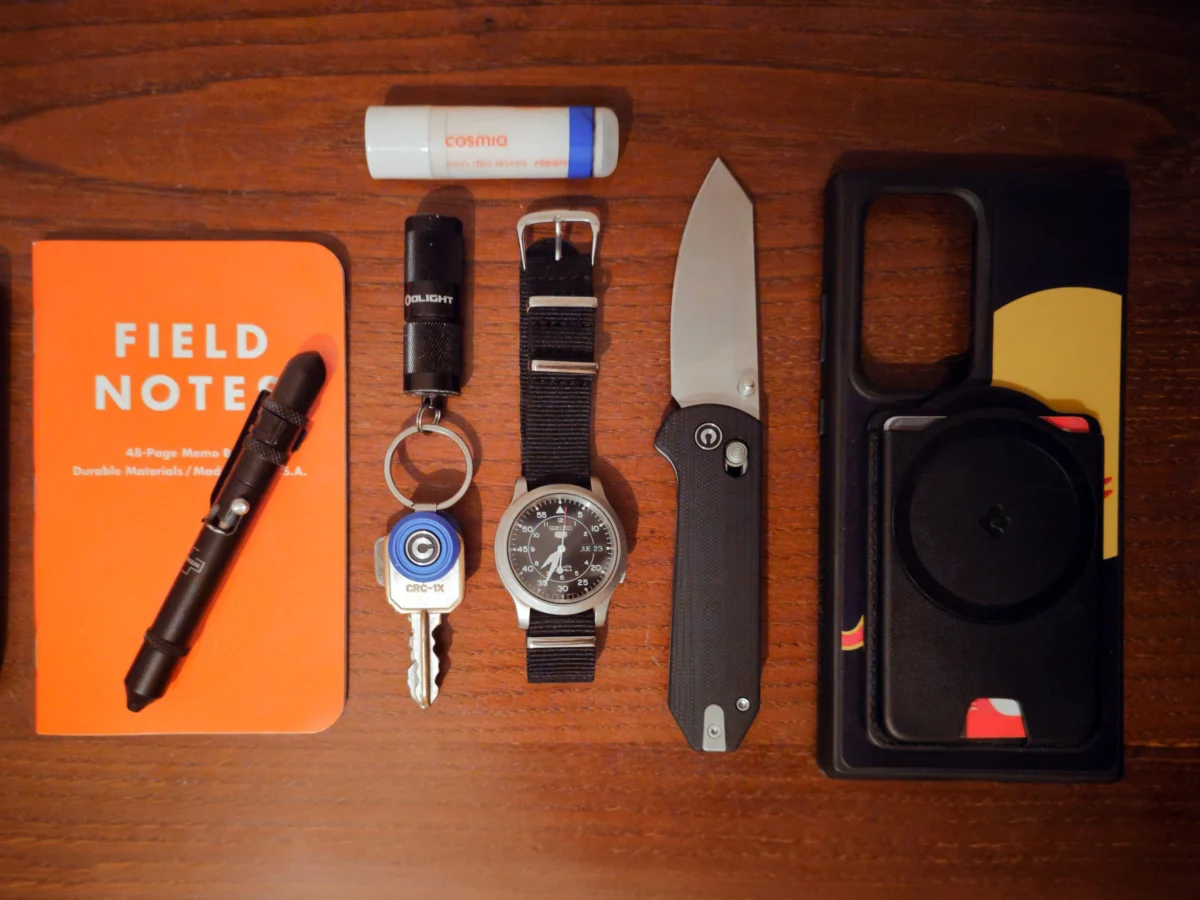
The intersection of high-stakes aeronautical engineering and personal preparedness has long been a focal point for professionals who operate within environments where precision is not merely a preference but a safety requirement. Ruben Caeiro, an Aeronautical Automation Operator based in Portugal, recently provided an in-depth look into his specialized everyday carry (EDC) configuration, illustrating a sophisticated balance between technical utility and minimalist design. In a field defined by complex systems and rigorous operational standards, the tools carried by an operator serve as an extension of their professional capabilities, facilitating both routine maintenance and rapid response to unforeseen technical challenges.
The Professional Landscape of Aeronautical Automation
To understand the selection of gear in Caeiro’s kit, one must first consider the demands of an Aeronautical Automation Operator. These professionals are responsible for the oversight, maintenance, and optimization of automated systems within the aviation sector—ranging from ground-based air traffic control infrastructure to the sophisticated avionics systems found within modern aircraft. The role requires a high degree of mobility, technical literacy, and the ability to troubleshoot hardware and software failures in real-time.
In the Portuguese aviation sector, which has seen significant modernization in its infrastructure over the last decade, the reliance on automated processes has increased the need for "on-person" tools that can handle physical tasks without adding unnecessary bulk. Caeiro’s kit reflects this "light and fast" philosophy, prioritizing high-value items that offer maximum functionality per gram of weight.
The Core Component: The CIVIVI Yonder
The centerpiece of Caeiro’s current rotation is the CIVIVI Yonder, a folding pocket knife that has rapidly gained acclaim within the global EDC community. Designed by Zac Whitmore, a prominent figure in the industry and a Blade HQ alumnus, the Yonder represents a shift in the market toward "budget premium" tools. The significance of this specific choice is underscored by its industry recognition; the CIVIVI Yonder was awarded the "Best Buy of the Year" at Blade Show 2024 in Atlanta, Georgia. This event is widely considered the most prestigious gathering in the cutlery world, where industry experts evaluate tools based on ergonomics, materials, and value-to-cost ratios.
The Yonder features a crossbar-lock mechanism, which provides an ambidextrous and secure deployment system—a critical feature for professionals who may need to operate a tool with either hand while navigating tight technical spaces. The inclusion of this knife in an aeronautical operator’s kit highlights a preference for tools that are "no-nonsense" yet mechanically sophisticated. For Caeiro, the Yonder serves as a primary utility tool, capable of handling everything from opening equipment packaging to stripping wires in emergency scenarios.
Strategic Minimalism: Consolidation and Efficiency
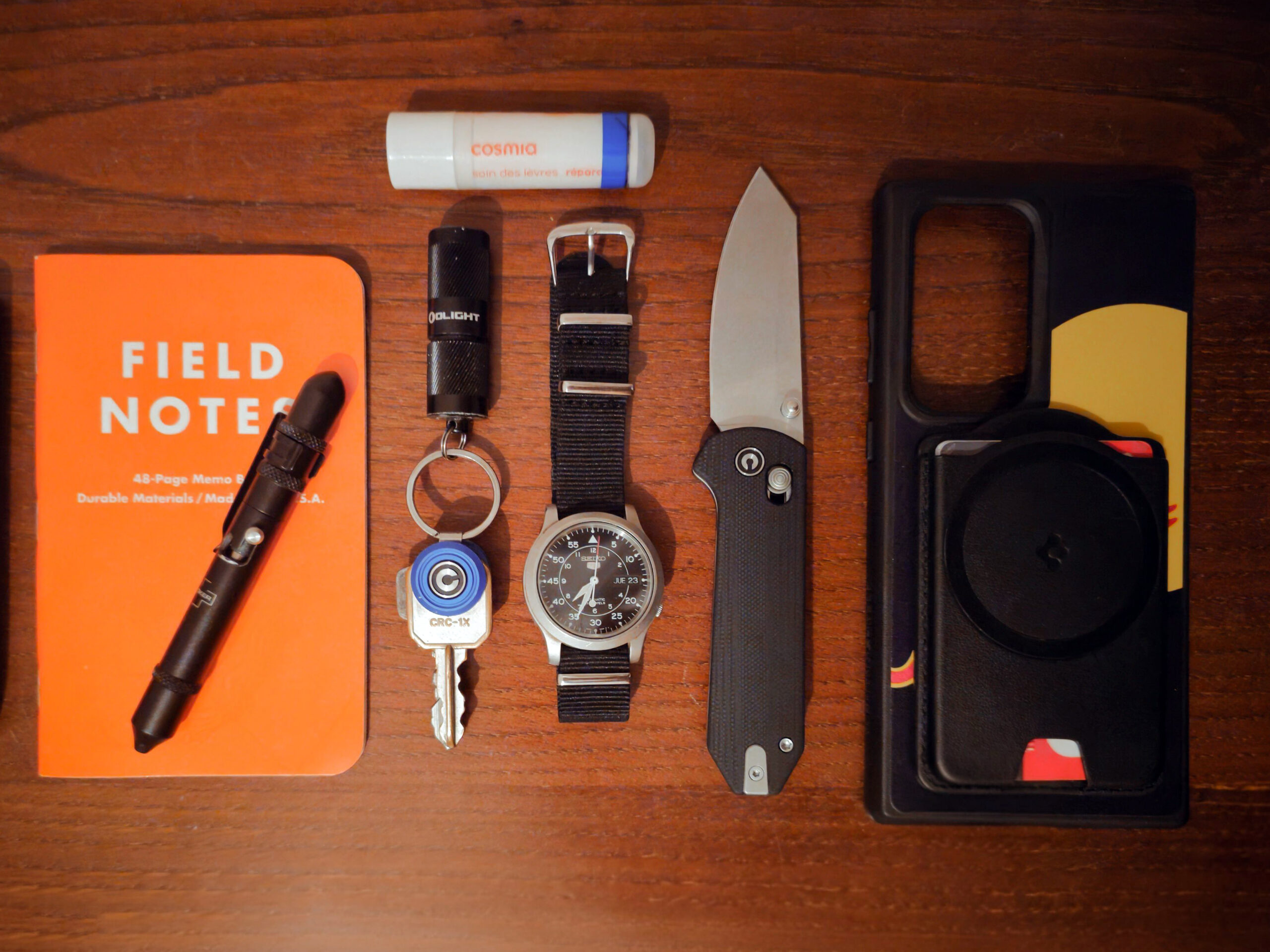
A notable aspect of Caeiro’s EDC is the heavy emphasis on consolidation. In modern professional environments, "pocket clutter" is viewed as a liability that can impede movement or lead to the loss of essential items. Caeiro addresses this through three specific choices:
- Magnetic Wallet Integration: By utilizing a magnetic wallet that adheres directly to his smartphone, Caeiro eliminates the need for a traditional bi-fold or tri-fold wallet. This consolidation ensures that financial credentials and identification are always tethered to the primary communication device, reducing the number of independent items to track.
- Compact Key Organization: The use of an ultra-compact key organizer prevents "key jingle"—a common annoyance that can also be a safety hazard if keys snag on equipment. This streamlined approach aligns with the "FOD" (Foreign Object Debris) prevention protocols common in aviation hangars and technical bays.
- Miniature Writing and Illumination: The kit includes a mini bolt-action pen and a keychain-sized flashlight. The bolt-action mechanism is particularly favored in technical fields because it lacks a removable cap that could be lost and utilizes a mechanical engagement that is less likely to accidentally deploy in a pocket compared to a click-pen.
The Role of Analog Documentation in a Digital World
Despite being an automation operator, Caeiro has recently integrated Field Notes into his daily carry. This reflects a broader trend among engineers and technicians who find that physical note-taking remains superior for rapid diagramming and "brain dumps" during complex troubleshooting. Field Notes, a brand inspired by the agricultural memo books of the mid-20th century, has become a staple in technical EDC due to its durability and standardized sizing. For an operator in Portugal, where technical documentation may involve cross-referencing multiple European aviation standards, having a dedicated space for manual calculations and quick reminders is an essential redundancy to digital devices.
Comparative Analysis: On-Duty vs. Off-Duty Transitions
Caeiro’s gear selection is not static; it evolves based on the environment. He notes that when not on the job, he frequently swaps his primary tools for items that lean more toward "gentleman’s carry" or aesthetic refinement. This transition includes the Kizer Feist, a front-flipper knife designed by Justin Lundquist. The Feist is known for its sleek, cigar-like profile and sophisticated deployment, making it less "tactical" in appearance while maintaining high performance.
Complementing the off-duty knife is the Casio Edifice, specifically a model featuring a "Tiffany" blue dial. The Edifice line is Casio’s premium analog branch, designed to bridge the gap between rugged functionality and professional dress. The "Tiffany" dial—a vibrant turquoise—has become a significant trend in the horological world following the success of high-end releases from brands like Patek Philippe and Rolex. By choosing a Casio Edifice with this aesthetic, Caeiro maintains a high-value, high-durability timekeeping standard while acknowledging contemporary design trends.
Data and Market Trends in Professional EDC
The global Everyday Carry market is projected to grow significantly over the next five years, with a Compound Annual Growth Rate (CAGR) estimated at approximately 4.5%. This growth is driven by a shift in consumer behavior toward "utilitarian preparedness." Professionals like Caeiro represent the vanguard of this movement, where the selection of gear is influenced by:
- Material Science: The shift from basic stainless steels to high-performance alloys like D2, S35VN, and MagnaCut (often found in the brands Caeiro favors, such as CIVIVI and Kizer).
- Ergonomic Efficiency: The demand for tools that can be operated with one hand or while wearing gloves.
- Multi-Functionality: The rise of "compact-capability," where smaller tools are engineered to perform the tasks of their full-sized predecessors.
In the context of Portugal’s economy, the availability of high-quality EDC gear has expanded through specialized retailers and global e-commerce, allowing professionals in the European Union to access tools that were previously only available in the North American market.
Technical Implications and Official Standards
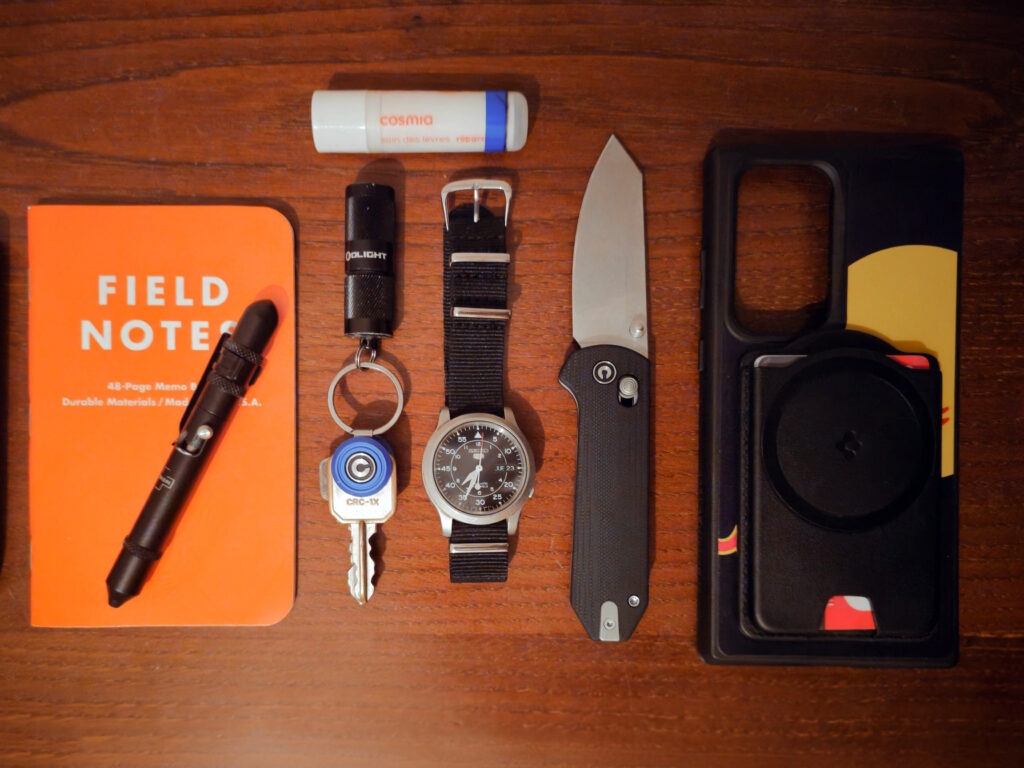
While EDC is often viewed as a personal hobby, for those in the aeronautical sector, it touches upon official safety standards. The European Union Aviation Safety Agency (EASA) maintains strict guidelines regarding the types of tools permitted within certain "clean zones" of an airport or maintenance facility. Caeiro’s choice of a non-threatening, medium-sized folding knife and standardized technical pens suggests a high level of compliance with such professional environments.
Furthermore, the "bolt-action" pen mentioned in the carry is more than a stylistic choice. In pressurized environments or areas with fluctuating temperatures—common in aviation—pressurized ink cartridges (like those often found in EDC pens) ensure that the tool will write at any angle and in extreme conditions, where a standard ballpoint might fail.
Broader Impact and Industry Reception
The sharing of EDC setups among professionals in specialized fields like aeronautical automation serves a dual purpose. First, it acts as a peer-reviewed recommendation system; when an operator confirms that a tool like the CIVIVI Yonder can withstand the rigors of a technical workspace, it validates the manufacturer’s claims. Second, it fosters a culture of preparedness that is essential in high-reliability organizations (HROs).
Industry experts note that the "minimalist-value" vibe identified in Caeiro’s kit is the current gold standard for modern professionals. It moves away from the "over-tactical" look of the early 2010s toward a more integrated, professional aesthetic that does not look out of place in a corporate office or a technical laboratory.
Summary of the Carry Evolution
Ruben Caeiro’s setup provides a blueprint for the modern technician. The chronology of his kit—moving from basic essentials to award-winning tools like the Yonder and the integration of analog notebooks—shows a maturation of gear selection. By balancing the "on-the-job" requirements of an automation operator with the "on-the-go" needs of a modern citizen, Caeiro demonstrates that the most effective tools are those that are small enough to be carried always, yet robust enough to be used when everything is on the line.
As the EDC community continues to grow, the influence of professionals in high-tech sectors will likely continue to drive innovation in tool design, focusing on the same principles Caeiro has highlighted: minimalism, high value, and unwavering reliability.