Garmin has officially introduced the Fenix 9 series, bringing anticipated hardware refinements, software enhancements, and a notable shift in the company’s approach to product iteration and long-term ecosystem support. Building on the architecture of previous generations, the Fenix 9 lineup delivers expanded satellite and LTE connectivity across solar and smaller-form-factor models, elevates display specifications, and introduces a robust suite of sport-specific features that address past consumer feedback.

Market Context and Strategy Evolution
The release of the Fenix 9 follows the trajectory established by the Fenix 8 and Fenix 8 Pro. While prior iterations leaned heavily into physical hardware milestones—such as integrated speakers, microphones, and scuba capabilities on the Fenix 8, and satellite/LTE configurations on the Fenix 8 Pro—neither launch introduced substantial new sport analytics features out of the box. The Fenix 9, by contrast, strikes a more balanced approach by coupling hardware upgrades with deeply integrated training functions.
Furthermore, Garmin has altered its traditional software deployment model. In a departure from historical practices where new software features remained exclusive to the latest hardware generation, Garmin has announced that core software updates introduced with the Fenix 9 will eventually be rolled out to existing Fenix 8 series watches. This strategic pivot mirrors the update philosophy of competitors in the smart wearable market, aiming to enhance product longevity and customer satisfaction.
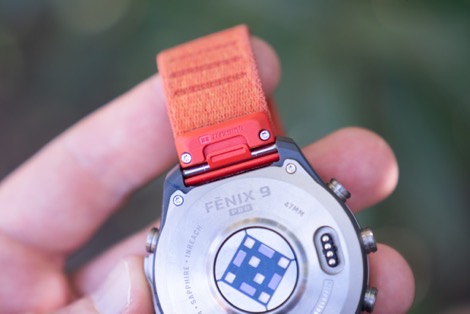
Hardware Upgrades and Design Options
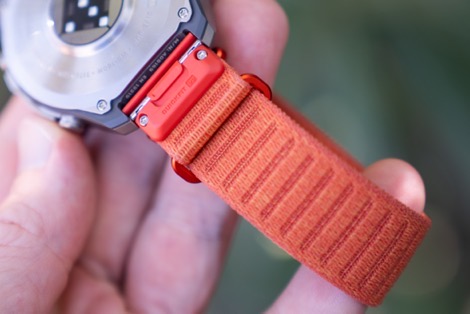
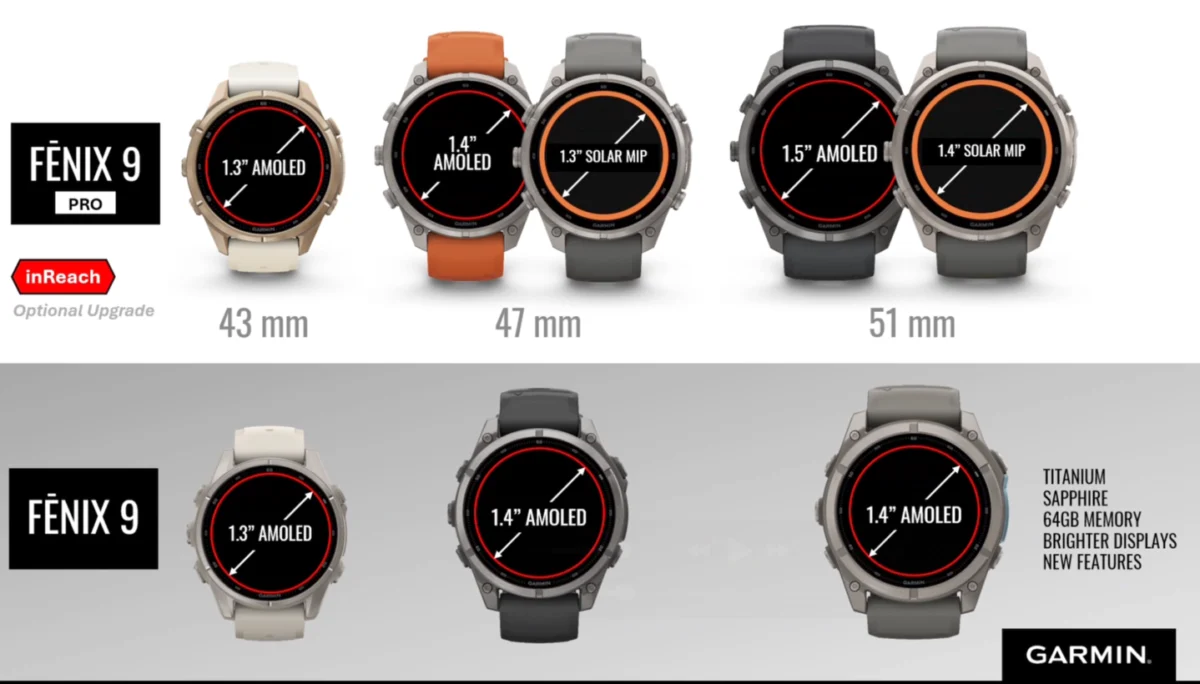
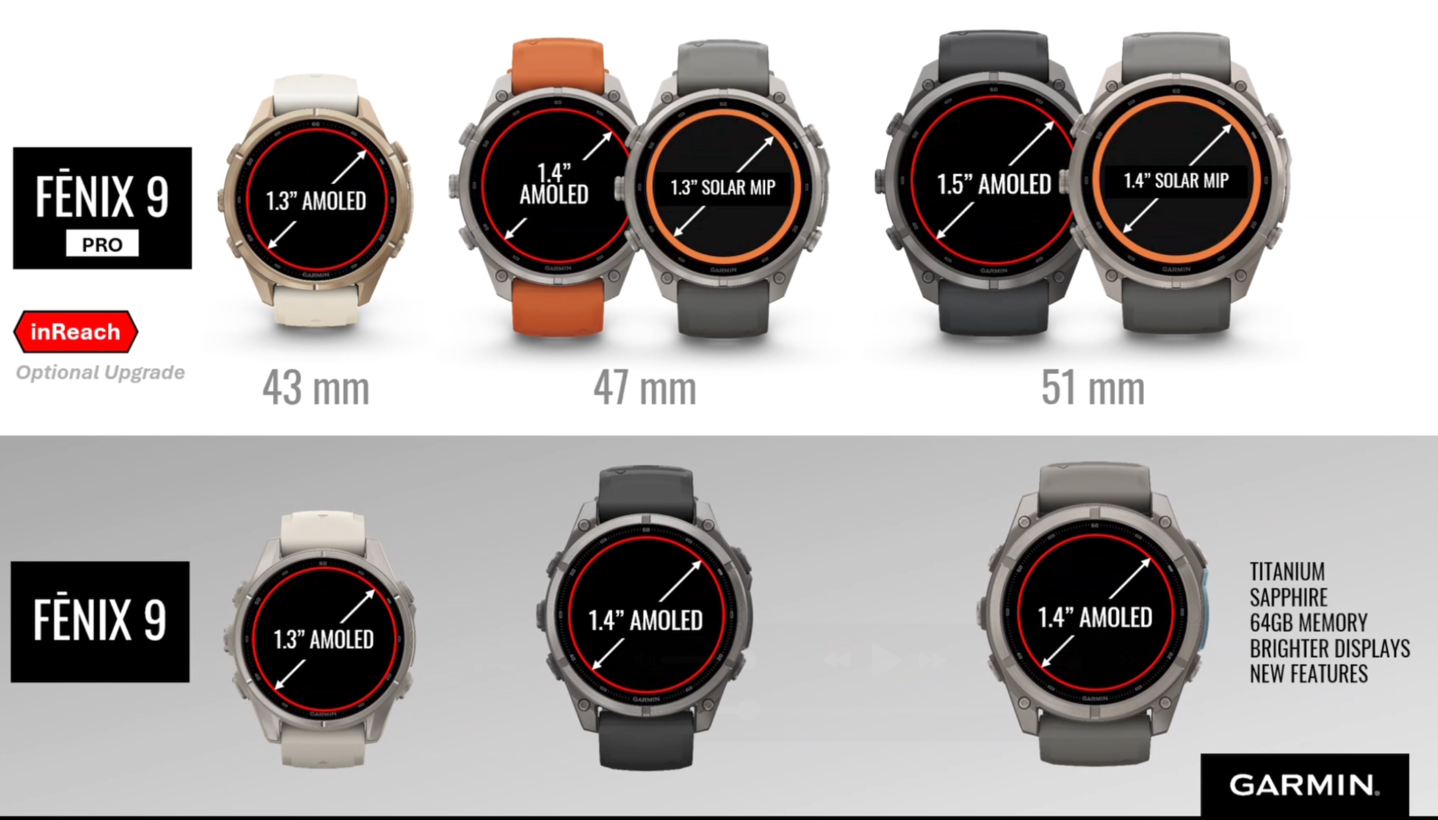
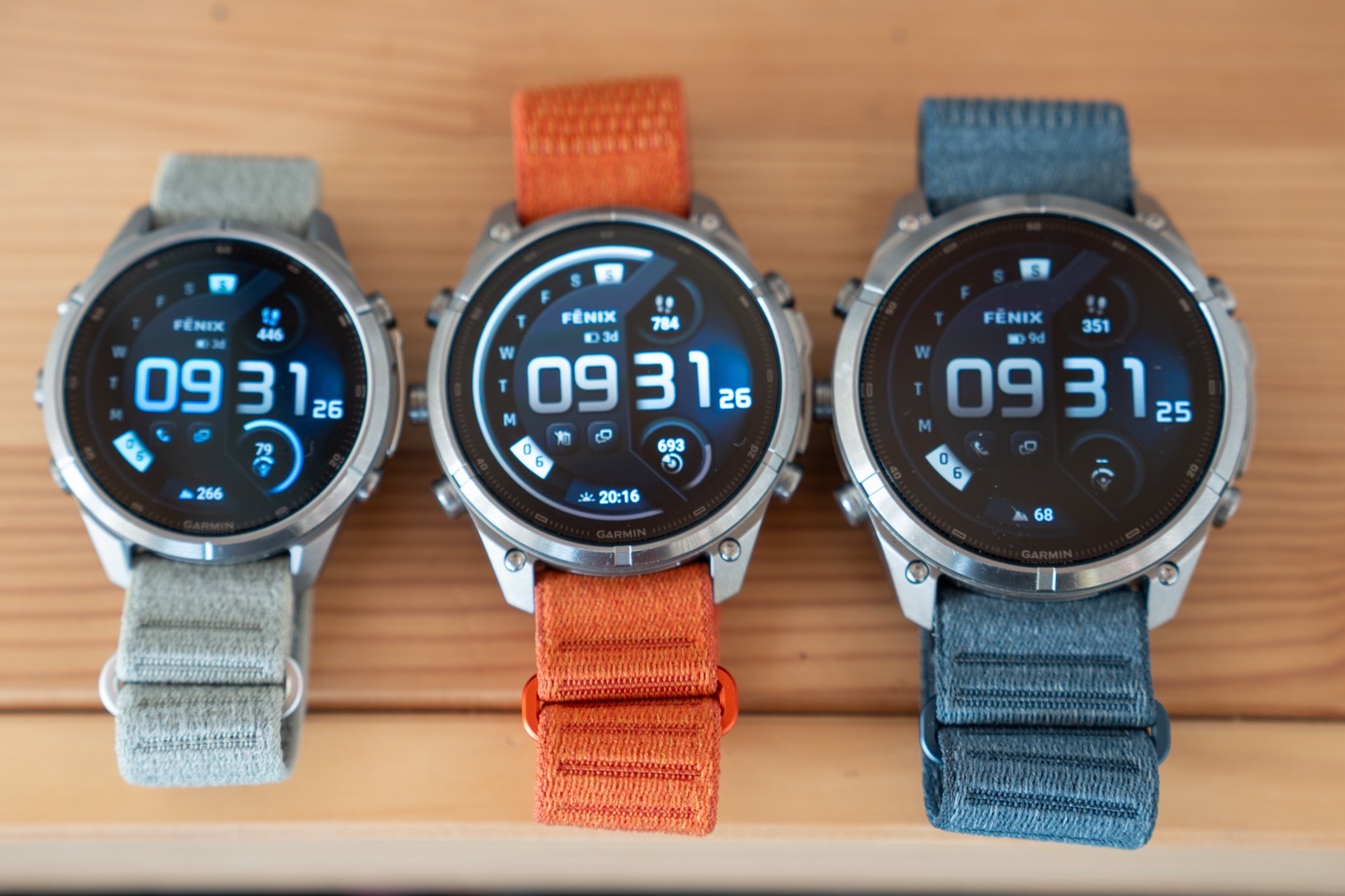
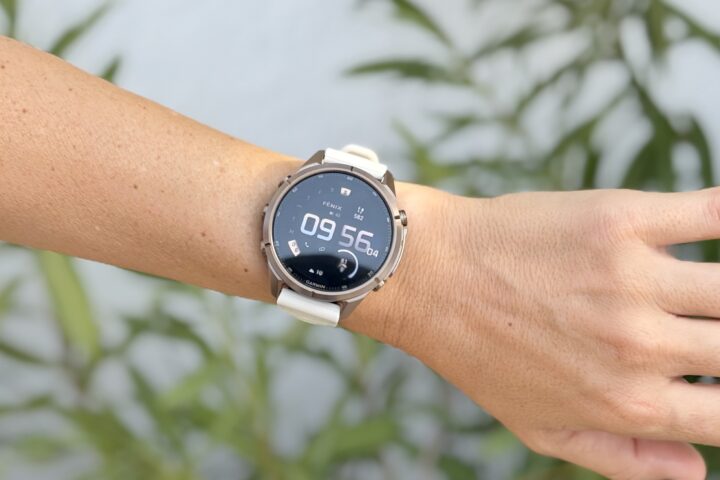
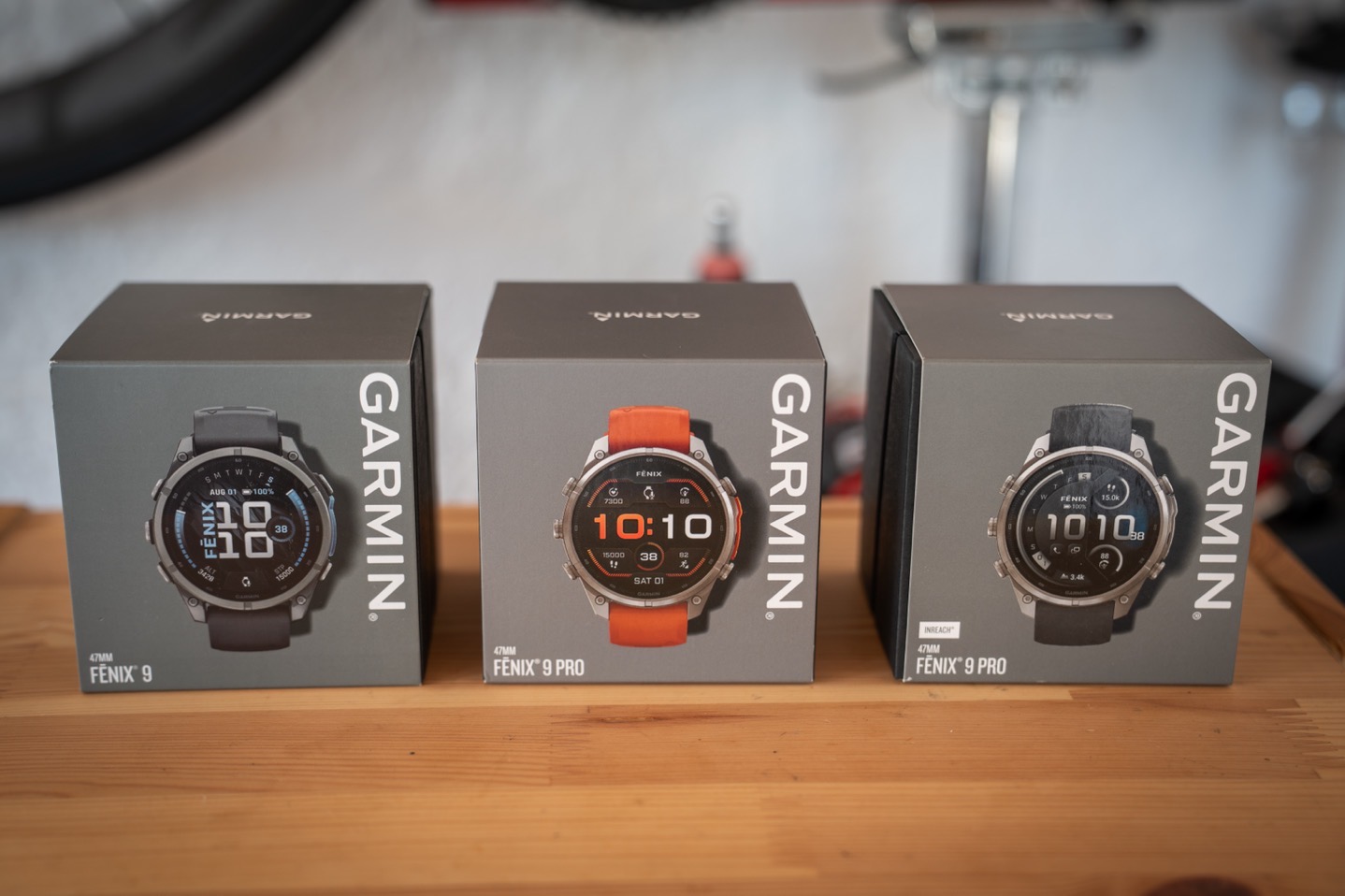
The Fenix 9 series is structured around three primary user choices: display technology (AMOLED versus Memory-in-Pixel Solar), case size (43mm, 47mm, and 51mm), and feature tier (Base, Pro, and Pro inReach).
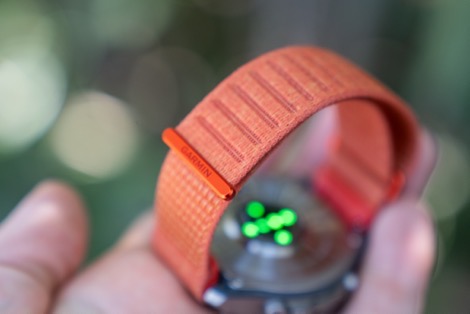
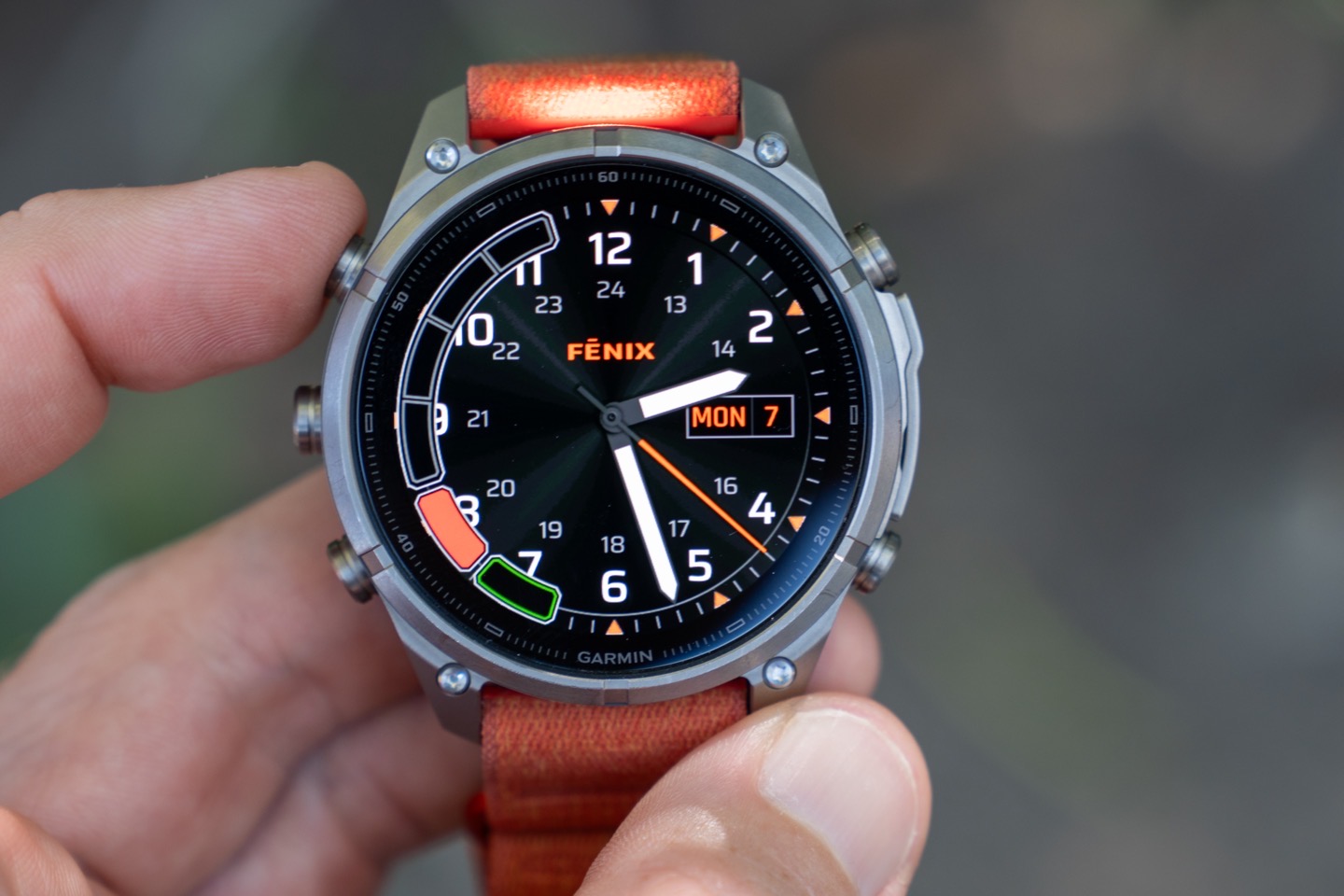
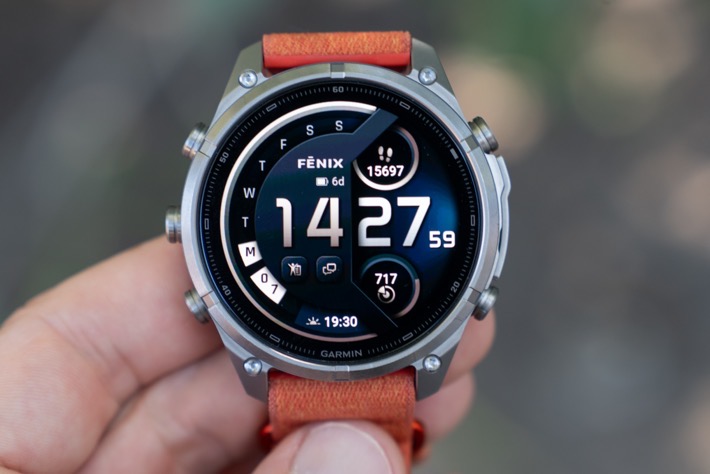
Display technology remains a central differentiator. The Pro models feature a high-brightness AMOLED display capable of reaching 3,000 nits, while the base models offer a 2,000-nit AMOLED screen. For users prioritizing battery efficiency in outdoor environments, the MIP-based Solar configurations provide roughly double the real-world battery life compared to their AMOLED counterparts, though MIP non-solar options have been phased out of the lineup.
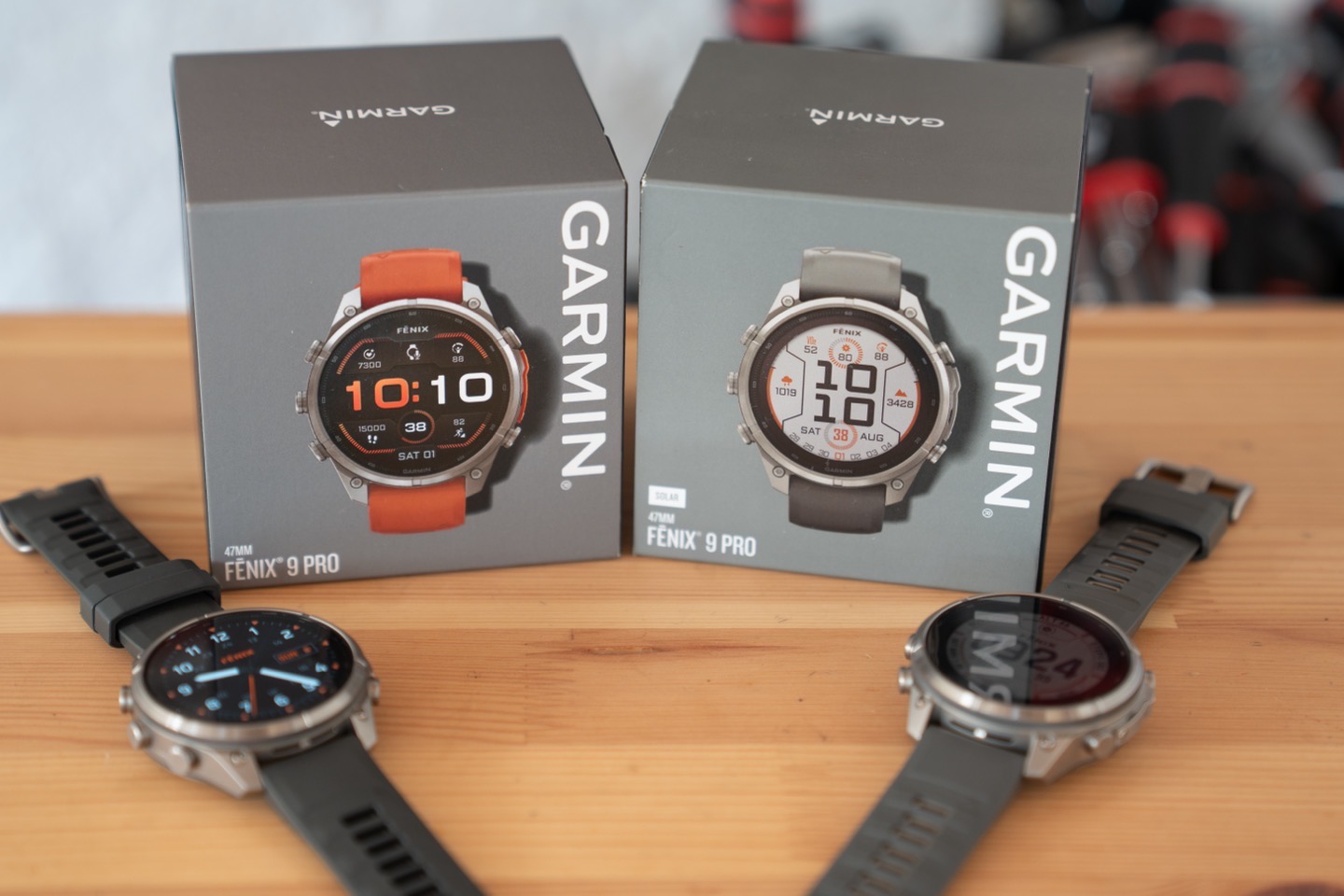
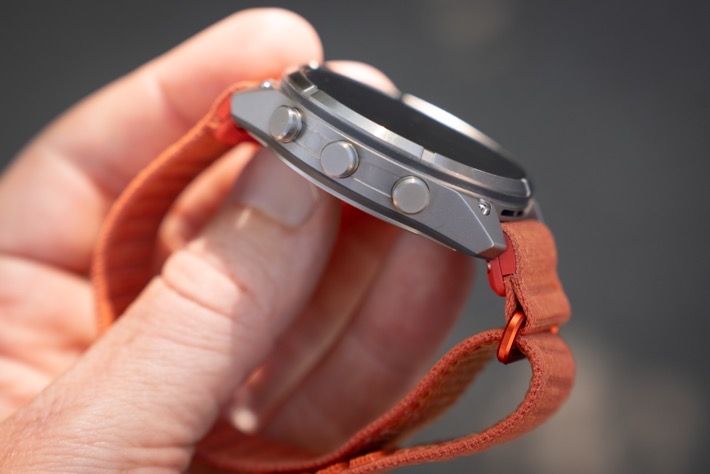
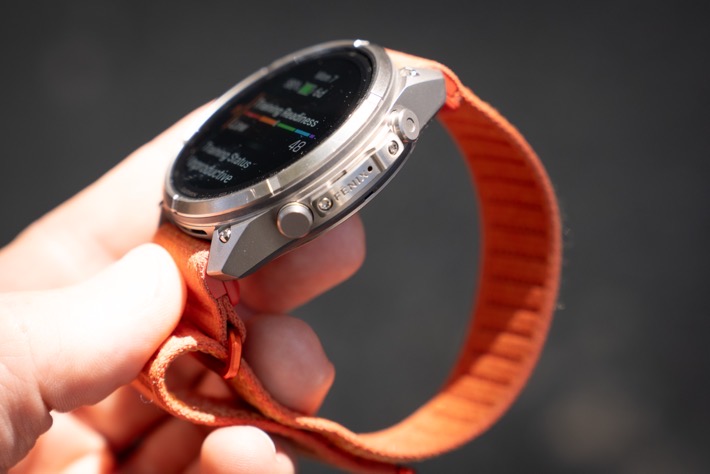
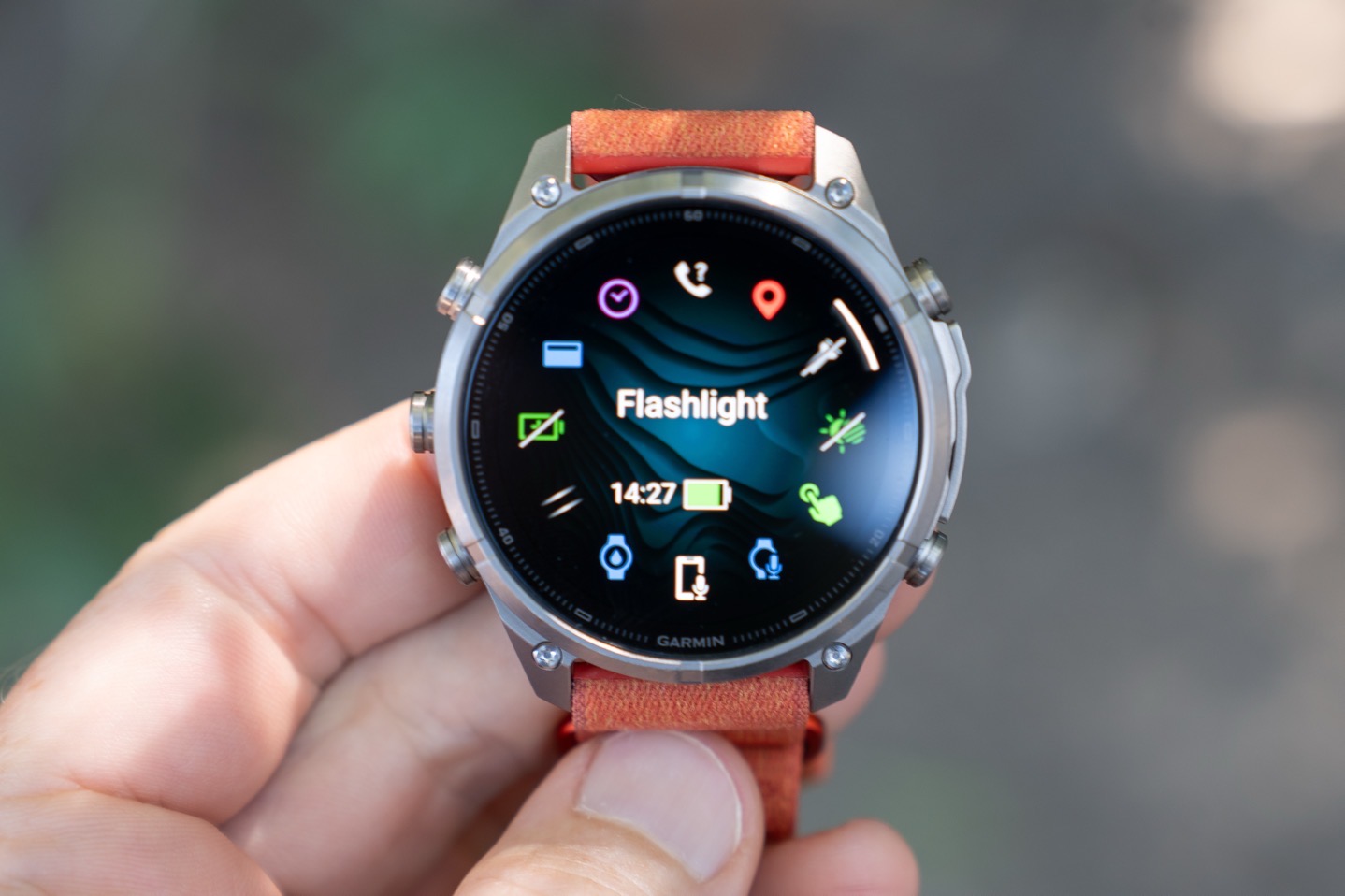
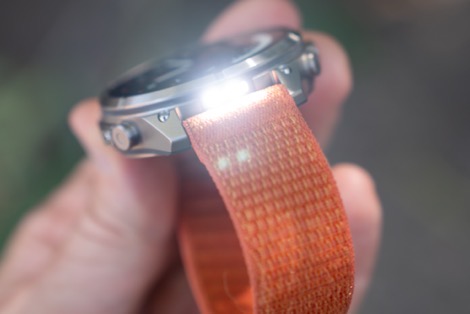
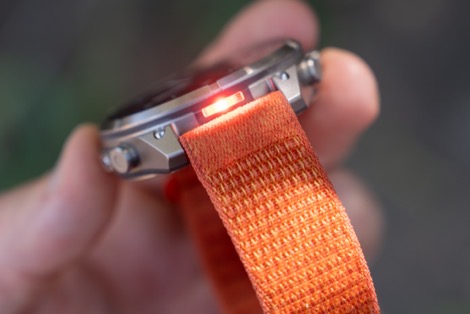
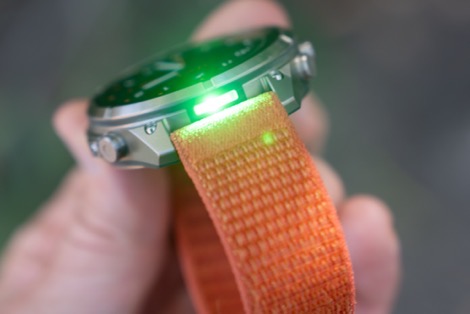
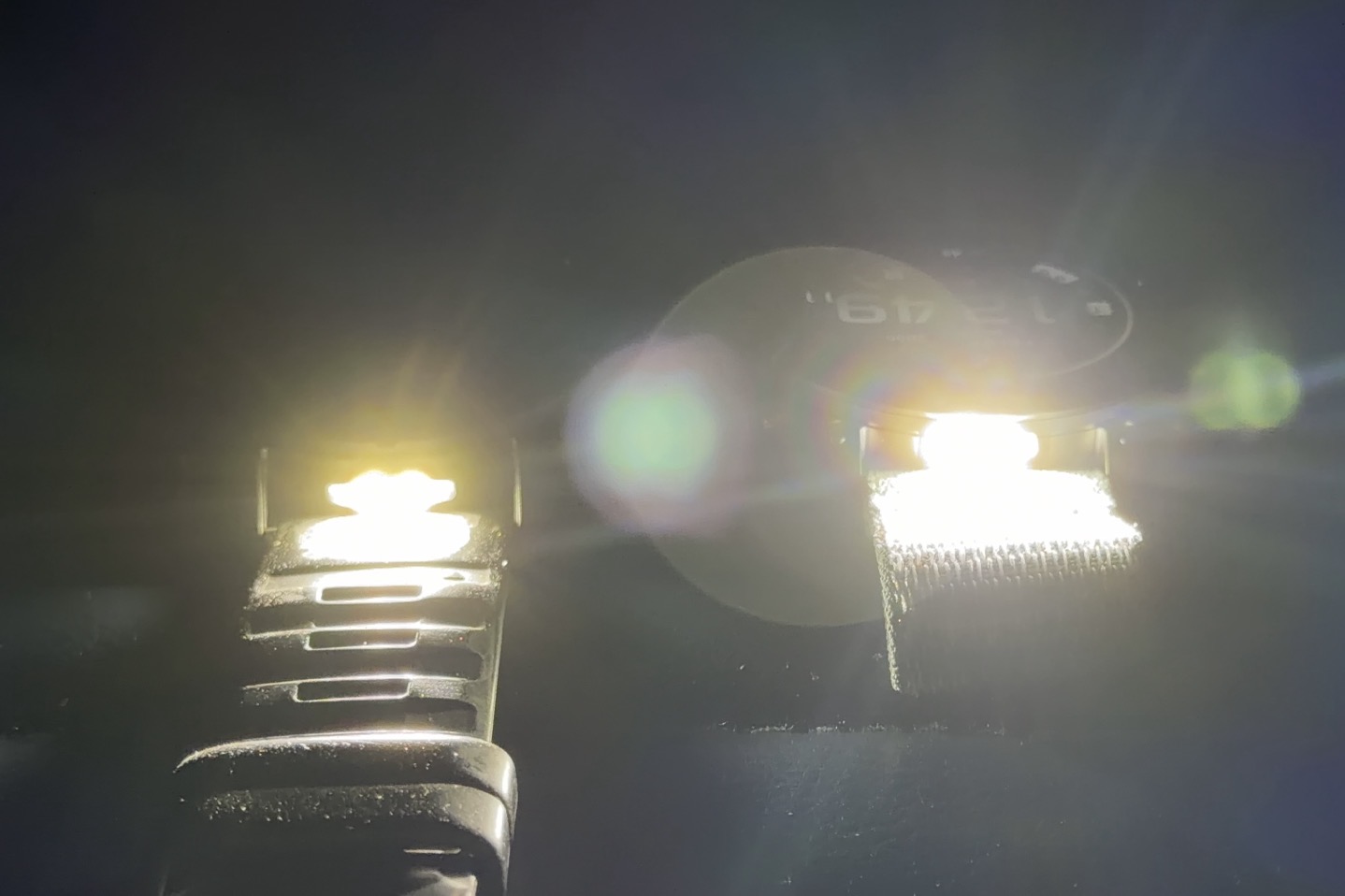
Pro-tier models establish titanium cases and sapphire glass as standard features, alongside an upgrade to 64GB of internal storage. Additionally, the Pro flashlight module has been updated to include a green LED alongside the traditional white and red lighting configurations, offering tactical and low-light utility.
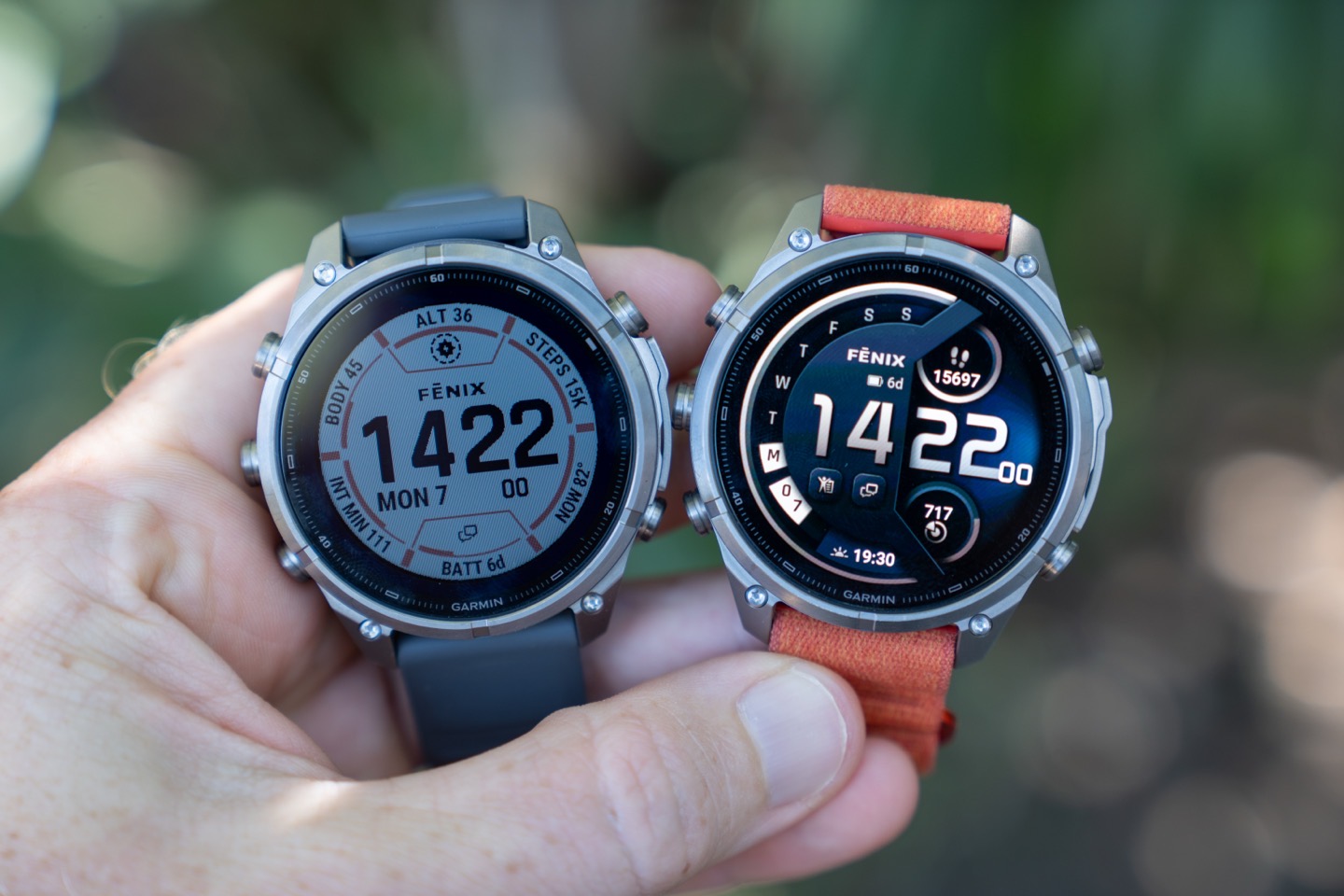
Pricing across the lineup remains consistent with the preceding Fenix 8 Pro tier, with base models starting at $999, Pro variants beginning at $1099, and Pro inReach models starting at $1,199.
Advanced Sport Profiles: Rowing, Rucking, and SkiErg
The Fenix 9 introduces significant expansions to Garmin’s physiological and activity tracking capabilities, particularly for indoor training and tactical fitness regimens.
Indoor Rowing and SkiErg Integration
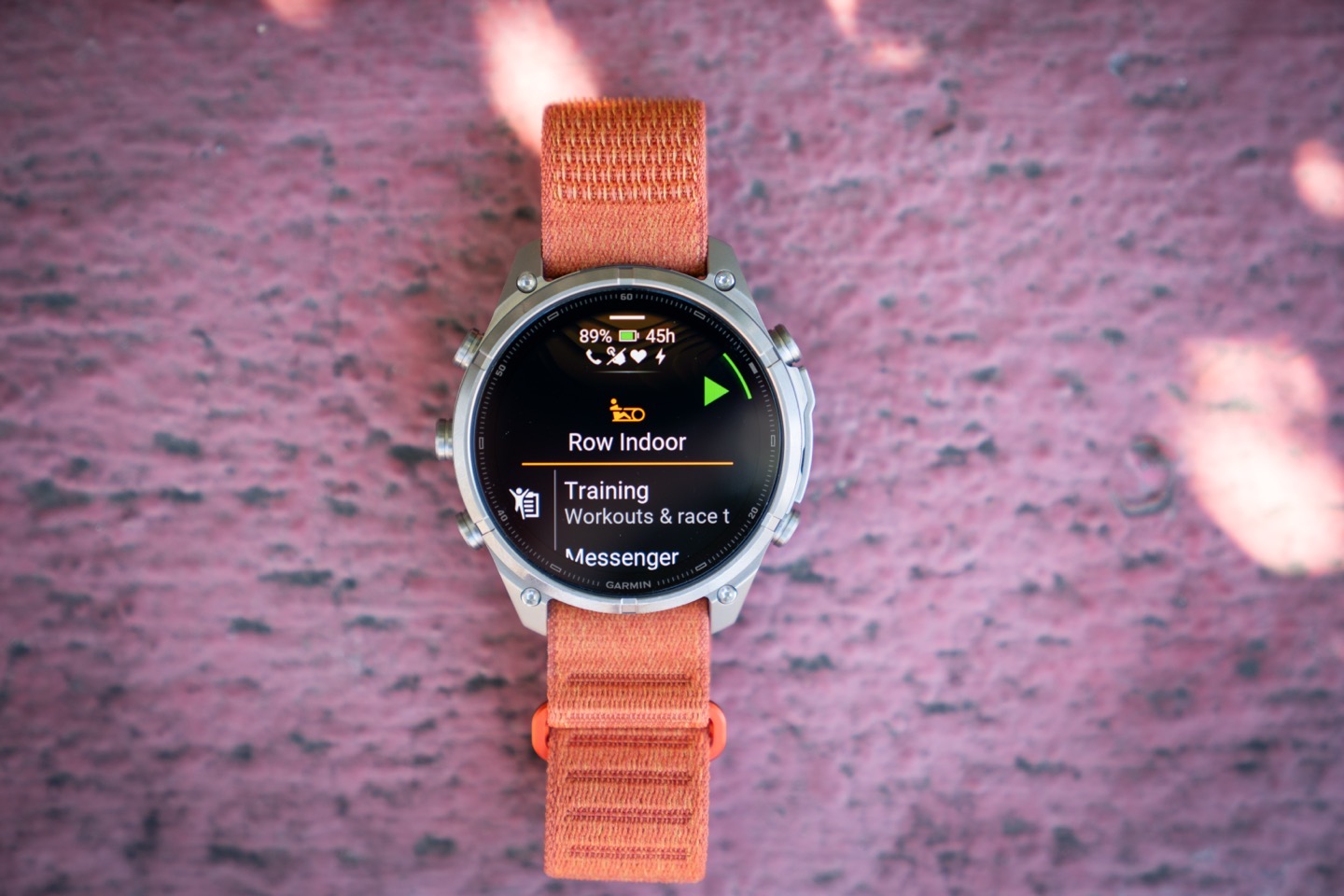
The updated indoor rowing profile now supports advanced metrics previously reserved for outdoor cycling and running. By pairing the watch with ANT+ FE-C compatible equipment—such as the Concept2 PM5 monitor—users can access real-time power, stroke rate, and distance metrics. Furthermore, the device automatically calculates functional threshold power (FTP) estimates, VO2Max values, lactate threshold, and performance condition metrics, all of which directly feed into Garmin’s Training Status ecosystem. A parallel update introduces the "XC Ski Indoor" profile, bringing similar power and performance metrics to SkiErg users.
Rucking Analytics
Capitalizing on the rising popularity of rucking, Garmin has introduced a dedicated Rucking sport profile. The system incorporates revamped algorithms to isolate and calculate the specific caloric expenditure attributed to carrying pack weight versus body weight alone. Users can adjust pack weight mid-activity, utilize an on-device rucking target calculator to project distance and time parameters based on specific goals, and review specialized post-activity summaries detailing average pack weight, elevation, and pace.
Navigation, Mapping, and Processing Performance
Mapping performance on the Fenix 9 has been optimized for faster route calculations and smoother zooming capabilities. The introduction of a new "Perspective View" offers a tilted map orientation to enhance spatial awareness during navigation.
Performance benchmarks indicate substantial improvements in on-device routing speeds compared to previous generations. While routine operations—such as loading pre-existing pre-calculated routes—remain swift across devices, complex on-device route calculations over long distances demonstrate processing speeds several times faster than the Fenix 8 Pro, minimizing calculation latency for remote navigation.
Connectivity: LTE and Satellite inReach Integration
The Fenix 9 Pro inReach models integrate dual-connectivity hardware supporting both LTE-M and satellite messaging via Garmin’s satellite partners.
The LTE functionality is designed primarily for background safety and monitoring features, such as 30-second LiveTrack sampling, voice messaging, text communication via the Garmin Messenger app, and emergency SOS dispatching. This system utilizes a dedicated Garmin network number rather than mirroring a smartphone cellular plan.
Satellite communication capabilities are engineered for emergency signaling and status updates outside of cellular coverage. Utilizing GEO satellite constellations, the watch requires manual alignment by orienting the device toward the sky to establish a connection. To address environmental obstructions, the Fenix 9 introduces an "Alternate" connection protocol, allowing users to reverse the watch orientation to optimize signal acquisition in challenging terrain.
Physiological Metrics and Training Load Management
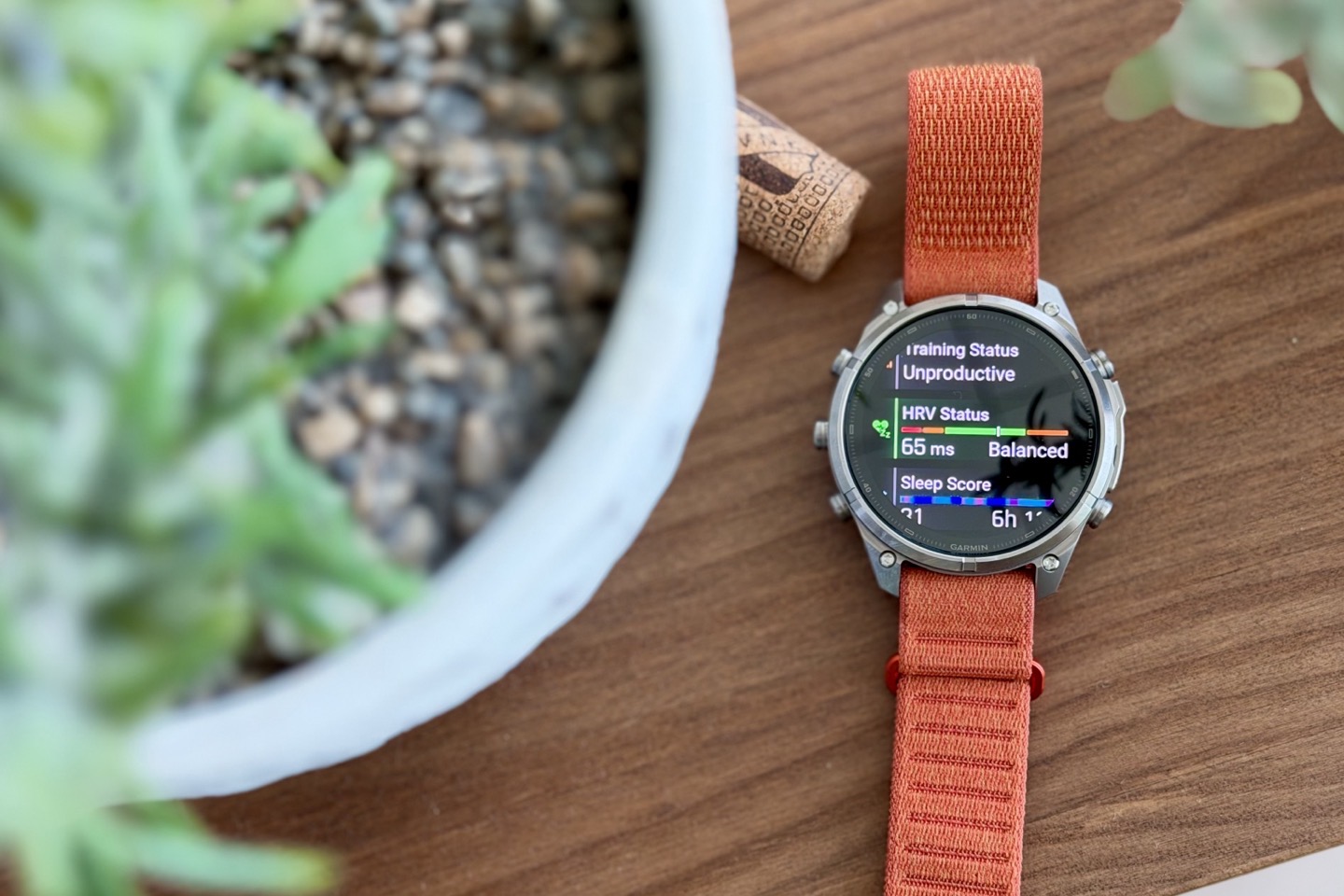
Garmin continues to refine its holistic training ecosystem, which integrates nightly health metrics into actionable daily guidance.
- Health Status Dashboard: Consolidates nightly heart rate variability (HRV), resting heart rate, respiration rate, skin temperature, and pulse oximetry into a single baseline tracking interface. Significant deviations from established baselines automatically prompt user notifications.
- Training Readiness: Combines sleep quality, recovery time, acute training load, and recent stress history to generate a dynamic score reflecting the user’s physiological capacity for high-intensity exertion.
- Stamina Zones: Expanding on Garmin’s existing real-time stamina tracking, the Fenix 9 introduces distinct stamina zones and endurance scores, providing granular insight into energy expenditure during prolonged running and cycling sessions.
GPS and Sensor Accuracy
The Fenix 9 utilizes Garmin’s SatIQ technology to dynamically manage GNSS multi-band satellite tracking, balancing positioning accuracy with battery conservation. Real-world testing across urban environments, dense forest canopy, and mountainous terrain indicates tracking consistency that matches or exceeds previous Garmin flagships.
The optical heart rate sensor relies on the fifth-generation Elevate sensor architecture. Clinical and field evaluations demonstrate reliable heart rate tracking across steady-state runs, interval training, and cycling workouts, aligning closely with chest-strap monitors under favorable thermal conditions.
Software Stability and Market Implications
Initial deployment of the Fenix 9 firmware demonstrates improved overall stability compared to recent Garmin product rollouts, though minor software bugs remain typical of early-stage production software.
By standardizing software updates across both the Fenix 8 and Fenix 9 generations, Garmin has signaled a strategic shift toward extended software support. This approach addresses long-standing consumer criticisms regarding feature obsolescence in high-end sports watches, positioning the Fenix 9 as both a hardware upgrade and a foundational platform for future athletic software development.