Google has officially brought down the curtain on its hardware experiment in the tablet market, completely removing the Pixel Tablet from the official Google Store and major retail platforms. What began as a bold, hybrid vision aiming to merge the utility of a traditional Android portable computer with the ambient convenience of a smart home display has quietly reached its final chapter. For months, lingering stock kept the device artificially alive across various online storefronts, but recent supply chain movements and inventory status updates confirm that the device is no longer being manufactured, distributed, or sold by the tech giant.
This move marks a definitive end for a product that generated significant industry discussion upon its initial announcement. While current owners need not panic—software and security patch updates are slated to continue through mid-2028—the complete disappearance of the hardware from primary retail channels signals that Google’s current tablet ambitions have ground to a halt. As the tech industry reflects on this development, a look back at the device’s short lifespan reveals a complex narrative of high expectations, innovative concepts, and the harsh economic realities of a stagnant tablet market.
The Rise and Fall: A Chronology of the Pixel Tablet
The journey of the Pixel Tablet began long before consumers ever laid hands on the device. Rumors surrounding a Google-branded tablet surfaced years prior to its official unveiling, fueled by the company’s intermittent attempts to find a stable footing in the large-screen Android ecosystem. Google finally pulled back the curtain on the hardware at its annual I/O developer conference in May 2023, officially launching the product in June of that same year with a retail price tag of $499.
At its core, the device was designed to solve a fundamental consumer dilemma: tablets often spend a vast majority of their lifespan lying idle in drawers, losing battery power and gathering dust. Google’s solution was the Speaker Dock. By packaging a charging base that doubled as a high-quality speaker and a smart home hub, the company attempted to give the tablet a permanent, useful role in the household. When docked, the device transformed into a Google Nest Hub alternative, capable of displaying photo frames, controlling smart home appliances, and responding to voice prompts via Google Assistant.
However, market performance failed to match the engineering ambition. Despite generally favorable reviews praising the clever dock ecosystem and the smooth performance of the Tensor G2 processor, consumer adoption remained tepid. The mid-tier pricing placed it in direct competition with more established heavyweights, such as Apple’s iPad lineup and Samsung’s Galaxy Tab series, both of which boasted mature app ecosystems optimized specifically for large screens.
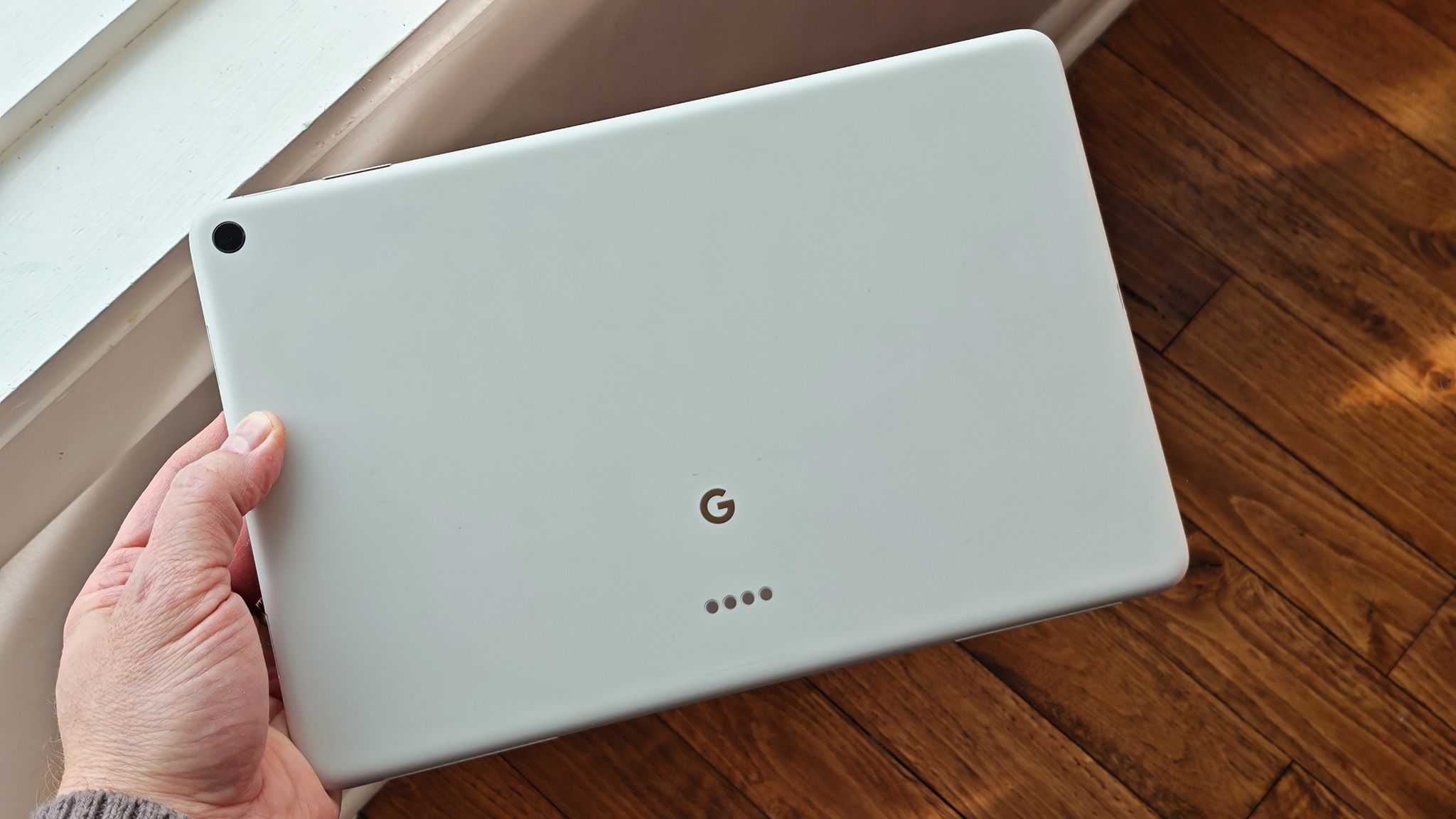
Internal pressures and profit margins ultimately forced a strategic pivot within Google’s hardware division. By early 2024, industry reports began circulating that Google had quietly cancelled development on anticipated follow-up hardware, specifically skipping planned second-generation models slated for 2025 and third-generation iterations projected for 2027. Despite these internal cancellations, the original 2023 model remained listed on the Google Store, shifting from available inventory to "out of stock" status over the subsequent months, before vanishing entirely from the storefront and major retail partners like Amazon and Best Buy.
Market Context and Industry Implications
The discontinuation of the Pixel Tablet highlights the enduring challenges technology companies face when trying to carve out market share in a mature sector dominated almost entirely by Apple. According to global tablet shipment data from firms like IDC and Canalys, consumer demand for tablets experienced a massive surge during the remote work and learning mandates of 2020 and 2021, followed by a sharp, prolonged correction.
In this tight market, differentiation is difficult. While budget-conscious consumers gravitated toward affordable media consumption devices from Amazon and Lenovo, premium buyers routinely defaulted to Apple’s iPad ecosystem, which benefits from years of developer optimization and robust creative software suites. Google’s hybrid approach was intended to create a unique value proposition, but it ultimately walked a fine line between a tablet and a smart display without mastering either category sufficiently to displace dedicated devices.
Furthermore, Android’s historical fragmentation regarding large-screen software optimization played a critical role. Although Google spent significant resources encouraging developers to build responsive tablet interfaces—introducing large-screen UI guidelines and updating its own suite of apps—the transition has been slow. Many third-party Android applications continue to simply scale up smartphone interfaces, resulting in a suboptimal user experience that deters productivity-focused buyers.
Technical Legacy and Ongoing Support for Current Owners
For consumers who already own a Pixel Tablet, the hardware’s removal from store shelves does not mean an immediate obsolescence. Google has confirmed that the device will continue to receive software updates, security patches, and feature drops through June 2028. This commitment ensures that current users will enjoy a secure and functional experience for several more years, maximizing the value of their initial $499 investment.
From a hardware perspective, the device introduced several notable features to the Android ecosystem. Powered by Google’s proprietary Tensor G2 chip—the same silicon driving the Pixel 7 smartphone series—the tablet offered snappy performance, seamless machine learning capabilities, and robust voice recognition features. The inclusion of the Charging Speaker Dock in the box was widely praised as a consumer-friendly move, eliminating the hidden costs typically associated with proprietary accessories.
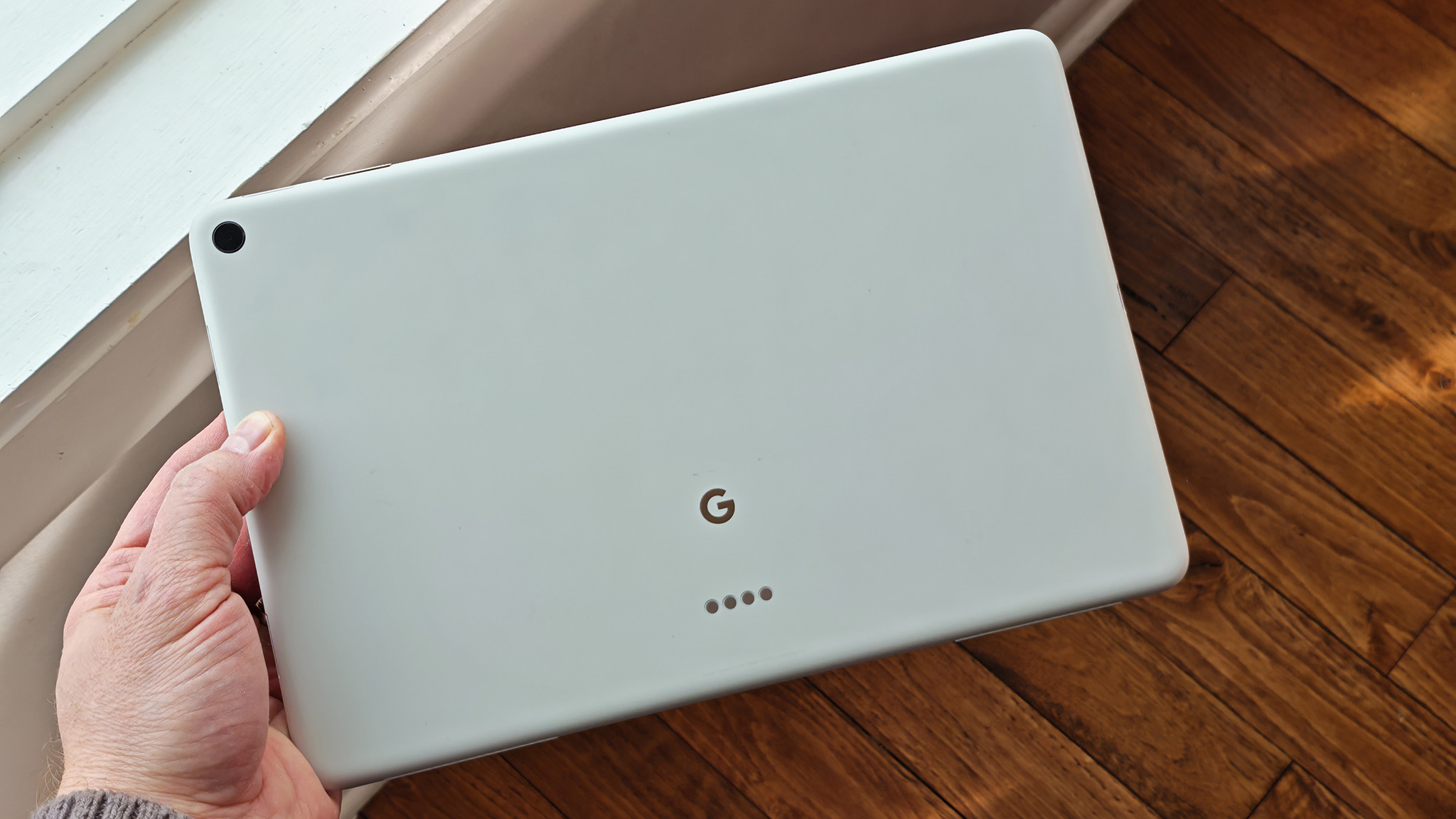
Yet, hardware limitations also defined the review cycle. The 11-inch LCD display, while bright and colorful, was limited to a 60Hz refresh rate, a notable omission in an era where high refresh rates had become standard even on mid-range smartphones. Additionally, the lack of official keyboard accessories or active stylus support out of the box limited its appeal to students and professionals looking for a true productivity hybrid, positioning it firmly as a casual media consumption device and smart home controller.
The Broader Future of Google Hardware
The quiet exit of the Pixel Tablet raises questions regarding Google’s long-term strategy for large-screen Android devices. While the company remains deeply invested in the foldable smartphone market through its Pixel Fold and Pixel Pro Fold lineups—which utilize flexible displays to bridge the gap between phones and small tablets—a dedicated standalone slate is no longer part of the immediate hardware roadmap.
Industry analysts suggest that Google may choose to focus its software engineering efforts on empowering third-party hardware manufacturers, such as Samsung and Lenovo, to build out the Android tablet ecosystem rather than absorbing the high manufacturing and inventory risks associated with hardware production. By letting others handle the physical distribution while Google provides the foundational operating system updates, the company can maintain a presence in the living room and workspace without the financial exposure of maintaining a dedicated product line.
Conclusion
The Pixel Tablet will be remembered as a fascinating exercise in design convergence—a product that dared to reimagine how stationary smart displays and mobile tablets could coexist under a single roof. While it ultimately succumbed to soft sales, stiff competition, and shifting corporate priorities, its novel dock-centric concept left an impression on the smart home landscape.
For now, prospective buyers looking for a brand-new Google-branded slate are entirely out of luck, restricted to scouring the secondhand market or hunting for leftover clearance stock from third-party liquidators. As Google officially closes the book on the Pixel Tablet, the industry watches to see how the tech giant will approach the ever-evolving consumer hardware market in the years ahead.