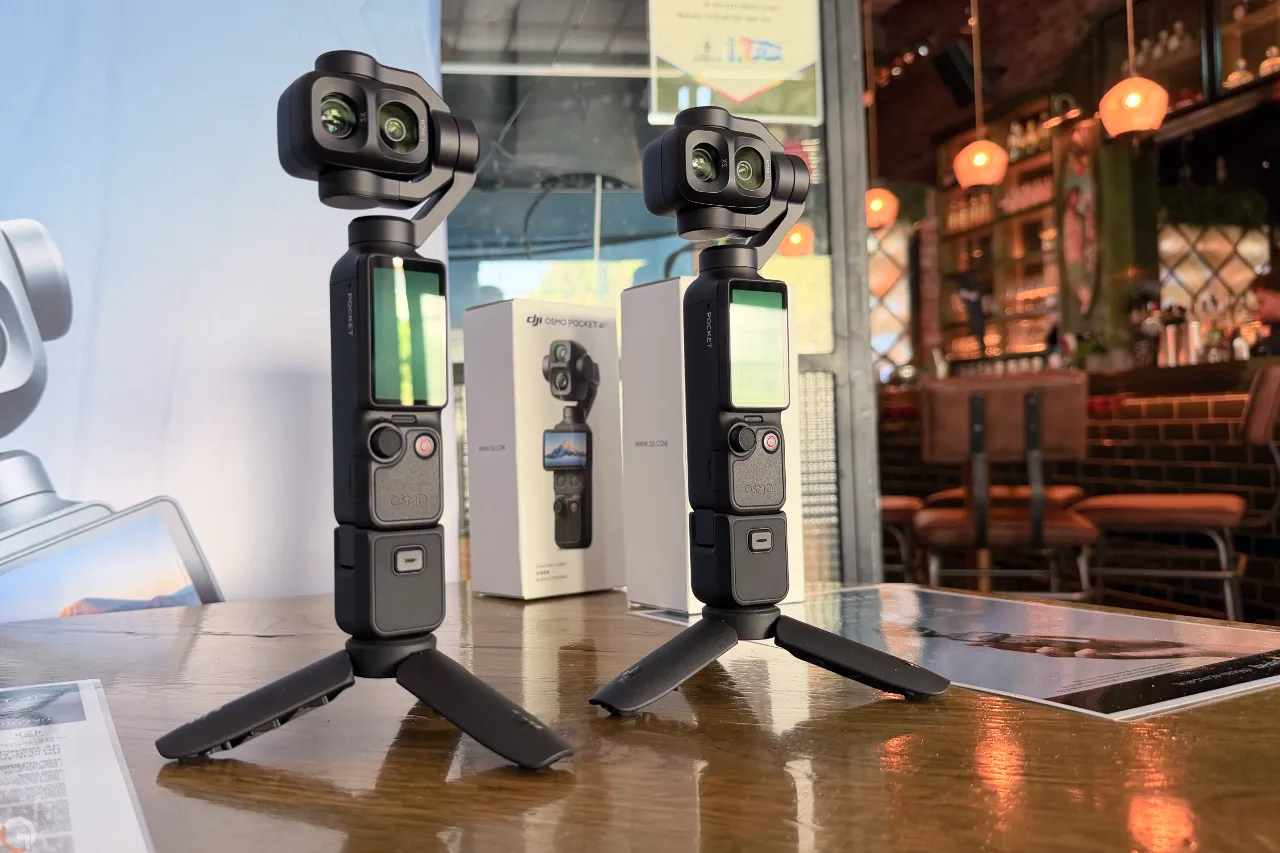
The consumer electronics and aerial imaging industry has once again shifted its focus toward handheld stabilization and immersive capture, as DJI officially announces the global release of two flagship imaging devices: the DJI Osmo Pocket 4P and the DJI Osmo 360 II. Unveiled during a simultaneous international virtual showcase, these two new products represent a substantial leap forward in sensor technology, low-light performance, battery efficiency, and software integration. By addressing the evolving demands of professional filmmakers, content creators, and casual vloggers alike, DJI continues to solidify its dominant position in the portable videography market.
Background and Context of the Release
The launch of the Osmo Pocket 4P and Osmo 360 II follows years of rapid iteration within DJI’s handheld division. Over the past decade, the transition from traditional camcorders to pocket-sized, gimbal-stabilized cameras has revolutionized how video content is produced. Creators no longer need bulky rigs to achieve cinematic movement; instead, sophisticated algorithms and miniaturized mechanical gimbals deliver professional-grade stabilization in packages that fit into the palm of a hand.
Simultaneously, the 360-degree camera market has experienced a resurgence, driven by extreme sports enthusiasts and virtual reality content creators who demand higher resolutions and more forgiving dynamic range. Recognizing a gap between consumer-grade 360 cameras and cumbersome professional VR rigs, DJI’s engineering teams focused on closing the fidelity gap. The introduction of the Osmo Pocket 4P and the Osmo 360 II indicates a strategic dual-pronged approach: catering on one hand to traditional single-lens cinematic vloggers, and on the other to immersive content creators who require full-sphere flexibility without sacrificing image quality.
DJI Osmo Pocket 4P: Redefining Handheld Cinematic Vlogging
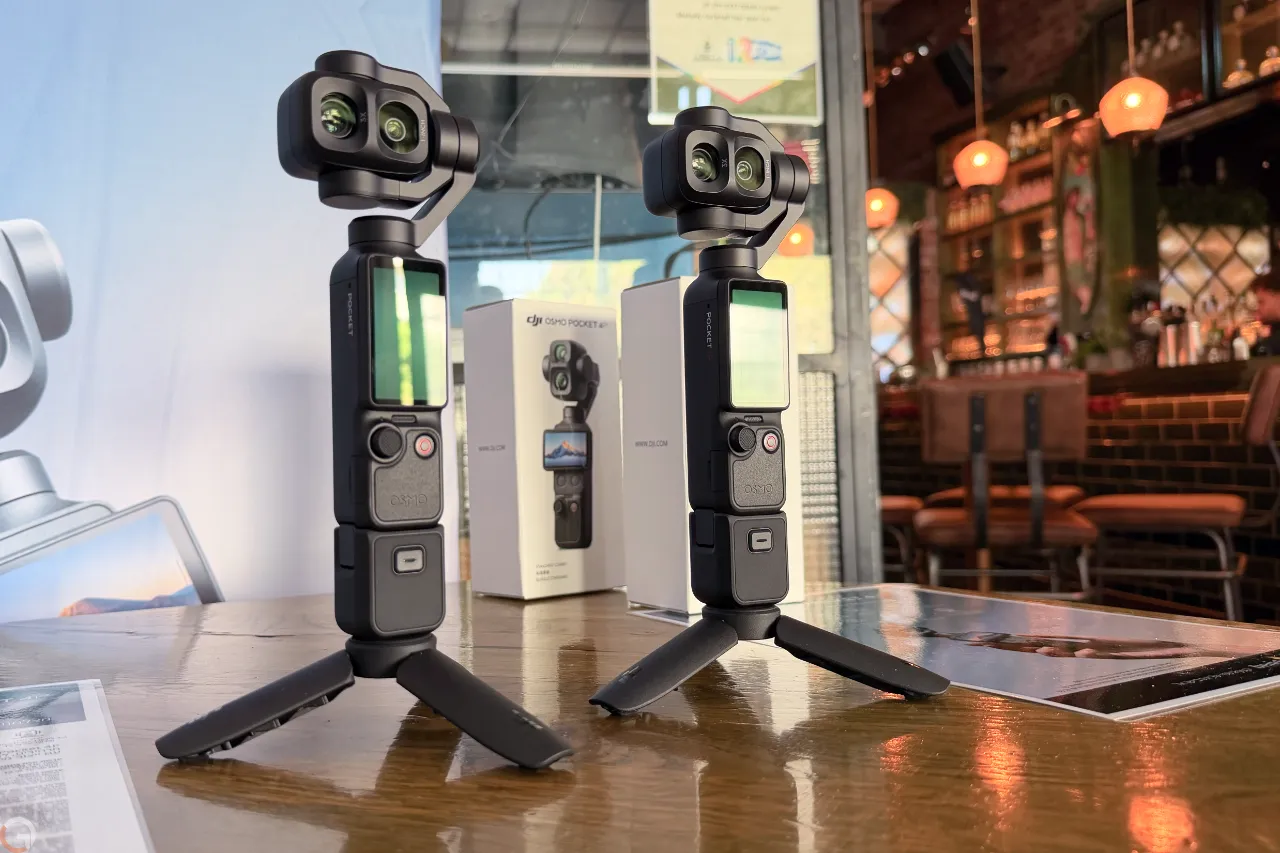
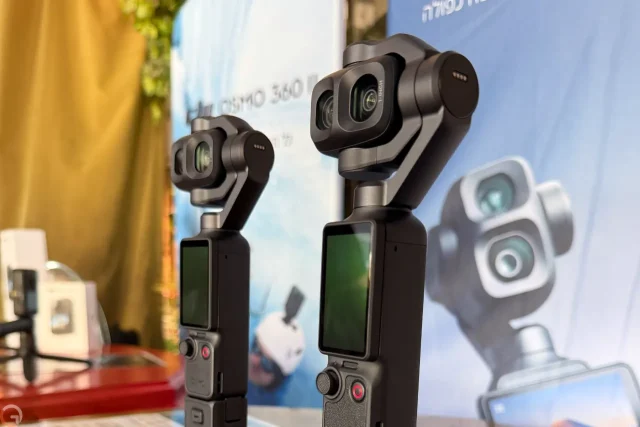
The DJI Osmo Pocket 4P arrives as the natural successor to a long lineage of beloved pocket gimbals, introducing significant hardware upgrades that bridge the gap between compact consumer gear and professional cinema cameras.
Weighing in at approximately 230 grams, the Osmo Pocket 4P maintains a remarkably lightweight and ergonomic footprint while housing a robust dual-sensor configuration. The primary imaging system features a large 1-inch sensor paired with a secondary 1/1.28-inch sensor dedicated to specialized wide-angle capture. This dual-sensor setup allows creators to switch seamlessly between focal lengths without optical degradation, providing unprecedented versatility for run-and-gun documentary filmmakers and travel vloggers.
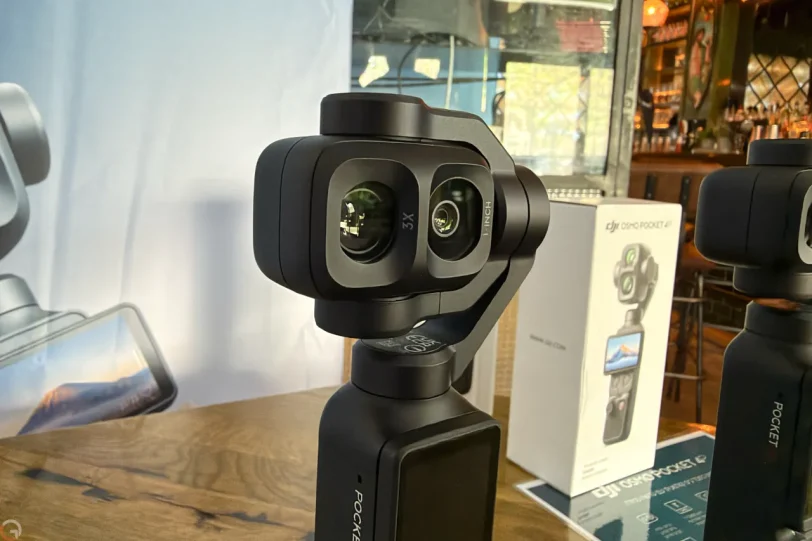
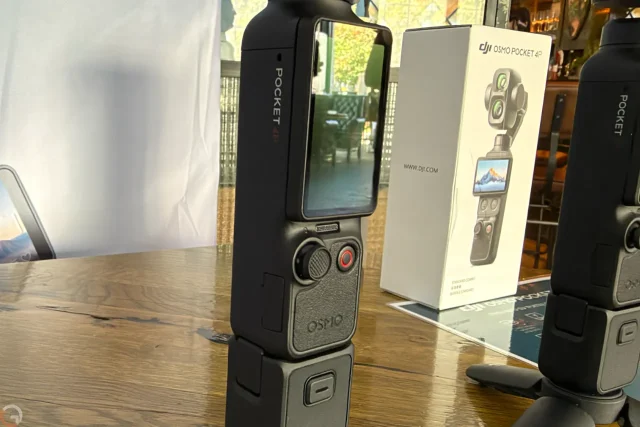
Physical handling has also been greatly improved. The device incorporates a responsive 2-inch rotating touchscreen that boasts a peak brightness of 1000 nits, ensuring clear visibility even under harsh, direct sunlight. Software intelligence receives a major boost through the integration of ActiveTrack 8.0, an advanced subject-tracking algorithm that utilizes machine learning to maintain lock-on stability even when subjects move erratically or become briefly obstructed by obstacles in the frame.
Power management and battery performance are critical for mobile creators. The Osmo Pocket 4P is equipped with a 1545mAh battery capable of delivering up to 210 minutes of continuous 1080p recording at 24 frames per second. Furthermore, fast-charging technology allows the device to replenish its battery from zero to 80 percent in just 18 minutes, minimizing downtime on active shoots.
DJI Osmo 360 II: Pushing the Boundaries of Immersive Video
While the Osmo Pocket 4P targets traditional framed video, the DJI Osmo 360 II targets the frontier of immersive media. Designed from the ground up to address the historical weaknesses of 360-degree cameras—namely low-light performance and dynamic range—the Osmo 360 II introduces dual 1/1.1-inch HDR sensors.
Each lens features an ultra-bright f/1.9 aperture, paired with a wide 14.5-stop dynamic range that captures intricate details in both hyper-bright highlights and deep shadows. This hardware foundation enables native 8K video recording at 60 frames per second in 360 mode, a milestone for consumer-accessible immersive gear. Additionally, the camera supports 120-megapixel 360-degree still photos and an astonishing 16K Timelapse mode, catering to landscape photographers and architectural surveyors who demand ultra-high-resolution output.
Low-light performance is further enhanced by DJI’s proprietary AI SuperNight Scene 2.0 processing engine. Coupled with 10-bit D-Log M color profiling, the Osmo 360 II allows colorists and editors to push footage significantly in post-production, extracting cinematic color grades from challenging nighttime environments.
Weighing 183 grams, the Osmo 360 II is surprisingly compact for its technical capabilities. It features a bright 2-inch touchscreen with an 800-nit panel, built-in NFC for rapid pairing with the DJI Mimo application, and 105GB of internal storage. The camera is powered by a robust 2,150mAh battery, delivering up to 100 minutes of continuous 8K recording at 30fps, with a fast-charge capability that reaches 80 percent capacity in 22 minutes.
Comprehensive Technical Comparison
| Feature | Osmo Pocket 4P | Osmo 360 II |
|---|---|---|
| Sensor Configuration | 1-inch (primary) + 1/1.28-inch (wide) | Dual HDR Sensors with 1/1.1-inch format |
| Display Specifications | 2-inch rotating touchscreen, 1000nits | 2-inch touchscreen, 800nits |
| Maximum Photo Resolution | Up to 37MP | 120MP (360-degree capture) |
| Video Capabilities | Up to 4K at 240fps | Up to 8K at 60fps (360-degree) |
| Dynamic Range | Up to 17 Stops | 14.5 Stops |
| Internal Storage | 103GB internal memory | 105GB internal memory |
| Battery Capacity & Runtime | 1545mAh, up to 210 minutes | 2,150mAh, up to 100 minutes (8K at 30fps) |
| Charging Speed | 0 to 80% in 18 minutes | 0 to 80% in 22 minutes |
| Advanced Optics | — | Dual-lens system with up to 10-bit color depth |
| Device Weight | 230 grams | 183 grams |
Industry Implications and Market Impact
The simultaneous release of the Osmo Pocket 4P and the Osmo 360 II underscores a broader industry trend: the democratization of high-end cinematic tools. Features that were once exclusive to heavy, expensive cinema camera packages—such as 10-bit color profiles, expansive dynamic ranges, and massive internal storage buffers—are now routinely integrated into sub-250-gram consumer devices.
Market analysts suggest that these releases will exert considerable pressure on competitors within the action camera and handheld gimbal sectors. By pushing 360 video into true 8K territory with professional-grade low-light sensors, DJI has effectively raised the baseline expectation for what consumers demand from immersive hardware. Similarly, the refinement of dual-sensor setups in the Pocket series suggests that single-lens limitations are rapidly becoming a relic of the past.
As these devices roll out to global markets, initial responses from beta testers and early reviewers point toward strong adoption rates among digital creators, travel documentarians, and independent filmmakers. With robust ecosystems, intuitive software integration, and aggressive pricing strategies typical of the brand, DJI’s latest offerings are poised to dominate creative toolkits throughout the coming year.