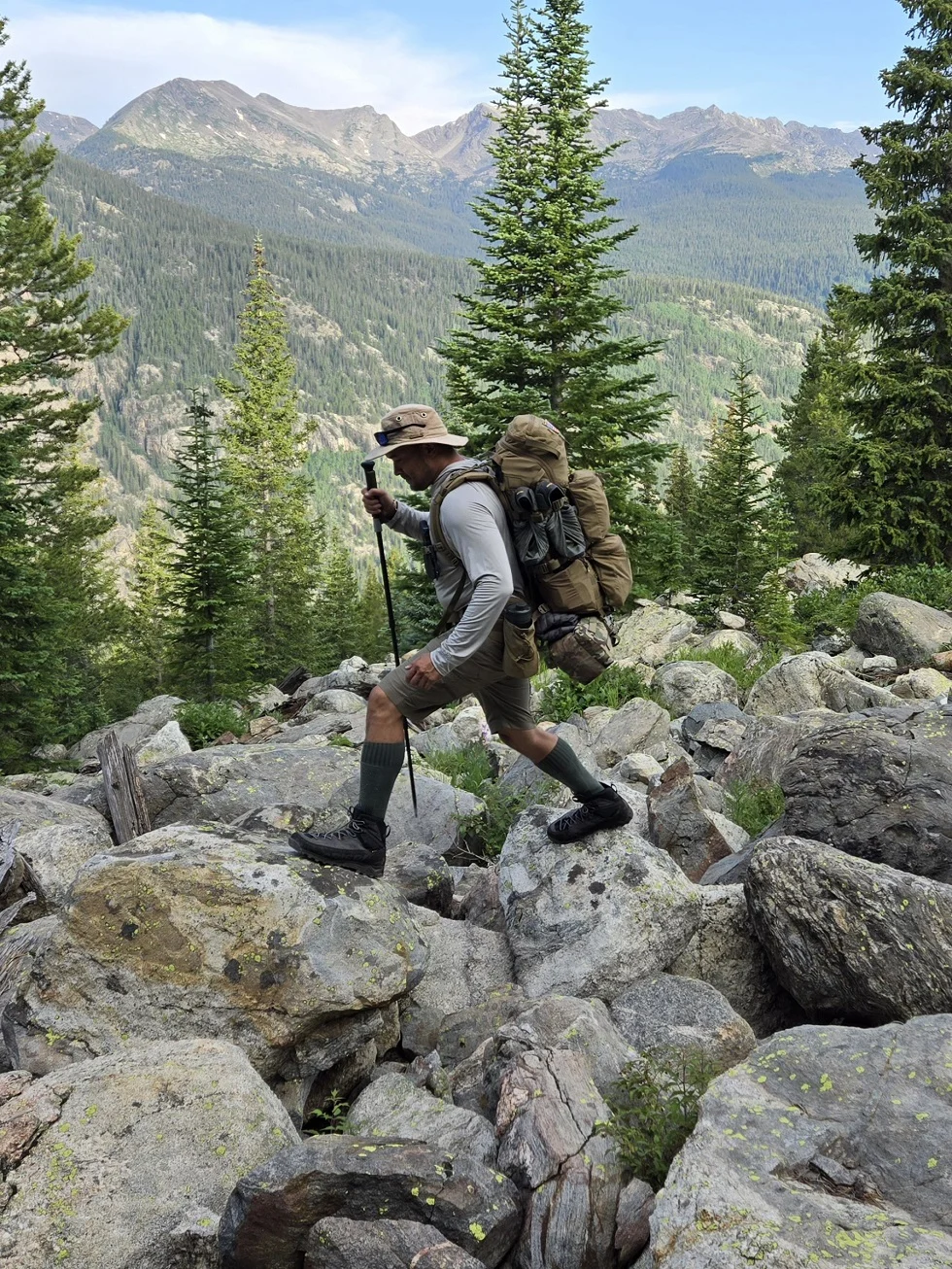
For most outdoor enthusiasts, the primary preoccupation centers on equipment. Weeks leading up to a backcountry expedition are often spent researching the latest ultralight tent fabrics, comparing technical shell waterproof ratings, and obsessing over pack weights down to the fractional ounce. Yet, professionals who spend their lives guiding others through rugged mountains, dense forests, and unpredictable environments view the wilderness through an entirely different lens. To them, the critical variable is almost never the gear itself—it is the human being carrying it.
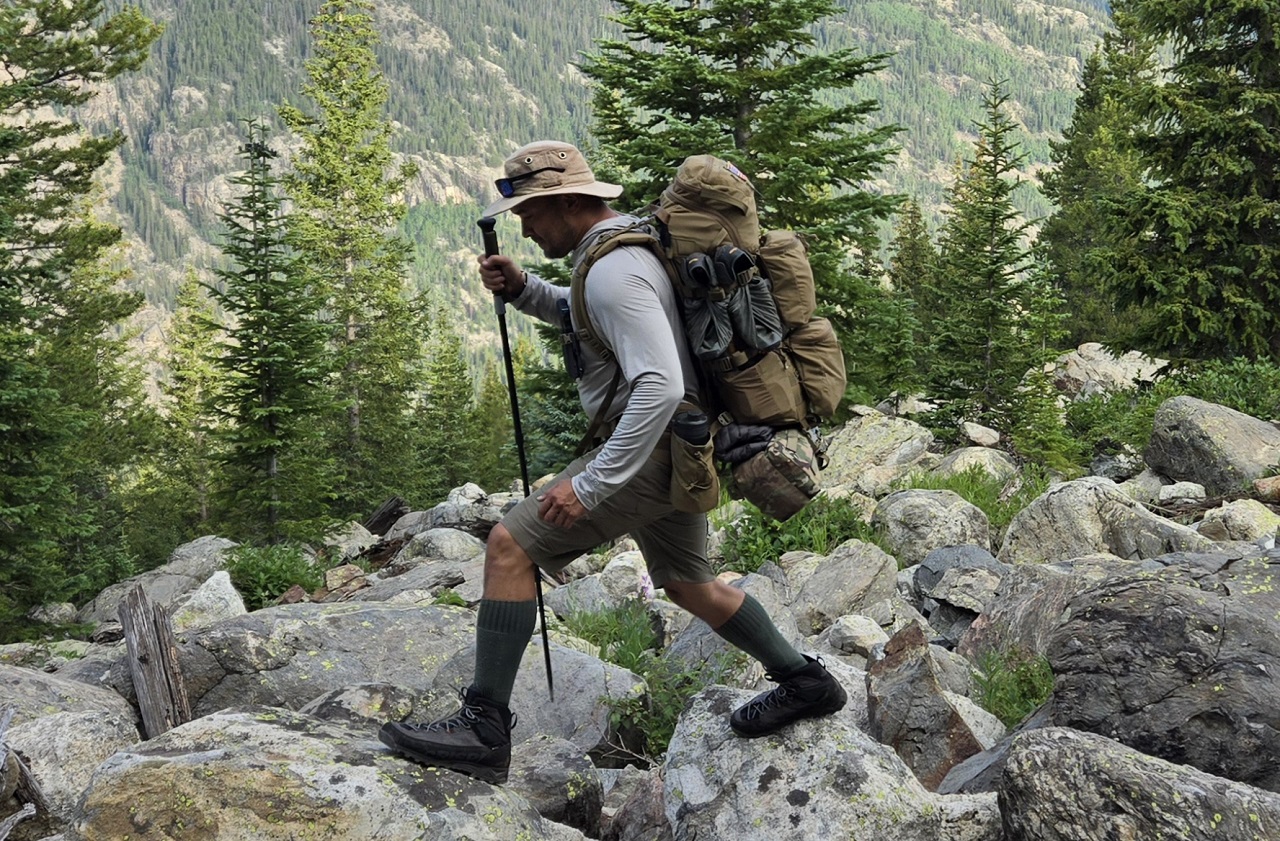
Season after season, leading experts witness the same predictable human errors playing out across trailheads and alpine ridges. These missteps rarely manifest as catastrophic structural failures of high-end nylon or titanium. Instead, they appear as forgotten headlamps, dangerously overloaded or improperly packed kits, and a misplaced psychological confidence that purchasing expensive equipment somehow guarantees a safe and successful outcome.
To explore the intersection of human behavior, risk management, and outdoor equipment, three prominent wilderness authorities—survival instructor Kevin Estela, mountain guide and avalanche survivor Ken Wylie, and mountain safety researcher Ty Gagne—shared decades of accumulated field observations. Their collective insights reveal a profound truth: while advanced gear expands human capability, it can never substitute for fundamental judgment, rigorous preparation, and self-awareness.

The Illusion of Equipment and the Reality of Competence
Kevin Estela, a veteran author, survival instructor, and bushcraft educator with decades of experience across North America, suggests that competence remains the ultimate safeguard in any environment. According to Estela, instructors can frequently diagnose a student’s preparedness before they even shoulder their pack.

The most common shortcomings typically begin at ground level: footwear. Many hikers neglect basic maintenance, leading to delaminating soles, or make the critical error of wearing brand-new boots straight out of the box to a rigorous wilderness course. The inevitable result is debilitating blisters that derail the trip. Similarly, inadequate weather protection frequently compromises safety. Novices often rely on single-layer ponchos without realizing they are designed to function alongside rain pants, leaving hikers soaked from the knees down and highly vulnerable to hypothermia.
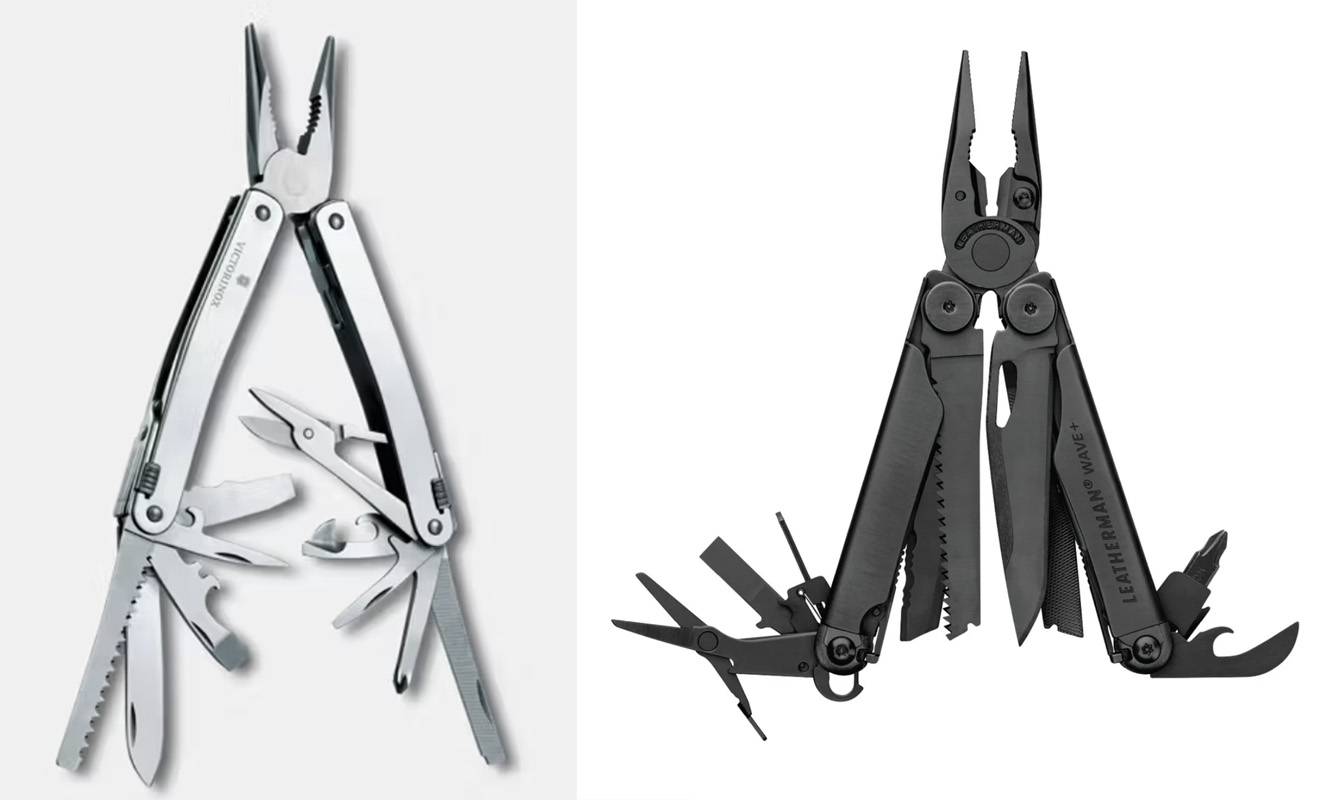
When examining hard goods, Estela points to chronic maintenance neglect as a primary culprit. Global Positioning System (GPS) units and electronic flashlights fail simply because batteries were left inside to drain during months of storage. Furthermore, the modern marketplace often encourages consumers to purchase complex, high-end electronics—such as expensive electronic lighters or fragile Damascus steel knives—that perform poorly in humid, freezing, or wet environments. A basic, unglamorous tool like a Swiss Army knife or a standard plastic lighter frequently outperforms fragile, high-cost alternatives when subjected to real-world stress.
Data gathered from search-and-rescue (SAR) organizations globally supports this observation. True mechanical or equipment failure accounts for a remarkably small fraction of backcountry emergencies—typically estimated between one and three percent of all recorded incidents. The overwhelming majority of emergencies are driven by human factors: inadequate planning, exceeding one’s technical limits, nutritional depletion, and navigational errors.
The Psychology of Risk: Lessons from the Mountains

While Estela focuses on bushcraft and survival mechanics, Ken Wylie approaches the wilderness through the lens of mountain guiding, leadership coaching, and deep-seated psychological risk. In 2003, Wylie survived a catastrophic avalanche that fundamentally reshaped his relationship with the outdoors and redirected his career toward human decision-making under high-stakes conditions.
Wylie emphasizes that equipment is designed to empower the user, thereby reducing debilitating fear and fostering a sense of capability. However, a dangerous phenomenon occurs when individuals transfer their trust from their own internal skills to external machinery. Relying blindly on technology—such as a GPS unit or an avalanche transceiver—without cultivating the underlying foundational knowledge creates a fragile psychological state defined by the underlying anxiety of potential technological failure.
Historical and contemporary incidents frequently underscore this knowledge gap. Wylie points to the historic loss of the RMS Titanic as a macro-level example: the ship’s engineering was not inherently at fault, but rather the failure of leadership to heed repeated ice warnings and adjust their strategy accordingly. In the modern backcountry, the exact same psychological pattern repeats when mountaineers push forward into worsening weather simply because they have invested significant time and money into reaching a summit.
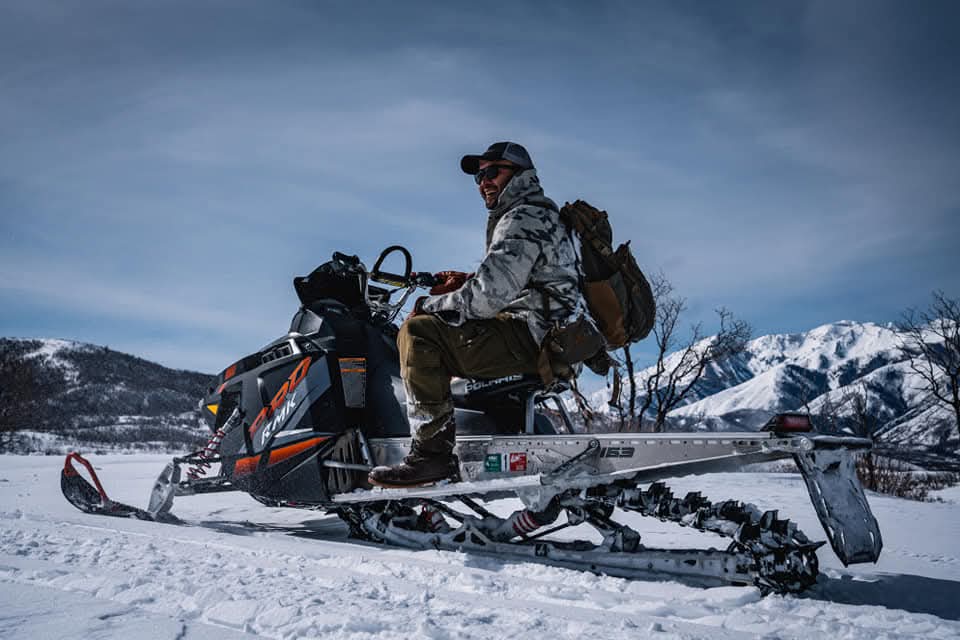
When stress, fatigue, and cold set in, human cognitive function—specifically executive functioning within the brain—deteriorates. Under these conditions, impaired individuals frequently fail to perform basic survival tasks, such as putting on additional insulation layers, melting drinking water, or turning back before conditions become unsurvivable. The gear is rarely missing; rather, the cognitive ability to deploy it effectively has been compromised by stress and poor planning.
The Anatomy of a Rescue: Insights from Safety Research
Ty Gagne, CEO of New Hampshire’s public risk-management pool PRIMEX, author, and certified Wilderness First Responder, brings a forensic, data-driven perspective to backcountry safety. Having spent years studying search-and-rescue reports in rugged environments like New Hampshire’s White Mountains, Gagne notes that the single greatest misconception in the outdoor community is the belief that gear inherently creates safety.
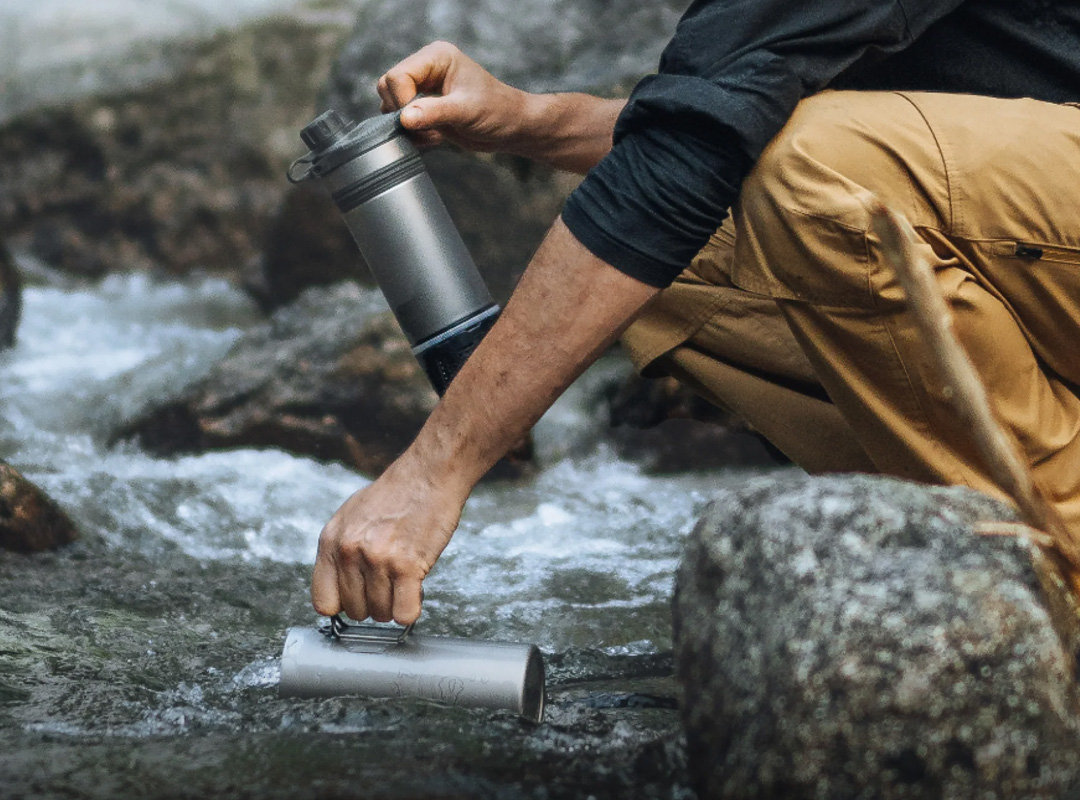
Gagne explains that gear is merely one component of a comprehensive risk-management system that must also incorporate situational awareness, environmental knowledge, and sound decision-making. In his analysis of regional accident data, Gagne highlights the ubiquitous smartphone as both an incredible asset and a dangerous vulnerability. Many modern hikers rely entirely on their phones for navigation, communication, and illumination. Consequently, when a battery drains in cold weather or after an extended hike, the user is simultaneously stripped of their map, their communication lifeline, and their light source.
Furthermore, Gagne notes that environmental negligence often manifests in subtle, easily preventable ways. In winter conditions, failing to insulate water bottles and food supplies causes them to freeze solid, depriving the traveler of essential calories and hydration. Similarly, summer hikers frequently attempt steep, root-strewn, and wet granite trails wearing inadequate footwear such as fashion sneakers or sandals, directly driving the high incidence of slip-and-fall injuries that occupy volunteer rescue squads.
The Evolution of the Modern Pack System
Despite rapid advancements in materials science—ranging from ultra-high-molecular-weight polyethylene fabrics to advanced titanium cookware and portable solar power banks—the fundamental philosophy of expedition packing has remained remarkably consistent among elite practitioners.

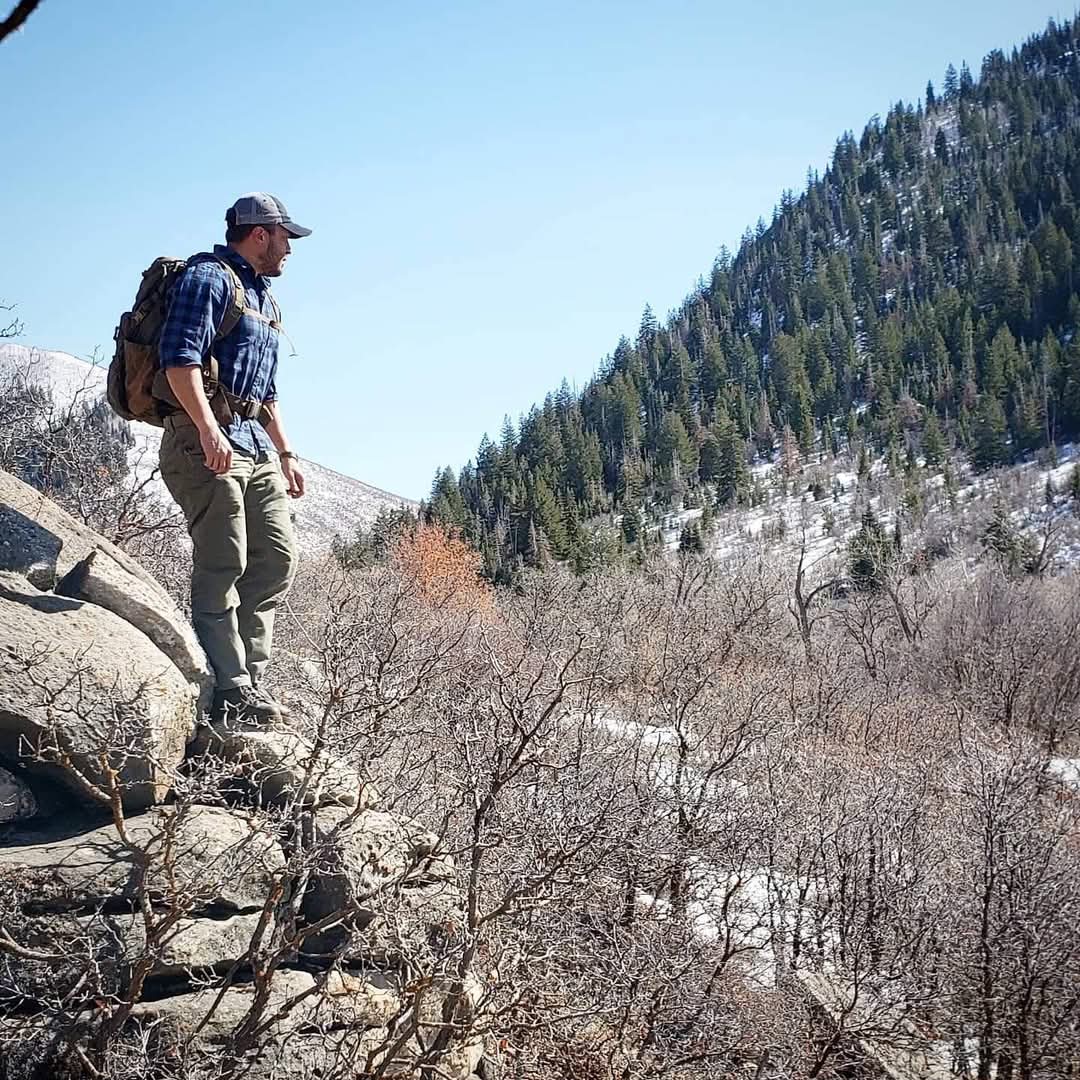
Experienced guides prioritize modularity, system simplicity, and redundancy. Every item carried in a pack should ideally serve multiple functions, much like a traditional bandana or triangular bandage, which can be used for first aid, sun protection, filtering debris, or handling hot cookware. Furthermore, professional packers consistently advocate for leaving empty space within a pack, ensuring that unexpected gear, refuse, or emergency items can be accommodated without compromising the structural integrity of the load or forcing items to be lashed haphazardly to the exterior where they can snag on brush and disrupt balance.
Conclusion: The Ultimate Survival Tool
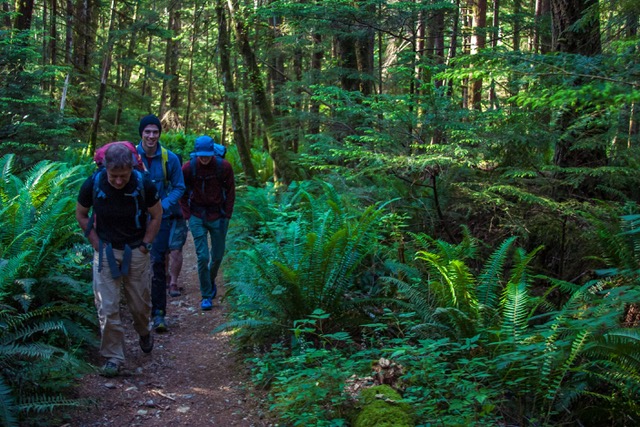
Ultimately, the consensus among wilderness experts is clear. Decades of guiding, teaching, and incident analysis reveal that while advanced equipment expands human horizons and can occasionally mean the difference between life and death in extreme environments, it operates strictly as an amplifier of human capability.
Gear cannot compensate for poor judgment, nor can it manufacture common sense. When an unexpected storm rolls in over an alpine ridge or a temperature drop threatens hypothermia, the most valuable asset a traveler possesses is not found packed tightly within a waterproof stuff sack. It resides entirely in the judgment, emotional resilience, self-awareness, and cumulative experience of the person carrying it.