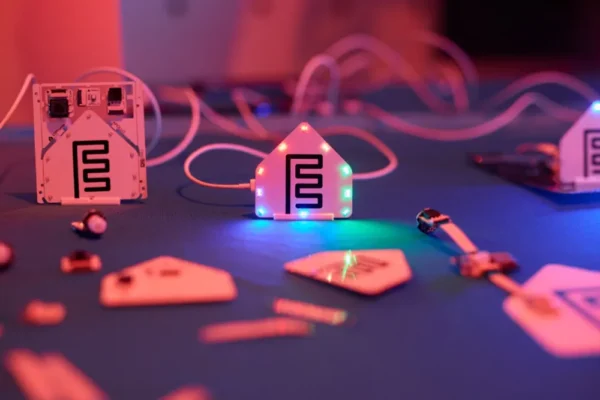










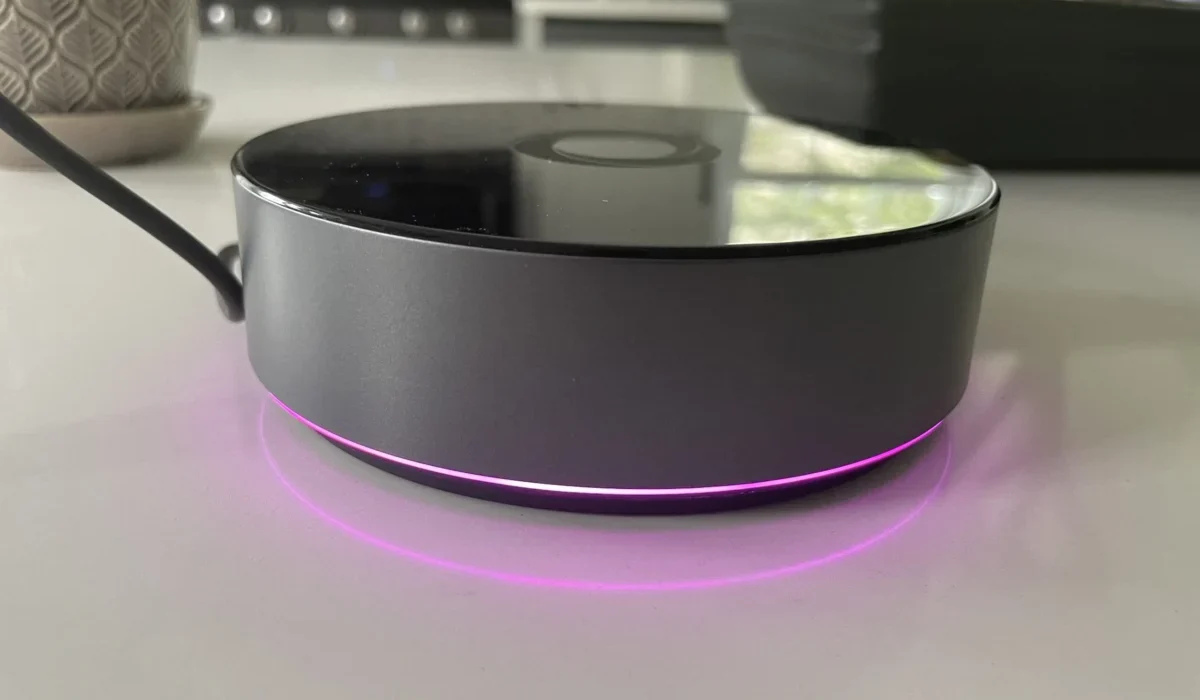
Following the successful introduction of the $69 Homey Bridge earlier this year, the market for localized smart home control has expanded with the official U.S. launch of the $399 Homey Pro. While the entry-level Bridge model serves as a cloud-dependent gateway for casual users, the Pro iteration positions itself as a robust, privacy-focused powerhouse designed to cater to enthusiasts and power users. By offloading the vast majority of processing to local hardware rather than relying on external servers, the Homey Pro promises a level of reliability and speed that cloud-dependent ecosystems often struggle to match. However, a critical assessment of the device reveals that its hardware prowess is only as effective as the breadth of its software compatibility, leaving prospective buyers with a complex decision regarding ecosystem integration.
Evolution of the Homey Ecosystem
The journey of the Homey platform began with a vision to unify disparate smart home standards under a single, cohesive interface. The original 2019 Homey Pro set the stage, but the current iteration represents a significant leap forward in technical specifications. The new Pro model boasts a CPU that is 3.5 times more powerful than its predecessor, alongside a memory upgrade to 2GB of RAM and 8GB of internal storage.
These hardware enhancements are not merely for aesthetic or marketing purposes; they are essential for the device’s shift toward local-first architecture. Unlike the Homey Bridge—which necessitates an internet connection to process commands through the cloud—the Homey Pro performs local execution of automations. This distinction provides two primary advantages: latency reduction and resilience. During a network outage, a Homey Pro user retains control over their local infrastructure, ensuring that security sensors, lighting, and HVAC systems remain functional without cloud reliance.
Technical Specifications and Connectivity
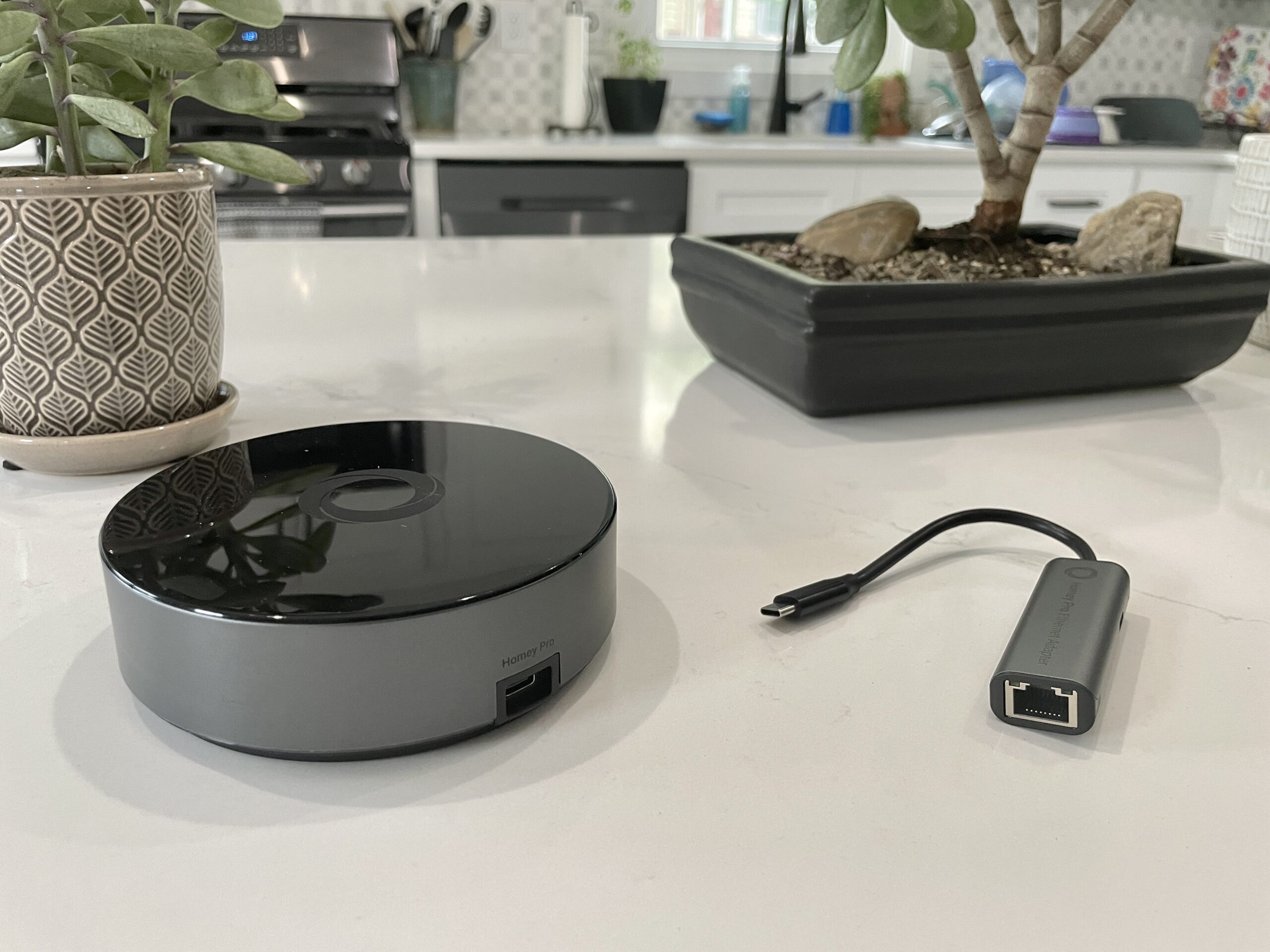
The U.S. version of the Homey Pro is a comprehensive communication hub. It includes radios for Wi-Fi (2.4 and 5 GHz), Bluetooth Low Energy, Infrared, Zigbee, and Z-Wave. Furthermore, the inclusion of a Thread radio positions the device to support the burgeoning Matter-over-Thread ecosystem. The company also offers an optional Ethernet adapter for an additional $29, catering to users who prioritize the stability of a hardwired connection over wireless configurations.
From a financial perspective, the Homey Pro changes the ownership model compared to the Bridge. While the Bridge is often tied to a monthly subscription fee for advanced functionality and increased device limits, the Pro is designed to be a one-time purchase. The only recurring cost is an optional $0.99 per month for cloud-based data backups, a modest expense for users who prioritize disaster recovery of their complex automation setups.

Setup Experience and User Interface
The onboarding process for the Homey Pro is streamlined, mirroring the simplicity found in modern consumer electronics. Upon powering the device via its USB-C connection, users interact with the Homey smartphone application to define their physical environment. The application’s architectural approach to home management—which prompts users to categorize devices by floor and room during the initial configuration—stands out as a superior design choice compared to many competitors that require manual, room-by-room sorting after the initial device pairing.
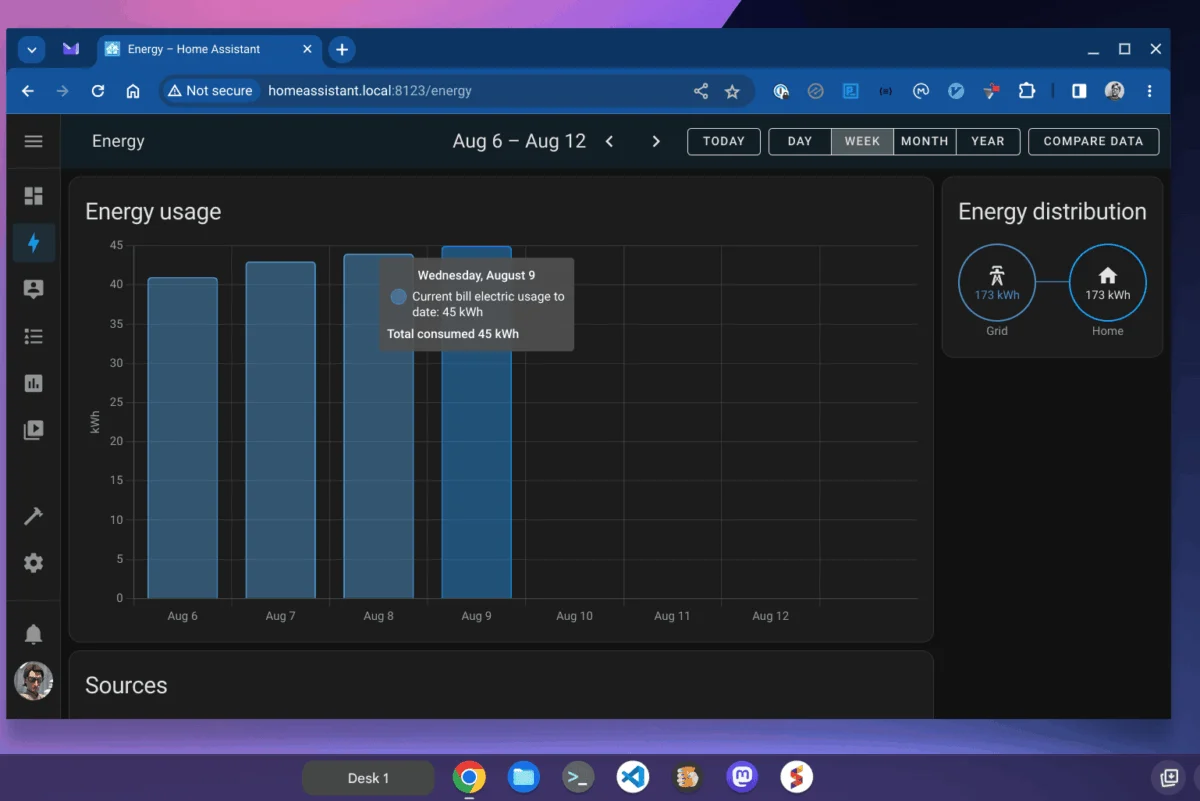
The mobile application itself is arguably one of the most polished interfaces in the smart home sector. It strikes a balance between accessibility for novice users and granular control for advanced ones. Data visualization is another strength; the app provides near real-time tracking of estimated energy consumption. By allowing users to input the wattage of their connected devices, the platform creates an energy management dashboard that tracks usage trends over time. When a device reports actual power draw, the Homey Pro integrates this data directly, providing a high-fidelity view of the home’s electrical footprint.
The Challenge of Device Compatibility
Despite its technical capabilities, the Homey Pro faces a significant hurdle: the fragmented state of the Internet of Things (IoT) market. Homey claims compatibility with over 50,000 devices, yet this figure refers to the total ecosystem, not necessarily every product variant from every manufacturer. In practical testing, the device demonstrated limitations when interfacing with specific, newer smart home hardware.

For instance, while many legacy products from brands like Lutron and Philips Hue function seamlessly, newer devices—particularly those utilizing the Matter-over-Thread protocol—have encountered integration barriers. Certain thermostats, smart locks, and specialty kitchen appliances that appear as supported brands in the Homey database often fail to pair or return specific error messages. This discrepancy highlights a growing friction point in the industry: as manufacturers transition to the Matter standard, the software bridges and drivers used by platforms like Homey must be updated continuously to keep pace.
Advanced Automation: The Power of Flows
For users who find standard voice-assistant routines too restrictive, Homey offers "Flows." This automation engine allows for sophisticated logic that rivals platforms like Home Assistant. Flows utilize a "When… And… Then" architecture, enabling complex conditions that can trigger secondary chains of events. For instance, a user could set a "When" condition for a motion sensor, an "And" condition for the time of day and the status of a separate light, and a "Then" outcome that adjusts the thermostat and locks the doors.
This logic-gate approach is remarkably flexible. Furthermore, for those with a background in programming, the Homey Pro allows for the creation of custom integrations. By accessing the device’s API via a web interface, developers can utilize JavaScript and Node.js to extend the platform’s reach. While this feature is primarily aimed at the hobbyist community, it underscores the Pro model’s role as a platform rather than a simple appliance.

Implications and Market Outlook
The release of the Homey Pro arrives at a pivotal moment in the smart home industry. As major tech conglomerates push for universal standards like Matter, the role of a local hub is becoming increasingly scrutinized. Privacy-conscious consumers are actively seeking alternatives to cloud-dependent ecosystems that require sending user data to remote servers. The Homey Pro effectively addresses this demand by keeping automation execution local.
However, the $399 price point places the Homey Pro in direct competition with high-end, self-hosted solutions like Home Assistant running on dedicated hardware. The trade-off is clear: Homey offers a polished, user-friendly interface and a simplified setup process, while platforms like Home Assistant offer near-universal device compatibility at the cost of a steeper learning curve and higher maintenance requirements.
For the average consumer, the decision to invest in a Homey Pro should be preceded by a thorough audit of their existing smart home devices. Because the platform relies on specific application "apps" or drivers to communicate with third-party hardware, potential buyers should utilize the company’s online database or the free version of the mobile app to verify that their specific product models are supported.

Conclusion: A Strategic Choice
The Homey Pro is a high-performance, well-designed device that succeeds in providing a modern, private, and powerful interface for home automation. Its ability to run flows locally and its intuitive energy management tools make it an attractive proposition for those tired of the limitations of cloud-based ecosystems. However, the current reality of device fragmentation means that compatibility is not guaranteed.
As the industry continues to iterate on Matter and Thread, it is expected that the library of compatible devices will expand. For now, the Homey Pro remains a compelling tool for those who prioritize the sophistication of their automation logic and the privacy of their local network over the sheer, universal compatibility of mass-market, cloud-reliant hubs. Before committing, users must weigh the elegance of the Homey experience against the current state of their own device ecosystem to ensure that their smart home investment yields the expected results.