In the fast-paced environment of a professional kitchen, the line between a tool and a necessity is often blurred by the rigorous demands of the trade. For Stephen, a full-time cook based in Minnesota, his everyday carry (EDC) is not merely a collection of personal items but a highly curated selection of implements designed to bridge the gap between his professional requirements and his personal workflow. His kit, which balances high-end titanium precision with utilitarian, ruggedized steel, serves as a masterclass in modern pocket-dump organization.
The Philosophy of Purpose-Driven Carry
The core principle governing Stephen’s daily carry is the strict separation of duty. As a professional, Stephen adheres to stringent health and safety regulations, which dictate that tools used for mundane tasks—such as breaking down boxes, opening shipping crates, or performing maintenance on kitchen equipment—must never cross paths with food preparation. This segregation is not just a preference; it is a fundamental pillar of food safety protocols designed to prevent cross-contamination.
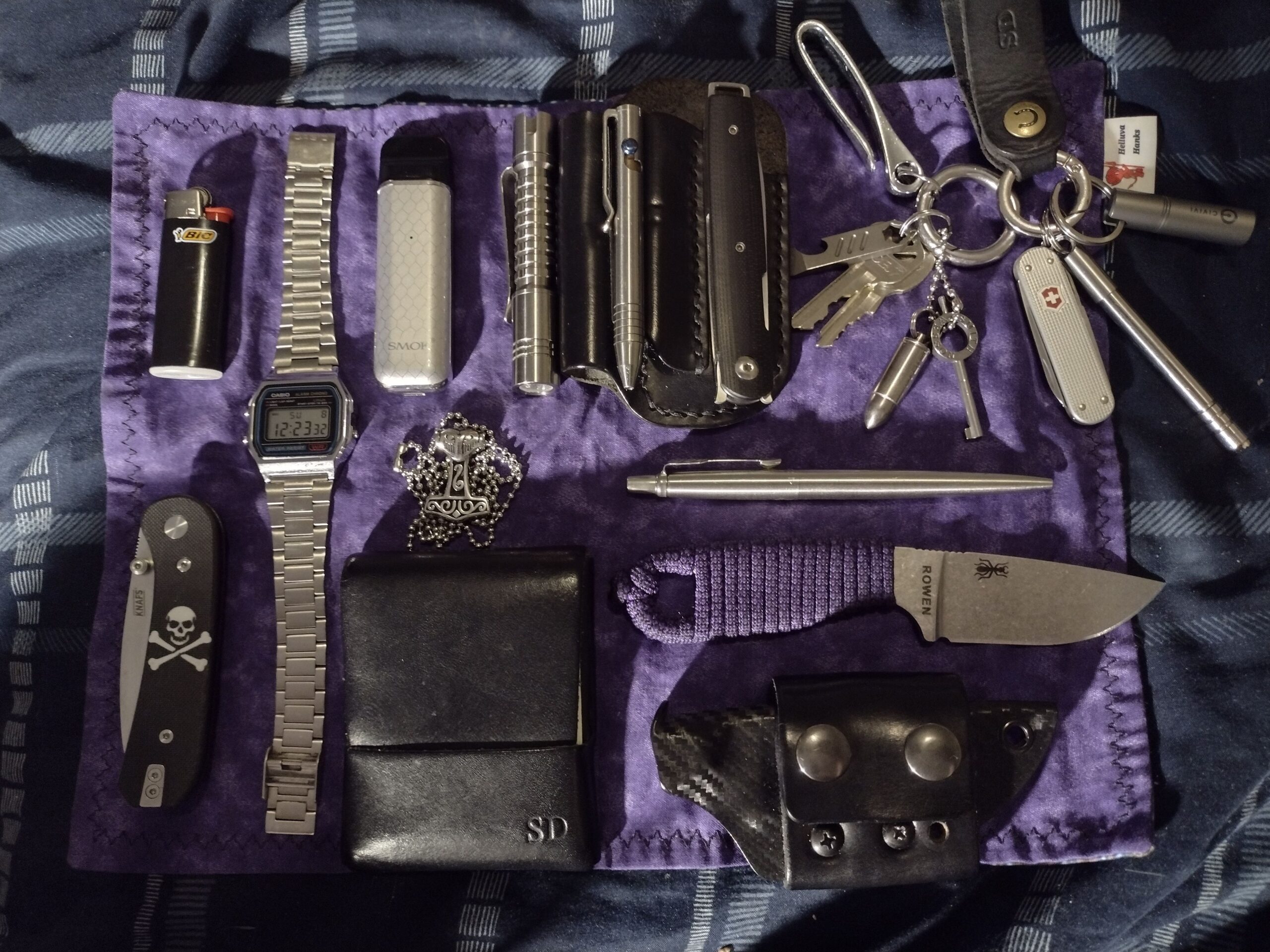
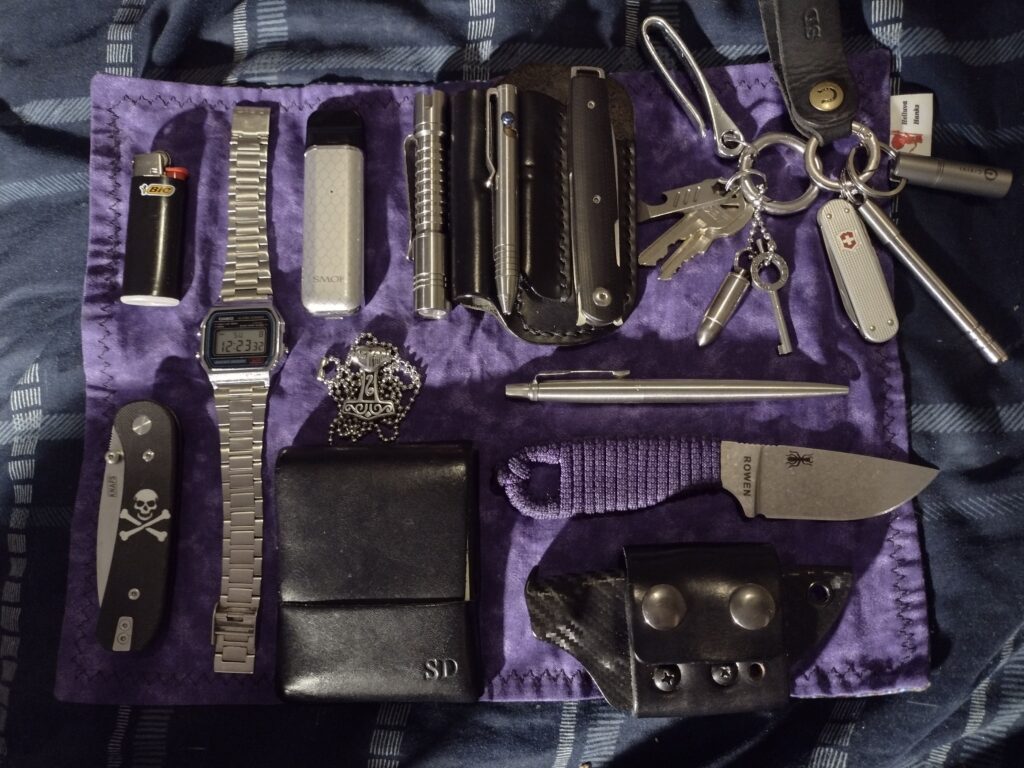
"As a cook, I literally have a different knife for every occasion," Stephen explains. By carrying four distinct blades—three folders and one fixed-blade ESEE—he ensures that he is always equipped to handle the heavy-duty tasks that would otherwise dull or damage delicate culinary knives. This approach allows him to preserve the integrity of his professional cutlery while maintaining a versatile utility kit that remains ready for any non-food-related challenge.
Chronology of an EDC Evolution
The evolution of a professional’s EDC typically follows a trajectory from necessity to refinement. In the early stages of a culinary career, a cook might rely on a single, multipurpose utility knife. However, as the demands of the job grow, the need for specialized tools becomes apparent.
For Stephen, the journey began with standard shop knives, eventually graduating to the current four-knife rotation. The inclusion of the ESEE Izula—a fixed-blade knife renowned in the bushcraft and survival community for its robust S35VN steel—marks a shift toward high-performance materials. Over the last several years, the "EDC movement" has seen a surge in interest among kitchen staff, as they look for ways to manage the logistical burdens of their shifts. By incorporating leather sheaths and modular keychain systems, Stephen has optimized his carry to ensure that his gear does not occupy excessive pocket space, but instead hangs comfortably off his belt or body, allowing for rapid access during high-pressure shifts.
Analysis of the Gear Selection
The inventory of Stephen’s carry highlights a strategic blend of value and high-end engineering. The pairing of the Parker Jotter with a premium titanium bolt-action pen is particularly illustrative of his philosophy.
- The Parker Jotter: A stalwart of stationery, the Jotter represents the "value" tier of his kit. Priced under $10, it offers an all-stainless, click-action construction that is virtually indestructible in a busy kitchen environment.
- The Titanium Bolt-Action Pen: By balancing the Jotter with a premium, custom-machined titanium pen, Stephen demonstrates an appreciation for ergonomics and durability. Titanium is favored in the EDC community for its high strength-to-weight ratio and resistance to corrosion—essential qualities for tools exposed to the moisture and heat of a commercial kitchen.
- The Knife Selection: His choice of the Knafs for general utility, a Boker for refined tasks, and the ESEE Izula for heavy-duty work creates a tiered system of blade geometry. The Izula, in particular, provides a level of reliability that smaller folding knives cannot match, making it the primary choice for tasks that involve high torque or significant material resistance.
Data-Driven Insights: The EDC Market and Professional Adoption
The popularity of the "Everyday Carry" trend has grown significantly since the mid-2010s, with recent industry reports suggesting a CAGR (Compound Annual Growth Rate) of approximately 6% for the global tactical and utility equipment market. Professionals like Stephen represent a growing segment of this demographic—individuals who are not necessarily outdoor enthusiasts or military personnel, but rather tradespeople seeking to improve their personal efficiency through better gear.
In the culinary industry, the reliance on high-quality tools is a direct extension of the professional mindset. According to data from the National Restaurant Association, the average commercial kitchen experiences high turnover in small wares, leading many cooks to invest in their own personal tool kits. By owning his EDC gear, Stephen maintains control over the quality and maintenance of the tools he relies on, rather than depending on potentially neglected communal equipment.
Broader Implications of Professional Carry
The trend of carrying specialized gear, once confined to hobbyist forums, has permeated various professional sectors. The implications for the workplace are largely positive. When staff members are better equipped to handle maintenance, organization, and logistical tasks, the overall efficiency of the workflow increases.
However, the "heavy-duty" nature of such kits raises questions about workplace policy. Most professional kitchens have strict rules regarding the presence of knives and tools on the floor. Stephen’s adherence to the separation of "food-safe" and "utility" blades is a crucial component of his compliance with these regulations. His method serves as a potential model for other professionals: treat your gear with respect, understand the limitations of each tool, and maintain a rigorous standard of hygiene.
Official Responses and Industry Context
While there is no formal "standard" for what a cook should carry outside of the kitchen, the culinary community has increasingly embraced the idea of the "gentleman’s knife" and the "workhorse blade" as part of a professional identity. Veteran chefs often emphasize that a cook’s knife is their most prized possession, but modern culinary professionals are now acknowledging that the supporting tools—pens, pry bars, and utility knives—are just as critical to the daily grind.

Experts in occupational safety note that the move toward personal, high-quality gear can also lead to increased mindfulness. When an individual invests in a $100+ titanium pen or a high-end steel blade, they are more likely to perform regular maintenance, keep the tool clean, and use it only for its intended purpose. This "pride of ownership" translates into better tool longevity and a more organized personal workspace.
Future Trends in Kitchen EDC
Looking ahead, the integration of technology into daily carry is the next frontier. We are already seeing a rise in smart-watches, digital timers, and even compact thermal sensors among professional kitchen staff. As materials science continues to advance, tools will likely become even lighter and more resistant to the harsh environment of the kitchen.
Stephen’s current setup is a snapshot of a larger movement toward preparedness. By consolidating his gear through clever use of leather sheaths and keychain attachments, he has minimized the physical footprint of his tools while maximizing their utility. His approach serves as a reminder that regardless of the profession, the right tools—when selected with purpose and maintained with care—can transform a chaotic environment into a controlled, efficient workspace.
As the community of professional EDC enthusiasts continues to expand, it is likely that we will see more manufacturers producing gear specifically tailored to the intersection of culinary work and heavy-duty utility. Until then, the model established by cooks like Stephen—balancing the affordable, the premium, and the strictly practical—remains the gold standard for those who work in high-demand environments. Whether he is marking a shipping manifest with his Parker Jotter or clearing a stubborn box with his ESEE Izula, Stephen is demonstrating that being prepared is not just a hobby, but a professional necessity that keeps the wheels of the industry turning.