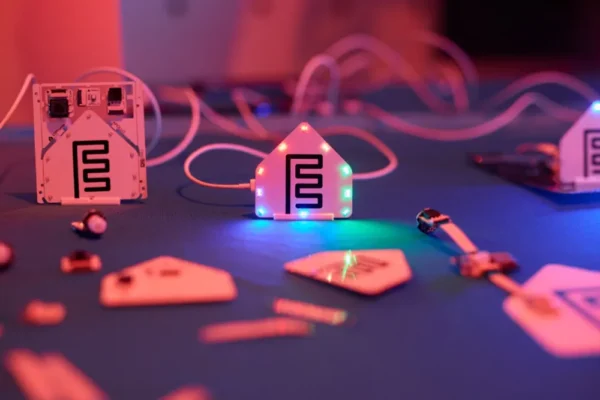










The open-source smart home automation community has officially released Home Assistant 2026.8, a substantial software update spearheaded by Technical Program Manager Ashley and core contributor Bram Kragten, filling in for Frenck during a scheduled hiatus. As part of the broader Open Home Foundation roadmap, this release targets a single overarching design philosophy: lowering technical barriers to make smart home management approachable for everyday users without sacrificing the granular control advanced hobbyists demand. Alongside the core platform update, the ecosystem is preparing for the August 12 launch of the ESPHome Starter Kit, developed in partnership with Apollo Automation and supported by prominent industry figures such as Reed from Smart Home Solver, Simon Says Home Assistant, and Gavin of HomeTech.fm.
The evolution of Home Assistant over recent years has mirrored the rapid growth of the consumer Internet of Things (IoT) market, moving from a niche platform favored exclusively by software engineers to a mainstream alternative to commercial ecosystems like Apple HomeKit, Google Home, and Amazon Alexa. Historically, deploying and maintaining local-first home automation required navigating complex networking protocols, terminal commands, and specific port directives. Release 2026.8 systematically tackles these legacy hurdles through targeted interface overhauls, cleaner default configurations, and semantic shifts designed to reduce intimidation factors for new adopters.
Eliminating Technical Trivia: The Port 8123 Paradigm Shift
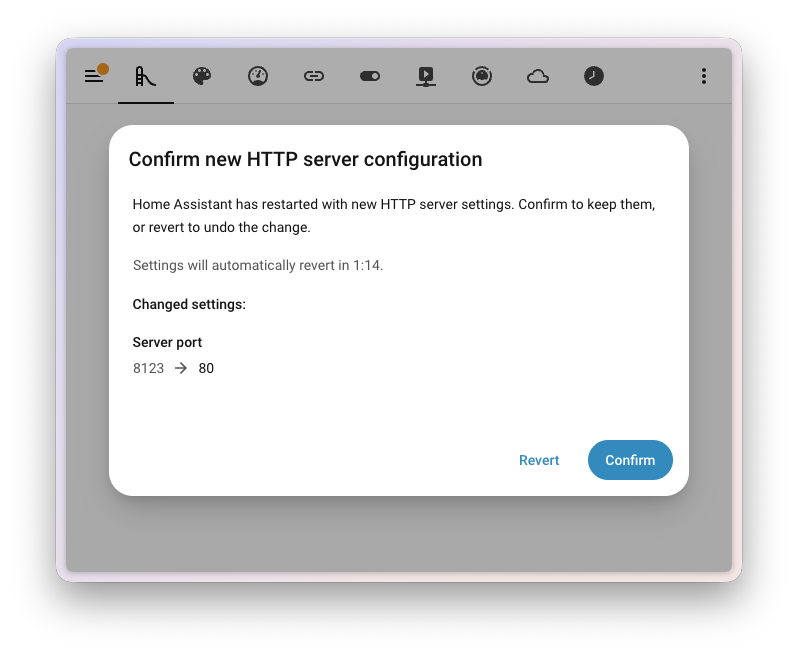
One of the most notable technical shifts in Home Assistant 2026.8 is the removal of the default port number from new network configurations. For years, accessing a local Home Assistant instance required appending the specific port identifier :8123 to the local IP address or hostname. While second nature to system administrators, this requirement served as an immediate friction point for non-technical users accustomed to standard web browsing conventions.

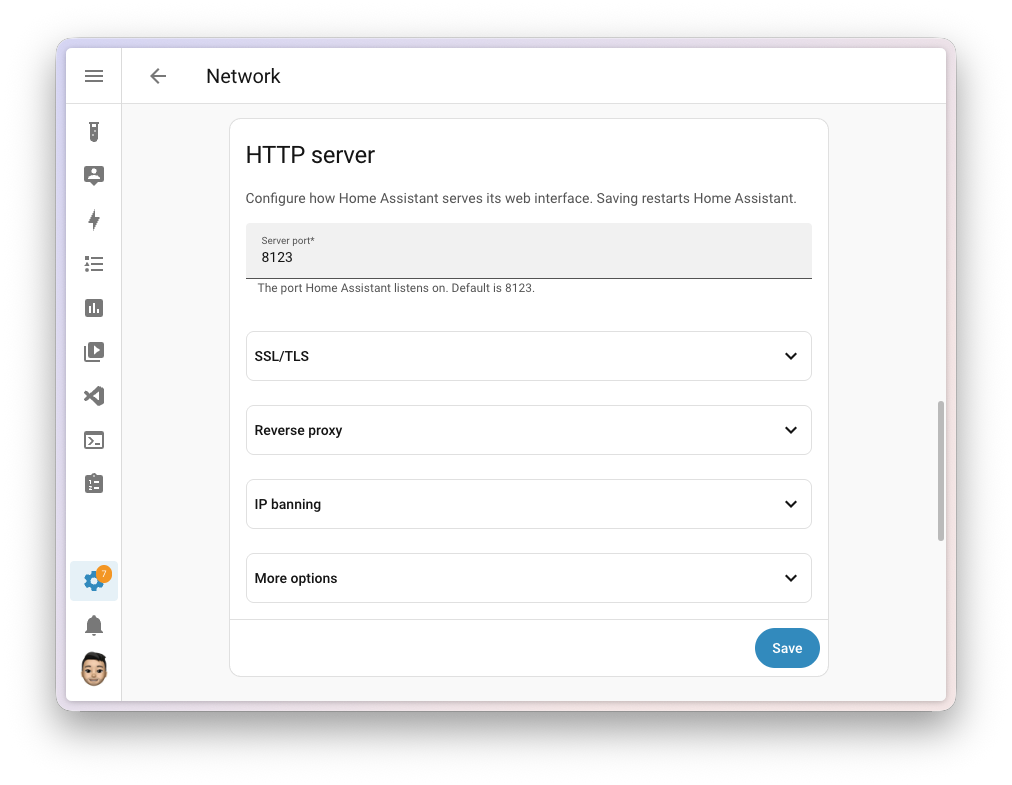
Beginning with this release, fresh installations of Home Assistant OS will utilize standard web address architecture by default, enabling users to navigate to their local smart home hub directly. Existing installations remain untouched to prevent disruption to active dashboards, companion mobile applications, and third-party integrations. For users seeking cleaner URLs on legacy setups, the platform now introduces a dedicated graphical web server configuration interface. This menu allows administrators to alter listening ports, define network bindings, and configure trusted proxies directly from the dashboard. Furthermore, the development team has engineered a safety fallback mechanism: configuration changes to networking ports initiate a five-minute verification timer. If the administrator fails to confirm operational status following the shift, Home Assistant automatically rolls back the network changes and restarts, effectively eliminating the risk of accidental lockouts due to typographical errors or misconfigured routing.
Redefining Terminology and Interface Hierarchy
In a deliberate effort to demystify home automation, the Open Home Foundation has initiated a comprehensive linguistic audit across the core platform, companion mobile apps, and official documentation. Labels such as "advanced" and "expert"—which frequently discourage novices from exploring deeper customization tools—have been systematically excised from approximately 43 locations within the interface. These functional categories now rely on descriptive explanations of their actual capabilities rather than subjective ratings of user skill.
Parallel to this terminology update, the traditional "Developer Tools" section has been officially rebranded as "Tools." Home Assistant maintainers noted that this menu serves critical functions for all users, regardless of programming background, including reviewing device states, validating configuration templates, and manually triggering system reloads. Streamlining the nomenclature aligns the interface with practical user behavior, reinforcing the message that the platform’s diagnostic utilities belong to everyone.
Advanced Cloud Management and Naming Flexibility
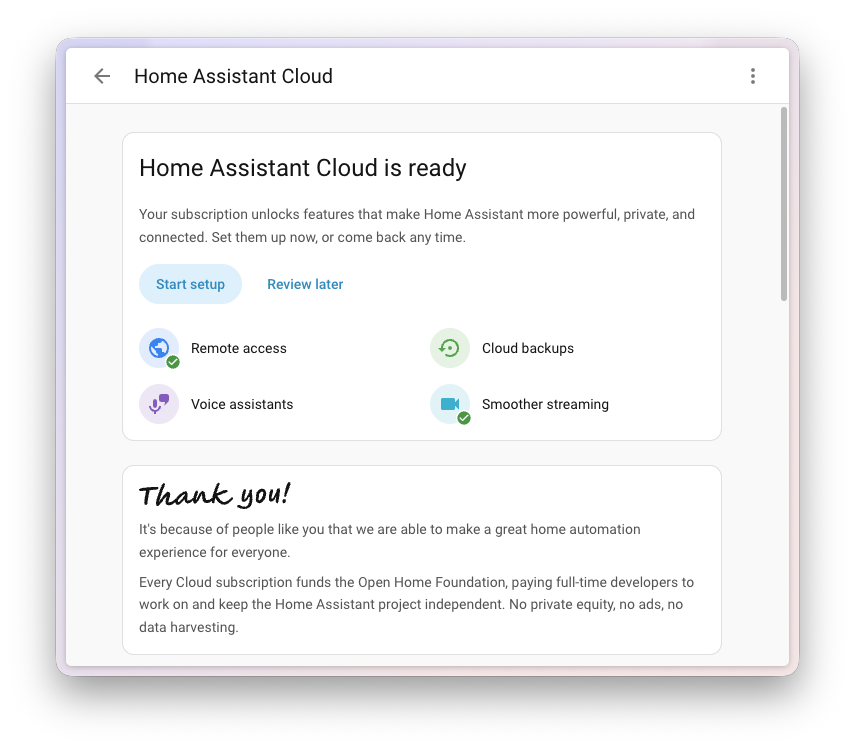
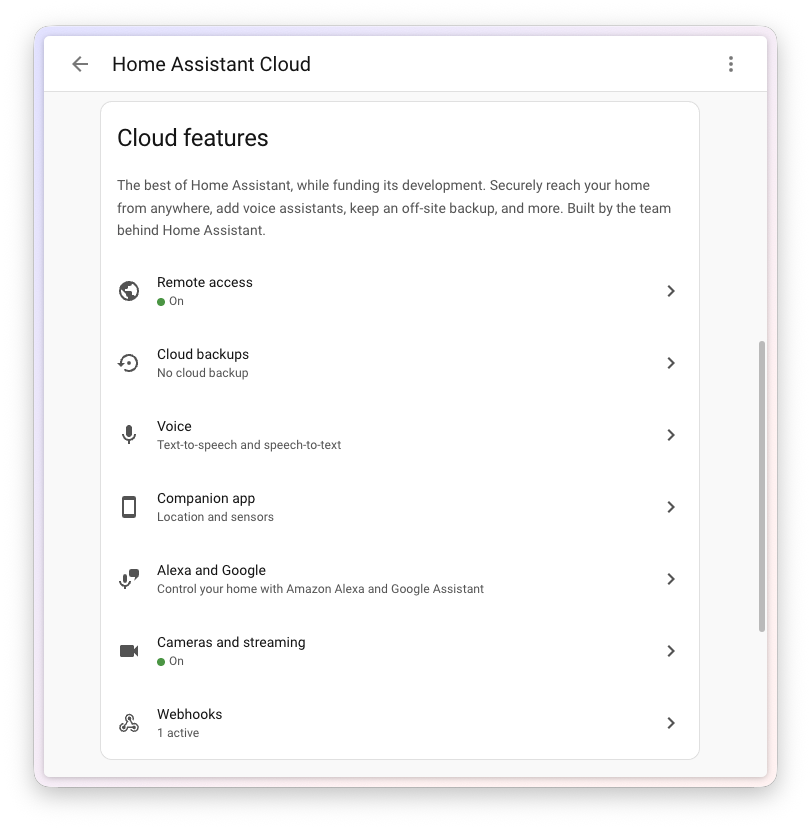
Home Assistant Cloud, managed by Nabu Casa to provide secure remote access, encrypted backups, and private voice assistant integration, has received its first major architectural redesign. The configuration interface has transitioned from a continuous, vertically scrolling list of switches to a structured overview. Individual cloud services now occupy dedicated management pages, providing clearer visibility into active features and simplifying the guided setup sequence for first-time subscribers.
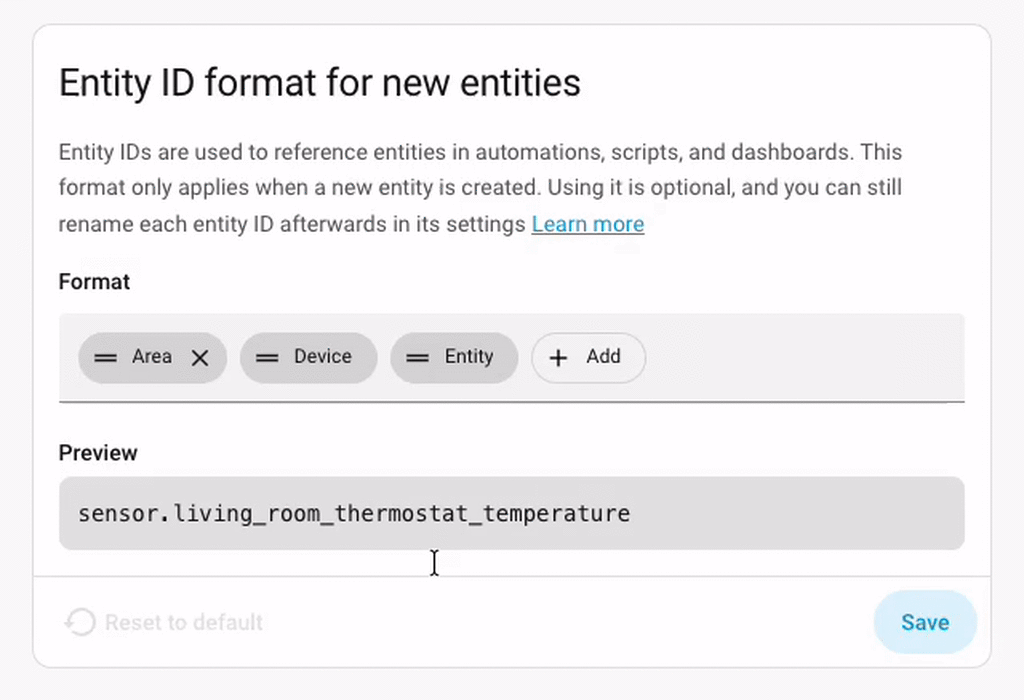
Simultaneously, the platform introduces enhanced user control over entity identifiers. Addressing feedback regarding automated naming conventions derived from physical room areas, version 2026.8 empowers administrators to manually rename and reorder entity IDs directly within the user interface, ensuring that naming schemes across complex multi-room deployments remain consistent and logical.
Under-the-Hood Architectural Changes and Device Handling
Beyond interface refinements, Home Assistant 2026.8 implements critical backend improvements concerning device registries and multi-integration mapping. Historically, if a single physical piece of hardware reported data through two distinct integrations, the system attempted to merge them into a unified device entry. This practice frequently triggered conflicts regarding immutable parameters such as hardware models and serial numbers.
Under the new architecture, individual integrations maintain distinct device entries. During the update process, previously merged devices are automatically separated, routing associated entities to their respective hardware entries without breaking established automations or scripts. While rare edge cases may require administrators to address system repair notices for direct device ID references, this structural groundwork paves the way for advanced, multi-protocol hardware management in future release cycles.
Automation Triggers, Integrations, and Quality Scale Achievements
Automation logic continues to expand with the introduction of dedicated triggers and conditions for vibration sensors and lunar phases. Rather than requiring complex mathematical templates, users can now directly anchor routines to specific physical states, such as confirming a washing machine has ceased vibrating before dispatching a notification, or automating architectural lighting transitions based on moon phases.
The breadth of the Home Assistant ecosystem continues to expand through community-driven contributions, accompanied by ongoing evaluations under the Integration Quality Scale. Several key integrations have achieved higher quality tiers, reflecting rigorous improvements in documentation, error handling, and automated testing. Conversely, legacy integrations failing to meet modern maintenance standards—including specific iterations of robot vacuum battery reporting and obsolete platform APIs—have been deprecated to ensure long-term system stability and security.
Implications for the Smart Home Industry
The release of Home Assistant 2026.8 underscores a broader maturation phase within the open-source home automation sector. By systematically removing legacy technical debt, softening exclusionary terminology, and prioritizing network accessibility, the Open Home Foundation is actively lowering the barrier to entry for privacy-focused, locally controlled smart homes. As commercial ecosystems increasingly grapple with cloud dependency and subscription fatigue, updates of this caliber position self-hosted alternatives as viable, user-friendly contenders for the mainstream consumer market.