









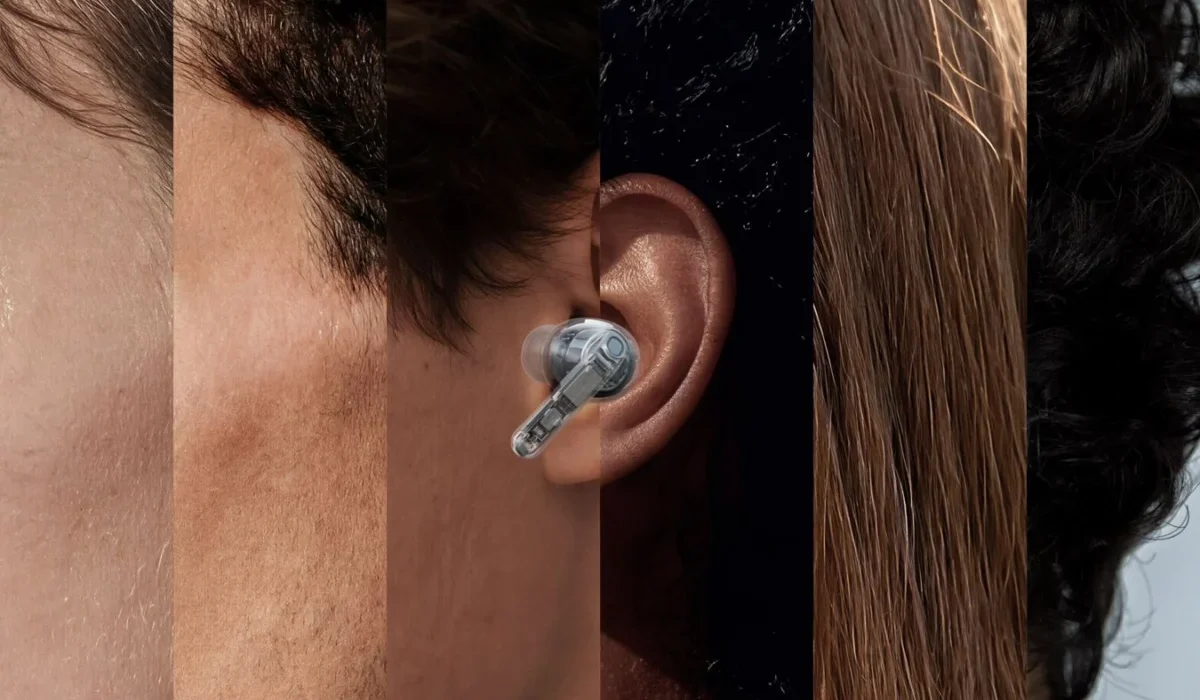
Samsung Electronics is rapidly bridging the gap between consumer electronics and medical-grade personal care, transforming its flagship wireless audio hardware into FDA-cleared and regulator-approved clinical devices. In a move that mirrors a major health initiative previously popularized by Apple’s AirPods Pro lineup, Samsung has secured crucial regulatory clearance to integrate advanced clinical hearing tests and over-the-counter (OTC) hearing aid functionalities directly into select models of its Galaxy Buds ecosystem.
The announcement, stemming from formal regulatory milestones in both South Korea and the United States, signals a massive shift in how everyday technology can address chronic health concerns. Rather than requiring users to visit an audiologist for specialized equipment, Samsung’s upcoming software update will allow owners of the Galaxy Buds 3 Pro and Galaxy Buds 4 Pro to self-diagnose mild-to-moderate hearing loss and calibrate personal sound profiles right from their smartphones. This development underscores the tech giant’s broader strategy to position its interconnected hardware—ranging from smart rings to smartwatches and earbuds—as indispensable wellness monitors.

The Evolution of Consumer Audio and Health Integration
For years, wireless earbuds have served strictly as tools for media consumption, communication, and passive noise cancellation. However, the convergence of high-fidelity acoustic drivers, powerful onboard processing chips, and advanced biometric sensors has opened new doors for health-tech innovation. Hearing loss affects hundreds of millions of people globally, yet a significant percentage of individuals who could benefit from hearing aids delay treatment due to the high cost of traditional devices, social stigmas, or the cumbersome process of scheduling clinical appointments.
By leveraging regulatory pathways established for over-the-counter hearing devices, technology companies are democratizing access to preventative hearing care. Samsung’s implementation is not merely a generalized volume boost. Instead, it utilizes clinical-grade methodologies to tailor audio output precisely to an individual’s unique auditory profile, effectively turning premium consumer earbuds into accessible medical aids.

Inside the New Hearing Test and Aid Features
The upcoming software update introduces two deeply integrated, highly sophisticated health features designed to work seamlessly within the Samsung Galaxy ecosystem. The first is the Hearing Test function, accessible directly through the Galaxy Buds settings menu on a compatible smartphone running One UI 9 or later.
During this diagnostic procedure—which takes roughly five minutes—the earbuds utilize clinical-grade pure-tone audiometry. They play a series of calibrated sounds at varying frequencies to measure the absolute quietest tones an individual can perceive in each ear. Upon completion, the software generates a comprehensive audiogram that maps out hearing sensitivity across different frequency spectrums. According to Samsung’s official documentation, these results are neatly categorized into seven distinct levels, ranging from normal hearing capability to profound hearing loss, complete with tailored guidance and potential next steps for the user.

For individuals identified as having perceived mild to moderate hearing loss—specifically targeted toward adults aged 18 and older—the second phase of the software kicks in: the Hearing Aid feature. Rather than universally amplifying every decibel of environmental sound, the system utilizes the user’s newly generated audiogram to selectively boost the exact frequencies they struggle to process. To achieve this, Samsung relies on the NAL-NL2 (National Acoustic Laboratories-Nonlinear 2) fitting formula, a globally recognized and widely validated standard used by professional audiologists around the world.
Furthermore, all relevant data, including historical test results and ambient noise exposure tracking, will integrate directly into the Samsung Health application. This gives users a holistic view of their auditory health over time while encouraging safer listening habits in loud environments. Industry experts note that while these features offer unprecedented accessibility, they are designed as supportive consumer tools and do not entirely replace comprehensive professional diagnoses or medical treatments for severe auditory pathologies.
A Strategic Rollout Timeline and Regulatory Milestones

The path to bringing these features to market has involved navigating strict global regulatory frameworks. In August, Samsung achieved a major milestone when the United States Food and Drug Administration (FDA) cleared the company’s Hearing Aid feature, paving the way for a targeted rollout in the U.S. and select international markets slated for late 2026.
Expanding upon this momentum, South Korea’s Ministry of Food and Drug Safety (MFDS) officially approved both the Hearing Test and Hearing Aid software as certified medical device software. Following this domestic regulatory approval, Samsung confirmed a structured, gradual rollout of the update beginning in South Korea in early 2027, closely following or accompanying its global deployment phases.
However, users looking to take advantage of these medical-grade upgrades will need to ensure their supporting hardware is up to date. Full functionality requires not only supported earbuds—namely the Galaxy Buds 3 Pro and Galaxy Buds 4 Pro—but also a compatible Galaxy smartphone running One UI 9 or a later software iteration. This hardware and software synergy ensures the secure processing and storage of sensitive health data while maintaining ultra-low latency audio adjustments.

Broader Implications for Samsung’s Health Ecosystem
Samsung’s push into auditory assistance does not exist in a vacuum; it is part of a deliberate, aggressive corporate expansion into preventative health technology. The company has steadily transformed its ecosystem of wearables into comprehensive health-monitoring hubs. Just recently, Samsung rolled out upgraded sleep apnea detection capabilities for the Galaxy Ring and the Galaxy Watch line, making the Galaxy Ring the first over-the-counter smart ring to offer such specialized screening capabilities.
By embedding clinical-grade capabilities into everyday accessories like smartwatches, rings, and earbuds, Samsung is redefining the utility of consumer electronics. Analysts point out that this ecosystem approach fosters profound brand loyalty while addressing critical public health needs on a massive scale. As competitors like Apple continue to refine their own health-centric audio suites, the consumer tech landscape is witnessing a permanent evolution: gadgets that once merely entertained are now actively monitoring, protecting, and restoring human health.