







The Google Pixel 11 Pro represents the latest milestone in Google’s long-term strategy to pivot from a search-engine giant into an artificial intelligence powerhouse. As the flagship device for 2026, it arrives with a clear mandate: to integrate AI into every facet of the user experience, from photographic post-processing to real-time productivity assistance. However, for the discerning audiovisual enthusiast, the question of whether this technological leap translates into a superior entertainment experience remains complex. While the device excels in computational photography and software efficiency, our rigorous testing reveals that its performance as a portable cinema and music player is inconsistent when measured against the high bar set by its primary competitors.
The trajectory of the Pixel line has shifted significantly since its inception. Originally marketed as a showcase for pure, unskinned Android, the series has evolved into a hardware-focused ecosystem designed to justify its premium pricing. The Pixel 11 Pro arrives with a starting price of £1079 / $1099 / AU$1849 for the 256GB model, positioning it squarely in the territory of the iPhone 18 Pro and the Samsung Galaxy S26 Ultra. This pricing strategy places the device under immense pressure to deliver, as it is no longer competing solely on software optimization, but on hardware performance that must justify a four-figure investment.
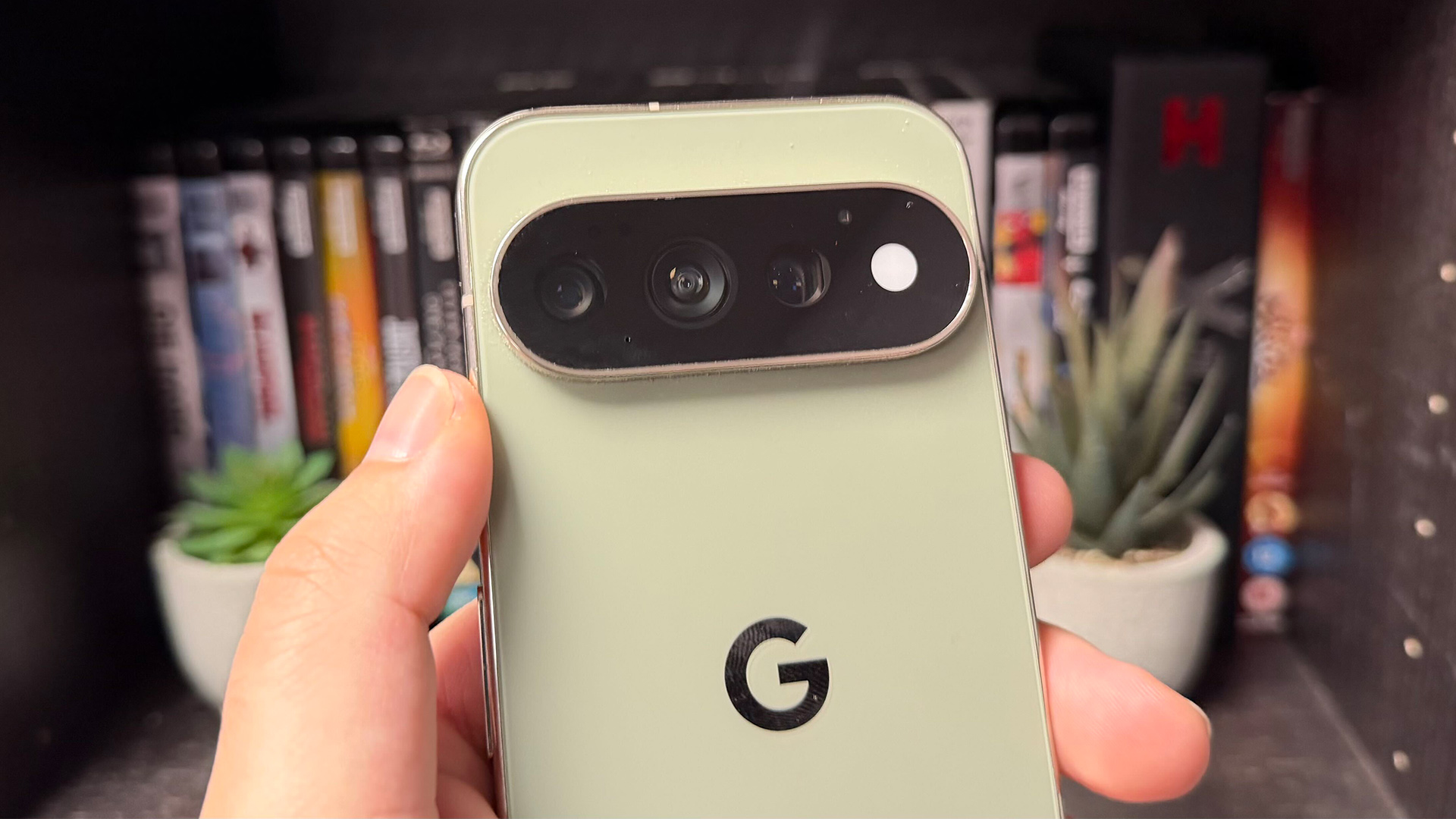
The design philosophy of the Pixel 11 Pro is one of functional minimalism. Eschewing the experimental flourishes of foldable displays, Google has opted for a refined, industrial aesthetic featuring curved glass and a prominent rear camera housing. While the design is practical and comfortable to handle, it feels somewhat conservative in a market increasingly defined by innovative form factors. The inclusion of an IP68 rating for water and dust resistance is a welcome standard, and the under-screen fingerprint sensor remains responsive even in adverse weather conditions. However, the absence of an SD card slot—a standard industry omission by 2026—remains a point of contention for users who maintain large local high-resolution audio libraries.
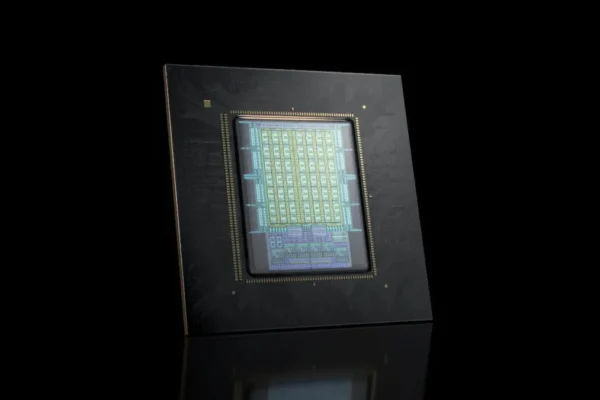
At the heart of the Pixel 11 Pro’s value proposition is the Tensor G6 chipset, a processor engineered specifically to handle the heavy lifting of generative AI. Google’s internal testing suggests significant performance gains over the previous generation, including a 20 per cent increase in power efficiency and 25 per cent faster web browsing. While these metrics are impressive in isolation, real-world performance during our testing indicated some volatility. Notably, gaming applications occasionally suffered from frame-rate stutters and system instability. For a device boasting a 120Hz Super Actua OLED display, these software-side hiccups are a regrettable limitation that detracts from the fluidity of the user interface.
The camera array, long considered the crown jewel of the Pixel experience, continues to perform at an elite level. The triple-sensor configuration—a 50MP main, 48MP telephoto, and 48MP ultrawide—is supported by advanced software that manages everything from sophisticated bokeh effects to low-light noise reduction without user intervention. The AI-integrated photo editing tools are arguably the most robust in the industry, allowing for professional-grade touch-ups that were previously only possible on desktop workstations. For the content creator, the Pixel 11 Pro is an undeniable leader. Yet, when the focus shifts from creation to consumption, the narrative becomes more nuanced.
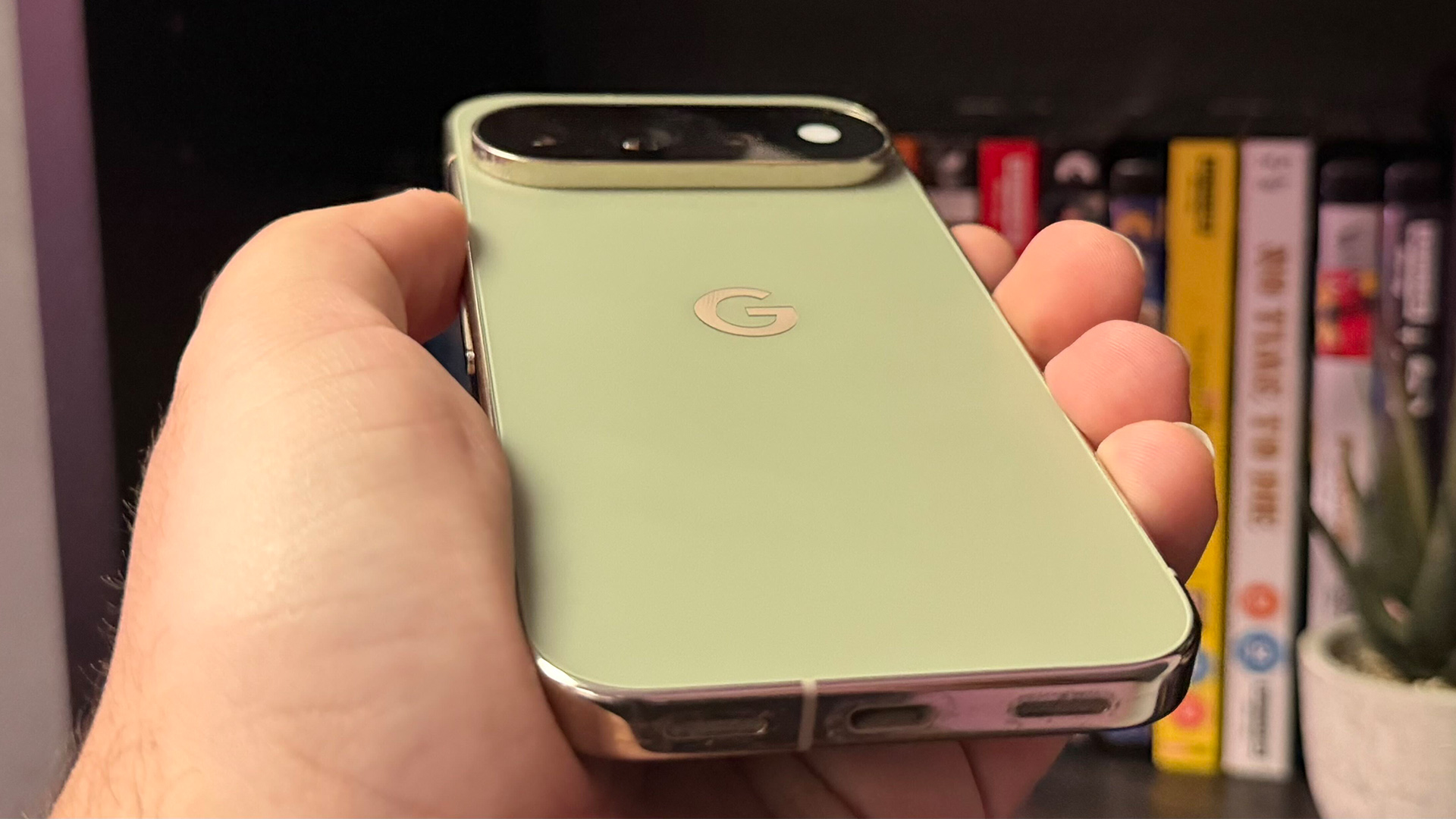
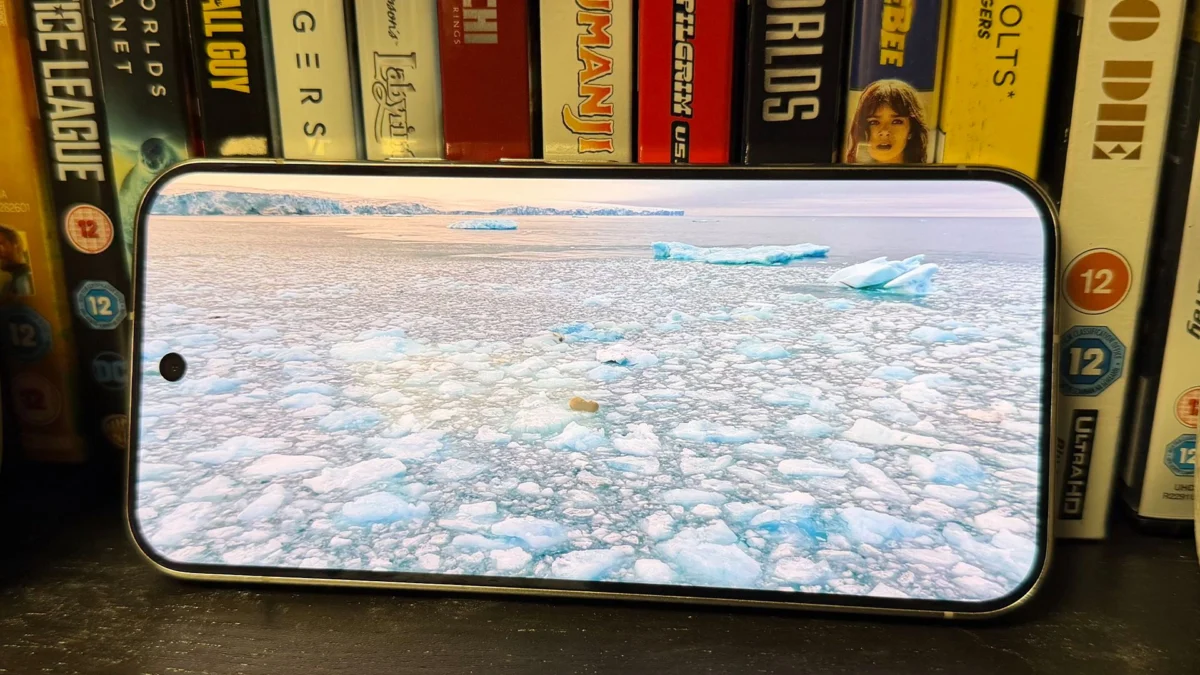
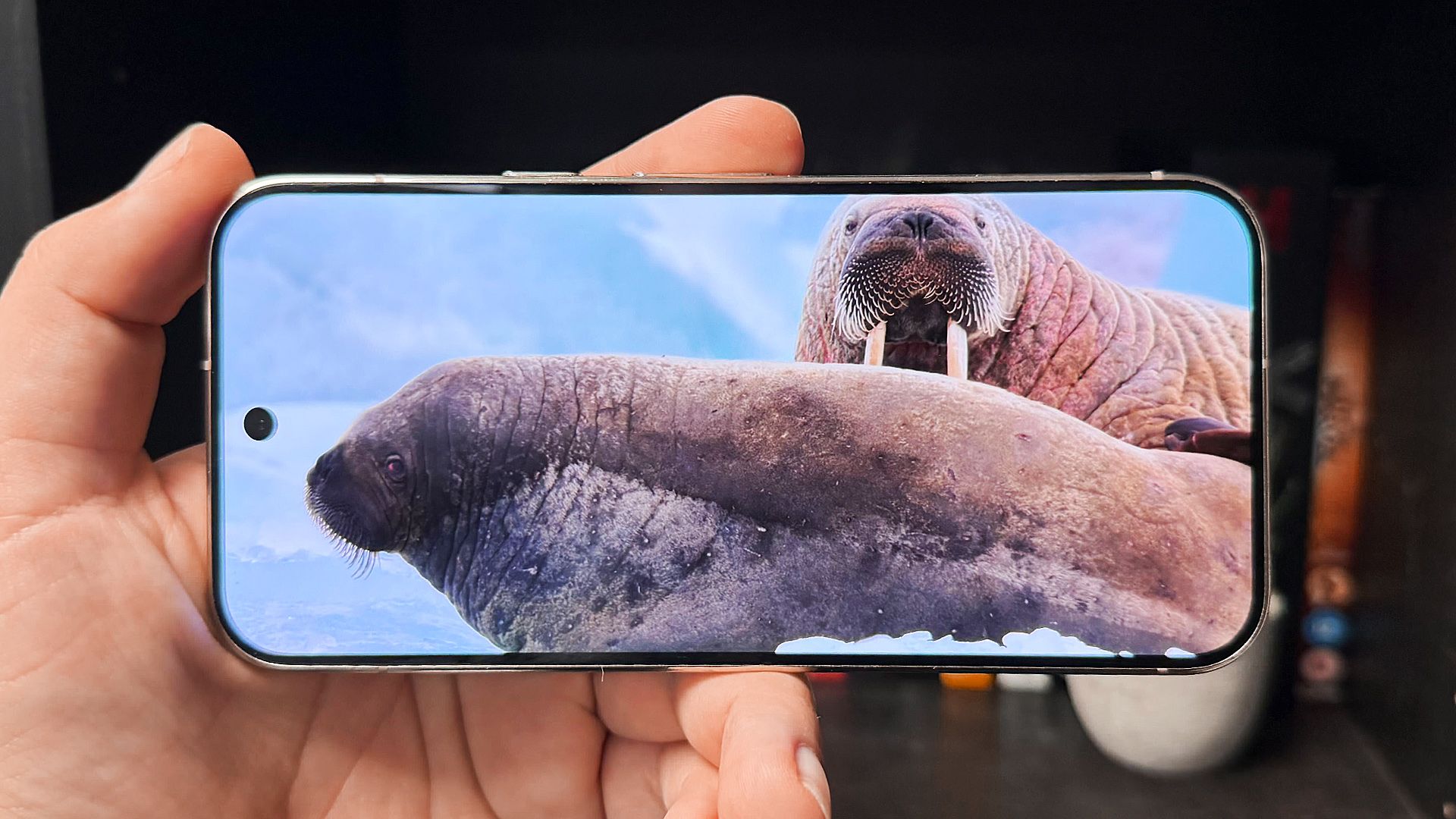
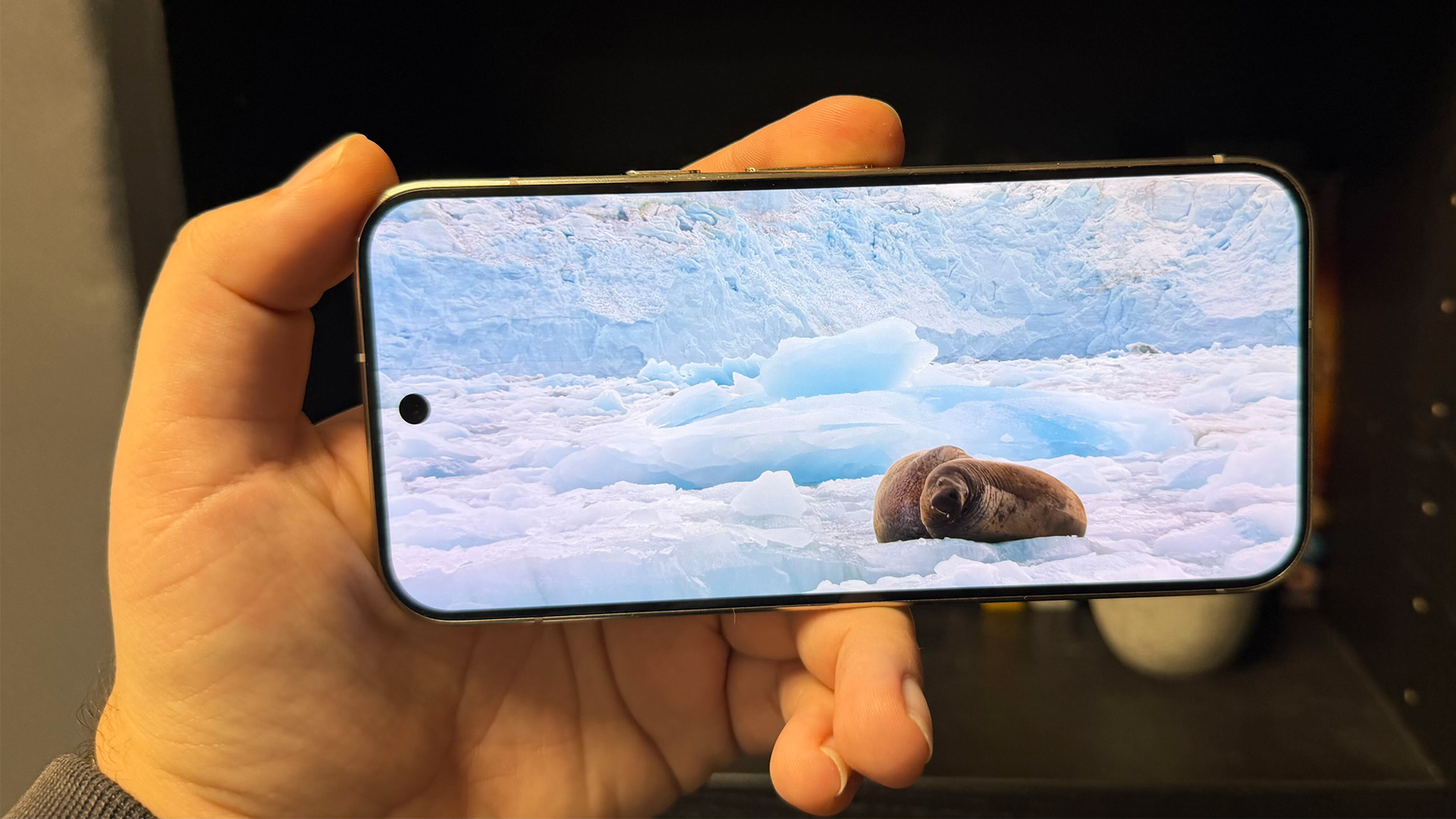
When evaluating the Pixel 11 Pro as a mobile cinema, the results are bifurcated. The 2856 x 1280 resolution Super Actua display is capable of stunning brightness, peaking at 2400 nits in HDR mode. When calibrated to the "Natural" preset, the screen renders content with a commendable balance of warmth and detail. During our assessment using high-bitrate streaming content, such as "Dune: Part 2" on Netflix, the device demonstrated excellent three-dimensionality and motion handling. However, it falls short in two key areas. First, the lack of Dolby Vision support—a feature standard on Apple and many high-end Samsung handsets—limits the device’s potential for HDR playback across platforms like Disney+ and Apple TV. Second, the display struggles with low-bitrate content in darker scenes, where it is prone to noise and blocking artifacts that its competitors manage to suppress more effectively.
The audio performance of the Pixel 11 Pro is perhaps its most "safe" and least inspiring attribute. In side-by-side comparisons with the iPhone 18 Pro, the Pixel 11 Pro lacks the necessary dynamic range and soundstage width to provide a truly immersive listening experience. Using high-quality tracks from Tidal, the device struggles to separate complex bass arrangements, resulting in a slightly congested sound profile. While the phone avoids the harsh distortion typical of budget Android devices, it fails to capture the emotional nuance or the crisp clarity required by audiophiles. Vocals often sound flat, and the stereo imaging is insufficient to provide the separation needed for a convincing "big band" or orchestral sound.
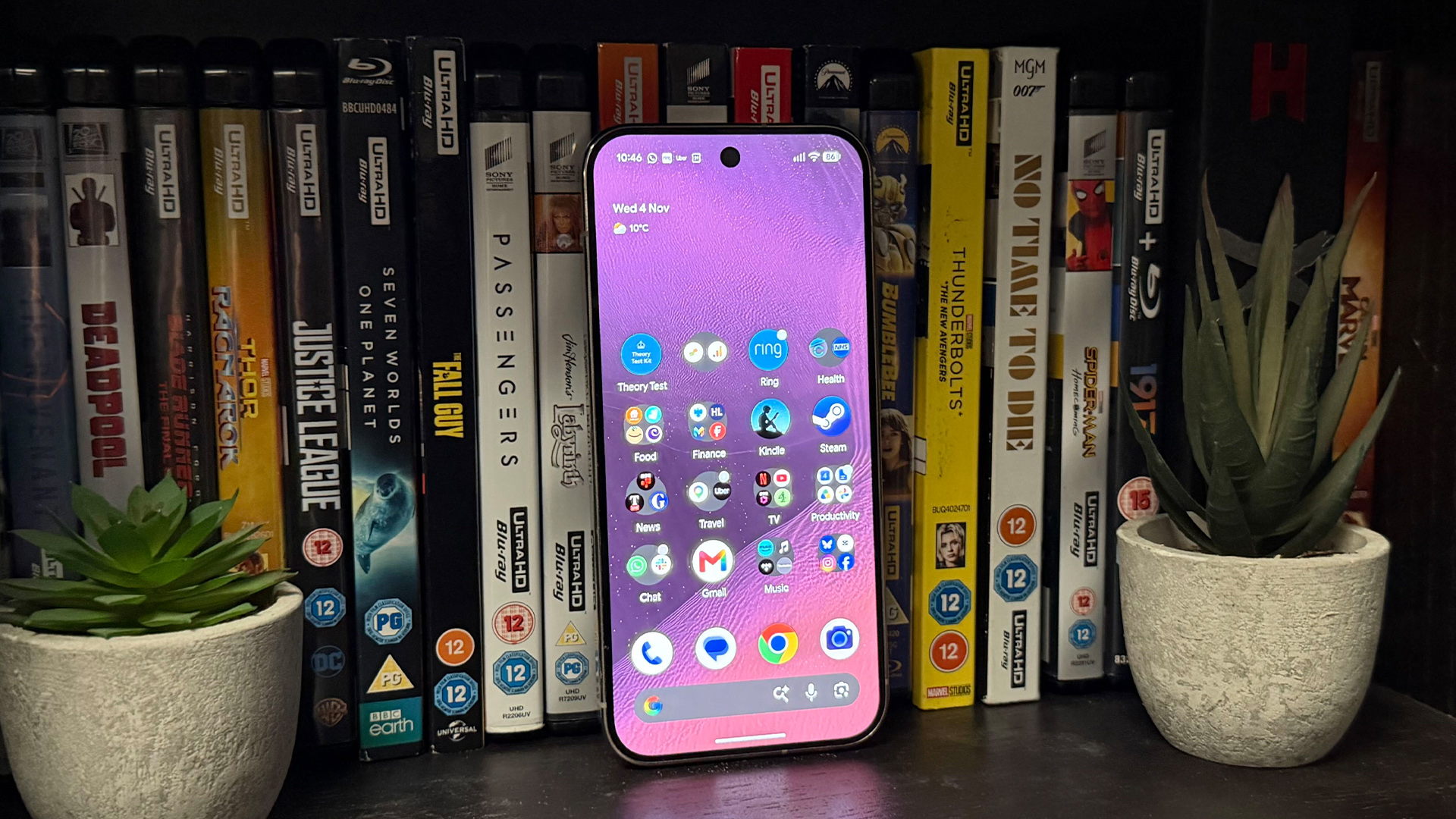
The broader implications of these findings suggest that Google is continuing to refine its niche. The Pixel 11 Pro is not designed for the traditional AV enthusiast who prioritizes raw speaker fidelity or peak HDR color science; rather, it is designed for the professional user, the social media creator, and the person who views their smartphone primarily as an AI-driven productivity tool. The inclusion of features like the HiLight Studio notification ring and the "Rambler" dictation improvement tool underlines a commitment to functional utility over immersive entertainment.
From a chronological perspective, the rollout of the Pixel 11 series marks a turning point where Google has fully decoupled its hardware identity from the standard smartphone market. By emphasizing AI-driven "cross-app continuity," where Gemini manages tasks across different software ecosystems, Google is signaling that the future of the smartphone is not necessarily a better screen, but a better assistant. Whether this strategy will satisfy the traditional consumer remains to be seen, especially as rivals continue to push the boundaries of display technology and audio hardware.
In terms of technical competition, the Samsung Galaxy S26 Ultra remains the benchmark for Android, offering a more versatile hardware package that balances productivity with superior media playback. Meanwhile, Apple’s iPhone 18 Pro continues to lead in audiovisual integration, particularly through its refined Dolby Vision implementation and superior speaker output. For a device that commands a price tag exceeding £1000, the Pixel 11 Pro is an excellent productivity tool that, unfortunately, settles for being merely "good enough" in the high-fidelity entertainment category.
Ultimately, the Pixel 11 Pro’s success will be determined by the user’s priorities. If one’s primary requirement is a device that can intelligently manage a workday, edit images with machine-learning precision, and stay updated with the latest Android features, the Pixel 11 Pro is a formidable candidate. However, for those who seek a portable home cinema or a dedicated high-resolution music player, the market offers more compelling, purpose-built alternatives. The Pixel 11 Pro is a triumph of software engineering and photographic innovation, but it serves as a reminder that even the most advanced AI cannot yet compensate for the lack of specialized hardware refinement in the competitive world of mobile audiovisuals. As Google looks toward the future of the Pixel line, the company may need to reconsider whether its singular focus on AI utility is enough to satisfy a customer base that increasingly demands both productivity and premium media performance in a single, high-priced package.